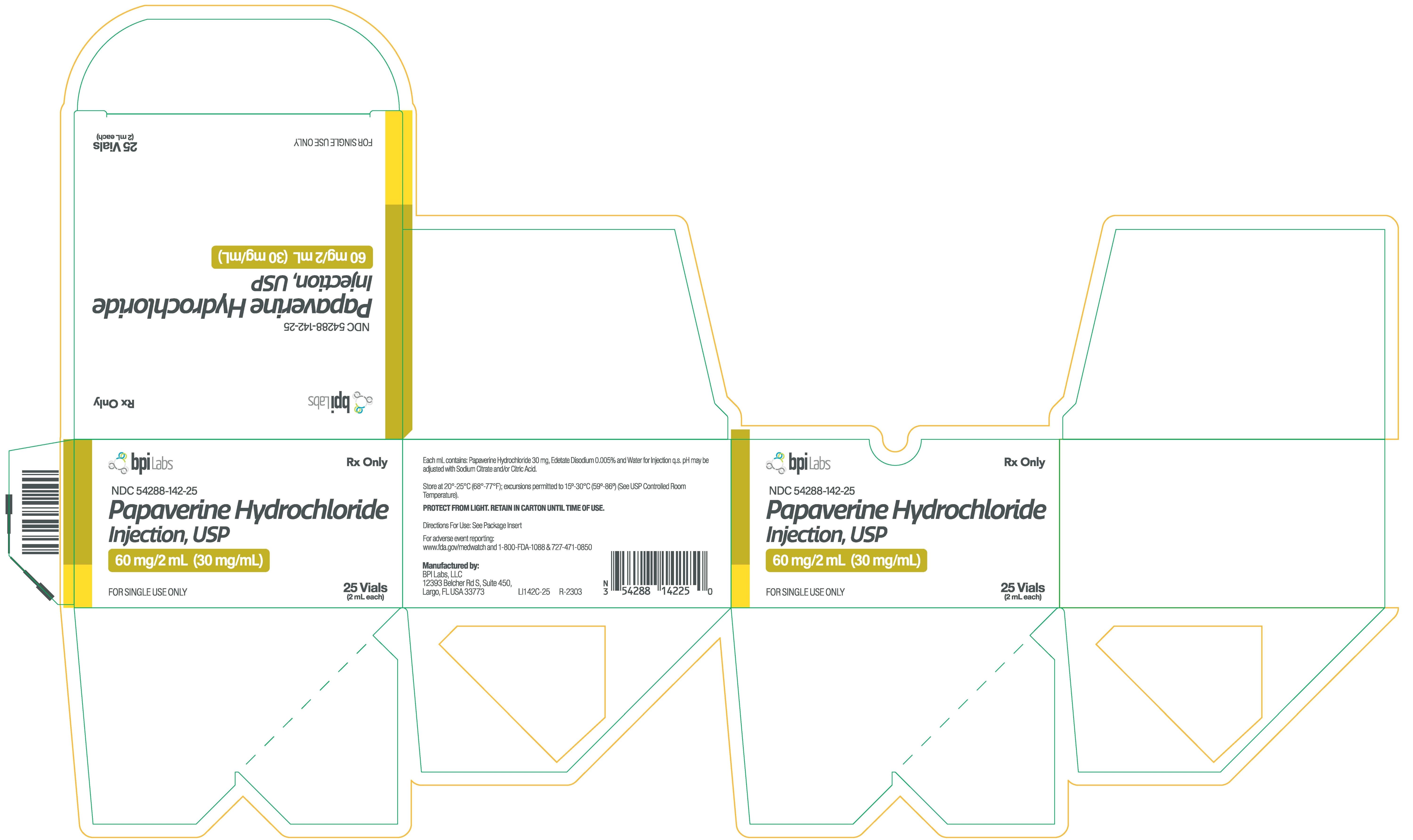
papaverine hydrochloride 30 MG/ML Injectable Solution
Managing this medication for someone you care for? Eleplan keeps diagnoses, medications and appointments in one plan.
Start free with EleplanClinical drug
papaverine hydrochloride 30 MG/ML Injectable Solution
30 MG/ML · Injectable Solution · injection
A form of papaverine →
papaverine hydrochloride 30 MG/ML Injectable Solution — Papaverine and derivatives. INDICATIONS AND USAGE Papaverine is recommended in various conditions accompanied by spasm of smooth muscle, such as vascular spasm associated with…
Active ingredient
Classification
Papaverine and derivatives
Indications
INDICATIONS AND USAGE Papaverine is recommended in various conditions accompanied by spasm of smooth muscle, such as vascular spasm associated with acute myocardial infarction (coronary occlusion), angina pectoris, peripheral and pulmonary embolism, peripheral vascular disease in which there is a vasospastic element, or certain cerebral angiospastic states, and visceral spasm , as in ureteral, biliary, or gastrointestinal colic.
Dosage
DOSAGE AND ADMINISTRATION Papaverine Hydrochloride may be administered intravenously or intramuscularly. The intravenous route is recommended when an immediate effect is desired, but the drug must be injected slowly over the course of 1 or 2 minutes to avoid uncomfortable or alarming side effects. Parenteral administration of papaverine hydrochloride in doses of 1 to 4 mL is repeated every 3 hours as indicated. In the treatment of cardiac extrasystoles, 2 doses may be given 10 minutes apart.
Contraindications
CONTRAINDICATIONS Intravenous injection of papaverine is contraindicated in the presence of complete atrioventricular heart block. When conduction is depressed, the drug may produce transient ectopic rhythms of ventricular origin, either premature beats or paroxysmal tachycardia. Papaverine Hydrochloride is not indicated for the treatment of impotence by intracorporeal injection. The intracorporeal injection of papaverine hydrochloride has been reported to have resulted in persistent priapism requiring medical and surgical intervention.
Mechanism of action
CLINICAL PHARMACOLOGY The most characteristic effect of papaverine is relaxation of the tonus of all smooth muscle, especially when it has been spasmodically contracted. Papaverine Hydrochloride apparently acts directly on the muscle itself. This relaxation is noted in the vascular system and bronchial musculature and in the gastrointestinal, biliary and urinary tracts . The main actions of papaverine are exerted on cardiac and smooth muscle. Papaverine relaxes various smooth muscles, especially those of larger arteries; this relaxation may be prominent if spasm exists. The antispasmodic effect is a direct one and unrelated to muscle innervation, and the muscle still responds to drugs and other stimuli causing contraction. Papaverine has minimal actions on the central nervous system, although very large doses tend to produce some sedation and sleepiness in some patients. In certain circumstances, mild respiratory stimulation can be observed, but this is therapeutically inconsequential. Papaverine stimulates respiration by acting on carotid and aortic body chemoreceptors. Papaverine relaxes the smooth musculature of the larger blood vessels, including the coronary, cerebral, peripheral, and pulmonary arteries. This action is particularly evident when such vessels are in spasm, induced reflexly or by drugs, and it provides the basis for the clinical use of papaverine in peripheral or pulmonary arterial embolism. Experimentally in dogs, the alkaloid has been shown to cause fairly marked and long-lasting coronary vasodilatation and an increase in coronary blood flow. However, it also appears to have a direct inotropic effect and, when increased mechanical activity coincides with decreased systemic pressure, increases in coronary blood flow may not be sufficient to prevent brief periods of hypoxic myocardial depression. Papaverine is effective by all routes of administration. A considerable fraction of the drug localizes in fat deposits and in the liver, with the remainder being distributed throughout the body. It is metabolized in the liver. About 90% of the drug is bound to plasma protein. Although estimates of its biologic half-life vary widely, reasonably constant plasma levels can be maintained with oral administration at 6 hour intervals. The drug is excreted in the urine in an inactive form.
Source: RxNorm + openFDA + RxClass + FAERS · 2026
Look up another medication