Sodium Phosphate, Dibasic, Anhydrous, Potassium Phosphate, Monobasic, and Sodium Phosphate, Monobasic, Monohydrate
Managing this medication for someone you care for? Eleplan keeps diagnoses, medications and appointments in one plan.
Start free with EleplanMedication reference
Sodium Phosphate, Dibasic, Anhydrous, Potassium Phosphate, Monobasic, and Sodium Phosphate, Monobasic, Monohydrate
ORAL
Sodium Phosphate, Dibasic, Anhydrous, Potassium Phosphate, Monobasic, and Sodium Phosphate, Monobasic, Monohydrate. INDICATIONS AND USAGE K-PHOS® NEUTRAL increases urinary phosphate and pyrophosphate. As a phosphorus supplement, each tablet supplies 25% of the…
Brand names
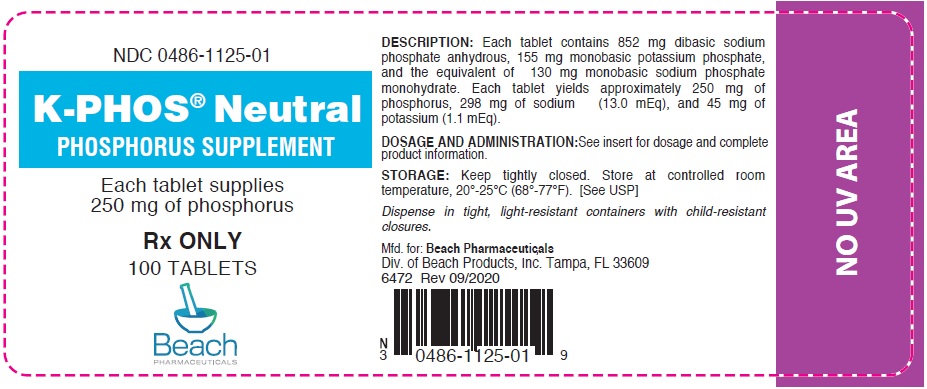
K Phos Neutral
Active ingredients
POTASSIUM PHOSPHATE, MONOBASICSODIUM PHOSPHATE, DIBASIC, ANHYDROUSSODIUM PHOSPHATE, MONOBASIC, MONOHYDRATE
Indications
INDICATIONS AND USAGE K-PHOS® NEUTRAL increases urinary phosphate and pyrophosphate. As a phosphorus supplement, each tablet supplies 25% of the U.S. Recommended Daily Allowance (U.S.RDA) of phosphorus for adul t s and children over 4 years of age.
Dosage
DOSAGE AND ADMINISTRATION K-PHOS® NEUTRAL tablets should be taken with a full glass of water, with meals and at bedtime. Adults: One or two tablets four times daily; Pediatric Patients over 4 years of age: One tablet four times daily. For Pediatric Patients under 4 years of age, use only as directed by a physician.
Contraindications
CONTRAINDICATIONS This product is contraindicated in patients with infected phosphate stones, in patients with severely impaired renal function (less than 30% of normal) and in the presence of hyperphosphatemia.
Drug interactions
Drug Interactions The use of antacids containing magnesium, aluminum, or calcium in conjunction with phosphate preparations may bind the phosphate and prevent its absorption. Concurrent use of antihypertensives, especially diazoxide, guanethidine, hydralazine, methyldopa, or rauwolfia alkaloid; or corticosteroids, especially mineralocorticoids or corticotropin, with sodium phosphate may result in hypernatremia. Calciumcontaining preparations and/or Vitamin D may antagonize the effects of phosphates in the treatment of hypercalcemia. Potassium-containing medications or potassium-sparingdiuretics may cause hyperkalemia. Patients should have serum potassium level determinations at periodic intervals.
Adverse reactions
ADVERSE REACTIONS Gastrointestinal upset (diarrhea, nausea, stomach pain and vomiting) may occur with phosphate therapy. Also, bone and joint pain (possible phosphate-induced osteomalacia) could occur. The following adverse effects may be observed (primarily from sodium or potassium): headaches; dizziness; mental confusion; seizures; weakness or heaviness of legs; unusual tiredness or weakness; muscle cramps; numbness, tingling, pain, or weakness of hands or feet; numbness or tingling around lips; fast or irregular heartbeat; shortness of breath or troubled breathing; swelling of feet or lower legs; unusual weight gain; low urine output; unusual thirst.
Mechanism of action
CLINICAL PHARMACOLOGY Phosphorus has a number of important functions in the biochemistry of the body. The bulk of the body's phosphorus is located in the bones, where it plays a key role in osteoblastic and osteoclastic activities. Enzymatically catalyzed phosphate-transfer reactions are numerous and vital in the metabolism of carbohydrate, lipid and protein, and a proper concentration of the anion is of primary importance in assuring an orderly biochemical sequence. In addition, phosphorus plays an important role in modifying steady-state tissue concentrations of calcium. Phosphate ions are important buffers of the intracellular fluid, and also play a primary role in the renal excretion of hydrogen ion. Oral administration of inorganic phosphates increases serum phosphate levels. Phosphates lower urinary calcium levels in idiopathic hypercalciuria. In general, in adults, about two thirds of the ingested phosphate is absorbed from the bowel, most of which is rapidly excreted into the urine.
NDC examples
0486-1125
Source: openFDA + RxNorm · 2026
Look up another medication