siponimod 2 MG Oral Tablet
Managing this medication for someone you care for? Eleplan keeps diagnoses, medications and appointments in one plan.
Start free with EleplanClinical drug
siponimod 2 MG Oral Tablet
2 MG · Oral Tablet · oral
A form of siponimod →
siponimod 2 MG Oral Tablet — Sphingosine-1-phosphate (S1P) receptor modulators. INDICATIONS AND USAGE MAYZENT is indicated for the treatment of relapsing forms of multiple sclerosis (MS), to include clinically isolated syndrome…
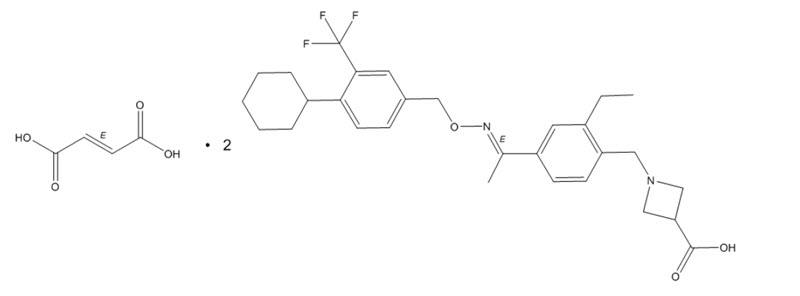
Active ingredient
Classification
Sphingosine-1-phosphate (S1P) receptor modulatorsSphingosine 1-phosphate Receptor Modulator
Drug interactions
Siponimod has several drug interactions that may affect its efficacy and safety.
- majorlive-attenuated vaccines — risk of infection and reduced vaccine effectiveness
- majorstrong CYP2C9 inhibitors — increased exposure to siponimod
- moderatemoderate CYP2C9 inhibitors — monitor for adverse reactions
- moderatemoderate CYP2C9/CYP3A4 dual inhibitors — monitor for adverse reactions
- majordual moderate CYP2C9/strong CYP3A4 inducers — decreased exposure to siponimod
- moderateQT prolonging drugs — potential additive effects on heart rate
- moderateheart-rate lowering calcium channel blockers — potential additive effects on heart rate
- moderatebeta-blockers — additive effects on lowering heart rate
Indications
INDICATIONS AND USAGE MAYZENT is indicated for the treatment of relapsing forms of multiple sclerosis (MS), to include clinically isolated syndrome, relapsing-remitting disease, and active secondary progressive disease, in adults. MAYZENT is a sphingosine 1-phosphate (S1P) receptor modulator indicated for the treatment of relapsing forms of multiple sclerosis (MS), to include clinically isolated syndrome, relapsing-remitting disease, and active secondary progressive disease, in adults.
Dosage
DOSAGE AND ADMINISTRATION Assessments are required prior to initiating MAYZENT. ( 2.1 ) Titration is required for treatment initiation. ( 2.2 , 2.3 ) The recommended maintenance dosage is 2 mg. ( 2.2 ) The recommended maintenance dosage in patients with a CYP2C9*1/*3 or *2/*3 genotype is 1 mg. ( 2.3 ) Administer tablets whole; do not split, crush, or chew. ( 2.2 , 2.3 ) First-dose monitoring is recommended for patients with sinus bradycardia, first- or second-degree [Mobitz type I] atrioventricular (AV) block, or a history of myocardial infarction or heart failure. ( 2.4 ) 2.1 Assessments Prior to First Dose of MAYZENT Before initiation of treatment with MAYZENT, assess the following: CYP2C9 Genotype Determination Test patients for CYP2C9 variants to determine CYP2C9 genotype [see Dosage and Administration (2.2, 2.3), Contraindications (4) and Use in Specific Populations (8.6)] . An FDA-cleared or -approved test for the detection of CYP2C9 variants to direct the use of siponimod is not currently available. Cardiac Evaluation Obtain an electrocardiogram (ECG) to determine whether preexisting conduction abnormalities are present. In patients with certain preexisting conditions, advice from a cardiologist and first-dose monitoring is recommended [see Dosage and Administration (2.4) and Warnings and Precautions (5.4)] . Determine whether patients are taking drugs that could slow heart rate or atrioventricular (AV) conduction [see Drug Interactions (7.2, 7.3)] . Complete Blood Count Review results of a recent complete blood count (CBC) [see Warnings and Precautions (5.1)] . Liver Function Tests Obtain recent (i.e., within last 6 months) transaminase and bilirubin levels [see Warnings and Precautions (5.6)] . Ophthalmic Evaluation Obtain a baseline evaluation of the fundus, including the macula, near the start of the treatment with MAYZENT [see Warnings and Precautions (5.3)] . Skin Examination Obtain a baseline skin examination prior to or shortly after initiation of MAYZENT. If a suspicious skin lesion is observed, it should be promptly evaluated [see Warnings and Precautions (5.7)] . Current or Prior Medications If patients are taking anti-neoplastic, immunosuppressive, or immune-modulating therapies, or if there is a history of prior use of these drugs, consider possible unintended additive immunosuppressive effects before initiating treatment with MAYZENT [see Warnings and Precautions (5.1) and Drug Interactions (7.1)] . Vaccinations Test patients for antibodies to varicella zoster virus (VZV) before initiating MAYZENT; VZV vaccination of antibody-negative patients is recommended prior to commencing treatment with MAYZENT [see Warnings and Precautions (5.1)] . 2.2 Recommended Dosage in Patients With CYP2C9 Genotypes *1/*1, *1/*2, or *2/*2 Maintenance Dosage After treatment titration ( see Treatment Initiation ), the recommended maintenance dosage of MAYZENT is 2 mg taken orally once daily starting on Day 6. Dosage adjustment is required in patients with a CYP2C9*1/*3 or *2/*3 genotype [see Dosage and Administration (2.3)] . Administer tablets whole; do not split, crush, or chew MAYZENT tablets. Treatment Initiation Initiate MAYZENT with a 5-day titration, as shown in Table 1 [see Warnings and Precautions (5.4)] . A 12-tablet starter pack should be used for patients who will be titrated to the 2-mg maintenance dosage [see How Supplied/Storage and Handling (16.1, 16.2)] . Table 1 Dose Titration Regimen to Reach MAYZENT 2 mg Maintenance Dosage Titration Titration dose Titration regimen Day 1 0.25 mg 1 x 0.25 mg Day 2 0.25 mg 1 x 0.25 mg Day 3 0.50 mg 2 x 0.25 mg Day 4 0.75 mg 3 x 0.25 mg Day 5 1.25 mg 5 x 0.25 mg If one titration dose is missed for more than 24 hours, treatment needs to be reinitiated with Day 1 of the titration regimen. 2.3 Recommended Dosage in Patients With CYP2C9 Genotypes *1/*3 or *2/*3 Maintenance Dosage In patients with a CYP2C9*1/*3 or *2/*3 genotype, after treatment titration ( see Treatment Initiation ), the recommended maintenance dosage of MAYZENT is 1 mg taken orally once daily starting on Day 5. Administer tablets whole; do not split, crush, or chew MAYZENT tablets. Treatment Initiation Initiate MAYZENT with a 4-day titration, as shown in Table 2 [see Warnings and Precautions (5.4) and Use in Specific Populations (8.6)] . A 7-tablet starter pack should be used for patients who will be titrated to the 1-mg maintenance dosage [see How Supplied/Storage and Handling (16.1, 16.2)] . Table 2 Dose Titration Regimen to Reach MAYZENT 1 mg Maintenance Dosage Titration Titration dose Titration regimen Day 1 0.25 mg 1 x 0.25 mg Day 2 0.25 mg 1 x 0.25 mg Day 3 0.50 mg 2 x 0.25 mg Day 4 0.75 mg 3 x 0.25 mg If one titration dose is missed for more than 24 hours, treatment needs to be reinitiated with Day 1 of the titration regimen. 2.4 First Dose Monitoring in Patients With Certain Preexisting Cardiac Conditions Because initiation of MAYZENT treatment results in a decrease in heart rate (HR), first-dose 6-hour monitoring is recommended for patients with sinus bradycardia [HR less than 55 beats per minute (bpm)], first- or second-degree [Mobitz type I] AV block, or a history of myocardial infarction or heart failure [see Contraindications (4), Warnings and Precautions (5.4), and Clinical Pharmacology (12.2)] . First Dose 6-Hour Monitoring Administer the first dose of MAYZENT in a setting where resources to appropriately manage symptomatic bradycardia are available. Monitor patients for 6 hours after the first dose for signs and symptoms of bradycardia with hourly pulse and blood pressure measurement. Obtain an ECG in these patients at the end of the Day 1 observation period. Additional Monitoring After 6-Hour Monitoring If any of the following abnormalities are present after 6 hours (even in the absence of symptoms), continue monitoring until the abnormality resolves: The heart rate 6 hours postdose is less than 45 bpm The heart rate 6 hours postdose is at the lowest value postdose, suggesting that the maximum pharmacodynamic effect on the heart may not have occurred The ECG 6 hours postdose shows new onset second-degree or higher AV block If post-dose symptomatic bradycardia, bradyarrhythmia, or conduction-related symptoms occur, or if ECG 6 hours post-dose shows new onset second-degree or higher AV block or QTc greater than or equal to 500 msec, initiate appropriate management, begin continuous ECG monitoring, and continue monitoring until the symptoms have resolved if no pharmacological treatment is required. If pharmacological treatment is required, continue monitoring overnight and repeat 6-hour monitoring after the second dose. Advice from a cardiologist should be sought to determine the most appropriate monitoring strategy (which may include overnight monitoring) during treatment initiation, if treatment with MAYZENT is considered in patients: With some preexisting heart and cerebrovascular conditions [see Warnings and Precautions (5.4)] With a prolonged QTc interval before dosing or during the 6-hour observation, or at additional risk for QT prolongation, or on concurrent therapy with QT prolonging drugs with a known risk of torsades de pointes [see Warnings and Precautions (5.4) and Drug Interactions (7.2)] Receiving concurrent therapy with drugs that slow heart rate or AV conduction [see Drug Interactions (7.2, 7.3)] 2.5 Reinitiation of MAYZENT After Treatment Interruption After the initial titration is complete, if MAYZENT treatment is interrupted for 4 or more consecutive daily doses, reinitiate treatment with Day 1 of the titration regimen [see Dosage and Administration (2.2, 2.3)] ; also complete first-dose monitoring in patients for whom it is recommended [see Dosage and Administration (2.4)] .
Warnings
WARNINGS AND PRECAUTIONS Infections: MAYZENT may increase the risk. Obtain a complete blood count (CBC) before initiating treatment. Monitor for infection during treatment. Do not start in patients with active infection. ( 5.1 ) Progressive Multifocal Leukoencephalopathy (PML): Withhold MAYZENT at the first sign or symptom of PML. ( 5.2 ) Macular Edema: Increases the risk of macular edema. Obtain a baseline evaluation of the fundus, including the macula, near the start of treatment with MAYZENT. Conduct an evaluation of the fundus, including the macula, periodically while on therapy and any time there is a change in vision. Consider discontinuing MAYZENT if macular edema develops. Diabetes mellitus and uveitis increase the risk. ( 5.3 ) Bradyarrhythmia and Atrioventricular Conduction Delays: MAYZENT may result in a transient decrease in heart rate; titration is required for treatment initiation. Consider resting heart rate with concomitant beta-blocker use; obtain cardiologist consultation before concomitant use with other drugs that decrease heart rate. ( 5.4 , 7.2 , 7.3 ) Respiratory Effects: May cause a decline in pulmonary function. Assess pulmonary function (e.g., spirometry) if clinically indicated. ( 5.5 ) Liver Injury: Obtain liver enzyme results before initiation. Closely monitor patients with severe hepatic impairment. Discontinue if significant liver injury occurs. ( 5.6 ) Cutaneous Malignancies: Skin examination prior to or shortly after the start of treatment and periodically thereafter is recommended. Suspicious skin lesions should be evaluated. ( 5.7 ) Increased Blood Pressure: Monitor blood pressure during treatment. ( 5.8 ) Fetal Risk: Women of childbearing potential should use effective contraception during and for 10 days after stopping MAYZENT. ( 5.9 ) 5.1 Infections Risk of Infections MAYZENT causes a dose-dependent reduction in peripheral lymphocyte count to 20% to 30% of baseline values because of reversible sequestration of lymphocytes in lymphoid tissues. MAYZENT may therefore increase the risk of infections, some serious in nature [see Clinical Pharmacology (12.2)] . Life-threatening and rare fatal infections have occurred in association with MAYZENT. In Study 1 [see Clinical Studies (14)] , the overall rate of infections was comparable between the MAYZENT-treated patients and those on placebo (49.0% vs. 49.1%, respectively). However, herpes zoster, herpes infection, bronchitis, sinusitis, upper respiratory infection, and fungal skin infection were more common in MAYZENT-treated patients. In Study 1, serious infections occurred at a rate of 2.9% in MAYZENT-treated patients compared to 2.5% of patients receiving placebo. Before initiating treatment with MAYZENT, results from a recent CBC (i.e., within 6 months or after discontinuation of prior therapy) should be reviewed. Initiation of treatment with MAYZENT should be delayed in patients with severe active infection until resolution. Because residual pharmacodynamic effects, such as lowering effects on peripheral lymphocyte count, may persist for up to 3 to 4 weeks after discontinuation of MAYZENT, vigilance for infection should be continued throughout this period [see Warnings and Precautions (5.13)] . Effective diagnostic and therapeutic strategies should be employed in patients with symptoms of infection while on therapy. Suspension of treatment with MAYZENT should be considered if a patient develops a serious infection. Cryptococcal Infections Cases of fatal cryptococcal meningitis (CM) and disseminated cryptococcal infections have been reported with another sphingosine 1-phosphate (S1P) receptor modulator. Rare cases of CM have also occurred with MAYZENT. Physicians should be vigilant for clinical symptoms or signs of CM. Patients with symptoms or signs consistent with a cryptococcal infection should undergo prompt diagnostic evaluation and treatment. MAYZENT treatment should be suspended until a cryptococcal infection has been excluded. If CM is diagnosed, appropriate treatment should be initiated. Herpes Viral Infections Cases of herpes viral infection, including cases of meningitis or meningoencephalitis caused by VZV reactivation, have been reported with MAYZENT. In Study 1, the rate of herpetic infections was 4.6% in MAYZENT-treated patients compared to 3.0% of patients receiving placebo. In Study 1, an increase in the rate of herpes zoster infections was reported in 2.5% of MAYZENT-treated patients compared to 0.7% of patients receiving placebo. Patients without a healthcare professional-confirmed history of varicella (chickenpox) or without documentation of a full course of vaccination against VZV should be tested for antibodies to VZV before initiating MAYZENT ( see Vaccinations below ). Prior and Concomitant Treatment with Anti-neoplastic, Immune-Modulating, or Immunosuppressive Therapies Anti-neoplastic, immune-modulating, or immunosuppressive therapies (including corticosteroids) should be coadministered with caution because of the risk of additive immune system effects during such therapy [see Drug Interactions (7.1)] . Vaccinations Patients without a healthcare professional-confirmed history of chickenpox or without documentation of a full course of vaccination against VZV should be tested for antibodies to VZV before initiating MAYZENT treatment. A full course of vaccination for antibody-negative patients with varicella vaccine is recommended prior to commencing treatment with MAYZENT, following which initiation of treatment with MAYZENT should be postponed for 4 weeks to allow the full effect of vaccination to occur. Vaccinations may be less effective if administered during MAYZENT treatment. The use of live-attenuated vaccines should be avoided while patients are taking MAYZENT and for 4 weeks after stopping treatment [see Drug Interactions (7.4)] . 5.2 Progressive Multifocal Leukoencephalopathy Cases of progressive multifocal leukoencephalopathy (PML) have occurred in patients with MS treated with S1P receptor modulators, including MAYZENT. PML is an opportunistic viral infection of the brain caused by the JC virus (JCV) that typically only occurs in patients who are immunocompromised, and that usually leads to death or severe disability. PML has occurred in MAYZENT-treated patients who had not been treated previously with natalizumab (which has a known association with PML), were not taking any other immunosuppressive or immunomodulatory medications concomitantly, and did not have any ongoing systemic medical conditions resulting in compromised immune system function. Longer treatment duration increases the risk of PML in patients treated with S1P receptor modulators: the majority of cases of PML associated with S1P receptor modulators, including MAYZENT, have occurred in patients treated for at least 18 months. At the first sign or symptom suggestive of PML, withhold MAYZENT and perform an appropriate diagnostic evaluation. Typical symptoms associated with PML are diverse, progress over days to weeks and include progressive weakness on one side of the body or clumsiness of limbs, disturbance of vision, and changes in thinking, memory, and orientation leading to confusion and personality changes. MRI findings may be apparent before clinical signs or symptoms. Cases of PML, diagnosed based on MRI findings and the detection of JCV DNA in the cerebrospinal fluid in the absence of clinical signs or symptoms specific to PML, have been reported in patients treated with MS medications associated with PML, including S1P receptor modulators. Many of these patients subsequently became symptomatic with PML. Therefore, monitoring with MRI for signs that may be consistent with PML may be useful, and any suspicious findings should lead to further investigation to allow for an early diagnosis of PML, if present. Lower PML-related mortality and morbidity have been reported following discontinuation of another MS medication associated with PML in patients with PML who
Contraindications
CONTRAINDICATIONS MAYZENT is contraindicated in patients who have: A CYP2C9*3/*3 genotype [see Use in Specific Populations (8.6) and Clinical Pharmacology (12.5)] In the last 6 months experienced myocardial infarction, unstable angina, stroke, TIA, decompensated heart failure requiring hospitalization, or Class III or IV heart failure Presence of Mobitz type II second-degree, third-degree AV block, or sick sinus syndrome, unless patient has a functioning pacemaker [see Warnings and Precautions (5.4)] Patients with a CYP2C9*3/*3 genotype. ( 4 ) In the last 6 months, experienced myocardial infarction, unstable angina, stroke, TIA, decompensated heart failure requiring hospitalization, or Class III/IV heart failure. ( 4 ) Presence of Mobitz type II second-degree, third-degree AV block, or sick sinus syndrome, unless patient has a functioning pacemaker. ( 4 )
Mechanism of action
Mechanism of Action Siponimod is an S1P receptor modulator. Siponimod binds with high affinity to S1P receptors 1 and 5. Siponimod blocks the capacity of lymphocytes to egress from lymph nodes, reducing the number of lymphocytes in peripheral blood. The mechanism by which siponimod exerts therapeutic effects in multiple sclerosis is unknown, but may involve reduction of lymphocyte migration into the central nervous system.
Indicated ICD-10 codes
Source: RxNorm + openFDA + RxClass + FAERS · 2026
Look up another medication