saxagliptin 2.5 MG Oral Tablet
Managing this medication for someone you care for? Eleplan keeps diagnoses, medications and appointments in one plan.
Start free with EleplanClinical drug
saxagliptin 2.5 MG Oral Tablet
2.5 MG · Oral Tablet · oral
A form of saxagliptin →
saxagliptin 2.5 MG Oral Tablet — Dipeptidyl peptidase 4 (DPP-4) inhibitors. INDICATIONS AND USAGE Saxagliptin tablets are a dipeptidyl peptidase-4 (DPP-4) inhibitor indicated as an adjunct to diet and exercise to improve…
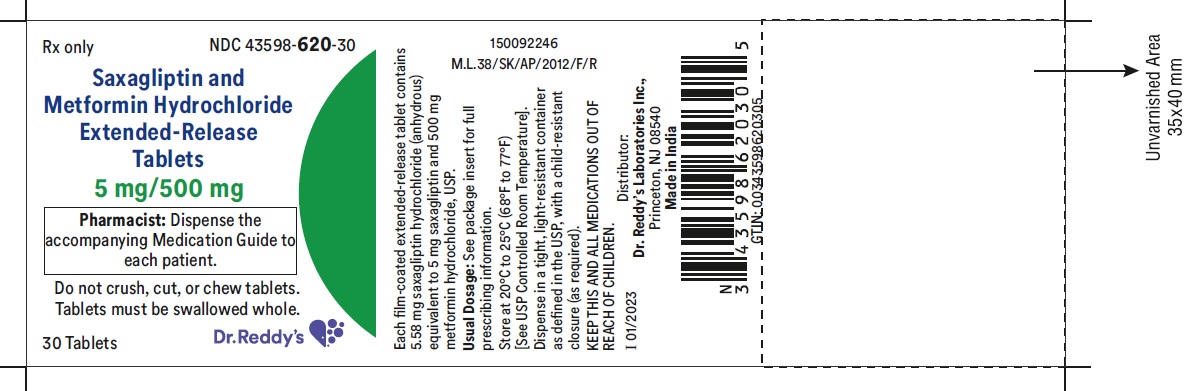
Active ingredient
Classification
Dipeptidyl peptidase 4 (DPP-4) inhibitorsDipeptidyl Peptidase 4 Inhibitor
Drug interactions
Saxagliptin has several clinically relevant drug interactions, particularly with strong CYP3A4/5 inhibitors and insulin or insulin secretagogues.
- majorstrong CYP3A4/5 inhibitors (e.g., ketoconazole, atazanavir, clarithromycin, indinavir, itraconazole, nefazodone, nelfinavir, ritonavir, saquinavir, telithromycin) — increased saxagliptin exposure
- moderateinsulin or insulin secretagogues (e.g., sulfonylurea) — increased risk of hypoglycemia
- moderatelithium — decreased serum lithium concentrations
Indications
INDICATIONS AND USAGE Saxagliptin tablets are a dipeptidyl peptidase-4 (DPP-4) inhibitor indicated as an adjunct to diet and exercise to improve glycemic control in adults with type 2 diabetes mellitus. ( 1.1 ) Limitations of use: • Not recommended for the treatment of type 1 diabetes mellitus or diabetic ketoacidosis. ( 1.2 ) 1.1 Monotherapy and Combination Therapy Saxagliptin tablets are indicated as an adjunct to diet and exercise to improve glycemic control in adults with type 2 diabetes mellitus [ see Clinical Studies (14) ]. 1.2 Limitations of Use Saxagliptin tablets are not recommended for the treatment of type 1 diabetes mellitus or diabetic ketoacidosis.
Dosage
DOSAGE AND ADMINISTRATION • Recommended dosage is 2.5 mg or 5 mg orally once daily taken regardless of meals. ( 2.1 ) • Patients with an eGFR < 45 mL/min/1.73 m 2 (moderate or severe renal impairment, or end-stage renal disease): Recommended dosage is 2.5 mg once daily regardless of meals. ( 2.2 ) • Assess renal function before starting saxagliptin tablets and periodically thereafter. ( 2.2 ) • Limit the dosage of saxagliptin tablets to 2.5 mg daily for patients also taking strong cytochrome P450 3A4/5 (CYP3A4/5) inhibitors (e.g., ketoconazole). ( 2.3 ) 2.1 Recommended Dosage The recommended dosage of saxagliptin tablets is 2.5 mg or 5 mg orally once daily taken regardless of meals. Do not cut, crush, or chew saxagliptin tablets. If a dose is missed, advise patients not to take an extra dose. Resume treatment with the next dose. 2.2 Dosage in Patients with Renal Impairment Assess renal function prior to initiation of saxagliptin tablets and then as clinically indicated [ see Use in Specific Populations (8.6) ]. The recommended dosage of saxagliptin tablets in patients with an eGFR greater than or equal to 45 mL/minute/1.73 m 2 is the same as the recommended dosage in patients with normal renal function [ see Dosage and Administration (2.1) ]. The dosage of saxagliptin tablets is 2.5 mg orally once daily for patients with eGFR < 45 mL/min/1.73 m 2 [which includes a subset of moderate or severe renal impairment, or with end-stage renal disease (ESRD) requiring hemodialysis] [ see Clinical Pharmacology (12.3) and Clinical Studies (14.2) ]. Saxagliptin tablets should be administered following hemodialysis. Saxagliptin tablets have not been studied in patients undergoing peritoneal dialysis. 2.3 Dosage Modification with Concomitant Use of Strong CYP3A4/5 Inhibitors The dosage of saxagliptin tablets is 2.5 mg orally once daily when used concomitantly with strong cytochrome P450 3A4/5 (CYP3A4/5) inhibitors (e.g., ketoconazole, atazanavir, clarithromycin, indinavir, itraconazole, nefazodone, nelfinavir, ritonavir, saquinavir, and telithromycin) [ see Drug Interactions (7.1) and Clinical Pharmacology (12.3) ].
Warnings
WARNINGS AND PRECAUTIONS • Pancreatitis: There have been postmarketing reports of acute pancreatitis. If pancreatitis is suspected, promptly discontinue saxagliptin tablets. ( 5.1 ) • Heart Failure: Consider the risks and benefits of saxagliptin tablets in patients who have known risk factors for heart failure. Monitor patients for signs and symptoms. ( 5.2 ) • Hypoglycemia with Concomitant Use of Insulin or Insulin Secretagogues: Consider a lower dosage of insulin or insulin secretagogue when used in combination with saxagliptin tablets. ( 5.3 ) • Hypersensitivity-Related Events: There have been postmarketing reports of serious hypersensitivity reactions such as anaphylaxis, angioedema, and exfoliative skin conditions. If hypersensitivity reactions occur, discontinue saxagliptin tablets, treat promptly, and monitor until signs and symptoms resolve. ( 5.4 ) • Arthralgia : Severe and disabling arthralgia has been reported in patients taking DPP-4 inhibitors. Consider as a possible cause for severe joint pain and discontinue drug if appropriate. ( 5.5 ) • Bullous Pemphigoid: There have been postmarketing reports of bullous pemphigoid requiring hospitalization in patients taking DPP-4 inhibitors. Tell patients to report development of blisters or erosions. If bullous pemphigoid is suspected, discontinue saxagliptin tablets. ( 5.6 ) 5.1 Pancreatitis There have been postmarketing reports of acute pancreatitis in patients taking saxagliptin tablets. In a cardiovascular outcomes trial enrolling participants with established atherosclerotic cardiovascular disease (ASCVD) or multiple risk factors for ASCVD (SAVOR trial), cases of definite acute pancreatitis were confirmed in 17 of 8240 (0.2%) patients receiving saxagliptin tablets compared to 9 of 8173 (0.1%) receiving placebo. Preexisting risk factors for pancreatitis were identified in 88% (15/17) of those patients receiving saxagliptin tablets and in 100% (9/9) of those patients receiving placebo. After initiation of saxagliptin tablets, observe patients for signs and symptoms of pancreatitis. If pancreatitis is suspected, promptly discontinue saxagliptin tablets and initiate appropriate management. It is unknown whether patients with a history of pancreatitis are at increased risk for the development of pancreatitis while using saxagliptin tablets. 5.2 Heart Failure In a cardiovascular outcomes trial enrolling participants with established ASCVD or multiple risk factors for ASCVD (SAVOR trial), more patients randomized to saxagliptin tablets (289/8280, 3.5%) were hospitalized for heart failure compared to patients randomized to placebo (228/8212, 2.8%). In a time-to-first-event analysis the risk of hospitalization for heart failure was higher in the saxagliptin tablets group (estimated Hazard Ratio: 1.27; 95% CI: 1.07, 1.51). Patients with a prior history of heart failure and patients with renal impairment had a higher risk for hospitalization for heart failure, irrespective of treatment assignment. Consider the risks and benefits of saxagliptin tablets prior to initiating treatment in patients at a higher risk for heart failure. Observe patients for signs and symptoms of heart failure during therapy. Advise patients of the characteristic symptoms of heart failure and to immediately report such symptoms. If heart failure develops, evaluate and manage according to current standards of care and consider discontinuation of saxagliptin tablets. 5.3 Hypoglycemia with Concomitant Use of Insulin or Insulin Secretagogues When saxagliptin tablets were used in combination with insulin or an insulin secretagogue, the incidence of confirmed hypoglycemia was increased over that of placebo used in combination with insulin or an insulin secretagogue [ see Adverse Reactions (6.1) ]. Therefore, a lower dosage of insulin or an insulin secretagogue may be required to reduce the risk of hypoglycemia when used in combination with saxagliptin tablets [ see Drug Interactions (7.2) ]. Inform patients using these concomitant medications of the risk of hypoglycemia and educate them on the signs and symptoms of hypoglycemia. 5.4 Hypersensitivity Reactions There have been postmarketing reports of serious hypersensitivity reactions in patients treated with saxagliptin tablets. These reactions include anaphylaxis, angioedema, and exfoliative skin conditions. Onset of these reactions occurred within the first 3 months after initiation of treatment with saxagliptin tablets, with some reports occurring after the first dose. If a serious hypersensitivity reaction is suspected, discontinue saxagliptin tablets, assess for other potential causes for the event, and institute alternative treatment for diabetes [ see Adverse Reactions (6.2) ]. Use caution in a patient with a history of angioedema to another dipeptidyl peptidase-4 (DPP-4) inhibitor because it is unknown whether such patients will be predisposed to angioedema with saxagliptin tablets. 5.5 Severe and Disabling Arthralgia There have been postmarketing reports of severe and disabling arthralgia in patients taking DPP-4 inhibitors. The time to onset of symptoms following initiation of drug therapy varied from one day to years. Patients experienced relief of symptoms upon discontinuation of the medication. A subset of patients experienced a recurrence of symptoms when restarting the same drug or a different DPP-4 inhibitor. Consider DPP-4 inhibitors as a possible cause for severe joint pain and discontinue drug if appropriate. 5.6 Bullous Pemphigoid Postmarketing cases of bullous pemphigoid requiring hospitalization have been reported with DPP-4 inhibitor use. In reported cases, patients typically recovered with topical or systemic immunosuppressive treatment and discontinuation of the DPP-4 inhibitor. Tell patients to report development of blisters or erosions while receiving saxagliptin tablets. If bullous pemphigoid is suspected, saxagliptin tablets should be discontinued and referral to a dermatologist should be considered for diagnosis and appropriate treatment.
Contraindications
CONTRAINDICATIONS Saxagliptin tablets are contraindicated in patients with a history of a serious hypersensitivity reaction to saxagliptin or any of the ingredients in saxagliptin tablets. Reactions such as anaphylaxis, angioedema, or exfoliative skin conditions have been reported with saxagliptin tablets [ see Warnings and Precautions (5.4) and Adverse Reactions (6.2) ]. • History of a serious hypersensitivity reaction (e.g., anaphylaxis, angioedema, exfoliative skin conditions) to saxagliptin or any of the ingredients in saxagliptin tablets. ( 4 )
Mechanism of action
Mechanism of Action Increased concentrations of the incretin hormones such as glucagon-like peptide-1 (GLP-1) and glucose-dependent insulinotropic polypeptide (GIP) are released into the bloodstream from the small intestine in response to meals. These hormones cause insulin release from the pancreatic beta cells in a glucose-dependent manner but are inactivated by the DPP-4 enzyme within minutes. GLP-1 also lowers glucagon secretion from pancreatic alpha cells, reducing hepatic glucose production. In patients with type 2 diabetes mellitus, concentrations of GLP-1 are reduced but the insulin response to GLP-1 is preserved. Saxagliptin is a competitive DPP-4 inhibitor that slows the inactivation of the incretin hormones, thereby increasing their bloodstream concentrations and reducing fasting and postprandial glucose concentrations in a glucose-dependent manner in patients with type 2 diabetes mellitus.
Indicated ICD-10 codes
Source: RxNorm + openFDA + RxClass + FAERS · 2026
Look up another medication