insulin lispro 100 UNT/ML Injectable Solution
Managing this medication for someone you care for? Eleplan keeps diagnoses, medications and appointments in one plan.
Start free with EleplanClinical drug
insulin lispro 100 UNT/ML Injectable Solution
100 UNT/ML · Injectable Solution · injection
A form of insulin lispro →
insulin lispro 100 UNT/ML Injectable Solution — Insulins and analogues for injection, fast-acting. INDICATIONS AND USAGE HUMALOG Mix50/50 is indicated to improve glycemic control in adults with diabetes mellitus. HUMALOG ® Mix50/50™ is a mixture…
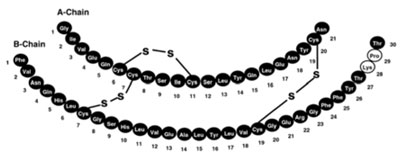
Active ingredient
Classification
Insulins and analogues for injection, fast-actingInsulin Analog
Drug interactions
ADMELOG has several clinically significant drug interactions that may affect blood glucose levels.
- majorantidiabetic agents — may increase the risk of hypoglycemia
- majorACE inhibitors — may increase the risk of hypoglycemia
- majorangiotensin II receptor blocking agents — may increase the risk of hypoglycemia
- majordisopyramide — may increase the risk of hypoglycemia
- majorfibrates — may increase the risk of hypoglycemia
- majorfluoxetine — may increase the risk of hypoglycemia
- majormonoamine oxidase inhibitors — may increase the risk of hypoglycemia
- majorpentoxifylline — may increase the risk of hypoglycemia
- majorpramlintide — may increase the risk of hypoglycemia
- majorsalicylates — may increase the risk of hypoglycemia
- majorsomatostatin analogs (e.g., octreotide) — may increase the risk of hypoglycemia
- majorsulfonamide antibiotics — may increase the risk of hypoglycemia
- majoratypical antipsychotics (e.g., olanzapine and clozapine) — may decrease the blood glucose lowering effect of ADMELOG
- majorcorticosteroids — may decrease the blood glucose lowering effect of ADMELOG
- majordanazol — may decrease the blood glucose lowering effect of ADMELOG
- majordiuretics — may decrease the blood glucose lowering effect of ADMELOG
- majorestrogens — may decrease the blood glucose lowering effect of ADMELOG
- majorglucagon — may decrease the blood glucose lowering effect of ADMELOG
- majorisoniazid — may decrease the blood glucose lowering effect of ADMELOG
- majorniacin — may decrease the blood glucose lowering effect of ADMELOG
- majororal contraceptives — may decrease the blood glucose lowering effect of ADMELOG
- majorphenothiazines — may decrease the blood glucose lowering effect of ADMELOG
- majorprogestogens (e.g., in oral contraceptives) — may decrease the blood glucose lowering effect of ADMELOG
- majorprotease inhibitors — may decrease the blood glucose lowering effect of ADMELOG
- majorsomatropin — may decrease the blood glucose lowering effect of ADMELOG
- majorsympathomimetic agents (e.g., albuterol, epinephrine, terbutaline) — may decrease the blood glucose lowering effect of ADMELOG
- majorthyroid hormones — may decrease the blood glucose lowering effect of ADMELOG
- moderatealcohol — may increase or decrease the blood glucose lowering effect of ADMELOG
- moderatebeta-blockers — may increase or decrease the blood glucose lowering effect of ADMELOG and may blunt signs and symptoms of hypoglycemia
- moderateclonidine — may increase or decrease the blood glucose lowering effect of ADMELOG and may blunt signs and symptoms of hypoglycemia
- moderatelithium salts — may increase or decrease the blood glucose lowering effect of ADMELOG
- unknownpentamidine — may cause hypoglycemia, which may sometimes be followed by hyperglycemia
- unknownguanethidine — may blunt signs and symptoms of hypoglycemia
- unknownreserpine — may blunt signs and symptoms of hypoglycemia
Real-world adverse events (FAERS)
Blood Glucose Increased38,971Incorrect Dose Administered9,346Blood Glucose Decreased8,902Drug Ineffective8,311Visual Impairment5,539Nausea4,933Malaise4,013Hypoglycaemia3,858
Indications
INDICATIONS AND USAGE HUMALOG Mix50/50 is indicated to improve glycemic control in adults with diabetes mellitus. HUMALOG ® Mix50/50™ is a mixture of insulin lispro protamine, an intermediate-acting human insulin analog, and insulin lispro, a rapid-acting human insulin analog, indicated to improve glycemic control in adults with diabetes mellitus. ( 1 ) Limitations of Use: The proportions of rapid-acting and intermediate-acting insulins are fixed and do not allow for basal versus prandial dose adjustments. ( 1 ) Limitations of Use The proportions of rapid-acting and intermediate-acting insulins in HUMALOG Mix50/50 are fixed and do not allow for basal versus prandial dose adjustments.
Dosage
DOSAGE AND ADMINISTRATION See Full Prescribing Information for important administration instructions. ( 2.1 , 2.2 , 2.3 , 2.4 ) Subcutaneous injection ( 2.2 ): Administer HUMALOG ® U-100 or U-200 by subcutaneous injection into the abdominal wall, thigh, upper arm, or buttocks within 15 minutes before a meal or immediately after a meal. Rotate injection sites to reduce risk of lipodystrophy and localized cutaneous amyloidosis. Continuous subcutaneous infusion (Insulin Pump) ( 2.2 ): Refer to the insulin infusion pump user manual to see if HUMALOG can be used. Use in accordance with the insulin pump instructions for use. Administer HUMALOG U-100 by continuous subcutaneous infusion using an insulin pump in a region recommended in the instructions from the pump manufacturer. Rotate infusion sites to reduce risk of lipodystrophy and localized cutaneous amyloidosis. DO NOT administer HUMALOG U-200 by continuous subcutaneous infusion. Intravenous Infusion ( 2.2 ): Administer HUMALOG U-100 by intravenous infusion ONLY after dilution and under medical supervision. DO NOT administer HUMALOG U-200 by intravenous infusion. The dosage of HUMALOG must be individualized based on the route of administration and the individual's metabolic needs, blood glucose monitoring results and glycemic control goal. ( 2.3 ) Do not perform dose conversion when using the HUMALOG U-100 or U-200 prefilled pens. The dose window shows the number of insulin units to be delivered and no conversion is needed. ( 2.1 , 2.3 ) Do not mix HUMALOG U-200 with any other insulin. ( 2.4 ) 2.1 Important Administration Instructions Always check insulin labels before administration [see Warnings and Precautions ( 5.4 )] . Inspect HUMALOG visually before use. It should appear clear and colorless. Do not use HUMALOG if particulate matter or coloration is seen. Use HUMALOG prefilled pens with caution in patients with visual impairment that may rely on audible clicks to dial their dose. Do NOT mix HUMALOG U-100 with other insulins when using a continuous subcutaneous infusion pump. Do NOT transfer HUMALOG U-200 from the prefilled pen to a syringe for administration [see Warnings and Precautions ( 5.4 )] . Do NOT perform dose conversion when using any HUMALOG U-100 or U-200 prefilled pens. The dose window shows the number of insulin units to be delivered and no conversion is needed. 2.2 Administration Instructions for the Approved Routes of Administration Subcutaneous Injection: HUMALOG U-100 or U-200 Administer the dose of HUMALOG U-100 or HUMALOG U-200 within fifteen minutes before a meal or immediately after a meal by injection into the subcutaneous tissue of the abdominal wall, thigh, upper arm, or buttocks. Rotate the injection site within the same region from one injection to the next (abdominal wall, thigh, upper arm, or buttocks) to reduce the risk of lipodystrophy and localized cutaneous amyloidosis. Do not inject into areas of lipodystrophy or localized cutaneous amyloidosis [see Warnings and Precautions ( 5.2 ) and Adverse Reactions ( 6 )] . During changes to a patient's insulin regimen, increase the frequency of blood glucose monitoring [see Warnings and Precautions ( 5.2 )] . HUMALOG administered by subcutaneous injection should generally be used in regimens with an intermediate- or long-acting insulin. The HUMALOG U-100 KwikPen, HUMALOG U-100 Tempo Pen and HUMALOG U-200 KwikPen each dial in 1 unit increments and delivers a maximum dose of 60 units per injection. The HUMALOG U-100 Junior KwikPen dials in 0.5 unit increments and delivers a maximum dose of 30 units per injection. Subcutaneous Injection: Diluted HUMALOG U-100 HUMALOG U-100 may be diluted with Sterile Diluent for HUMALOG for subcutaneous injection ONLY under medical supervision. Dilute one part HUMALOG U-100 to: Nine parts diluent to yield a concentration one-tenth that of HUMALOG U-100 (equivalent to U-10). One part diluent to yield a concentration one-half that of HUMALOG U-100 (equivalent to U-50). Diluted HUMALOG for subcutaneous injection may be stored for 28 days when refrigerated at 41°F (5°C) and for 14 days at room temperature up to 80°F (30°C). Continuous Subcutaneous Infusion (Insulin Pump): HUMALOG U-100 ONLY Do NOT administer HUMALOG U-200 using a continuous subcutaneous infusion pump. Refer to the continuous subcutaneous insulin infusion pump user manual to see if HUMALOG can be used with the insulin pump. Use HUMALOG in accordance with the insulin pump system's instructions for use. Administer HUMALOG U-100 by continuous subcutaneous infusion in a region recommended in the instructions from the pump manufacturer. Rotate infusion sites within the same region to reduce the risk of lipodystrophy and localized cutaneous amyloidosis. Do not inject into areas of lipodystrophy or localized cutaneous amyloidosis [see Warnings and Precautions ( 5.2 ) and Adverse Reactions ( 6 )] . Train patients using continuous subcutaneous insulin infusion therapy to administer insulin by injection and have alternate insulin therapy available in case of insulin pump failure [see Warnings and Precautions ( 5.8 )]. During changes to a patient's insulin regimen, increase the frequency of blood glucose monitoring [see Warnings and Precautions ( 5.2 )] . Change HUMALOG U-100 in the pump reservoir at least every 7 days or according to the pump user manual, whichever is shorter. Change the infusion set and the infusion set insertion site according to the manufacturer's user manual. Do NOT dilute or mix HUMALOG U-100 when administering by continuous subcutaneous infusion. Do NOT expose HUMALOG U-100 in the pump reservoir to temperatures greater than 98.6°F (37°C). Intravenous Administration: HUMALOG U-100 ONLY Do NOT administer HUMALOG U-200 intravenously. Administer HUMALOG U-100 intravenously ONLY under medical supervision with close monitoring of blood glucose and potassium levels to avoid hypoglycemia and hypokalemia [see Warnings and Precautions ( 5.3 , 5.6 )] . Dilute HUMALOG U-100 to concentrations from 0.1 unit/mL to 1.0 unit/mL using 0.9% Sodium Chloride Injection, USP. Infusion bags prepared with HUMALOG U-100 are stable when stored in a refrigerator (2° to 8°C [36° to 46°F]) for 48 hours and then may be used at room temperature for up to an additional 48 hours. 2.3 Dosage Recommendations Individualize and adjust the dosage of HUMALOG based on route of administration, the individual's metabolic needs, blood glucose monitoring results and glycemic control goal. When switching from another insulin to HUMALOG, a different dosage of HUMALOG may be needed [see Warnings and Precautions ( 5.2 )] . Dosage modifications may be needed with changes in physical activity, changes in meal patterns (i.e., macronutrient content or timing of food intake), changes in renal or hepatic function or during acute illness [see Warnings and Precautions ( 5.2 , 5.3 ) and Use in Specific Populations ( 8.6 , 8.7 )] . Do NOT perform dose conversion when using any HUMALOG U-100 or U-200 prefilled pens. The dose window shows the number of insulin units to be delivered and no conversion is needed. 2.4 Dosage Modifications for Drug Interactions Dosage modification may be needed when HUMALOG is used concomitantly with certain drugs [see Drug Interactions ( 7 )] . 2.5 Instructions for Mixing with Other Insulins The table below includes administration instructions regarding mixing HUMALOG U-100 and HUMALOG U-200 with other insulins. HUMALOG U-100 subcutaneous injection route HUMALOG U-100 may be mixed with NPH insulin preparations ONLY . If HUMALOG U-100 is mixed with NPH insulin, HUMALOG U-100 should be drawn into the syringe first. Injection should occur immediately after mixing. HUMALOG U-100 continuous subcutaneous infusion route (Insulin Pump) Do NOT mix HUMALOG U-100 with any other insulin. HUMALOG U-200 subcutaneous injection route Do NOT mix with any other insulin.
Warnings
WARNINGS AND PRECAUTIONS Never share a HUMALOG prefilled pen, cartridge, reusable pen compatible with Lilly 3 mL cartridges, or syringe between patients, even if the needle is changed. ( 5.1 ) Hyperglycemia or Hypoglycemia with Changes in Insulin Regimen: Make changes to a patient's insulin regimen (e.g., insulin strength, manufacturer, type, injection site or method of administration) under close medical supervision with increased frequency of blood glucose monitoring. ( 5.2 ) Hypoglycemia: May be life-threatening. Monitor blood glucose and increase monitoring frequency with changes to insulin dosage, use of glucose lowering medications, meal pattern, physical activity; in patients with renal or hepatic impairment; and in patients with hypoglycemia unawareness. ( 5.3 , 7 , 8.6 , 8.7 ) Hypoglycemia Due to Medication Errors: Accidental mix-ups between insulin products can occur. Instruct patients to check insulin labels before injection. Do not transfer HUMALOG U-200 from the HUMALOG KwikPen to a syringe as overdosage and severe hypoglycemia can result. ( 5.4 ) Hypersensitivity Reactions: May be life-threatening. Discontinue HUMALOG, monitor and treat if indicated. ( 5.5 ) Hypokalemia: May be life-threatening. Monitor potassium levels in patients at risk of hypokalemia and treat if indicated. ( 5.6 ) Fluid Retention and Heart Failure with Concomitant Use of Thiazolidinediones (TZDs): Observe for signs and symptoms of heart failure; consider dosage reduction or discontinuation if heart failure occurs. ( 5.7 ) Hyperglycemia and Ketoacidosis Due to Insulin Pump Device Malfunction: Monitor glucose and administer HUMALOG U-100 by subcutaneous injection if pump malfunction occurs. ( 5.8 ) 5.1 Never Share a HUMALOG Prefilled Pen, Cartridge, Reusable Pen Compatible with Lilly 3 mL Cartridges 1 , or Syringe Between Patients HUMALOG prefilled pens, cartridges, and reusable pens compatible with Lilly 3 mL cartridges must never be shared between patients, even if the needle is changed. Patients using HUMALOG vials must never share needles or syringes with another person. Sharing poses a risk for transmission of blood-borne pathogens. 5.2 Hyperglycemia or Hypoglycemia with Changes in Insulin Regimen Changes in an insulin regimen (e.g., insulin strength, manufacturer, type, injection site or method of administration) may affect glycemic control and predispose to hypoglycemia [see Warnings and Precautions ( 5.3 )] or hyperglycemia. Repeated insulin injections into areas of lipodystrophy or localized cutaneous amyloidosis have been reported to result in hyperglycemia; and a sudden change in the injection site (to an unaffected area) has been reported to result in hypoglycemia [see Adverse Reactions ( 6 )] . Make any changes to a patient's insulin regimen under close medical supervision with increased frequency of blood glucose monitoring. Advise patients who have repeatedly injected into areas of lipodystrophy or localized cutaneous amyloidosis to change the injection site to unaffected areas and closely monitor for hypoglycemia. For patients with type 2 diabetes, dosage adjustments of concomitant antidiabetic products may be needed. 5.3 Hypoglycemia Hypoglycemia is the most common adverse reaction associated with insulins, including HUMALOG. Severe hypoglycemia can cause seizures, may be life-threatening, or cause death. Hypoglycemia can impair concentration ability and reaction time; this may place an individual and others at risk in situations where these abilities are important (e.g., driving or operating other machinery). Hypoglycemia can happen suddenly, and symptoms may differ in each individual and change over time in the same individual. Symptomatic awareness of hypoglycemia may be less pronounced in patients with longstanding diabetes, in patients with diabetic nerve disease, in patients using medications that block the sympathetic nervous system (e.g., beta-blockers) [see Drug Interactions ( 7 )] , or in patients who experience recurrent hypoglycemia. Risk Factors for Hypoglycemia The risk of hypoglycemia after an injection is related to the duration of action of the insulin and, in general, is highest when the glucose lowering effect of the insulin is maximal. As with all insulins, the glucose lowering effect time course of HUMALOG may vary in different individuals or at different times in the same individual and depends on many conditions, including the area of injection as well as the injection site blood supply and temperature [see Clinical Pharmacology ( 12.2 )] . Other factors which may increase the risk of hypoglycemia include changes in meal pattern (e.g., macronutrient content or timing of meals), changes in level of physical activity, or changes to co-administered medication [see Drug Interactions ( 7 )] . Patients with renal or hepatic impairment may be at higher risk of hypoglycemia [see Use in Specific Populations ( 8.6 , 8.7 )] . Risk Mitigation Strategies for Hypoglycemia Patients and caregivers must be educated to recognize and manage hypoglycemia. Self-monitoring of blood glucose plays an essential role in the prevention and management of hypoglycemia. In patients at higher risk for hypoglycemia and patients who have reduced symptomatic awareness of hypoglycemia, increased frequency of blood glucose monitoring is recommended. 5.4 Hypoglycemia Due to Medication Errors Accidental mix-ups between insulin products have been reported. To avoid medication errors between HUMALOG and other insulins, instruct patients to always check the insulin label before each injection. Do not transfer HUMALOG U-200 from the HUMALOG KwikPen to a syringe. The markings on the insulin syringe will not measure the dose correctly and can result in overdosage and severe hypoglycemia [see Dosage and Administration ( 2.1 ) and Warnings and Precautions ( 5.3 )] . 5.5 Hypersensitivity Reactions Severe, life-threatening, generalized allergy, including anaphylaxis, can occur with insulins, including HUMALOG. If hypersensitivity reactions occur, discontinue HUMALOG; treat per standard of care and monitor until symptoms and signs resolve [see Adverse Reactions ( 6.1 )] . HUMALOG is contraindicated in patients who have had hypersensitivity reactions to insulin lispro or any of the excipients in HUMALOG [see Contraindications ( 4 )] . 5.6 Hypokalemia All insulins, including HUMALOG, cause a shift in potassium from the extracellular to intracellular space, possibly leading to hypokalemia. Untreated hypokalemia may cause respiratory paralysis, ventricular arrhythmia, and death. Monitor potassium levels in patients at risk for hypokalemia if indicated (e.g., patients using potassium-lowering medications, patients taking medications sensitive to serum potassium concentrations). 5.7 Fluid Retention and Heart Failure with Concomitant Use of PPAR-gamma Agonists Thiazolidinediones (TZDs), which are peroxisome proliferator-activated receptor (PPAR)-gamma agonists, can cause dose-related fluid retention, particularly when used in combination with insulin. Fluid retention may lead to or exacerbate heart failure. Patients treated with insulin, including HUMALOG, and a PPAR-gamma agonist should be observed for signs and symptoms of heart failure. If heart failure develops, it should be managed according to current standards of care, and discontinuation or dose reduction of the PPAR-gamma agonist must be considered. 5.8 Hyperglycemia and Ketoacidosis Due to Insulin Pump Device Malfunction Malfunction of the insulin pump or insulin infusion set or insulin degradation can rapidly lead to hyperglycemia and ketoacidosis. Prompt identification and correction of the cause of hyperglycemia or ketosis is necessary. Interim subcutaneous injections with HUMALOG may be required. Patients using continuous subcutaneous insulin infusion pump therapy must be trained to administer insulin by injection and have alternate insulin therapy available in case of pump failure [see How Supplied/Storage and Handl
Contraindications
CONTRAINDICATIONS Insulin Lispro is contraindicated: during episodes of hypoglycemia [see Warnings and Precautions ( 5.3 )] . in patients who are hypersensitive to Insulin Lispro or to any of the excipients in Insulin Lispro [see Warnings and Precautions ( 5.5 )] . Do not use during episodes of hypoglycemia. ( 4 ) Do not use in patients with hypersensitivity to Insulin Lispro or any of the excipients in Insulin Lispro. ( 4 )
Mechanism of action
Mechanism of Action The primary activity of LYUMJEV is the regulation of glucose metabolism. Insulins, including insulin lispro-aabc, exert their specific action through binding to insulin receptors. Receptor-bound insulin lowers glucose by stimulating peripheral glucose uptake by skeletal muscle and fat, and by inhibiting hepatic glucose production. Insulins inhibit lipolysis and proteolysis, and enhance protein synthesis.
Indicated ICD-10 codes
Source: RxNorm + openFDA + RxClass + FAERS · 2026
Look up another medication