acetic acid 0.0092 MG/MG Vaginal Gel
Managing this medication for someone you care for? Eleplan keeps diagnoses, medications and appointments in one plan.
Start free with EleplanClinical drug
acetic acid 0.0092 MG/MG Vaginal Gel
0.0092 MG/MG · Vaginal Gel · vaginal
A form of acetic acid →
acetic acid 0.0092 MG/MG Vaginal Gel — Organic acids. INDICATIONS AND USAGE 0.25% Acetic Acid Irrigation, USP, is indicated as a constant or intermittent bladder rinse to help prevent the growth and…
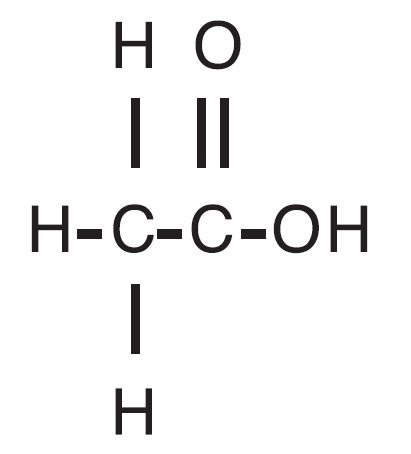
Active ingredient
Classification
Organic acids
Real-world adverse events (FAERS)
Nausea37Diarrhoea29Toxicity to Various Agents28Pain26Cough24Dyspnoea24Drug Ineffective22Arthralgia21
Indications
INDICATIONS AND USAGE 0.25% Acetic Acid Irrigation, USP, is indicated as a constant or intermittent bladder rinse to help prevent the growth and proliferation of susceptible urinary pathogens (especially ammonia forming bacteria) in the management of patients who require prolonged placement of an indwelling urethral catheter. It also may be used for periodic irrigation of an indwelling catheter to help maintain patency by reducing the formation of calcium encrustations.
Dosage
DOSAGE AND ADMINISTRATION Carefully remove all cerumen and debris to allow acetic acid otic solution to contact infected surfaces directly. To promote continuous contact, insert a wick of cotton saturated with acetic acid otic solution into the ear canal; the wick may also be saturated after insertion. Instruct the patient to keep the wick in for at least 24 hours and to keep it moist by adding 3 drops to 5 drops of acetic acid otic solution every 4 hours to 6 hours. The wick may be removed after 24 hours but the patient should continue to instill 5 drops of acetic acid otic solution 3 times or 4 times daily thereafter, for as long as indicated. In pediatric patients, 3 drops to 4 drops may be sufficient due to the smaller capacity of the ear canal.
Warnings
WARNINGS Not for injection. Use of this solution in patients with mucosal lesions of the urinary bladder may be harmful due to irritation of the lesion. Absorption via open lesions of the bladder mucosa may result in systemic acidosis. The contents of an opened container should be used promptly to minimize the possibility of bacterial growth or pyrogen formation. Discard the unused portion of irrigating solution since no antimicrobial agent has been added.
Contraindications
CONTRAINDICATIONS Hypersensitivity to acetic acid otic solution or any of the ingredients. Perforated tympanic membrane is considered a contraindication to the use of any medication in the external ear canal.
Mechanism of action
CLINICAL PHARMACOLOGY Acetic acid is anti-bacterial and anti-fungal; propylene glycol is hydrophilic and provides a low surface tension; benzethonium chloride is a surface active agent that promotes contact of the solution with tissues.
Indicated ICD-10 codes
Source: RxNorm + openFDA + RxClass + FAERS · 2026
Look up another medication