Phenobarbital Oral
Managing this medication for someone you care for? Eleplan keeps diagnoses, medications and appointments in one plan.
Start free with EleplanMedication reference
Phenobarbital Oral
ORAL
Phenobarbital Oral. INDICATIONS USAGE A. Sedative B. Anticonvulsant - For the treatment of generalized and partial seizures.
Brand names
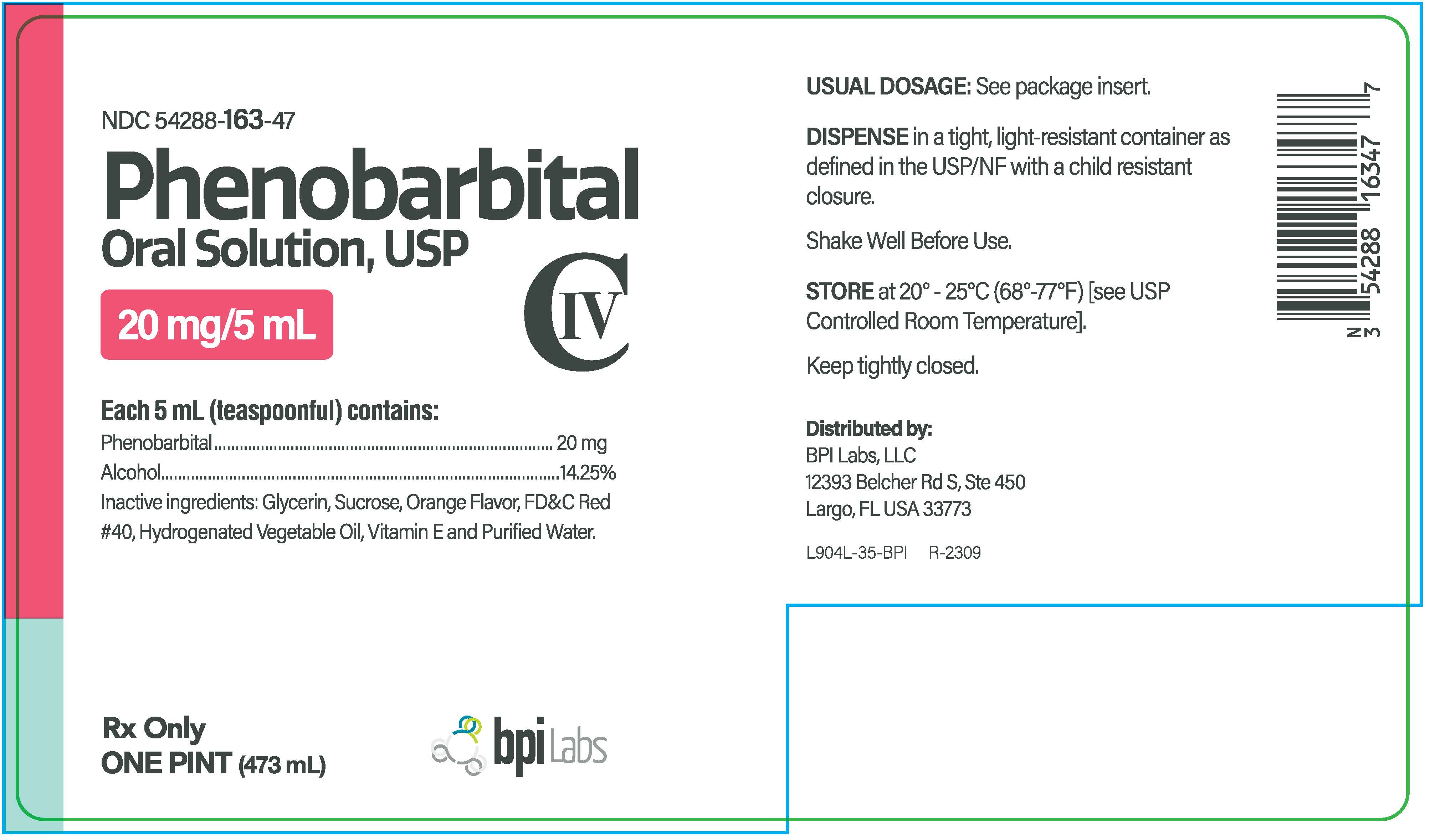
Phenobarbital Oral Solution
Active ingredients
PHENOBARBITAL
Indications
INDICATIONS USAGE A. Sedative B. Anticonvulsant - For the treatment of generalized and partial seizures.
Dosage
DOSAGE & ADMINISTRATION The dose of phenobarbital must be individualized with full knowledge of its particular characteristics. Factors of consideration are the patient’s age, weight, and condition. Sedation For sedation, the drug may be administered in single doses of 30 mg to 120 mg repeated at intervals; frequency will be determined by the patient’s response. It is generally considered that no more than 400 mg of phenobarbital should be administered during a 24-hour period. Adults: Daytime Sedation: 30 mg to 120 mg daily in 2 to 3 divided doses. Oral Hypnotic: 100 mg to 200 mg. Anticonvulsant Use Clinical laboratories reference values should be used to determine the therapeutic anticonvulsant level of phenobarbital in the serum. To achieve the blood levels considered therapeutic in pediatric patients, higher per-kilogram dosages are generally necessary for phenobarbital and most other anticonvulsants. In pediatric patients and infants, phenobarbital at a loading dose of 15 mg to 20 mg/kg produces blood levels of about 20 mcg/mL shortly after administration. Phenobarbital has been used in the treatment and prophylaxis of febrile seizures. However, it has not been established that prevention of febrile seizures influences the subsequent development of epilepsy. Adults: 60 mg to 200 mg/day. Pediatric Patients: 3 mg to 6 mg/kg/day. Special Patient Population Dosage should be reduced in the elderly or debilitated because these patients may be more sensitive to barbiturates. Dosage should be reduced for patients with impaired renal function or hepatic disease.
Warnings
WARNINGS 1. Habit Forming Phenobarbital may be habit forming. Tolerance and psychological and physical dependence may occur with continued use (see DRUG ABUSE AND DEPENDENCE and Pharmacokinetics under CLINICAL PHARMACOLOGY ). Patients who have psychologic dependence on barbiturates may increase the dosage or decrease the dosage interval without consulting a physician and may subsequently develop a physical dependence on barbiturates. In order to minimize the possibility of overdosage or the development of dependence, the prescribing and dispensing of sedative-hypnotic barbiturates should be limited to the amount required for the interval until the next appointment. Abrupt cessation after prolonged use in a person who is dependent on the drug may result in withdrawal symptoms, including delirium, convulsions, and possibly death. Barbiturates should be withdrawn gradually from any patient known to be taking excessive doses over long periods of time (see DRUG ABUSE AND DEPENDENCE ). 2. Acute or Chronic Pain Caution should be exercised when barbiturates are administered to patients with acute or chronic pain, because paradoxical excitement could be induced or important symptoms could be masked. However, the use of barbiturates as sedatives in the postoperative surgical period and as adjuncts to cancer chemotherapy is well established. 3. Usage in Pregnancy Barbiturates can cause fetal damage when administered to a pregnant woman. Retrospective, case-controlled studies have suggested a connection between the maternal consumption of barbiturates and a higher than expected incidence of fetal abnormalities. Barbiturates readily cross the placental barrier and are distributed throughout fetal tissues; the highest concentrations are found in the placenta, fetal liver, and brain. Fetal blood levels approach maternal blood levels following parenteral administration. Withdrawal symptoms occur in infants born to women who receive barbiturates throughout the last trimester of pregnancy (see DRUG ABUSE AND DEPENDENCE ). If Phenobarbital is used during pregnancy or if the patient becomes pregnant while taking this drug, the patient should be apprised of the potential hazard to the fetus. 4. Usage in Children Phenobarbital has been reported to be associated with cognitive deficits in children taking it for complicated febrile seizures. 5. Synergistic Effects The concomitant use of alcohol or other CNS depressants may produce additive CNS depressant effects.
Contraindications
CONTRAINDICATIONS Phenobarbital is contraindicated in patients who are hypersensitive to barbiturates, in patients with a history of manifest or latent porphyria, and in patients with marked impairment of liver function or respiratory disease in which dyspnea or obstruction is evident.
Adverse reactions
ADVERSE REACTIONS The following adverse reactions have been reported: CNS Depression - Residual sedation or “hangover”, drowsiness, lethargy, and vertigo. Emotional disturbances and phobias may be accentuated. In some persons, barbiturates such as phenobarbital repeatedly produce excitement rather than depression, and the patient may appear to be inebriated. Irritability and hyperactivity can occur in children. Like other nonanalgesic hypnotic drugs, barbiturates such as phenobarbital, when given in the presence of pain, may cause restlessness, excitement, and even delirium. Rarely, the use of barbiturates results in the localized or diffuse myalgic, neuralgic, or arthritic pain, especially in psychoneurotic patients with insomnia. The pain may appear in paroxysms, is most intense in the early morning hours, and is most frequently located in the region of the neck, shoulder girdle, and upper limbs. Symptoms may last for days after the drug is discontinued. Respiratory/Circulatory - Respiratory depression, apnea, circulatory collapse. Allergic - Acquired hypersensitivity to barbiturates consists chiefly in allergic reactions that occur especially in persons who tend to have asthma, urticaria, angioedema, and similar conditions. Hypersensitivity reactions in this category include localized swelling, particularly of the eyelids, cheeks or lips, and erythematous dermatitis. Rarely exfoliative dermatitis (eg., Stevens-Johnson syndrome and toxic epidermal necrolysis) may be caused by phenobarbital and can prove fatal. The skin eruption may be associated with fever, delirium, and marked degenerative changes in the liver and other parenchymatous organs. In a few cases, megaloblastic anemia has been associated with the chronic use of phenobarbital. Other - Nausea and vomiting; headache, osteomalacia. The following adverse reactions and their incidence were compiled from surveillance of thousands of hospitalized patients who received barbiturates. Because such patients may be less aware of the milder adverse effects of barbiturates, the incidence of these reactions may be somewhat higher in fully ambulatory patients. More than 1 in 100 Patients The most common adverse reaction, estimated to occur at a rate of 1 to 3 patients per 100, is: Nervous System: Somnolence Less than 1 in 100 Patients Adverse reactions estimated to occur at a rate of less than 1 in 100 patients are listed below, grouped by organ system and by decreasing order of occurrence: Nervous System : Agitation, confusion, hyperkinesia, ataxia, CNS depression, nightmares, nervousness, psychiatric disturbances, hallucinations, insomnia, anxiety, dizziness, abnormality in thinking. Respiratory System : Hypoventilation, apnea Cardiovascular System : Bradycardia, hypotension, syncope Digestive System : Nausea, vomiting, constipation Other Reported Reactions : Headache, injection site reactions, hypersensitivity reactions (angioedema, skin rashes, exfoliative dermatitis), fever, liver damage, megaloblastic anemia following chronic phenobarbital use. To report SUSPECTED ADVERSE REACTIONS, contact Pharmaceutical Associates, Inc. at 1-800-845-8210 or FDA at 1-800-FDA-1088 or www.fda.gov/wedwatch.
Mechanism of action
CLINICAL PHARMACOLOGY Barbiturates are capable of producing all levels of CNS mood alteration, from excitation to mild sedation, hypnosis, and deep coma. Overdosage can produce death. In high enough therapeutic doses, barbiturates induce anesthesia. Barbiturates depress the sensory cortex, decrease motor activity, alter cerebellar function, and produce drowsiness, sedation, and hypnosis. Barbiturate-induced sleep differs from physiologic sleep. Sleep laboratory studies have demonstrated that barbiturates reduce the amount of time spent in the rapid eye movement (REM) phase of sleep or the dreaming stage. Also, Stages III and IV sleep are decreased. Following abrupt cessation of barbiturates used regularly, patients may experience markedly increased dreaming, nightmares, and/or insomnia. Therefore, withdrawal of a single therapeutic dose over 5 or 6 days has been recommended to lessen the REM rebound and disturbed sleep that contribute to the drug withdrawal syndrome (for example, the dose should be decreased from 3 to 2 doses/day for 1 week). In studies, secobarbital sodium and pentobarbital sodium have been found to lose most of their effectiveness for both inducing and maintaining sleep by the end of 2 weeks of continued drug administration even with the use of multiple doses. As with secobarbital sodium and pentobarbital sodium, other barbiturates (including amobarbital) might be expected to lose their effectiveness for inducing and maintaining sleep after about 2 weeks. The short-, intermediate-, and to a lesser degree, long-acting barbiturates have been widely prescribed for treating insomnia. Although the clinical literature abounds with claims that the short-acting barbiturates are superior for producing sleep whereas the intermediate-acting compounds are more effective in maintaining sleep, controlled studies have failed to demonstrate these differential effects. Therefore, as sleep medications, the barbiturates are of limited value beyond short-term use. Barbiturates have little analgesic action at subanesthetic doses. Rather, in subanesthetic doses, these drugs may increase the reaction to painful stimuli. All barbiturates exhibit anticonvulsant activity in anesthetic doses. However, of the drugs in this class, only phenobarbital, mephobarbital, and metharbital are effective as oral anticonvulsants in subhypnotic doses. Barbiturates are respiratory depressants, and the degree of respiratory depression is dependent upon the dose. With hypnotic doses, respiratory depression produced by barbiturates is similar to that which occurs during physiologic sleep and is accompanied by a slight decrease in blood pressure and heart rate. Studies in laboratory animals have shown that barbiturates cause reductions in the tone and contractility of the uterus, ureters, and urinary bladder. However, concentrations of the drugs required to produce this effect in humans are not reached with sedative-hypnotic doses. Barbiturates do not impair the normal hepatic function but have been shown to induce liver microsomal enzymes, thus increasing and/or altering the metabolism of barbiturates and other drugs (see Drug Interactions under PRECAUTIONS ). PHARMACOKINETICS Barbiturates are absorbed in varying degrees following oral or parenteral administration. The salts are more rapidly absorbed than are the acids. The rate of absorption is increased if the sodium salt is ingested as a dilute solution or taken on an empty stomach. Duration of action, which is related to the rate at which the barbiturates are redistributed throughout the body, varies among persons and in the same person from time to time. Phenobarbital is classified as a long-acting barbiturate when taken orally. Its onset of action is 1 hour or longer, and its duration of action ranges from 10 to 12 hours. Barbiturates are weak acids that are absorbed and rapidly distributed to all tissues and fluids, with high concentrations in the brain, liver, and kidneys. Lipid solubility of the barbiturates is the dominant factor in their distribution within the body. The more lipid soluble the barbiturate, the more rapidly it penetrates all tissues of the body. Barbiturates are bound to plasma and tissue proteins to a varying degree with the degree of binding increasing directly as a function of lipid solubility. Phenobarbital has the lowest lipid solubility, lowest plasma binding, lowest brain protein binding, the longest delay in onset of activity, and the longest duration of action. The plasma half-life for phenobarbital in adults ranges between 53 and 118 hours with a mean of 79 hours. The plasma half-life for phenobarbital in children and newborns (less than 48 hours old) ranges between 60 to 180 hours with a mean of 110 hours. Barbiturates are metabolized primarily by the hepatic microsomal enzyme system, and the metabolic products are excreted in the urine, and, less commonly, in the feces. Approximately 25% to 50% of a dose of phenobarbital is eliminated unchanged in the urine. The excretion of unmetabolized barbiturate is one feature that distinguishes the long-acting category from those belonging to other categories, which are almost entirely metabolized. The inactive metabolites of the barbiturates are excreted as conjugates of glucuronic acid.
NDC examples
0121-09420121-18840121-282681033-16381033-16454288-16382983-417
Indicated ICD-10 codes
Assistance programs
AABD Cash AssistanceACL Assistive TechnologyACL Assistive Technology State Grants for Protection and AdvocacyACL Centers for Independent LivingACL Independent Living State GrantsAdult Day CareAdult Day Care ServicesAdult Day HealthAdult Day Health CareAdult Day/Health Care CentersAdult Day ServiceAdult Day Services
Source: openFDA + RxNorm · 2026
Look up another medication