Methenamine, Benzoic Acid, Phenyl Salicylate, Methylene Blue, and Hyoscyamine Sulfate
Managing this medication for someone you care for? Eleplan keeps diagnoses, medications and appointments in one plan.
Start free with EleplanMedication reference
Methenamine, Benzoic Acid, Phenyl Salicylate, Methylene Blue, and Hyoscyamine Sulfate
Nitrogen Binding Agent [EPC] — ORAL
Methenamine, Benzoic Acid, Phenyl Salicylate, Methylene Blue, and Hyoscyamine Sulfate — Nitrogen Binding Agent [EPC]. INDICATIONS AND USAGE Uribel Tabs are indicated for the treatment of symptoms of irritative voiding. Indicated for the relief of local symptoms…
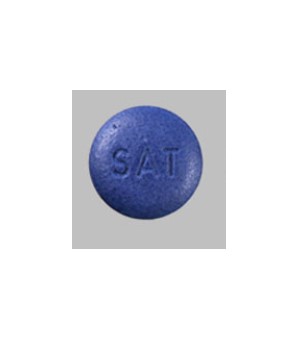
Brand names
URIBEL TABS
Active ingredients
BENZOIC ACIDHYOSCYAMINE SULFATEMETHENAMINEMETHYLENE BLUEPHENYL SALICYLATE
Indications
INDICATIONS AND USAGE Uribel Tabs are indicated for the treatment of symptoms of irritative voiding. Indicated for the relief of local symptoms, such as inflammation, hypermotility, and pain, which accompany lower urinary tract infections. Indicated for the relief of urinary tract symptoms caused by diagnostic procedures.
Dosage
DOSAGE AND ADMINISTRATION Adults One tablet orally 4 times per day followed by liberal fluid intake. Older Children Dosage must be individualized by physician. Not recommended for use in children six years of age or younger.
Warnings
WARNINGS Do not exceed recommended dosage. If rapid pulse, dizziness or blurring of vision occurs, discontinue use immediately.
Contraindications
CONTRADICTIONS Hypersensitivity to any of the ingredients is possible. Risk benefits should be carefully considered when the following medical problems exist: cardiac disease (especially cardiac arrhythmias, congestive heart failure, coronary heart disease, and mitral stenosis); gastrointestinal tract obstructive disease; glaucoma; myasthenia gravis, acute urinary retention may be precipitated in obstructive uropathy (such as bladder neck obstruction due to prostatic hypertrophy).
Mechanism of action
CLINICAL PHARMACOLOGY HYOSCYAMINE SULFATE is a parasympatholytic which relaxes smooth muscles and thus produces an antispasmodic effect. It is well absorbed from the gastrointestinal tract and is rapidly distributed throughout the body tissues. Most is excreted in the urine within 12 hours, 13% to 50% being unchanged. Its biotransformation is hepatic. Its protein binding is moderate. METHENAMINE degrades in an acidic urine environment releasing formaldehyde which provides bactericidal or bacteriostatic action. It is well absorbed from the gastrointestinal tract. 70%-90% reaches the urine unchanged at which point it is hydrolyzed if the urine is acidic. Within 24 hours it is almost completely (90%) excreted; of this at a pH of 5, approximately 20% is formaldehyde. Protein binding - some formaldehyde is bound to substances in the urine and surrounding tissues. Methenamine is freely distributed to body tissue and fluids but is not clinically significant as it does not hydrolyze at pH greater than 6.8. METHYLENE BLUE possesses weak antiseptic properties. It is well absorbed by the gastrointestinal tract and rapidly reduced to leukomethylene blue which is stabilized in some combination form in the urine. 75% is excreted unchanged. PHENYL SALICYLATE releases salicylate, a mild analgesic for pain. BENZOIC ACID helps maintain an acid pH in the urine necessary for the degradation of methenamine.
NDC examples
0178-0745
Treats these conditions
Source: openFDA + RxNorm · 2026
Look up another medication