Hydralazine Hydrochloride and Isosorbide Dinitrate
Managing this medication for someone you care for? Eleplan keeps diagnoses, medications and appointments in one plan.
Start free with EleplanMedication reference
Hydralazine Hydrochloride and Isosorbide Dinitrate
Nitrate Vasodilator [EPC] — ORAL
Hydralazine Hydrochloride and Isosorbide Dinitrate — Nitrate Vasodilator [EPC]. INDICATIONS AND USAGE Isosorbide dinitrate and hydralazine hydrochloride tablets are a combination of isosorbide dinitrate, a nitrate vasodilator…
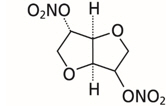
Brand names
isosorbide dinitrate and hydralazine hydrochloride
Active ingredients
HYDRALAZINE HYDROCHLORIDEISOSORBIDE DINITRATE
Indications
INDICATIONS AND USAGE Isosorbide dinitrate and hydralazine hydrochloride tablets are a combination of isosorbide dinitrate, a nitrate vasodilator, and hydralazine hydrochloride, an arteriolar vasodilator, indicated for: the treatment of heart failure as an adjunct therapy to standard therapy in self-identified black patients to improve survival, prolong time to hospitalization for heart failure and to improve patient-reported functional status ( 1.1 ) Limitations of use: There is little experience in patients with NYHA class IV heart failure ( 1.2 ) 1.1 Treatment of Heart Failure in Self-identified Black Patients Isosorbide dinitrate and hydralazine hydrochloride tablets are indicated for the treatment of heart failure as an adjunct to standard therapy in self-identified black patients to improve survival, to prolong time to hospitalization for heart failure, and to improve patient-reported functional status. 1.2 Limitations of Use There is little experience in patients with NYHA class IV heart failure.
Dosage
DOSAGE AND ADMINISTRATION Isosorbide dinitrate and hydralazine hydrochloride tablets should be initiated at a dose of one isosorbide dinitrate and hydralazine hydrochloride tablet, three times a day. Titrate to a maximum of two tablets three times daily, if tolerated. Although titration of isosorbide dinitrate and hydralazine hydrochloride tablets can be rapid (3-5 days), some patients may experience side effects and may take longer to reach their maximum tolerated dose. The dosage may be decreased to as little as one-half isosorbide dinitrate and hydralazine hydrochloride tablet three times a day if intolerable side effects occur. Efforts should be made to titrate up as soon as side effects subside. One tablet three times a day titrated to a maximum tolerated dose up to two tablets three times a day ( 2 ) Dosage may be decreased to as little as one-half tablet three times a day if intolerable side effects occur. Efforts should be made to titrate up as soon as side effects subside ( 2 )
Warnings
WARNINGS AND PRECAUTIONS May cause symptomatic hypotension ( 5.1 ) Symptomatic Lupus Erythematosus Syndromes: Consider discontinuation if clinically appropriate ( 5.2 ) Myocardial ischemia and angina ( 5.3 ) Peripheral Neuritis: May be treated with Pyridoxine ( 5.4 ) 5.1 Hypotension Symptomatic hypotension, particularly with upright posture, may occur with even small doses of isosorbide dinitrate and hydralazine hydrochloride tablets. Hypotension is most likely to occur in patients who have been volume or salt depleted; correct prior to initiation of isosorbide dinitrate and hydralazine hydrochloride tablets [see Adverse Reactions (6.1) ] . 5.2 Systemic Lupus Erythematosus Hydralazine hydrochloride has been reported to cause a drug-induced systemic lupus erythematosus (SLE) syndrome. Symptoms and signs usually regress when hydralazine hydrochloride is discontinued. 5.3 Worsening Ischemic Heart Disease Hydralazine hydrochloride can cause tachycardia and hypotension potentially leading to myocardial ischemia and angina, particularly in patients with hypertrophic cardiomyopathy. 5.4 Peripheral Neuritis Hydralazine hydrochloride has been associated with peripheral neuritis, evidenced by paresthesia, numbness, and tingling, which may be related to an antipyridoxine effect. Pyridoxine should be added to isosorbide dinitrate and hydralazine hydrochloride tablets therapy if such symptoms develop.
Contraindications
CONTRAINDICATIONS Isosorbide dinitrate and hydralazine hydrochloride tablets are contraindicated in patients who are allergic to organic nitrates. Do not use isosorbide dinitrate and hydralazine hydrochloride tablets in patients who are taking PDE-5 inhibitors, such as avanafil, sildenafil, tadalafil, or vardenafil. Concomitant use can cause severe hypotension, syncope, or myocardial ischemia [see Drug Interactions (7.1) ] . Do not use isosorbide dinitrate and hydralazine hydrochloride tablets in patients who are taking the soluble guanylate cyclase (sGC) stimulator riociguat. Concomitant use can cause hypotension. Patients who are allergic to organic nitrates ( 4 ) Use of phosphodiesterase type 5 (PDE5) inhibitors, such as avanafil, sildenafil, tadalafil, or vardenafil, or soluble guanylate cyclase (sGC) stimulator (riociguat). ( 4 )
Drug interactions
DRUG INTERACTIONS 7.1 Phosphodiesterase Inhibitors Isosorbide dinitrate and hydralazine hydrochloride tablets are contraindicated in patients who are using a selective inhibitor of cyclic guanosine monophosphate (cGMP)-specific phosphodiesterase type 5 (PDE5), PDE5 inhibitors such as avanafil, sildenafil, vardenafil, and tadalafil have been shown to potentiate the hypotensive effects of organic nitrates. Do not use isosorbide dinitrate and hydralazine hydrochloride tablets in patients who are taking the soluble guanylate cyclase (sGC) stimulator riociguat. Concomitant use can cause hypotension [see Contraindications (4) ] .
Adverse reactions
ADVERSE REACTIONS Most common adverse reactions (≥ 5% more on isosorbide dinitrate and hydralazine hydrochloride tablets than on placebo) were headache and dizziness ( 6.1 ) To report SUSPECTED ADVERSE REACTIONS, contact Wilshire Pharmaceuticals, Inc. at 1-877-495-6856 or FDA at 1-800-FDA-1088 or www.fda.gov/medwatch. 6.1 Clinical Trials Experience Because clinical studies are conducted under widely varying conditions, adverse reaction rates observed in the clinical studies of a drug cannot be directly compared to rates in the clinical studies of another drug and may not reflect the rates observed in practice. Isosorbide dinitrate and hydralazine hydrochloride tablets have been evaluated for safety in 517 heart failure patients in A-HeFT. A total of 317 of these patients received isosorbide dinitrate and hydralazine hydrochloride tablets for at least 6 months, and 220 received isosorbide dinitrate and hydralazine hydrochloride tablets for at least 12 months. In A-HeFT, 21% of the patients discontinued isosorbide dinitrate and hydralazine hydrochloride tablets for adverse reactions compared to 12% who discontinued placebo. Overall, adverse reactions were more common in isosorbide dinitrate and hydralazine hydrochloride tablets-treated than in placebo-treated patients. Table 1 lists adverse reactions reported with an incidence, after rounding, ≥ 2% higher on isosorbide dinitrate and hydralazine hydrochloride tablets than on placebo in A-HeFT, regardless of causality. The most common reasons for discontinuing isosorbide dinitrate and hydralazine hydrochloride tablets in the A-HeFT trial was headache (7%). Table 1. Adverse Reactions Occurring in the A-HeFT Study in ≥ 2% of Patients Treated with isosorbide dinitrate and hydralazine hydrochloride tablets. Isosorbide dinitrate and hydralazine hydrochloride tablets (N=517) % Placebo (N=527) % Headache 50 21 Dizziness 32 14 Asthenia 14 11 Nausea 10 6 Hypotension 8 4 Sinusitis 4 2 Ventricular tachycardia 4 2 Paresthesia 4 2 Vomiting 4 2 Amblyopia 3 1 In the V-HeFT I and II clinical studies, a total of 587 patients with heart failure were treated with the combination of isosorbide dinitrate and hydralazine hydrochloride. The type, pattern, frequency and severity of adverse reactions reported in these studies were similar to those reported in A-HeFT, described above and no unusual adverse reactions were reported. 6.2 Postmarketing Experience The following adverse reactions have been identified during post-approval use of isosorbide dinitrate and hydralazine hydrochloride tablets . Because these reactions are reported voluntarily from a population of uncertain size, it is not always possible to reliably estimate their frequency or establish a causal relationship to drug exposure. Use of Isosorbide dinitrate and hydralazine hydrochloride tablets: The following adverse reactions have been identified with use of isosorbide dinitrate and hydralazine hydrochloride tablets. Cardiac Disorders: Palpitations Ear and labyrinth disorders: Tinnitus, vertigo Eye Disorders: Eyelid edema, vision blurred Gastrointestinal Disorders: Abdominal discomfort, constipation General Disorders and Administration Site Conditions: Facial pain, flushing, chest discomfort, chest pain, peripheral edema Musculoskeletal and Connective Tissue Disorders: Pain in extremity, myalgia Nervous Disorders: Dysgeusia, hypoaesthesia, migraine, syncope Renal and Urinary Disorders: Chromaturia, pulmonary renal syndrome Respiratory, Thoracic and Mediastinal Disorders: Dyspnea Reproductive System and Breast Disorders: Erectile dysfunction Skin and Subcutaneous Tissue Disorders: Erythema, hyperhidrosis, pruritus, face swelling Use of Hydralazine Hydrochloride or Isosorbide Dinitrate: The following reactions have been reported with use of either hydralazine hydrochloride or isosorbide dinitrate. Blood and Lymphatic System Disorders: Blood dyscrasias, agranulocytosis, purpura, eosinophilia, splenomegaly. Eye Disorders: Lacrimation, conjunctivitis. Gastrointestinal Disorders: Paralytic ileus. Hepatobiliary Disorders: Hepatitis. Psychiatric Disorders: Psychotic reactions, disorientation. Renal and Urinary Disorders: Difficulty in urination.
Mechanism of action
Mechanism of Action The mechanism of action underlying the beneficial effects of isosorbide dinitrate and hydralazine hydrochloride tablets in the treatment of heart failure has not been established. Isosorbide dinitrate is a vasodilator affecting both arteries and veins. Its dilator properties result from the release of nitric oxide and the subsequent activation of guanylyl cyclase, and ultimate relaxation of vascular smooth muscle. Several well-controlled clinical trials have used exercise testing to assess the anti-anginal efficacy of chronically-delivered nitrates. In the large majority of these trials, active agents were no more effective than placebo after 24 hours (or less) of continuous therapy. Attempts to overcome nitrate tolerance by dose escalation, even to doses far in excess of those used acutely, have consistently failed. Only after nitrates have been absent from the body for several hours is response to nitrates restored. Hydralazine hydrochloride is a selective dilator of arterial smooth muscle. Animal data suggests that hydralazine may also mitigate tolerance to nitrates.
NDC examples
72162-234352536-006
Indicated ICD-10 codes
Treats these conditions
Source: openFDA + RxNorm · 2026
Look up another medication