Carvedilol
Managing this medication for someone you care for? Eleplan keeps diagnoses, medications and appointments in one plan.
Start free with EleplanMedication reference
Carvedilol
alpha-Adrenergic Blocker [EPC] — ORAL
Carvedilol — alpha-Adrenergic Blocker [EPC]. INDICATIONS AND USAGE Carvedilol phosphate extended-release capsules are an alpha-/beta-adrenergic blocking agent indicated for the treatment of…
Brand names
CarvedilolCARVEDILOLCoregCarvedilol Phosphate
Active ingredients
CARVEDILOLCARVEDILOL PHOSPHATE
Indications
INDICATIONS AND USAGE Carvedilol phosphate extended-release capsules are an alpha-/beta-adrenergic blocking agent indicated for the treatment of: mild to severe chronic heart failure. ( 1.1 ) left ventricular dysfunction following myocardial infarction in clinically stable patients. ( 1.2 ) hypertension. ( 1.3 ) 1.1 Heart Failure Carvedilol phosphate extended-release capsules are indicated for the treatment of mild-to-severe chronic heart failure of ischemic or cardiomyopathic origin, usually in addition to diuretics, ACE inhibitors, and digitalis, to increase survival and, also, to reduce the risk of hospitalization [see Drug Interactions (7.4) , Clinical Studies (14.1)]. 1.2 Left Ventricular Dysfunction following Myocardial Infarction Carvedilol phosphate extended-release capsules are indicated to reduce cardiovascular mortality in clinically stable patients who have survived the acute phase of a myocardial infarction and have a left ventricular ejection fraction of less than or equal to 40% (with or without symptomatic heart failure) [see Clinical Studies (14.2)]. 1.3 Hypertension Carvedilol phosphate extended-release capsules are indicated for the management of essential hypertension [see Clinical Studies (14.3 , 14.4 )] . They can be used alone or in combination with other antihypertensive agents, especially thiazide-type diuretics [see Drug Interactions (7.2) ] .
Dosage
DOSAGE AND ADMINISTRATION Carvedilol phosphate extended-release capsules are intended for once-daily administration. Patients controlled with immediate-release carvedilol tablets alone or in combination with other medications may be switched to carvedilol phosphate extended-release capsules based on the total daily doses shown in Table 1. Table 1. Dosing Conversion Daily Dose of Immediate-Release Carvedilol Tablets Daily Dose of Carvedilol Phosphate Extended-Release Capsules* 6.25 mg (3.125 mg twice daily) 10 mg once daily 12.5 mg (6.25 mg twice daily) 20 mg once daily 25 mg (12.5 mg twice daily) 40 mg once daily 50 mg (25 mg twice daily) 80 mg once daily * When switching from carvedilol 12.5 mg or 25 mg twice daily, a starting dose of carvedilol phosphate extended-release capsules 20 mg or 40 mg once daily, respectively, may be warranted for elderly patients or those at increased risk of hypotension, dizziness, or syncope. Subsequent titration to higher doses should, as appropriate, be made after an interval of at least 2 weeks. Carvedilol phosphate extended-release capsules should be taken once daily in the morning with food. Carvedilol phosphate extended-release capsules should be swallowed as a whole capsule. Carvedilol phosphate extended-release capsules and/or its contents should not be crushed, chewed, or taken in divided doses. Alternative Administration The capsules may be carefully opened and the beads sprinkled over a spoonful of applesauce. The applesauce should not be warm because it could affect the modified-release properties of this formulation. The mixture of drug and applesauce should be consumed immediately in its entirety. The drug and applesauce mixture should not be stored for future use. Absorption of the beads sprinkled on other foods has not been tested. Take with food. Do not crush or chew capsules. Individualize dosage and monitor during up-titration. ( 2 ) Heart failure: Start at 10 mg once daily and increase to 20 mg, 40 mg, and then 80 mg once daily over intervals of at least 2 weeks. Maintain lower doses if higher doses are not tolerated. ( 2.1 ) Left ventricular dysfunction following myocardial infarction: Start at 20 mg once daily and increase to 40 mg then 80 mg once daily after intervals of 3 to 10 days. A lower starting dose or slower titration may be used. ( 2.2 ) Hypertension: Start at 20 mg once daily and increase if needed for blood pressure control to 40 mg then 80 mg once daily over intervals of 1 to 2 weeks. ( 2.3 ) Elderly patients (greater than 65 years of age): When switching from higher doses of immediate-release carvedilol to carvedilol phosphate extended-release capsules, a lower starting dose should be considered to reduce the risk of hypotension and syncope. ( 2.5 ) 2.1 Heart Failure DOSAGE MUST BE INDIVIDUALIZED AND CLOSELY MONITORED BY A PHYSICIAN DURING UP-TITRATION. Prior to initiation of carvedilol phosphate extended-release capsules, it is recommended that fluid retention be minimized. The recommended starting dose of carvedilol phosphate extended-release capsule is 10 mg once daily for 2 weeks. Patients who tolerate a dose of 10 mg once daily may have their dose increased to 20 mg, 40 mg, and 80 mg over successive intervals of at least 2 weeks. Patients should be maintained on lower doses if higher doses are not tolerated. Patients should be advised that initiation of treatment and (to a lesser extent) dosage increases may be associated with transient symptoms of dizziness or lightheadedness (and rarely syncope) within the first hour after dosing. Thus, during these periods, they should avoid situations such as driving or hazardous tasks, where symptoms could result in injury. Vasodilatory symptoms often do not require treatment, but it may be useful to separate the time of dosing of carvedilol phosphate extended-release capsules from that of the ACE inhibitor or to reduce temporarily the dose of the ACE inhibitor. The dose of carvedilol phosphate extended-release capsules should not be increased until symptoms of worsening heart failure or vasodilation have been stabilized. Fluid retention (with or without transient worsening heart failure symptoms) should be treated by an increase in the dose of diuretics. The dose of carvedilol phosphate extended-release capsules should be reduced if patients experience bradycardia (heart rate less than 55 beats per minute). Episodes of dizziness or fluid retention during initiation of carvedilol phosphate extended-release capsules can generally be managed without discontinuation of treatment and do not preclude subsequent successful titration of, or a favorable response to, carvedilol phosphate extended-release capsules. 2.2 Left Ventricular Dysfunction following Myocardial Infarction DOSAGE MUST BE INDIVIDUALIZED AND MONITORED DURING UP-TITRATION. Treatment with carvedilol phosphate extended-release capsules may be started as an inpatient or outpatient and should be started after the patient is hemodynamically stable and fluid retention has been minimized. It is recommended that carvedilol phosphate extended-release capsules be started at 20 mg once daily and increased after 3 to 10 days, based on tolerability, to 40 mg once daily, then again to the target dose of 80 mg once daily. A lower starting dose may be used (10 mg once daily) and/or the rate of up-titration may be slowed if clinically indicated (e.g., due to low blood pressure or heart rate, or fluid retention). Patients should be maintained on lower doses if higher doses are not tolerated. The recommended dosing regimen need not be altered in patients who received treatment with an IV or oral beta-blocker during the acute phase of the myocardial infarction. 2.3 Hypertension DOSAGE MUST BE INDIVIDUALIZED. The recommended starting dose of carvedilol phosphate extended-release capsule is 20 mg once daily. If this dose is tolerated, using standing systolic pressure measured about one hour after dosing as a guide, the dose should be maintained for 7 to 14 days, and then increased to 40 mg once daily if needed, based on trough blood pressure, again using standing systolic pressure one hour after dosing as a guide for tolerance. This dose should also be maintained for 7 to 14 days and can then be adjusted upward to 80 mg once daily if tolerated and needed. Although not specifically studied, it is anticipated the full antihypertensive effect of carvedilol phosphate extended-release capsules would be seen within 7 to 14 days as had been demonstrated with immediate-release carvedilol. Total daily dose should not exceed 80 mg. Concomitant administration with a diuretic can be expected to produce additive effects and exaggerate the orthostatic component of carvedilol action. 2.4 Hepatic Impairment Carvedilol phosphate extended-release capsules should not be given to patients with severe hepatic impairment [see Contraindications (4) ] . 2.5 Geriatric Use When switching elderly patients (aged 65 years or older) who are taking the higher doses of immediate-release carvedilol tablets (25 mg twice daily) to carvedilol phosphate extended-release capsules, a lower starting dose (40 mg) of carvedilol phosphate extended-release capsules are recommended to minimize the potential for dizziness, syncope, or hypotension [see Dosage and Administration (2) ] . Patients who have switched and who tolerate carvedilol phosphate extended-release capsules should, as appropriate, have their dose increased to after an interval of at least 2 weeks [see Use in Specific Populations (8.5) ] .
Warnings
WARNINGS AND PRECAUTIONS Acute exacerbation of coronary artery disease upon cessation of therapy: Do not abruptly discontinue. ( 5.1 ) Bradycardia, hypotension, worsening heart failure/fluid retention may occur. Reduce the dose as needed. ( 5.2 , 5.3 , 5.4 ) Non-allergic bronchospasm (e.g., chronic bronchitis and emphysema): Avoid β-blockers. ( 4 ) However, if deemed necessary, use with caution and at lowest effective dose. ( 5.5 ) Diabetes: May mask symptoms of hypoglycemia and alter glucose levels; monitor ( 5.6 ) 5.1 Cessation of Therapy Patients with coronary artery disease, who are being treated with carvedilol tablets, should be advised against abrupt discontinuation of therapy. Severe exacerbation of angina and the occurrence of myocardial infarction and ventricular arrhythmias have been reported in patients with angina following the abrupt discontinuation of therapy with β-blockers. The last 2 complications may occur with or without preceding exacerbation of the angina pectoris. As with other β-blockers, when discontinuation of carvedilol tablets are planned, the patients should be carefully observed and advised to limit physical activity to a minimum. Carvedilol tablets should be discontinued over 1 to 2 weeks whenever possible. If the angina worsens or acute coronary insufficiency develops, it is recommended that carvedilol tablets be promptly reinstituted, at least temporarily. Because coronary artery disease is common and may be unrecognized, it may be prudent not to discontinue therapy with carvedilol abruptly even in patients treated only for hypertension or heart failure. 5.2 Bradycardia In clinical trials, carvedilol tablets caused bradycardia in about 2% of hypertensive subjects, 9% of subjects with heart failure, and 6.5% of subjects with myocardial infarction and left ventricular dysfunction. If pulse rate drops below 55 beats per minute, the dosage should be reduced. 5.3 Hypotension In clinical trials of primarily mild-to-moderate heart failure, hypotension and postural hypotension occurred in 9.7% and syncope in 3.4% of subjects receiving carvedilol tablets compared with 3.6% and 2.5% of placebo subjects, respectively. The risk for these events was highest during the first 30 days of dosing, corresponding to the up-titration period and was a cause for discontinuation of therapy in 0.7% of subjects receiving carvedilol tablets, compared with 0.4% of placebo subjects. In a long-term, placebo-controlled trial in severe heart failure (COPERNICUS), hypotension and postural hypotension occurred in 15.1% and syncope in 2.9% of heart failure subjects receiving carvedilol tablets compared with 8.7% and 2.3% of placebo subjects, respectively. These events were a cause for discontinuation of therapy in 1.1% of subjects receiving carvedilol tablets, compared with 0.8% of placebo subjects. Postural hypotension occurred in 1.8% and syncope in 0.1% of hypertensive subjects, primarily following the initial dose or at the time of dose increase and was a cause for discontinuation of therapy in 1% of subjects. In the CAPRICORN trial of survivors of an acute myocardial infarction, hypotension or postural hypotension occurred in 20.2% of subjects receiving carvedilol tablets compared with 12.6% of placebo subjects. Syncope was reported in 3.9% and 1.9% of subjects, respectively. These events were a cause for discontinuation of therapy in 2.5% of subjects receiving carvedilol tablets, compared with 0.2% of placebo subjects. Starting with a low dose, administration with food, and gradual up-titration should decrease the likelihood of syncope or excessive hypotension [see Dosage and Administration ( 2.1 , 2.2 , 2.3 )]. During initiation of therapy, the patient should be cautioned to avoid situations such as driving or hazardous tasks, where injury could result should syncope occur. 5.4 Heart Failure/Fluid Retention Worsening heart failure or fluid retention may occur during up-titration of carvedilol. If such symptoms occur, diuretics should be increased and the carvedilol dose should not be advanced until clinical stability resumes [see Dosage and Administration ( 2 )] . Occasionally it is necessary to lower the carvedilol dose or temporarily discontinue it. Such episodes do not preclude subsequent successful titration of, or a favorable response to, carvedilol. In a placebo-controlled trial of subjects with severe heart failure, worsening heart failure during the first 3 months was reported to a similar degree with carvedilol and with placebo. When treatment was maintained beyond 3 months, worsening heart failure was reported less frequently in subjects treated with carvedilol than with placebo. Worsening heart failure observed during long-term therapy is more likely to be related to the patients' underlying disease than to treatment with carvedilol. 5.5 Non-allergic Bronchospasm Patients with bronchospastic disease (e.g., chronic bronchitis, emphysema) should, in general, not receive β-blockers. Carvedilol tablets may be used with caution, however, in patients who do not respond to, or cannot tolerate, other antihypertensive agents. It is prudent, if carvedilol tablets are used, to use the smallest effective dose, so that inhibition of endogenous or exogenous β-agonists is minimized. In clinical trials of subjects with heart failure, subjects with bronchospastic disease were enrolled if they did not require oral or inhaled medication to treat their bronchospastic disease. In such patients, it is recommended that carvedilol be used with caution. The dosing recommendations should be followed closely and the dose should be lowered if any evidence of bronchospasm is observed during up-titration. 5.6 Effects on Blood Sugar Beta-blockers may prevent early warning signs of hypoglycemia, such as tachycardia and increase the risk for severe or prolonged hypoglycemia at any time during treatment, especially in patients with diabetes mellitus or children and patients who are fasting (i.e., surgery not eating regularly or are vomiting). If severe hypoglycemia occurs, patients should be instructed to seek emergency treatment. In patients with heart failure and diabetes, carvedilol therapy may lead to worsening hyperglycemia, which responds to intensification of hypoglycemic therapy. It is recommended that blood glucose be monitored when carvedilol dosing is initiated, adjusted, or discontinued. Trials designed to examine the effects of carvedilol on glycemic control in patients with diabetes and heart failure have not been conducted. In a trial designed to examine the effects of carvedilol on glycemic control in a population with mild-to-moderate hypertension and well-controlled type 2 diabetes mellitus, carvedilol had no adverse effect on glycemic control, based on HbA1c measurements [see Clinical Studies ( 14.4 )] . 5.7 Peripheral Vascular Disease β-blockers can precipitate or aggravate symptoms of arterial insufficiency in patients with peripheral vascular disease. Caution should be exercised in such individuals. 5.8 Deterioration of Renal Function Rarely, use of carvedilol in patients with heart failure has resulted in deterioration of renal function. Patients at risk appear to be those with low blood pressure (systolic blood pressure less than 100 mm Hg), ischemic heart disease and diffuse vascular disease, and/or underlying renal insufficiency. Renal function has returned to baseline when carvedilol was stopped. In patients with these risk factors it is recommended that renal function be monitored during up-titration of carvedilol and the drug discontinued or dosage reduced if worsening of renal function occurs. 5.9 Major Surgery Chronically administered β-blocking therapy should not be routinely withdrawn prior to major surgery; however, the impaired ability of the heart to respond to reflex adrenergic stimuli may augment the risks of general anesthesia and surgical procedures. 5.10 Thyrotoxicosis β-adrenergic blockade may mask clinical signs of hyperthy
Contraindications
CONTRAINDICATIONS Carvedilol phosphate extended-release capsules are contraindicated in the following conditions: Bronchial asthma or related bronchospastic conditions. Deaths from status asthmaticus have been reported following single doses of immediate-release carvedilol. Second- or third-degree AV block. Sick sinus syndrome. Severe bradycardia (unless a permanent pacemaker is in place). Patients with cardiogenic shock or who have decompensated heart failure requiring the use of intravenous inotropic therapy. Such patients should first be weaned from intravenous therapy before initiating carvedilol phosphate extended-release capsules. Patients with severe hepatic impairment. Patients with a history of a serious hypersensitivity reaction (e.g., Stevens-Johnson syndrome, anaphylactic reaction, angioedema) to carvedilol or any of the components of carvedilol phosphate extended-release capsules. Bronchial asthma or related bronchospastic conditions. ( 4 ) Second- or third-degree AV block. ( 4 ) Sick sinus syndrome. ( 4 ) Severe bradycardia (unless permanent pacemaker in place). ( 4 ) Patients in cardiogenic shock or decompensated heart failure requiring the use of IV inotropic therapy. ( 4 ) Severe hepatic impairment. ( 2.4 , 4 ) History of serious hypersensitivity reaction (e.g., Stevens-Johnson syndrome, anaphylactic reaction, angioedema) to carvedilol or any of the components of carvedilol phosphate extended-release capsules. ( 4 )
Drug interactions
DRUG INTERACTIONS CYP P450 2D6 enzyme inhibitors may increase and rifampin may decrease carvedilol levels. ( 7.1 , 7.5 ) Hypotensive agents (e.g., reserpine, MAO inhibitors, clonidine) may increase the risk of hypotension and/or severe bradycardia. ( 7.2 ) Cyclosporine or digoxin levels may increase. ( 7.3 , 7.4 ) Both digitalis glycosides and beta-blockers slow atrioventricular conduction and decrease heart rate. Concomitant use can increase the risk of bradycardia. ( 7.4 ) Amiodarone may increase carvedilol levels resulting in further slowing of the heart rate or cardiac conduction. ( 7.6 ) Verapamil- or diltiazem-type calcium channel blockers may affect ECG and/or blood pressure. ( 7.7 ) Insulin and oral hypoglycemics action may be enhanced. ( 7.8 ) 7.1 CYP2D6 Inhibitors and Poor Metabolizers Interactions of carvedilol with potent inhibitors of CYP2D6 isoenzyme (such as quinidine, fluoxetine, paroxetine, and propafenone) have not been studied, but these drugs would be expected to increase blood levels of the R(+) enantiomer of carvedilol [see Clinical Pharmacology (12.3) ] . Retrospective analysis of side effects in clinical trials showed that poor 2D6 metabolizers had a higher rate of dizziness during up-titration, presumably resulting from vasodilating effects of the higher concentrations of the alpha-blocking R(+) enantiomer. 7.2 Hypotensive Agents Patients taking a beta-blocker and a drug that can deplete catecholamines (e.g., reserpine and monoamine oxidase inhibitors) should be observed closely for signs of hypotension and/or severe bradycardia. Concomitant administration of clonidine with a beta-blocker may cause hypotension and bradycardia. When concomitant treatment with a beta-blocker and clonidine is to be terminated, the beta-blocker should be discontinued first. Clonidine therapy can then be discontinued several days later by gradually decreasing the dosage. 7.3 Cyclosporine Modest increases in mean trough cyclosporine concentrations were observed following initiation of carvedilol treatment in 21 renal transplant subjects suffering from chronic vascular rejection. In about 30% of subjects, the dose of cyclosporine had to be reduced in order to maintain cyclosporine concentrations within the therapeutic range, while in the remainder no adjustment was needed. On the average for the group, the dose of cyclosporine was reduced about 20% in these subjects. Due to wide interindividual variability in the dose adjustment required, it is recommended that cyclosporine concentrations be monitored closely after initiation of carvedilol therapy and that the dose of cyclosporine be adjusted as appropriate. 7.4 Digitalis Glycosides Both digitalis glycosides and beta-blockers slow atrioventricular conduction and decrease heart rate. Concomitant use can increase the risk of bradycardia . Digoxin concentrations are increased by about 15% when digoxin and carvedilol are administered concomitantly. Therefore, increased monitoring of digoxin is recommended when initiating, adjusting, or discontinuing carvedilol phosphate extended-release capsules [see Clinical Pharmacology (12.5) ] . 7.5 Inducers/Inhibitors of Hepatic Metabolism Rifampin reduced plasma concentrations of carvedilol by about 70% [see Clinical Pharmacology (12.5) ] . Cimetidine increased area under the curve (AUC) by about 30% but caused no change in C max [see Clinical Pharmacology (12.5) ] . 7.6 Amiodarone Amiodarone and its metabolite desethyl amiodarone, inhibitors of CYP2C9, and P-glycoprotein increased concentrations of the S(-) enantiomer of carvedilol by at least 2-fold [see Clinical Pharmacology (12.5) ] . The concomitant administration of amiodarone or other CYP2C9 inhibitors such as fluconazole with carvedilol phosphate extended-release capsules may enhance the beta-blocking activity, resulting in further slowing of the heart rate or cardiac conduction. Patients should be observed for signs of bradycardia or heart block, particularly when one agent is added to pre-existing treatment with the other. 7.7 Calcium Channel Blockers Conduction disturbance (rarely with hemodynamic compromise) has been observed when carvedilol phosphate extended-release capsules are co-administered with diltiazem. As with other beta-blockers, if carvedilol phosphate extended-release capsules are to be administered with calcium channel blockers of the verapamil or diltiazem type, it is recommended that ECG and blood pressure be monitored. 7.8 Insulin or Oral Hypoglycemics Beta-blockers may enhance the blood-sugar-reducing effect of insulin and oral hypoglycemics. Therefore, in patients taking insulin or oral hypoglycemics, regular monitoring of blood glucose is recommended [see Warnings and Precautions (5.6) ] . 7.9 Proton Pump Inhibitors There is no clinically meaningful increase in AUC and C max with concomitant administration of carvedilol phosphate extended-release capsules with pantoprazole. 7.10 Anesthesia If treatment with carvedilol phosphate extended-release capsules is to be continued perioperatively, particular care should be taken when anesthetic agents that depress myocardial function, such as ether, cyclopropane, and trichloroethylene, are used [see Overdosage (10) ].
Adverse reactions
ADVERSE REACTIONS Most common adverse events ( 6.1 ): Heart failure and left ventricular dysfunction following myocardial infarction (≥10%): Dizziness, fatigue, hypotension, diarrhea, hyperglycemia, asthenia, bradycardia, weight increase. Hypertension (≥5%): Dizziness. To report SUSPECTED ADVERSE REACTIONS, contact Zydus Pharmaceuticals (USA) Inc. at 1- 877-993-8779 or FDA at 1-800-FDA-1088 or www.fda.gov/medwatch. 6.1 Clinical Studies Experience Because clinical trials are conducted under widely varying conditions, adverse reaction rates observed in the clinical trials of a drug cannot be directly compared with rates in the clinical trials of another drug and may not reflect the rates observed in practice. Carvedilol tablets have been evaluated for safety in subjects with heart failure (mild, moderate, and severe), in subjects with left ventricular dysfunction following myocardial infarction and in hypertensive subjects. The observed adverse event profile was consistent with the pharmacology of the drug and the health status of the subjects in the clinical trials. Adverse events reported for each of these patient populations are provided below. Excluded are adverse events considered too general to be informative, and those not reasonably associated with the use of the drug because they were associated with the condition being treated or are very common in the treated population. Rates of adverse events were generally similar across demographic subsets (men and women, elderly and non-elderly, blacks and non-blacks). Heart Failure Carvedilol tablets have been evaluated for safety in heart failure in more than 4,500 subjects worldwide of whom more than 2,100 participated in placebo-controlled clinical trials. Approximately 60% of the total treated population in placebo-controlled clinical trials received Carvedilol tablets for at least 6 months and 30% received Carvedilol tablets for at least 12 months. In the COMET trial, 1,511 subjects with mild-to-moderate heart failure were treated with Carvedilol tablets for up to 5.9 years (mean: 4.8 years). Both in US clinical trials in mild-to-moderate heart failure that compared Carvedilol tablets in daily doses up to 100 mg (n = 765) with placebo (n = 437), and in a multinational clinical trial in severe heart failure (COPERNICUS) that compared Carvedilol tablets in daily doses up to 50 mg (n = 1,156) with placebo (n = 1,133), discontinuation rates for adverse experiences were similar in carvedilol and placebo subjects. In placebo-controlled clinical trials, the only cause of discontinuation greater than 1% and occurring more often on carvedilol was dizziness (1.3% on carvedilol, 0.6% on placebo in the COPERNICUS trial). Table 1 shows adverse events reported in subjects with mild-to-moderate heart failure enrolled in US placebo-controlled clinical trials, and with severe heart failure enrolled in the COPERNICUS trial. Shown are adverse events that occurred more frequently in drug-treated subjects than placebo-treated subjects with an incidence of greater than 3% in subjects treated with carvedilol regardless of causality. Median trial medication exposure was 6.3 months for both carvedilol and placebo subjects in the trials of mild-to-moderate heart failure and 10.4 months in the trial of subjects with severe heart failure. The adverse event profile of Carvedilol tablets observed in the long-term COMET trial was generally similar to that observed in the US Heart Failure Trials. Table 1 Adverse Events (%) Occurring More Frequently with Carvedilol tablets than with Placebo in Subjects with Mild-to-Moderate Heart Failure (HF) Enrolled in US Heart Failure Trials or in Subjects with Severe Heart Failure in the COPERNICUS Trial (Incidence >3% in Subjects Treated with Carvedilol, Regardless of Causality) Mild-to-Moderate HF Severe HF Body System/ Adverse Event Carvedilol (n = 765) Placebo (n = 437) Carvedilol (n = 1,156) Placebo (n = 1,133) Body as a Whole Asthenia Fatigue Digoxin level increased Edema generalized Edema dependent 7 24 5 5 4 7 22 4 3 2 11 — 2 6 — 9 — 1 5 — Cardiovascular Bradycardia Hypotension Syncope Angina pectoris 9 9 3 2 1 3 3 3 10 14 8 6 3 8 5 4 Central Nervous System Dizziness Headache 32 8 19 7 24 5 17 3 Gastrointestinal Diarrhea Nausea Vomiting 12 9 6 6 5 4 5 4 1 3 3 2 Metabolic Hyperglycemia Weight increase BUN increased NPN increased Hypercholesterolemia Edema peripheral 12 10 6 6 4 2 8 7 5 5 3 1 5 12 — — 1 7 3 11 — — 1 6 Musculoskeletal Arthralgia 6 5 1 1 Respiratory Cough increased Rales 8 4 9 4 5 4 4 2 Vision Vision abnormal 5 2 — — Cardiac failure and dyspnea were also reported in these trials, but the rates were equal or greater in subjects who received placebo. The following adverse events were reported with a frequency of greater than 1% but less than or equal to 3% and more frequently with carvedilol in either the US placebo-controlled trials in subjects with mild-to-moderate heart failure or in subjects with severe heart failure in the COPERNICUS trial. Incidence greater than 1% to less than or equal to 3% Body as a Whole Allergy, malaise, hypovolemia, fever, leg edema. Cardiovascular Fluid overload, postural hypotension, aggravated angina pectoris, AV block, palpitation, hypertension. Central and Peripheral Nervous System Hypesthesia, vertigo, paresthesia. Gastrointestinal Melena, periodontitis. Liver and Biliary System SGPT increased, SGOT increased. Metabolic and Nutritional Hyperuricemia, hypoglycemia, hyponatremia, increased alkaline phosphatase, glycosuria, hypervolemia, diabetes mellitus, GGT increased, weight loss, hyperkalemia, creatinine increased. Musculoskeletal Muscle cramps. Platelet, Bleeding, and Clotting Prothrombin decreased, purpura, thrombocytopenia. Psychiatric Somnolence. Reproductive, male Impotence. Special Senses Blurred vision. Urinary System Renal insufficiency, albuminuria, hematuria. Left Ventricular Dysfunction following Myocardial Infarction Carvedilol tablets have been evaluated for safety in survivors of an acute myocardial infarction with left ventricular dysfunction in the CAPRICORN trial which involved 969 subjects who received carvedilol tablets and 980 who received placebo. Approximately 75% of the subjects received carvedilol tablets for at least 6 months and 53% received carvedilol tablets for at least 12 months. Subjects were treated for an average of 12.9 months and 12.8 months with carvedilol tablets and placebo, respectively. The most common adverse events reported with carvedilol tablets in the CAPRICORN trial were consistent with the profile of the drug in the US heart failure trials and the COPERNICUS trial. The only additional adverse events reported in CAPRICORN in greater than 3% of the subjects and more commonly on carvedilol were dyspnea, anemia, and lung edema. The following adverse events were reported with a frequency of greater than 1% but less than or equal to 3% and more frequently with carvedilol tablets: flu syndrome, cerebrovascular accident, peripheral vascular disorder, hypotonia, depression, gastrointestinal pain, arthritis, and gout. The overall rates of discontinuations due to adverse events were similar in both groups of subjects. In this database, the only cause of discontinuation greater than 1% and occurring more often on carvedilol was hypotension (1.5% on carvedilol, 0.2% on placebo). Hypertension Carvedilol tablets have been evaluated for safety in hypertension in more than 2,193 subjects in US clinical trials and in 2,976 subjects in international clinical trials. Approximately 36% of the total treated population received carvedilol tablets for at least 6 months. Most adverse events reported during therapy with carvedilol tablets were of mild to moderate severity. In US controlled clinical trials directly comparing carvedilol tablets in doses up to 50 mg (n = 1,142) with placebo (n = 462), 4.9% of subjects receiving carvedilol tablets discontinued for adverse events versus 5.2% of placebo subjects. Although
Mechanism of action
CLINICAL PHARMACOLOGY 12.1 Mechanism of Action Carvedilol tablets are a racemic mixture in which nonselective β-adrenoreceptor blocking activity is present in the S(-) enantiomer and α 1 -adrenergic blocking activity is present in both R(+) and S(-) enantiomers at equal potency. Carvedilol tablets have no intrinsic sympathomimetic activity. 12.2 Pharmacodynamics Heart Failure The basis for the beneficial effects of carvedilol tablets in heart failure is not established. Two placebo-controlled trials compared the acute hemodynamic effects of carvedilol tablets with baseline measurements in 59 and 49 subjects with NYHA class II-IV heart failure receiving diuretics, ACE inhibitors, and digitalis. There were significant reductions in systemic blood pressure, pulmonary artery pressure, pulmonary capillary wedge pressure, and heart rate. Initial effects on cardiac output, stroke volume index, and systemic vascular resistance were small and variable. These trials measured hemodynamic effects again at 12 to 14 weeks. Carvedilol tablets significantly reduced systemic blood pressure, pulmonary artery pressure, right atrial pressure, systemic vascular resistance, and heart rate, while stroke volume index was increased. Among 839 subjects with NYHA class II-III heart failure treated for 26 to 52 weeks in 4 U.S. placebo-controlled trials, average left ventricular ejection fraction (EF) measured by radionuclide ventriculography increased by 9 EF units (%) in subjects receiving carvedilol tablets and by 2 EF units in placebo subjects at a target dose of 25 to 50 mg twice daily. The effects of carvedilol on ejection fraction were related to dose. Doses of 6.25 mg twice daily, 12.5 mg twice daily, and 25 mg twice daily were associated with placebo-corrected increases in EF of 5 EF units, 6 EF units, and 8 EF units, respectively; each of these effects were nominally statistically significant. Left Ventricular Dysfunction following Myocardial Infarction The basis for the beneficial effects of carvedilol tablets in patients with left ventricular dysfunction following an acute myocardial infarction is not established. Hypertension The mechanism by which β-blockade produces an antihypertensive effect has not been established. β-adrenoreceptor blocking activity has been demonstrated in animal and human studies showing that carvedilol (1) reduces cardiac output in normal subjects, (2) reduces exercise- and/or isoproterenol-induced tachycardia, and (3) reduces reflex orthostatic tachycardia. Significant β-adrenoreceptor blocking effect is usually seen within 1 hour of drug administration. α 1 -adrenoreceptor blocking activity has been demonstrated in human and animal studies, showing that carvedilol (1) attenuates the pressor effects of phenylephrine, (2) causes vasodilation, and (3) reduces peripheral vascular resistance. These effects contribute to the reduction of blood pressure and usually are seen within 30 minutes of drug administration. Due to the α 1 -receptor blocking activity of carvedilol, blood pressure is lowered more in the standing than in the supine position, and symptoms of postural hypotension (1.8%), including rare instances of syncope, can occur. Following oral administration, when postural hypotension has occurred, it has been transient and is uncommon when carvedilol tablets are administered with food at the recommended starting dose and titration increments are closely followed [see Dosage and Administration (2)] . In hypertensive patients with normal renal function, therapeutic doses of carvedilol tablets decreased renal vascular resistance with no change in glomerular filtration rate or renal plasma flow. Changes in excretion of sodium, potassium, uric acid, and phosphorus in hypertensive patients with normal renal function were similar after carvedilol tablets and placebo. Carvedilol tablets have little effect on plasma catecholamines, plasma aldosterone, or electrolyte levels, but it does significantly reduce plasma renin activity when given for at least 4 weeks. It also increases levels of atrial natriuretic peptide. 12.3 Pharmacokinetics Carvedilol tablets are rapidly and extensively absorbed following oral administration, with absolute bioavailability of approximately 25% to 35% due to a significant degree of first-pass metabolism. Following oral administration, the apparent mean terminal elimination half-life of carvedilol generally ranges from 7 to 10 hours. Plasma concentrations achieved are proportional to the oral dose administered. When administered with food, the rate of absorption is slowed, as evidenced by a delay in the time to reach peak plasma levels, with no significant difference in extent of bioavailability. Taking carvedilol with food should minimize the risk of orthostatic hypotension. Carvedilol is extensively metabolized. Following oral administration of radiolabelled carvedilol to healthy volunteers, carvedilol accounted for only about 7% of the total radioactivity in plasma as measured by area under the curve (AUC). Less than 2% of the dose was excreted unchanged in the urine. Carvedilol is metabolized primarily by aromatic ring oxidation and glucuronidation. The oxidative metabolites are further metabolized by conjugation via glucuronidation and sulfation. The metabolites of carvedilol are excreted primarily via the bile into the feces. Demethylation and hydroxylation at the phenol ring produce 3 active metabolites with β-receptor blocking activity. Based on preclinical studies, the 4'-hydroxyphenyl metabolite is approximately 13 times more potent than carvedilol for β-blockade. Compared with carvedilol, the 3 active metabolites exhibit weak vasodilating activity. Plasma concentrations of the active metabolites are about one-tenth of those observed for carvedilol and have pharmacokinetics similar to the parent. Carvedilol undergoes stereoselective first-pass metabolism with plasma levels of R(+)-carvedilol approximately 2 to 3 times higher than S(-)-carvedilol following oral administration in healthy subjects. The mean apparent terminal elimination half-lives for R(+)-carvedilol range from 5 to 9 hours compared with 7 to 11 hours for the S(-)-enantiomer. The primary P450 enzymes responsible for the metabolism of both R(+) and S(-)-carvedilol in human liver microsomes were CYP2D6 and CYP2C9 and to a lesser extent CYP3A4, 2C19, 1A2, and 2E1. CYP2D6 is thought to be the major enzyme in the 4'- and 5'-hydroxylation of carvedilol, with a potential contribution from 3A4. CYP2C9 is thought to be of primary importance in the O-methylation pathway of S(-)-carvedilol. Carvedilol is subject to the effects of genetic polymorphism with poor metabolizers of debrisoquin (a marker for cytochrome P450 2D6) exhibiting 2- to 3-fold higher plasma concentrations of R(+)-carvedilol compared with extensive metabolizers. In contrast, plasma levels of S(-)-carvedilol are increased only about 20% to 25% in poor metabolizers, indicating this enantiomer is metabolized to a lesser extent by cytochrome P450 2D6 than R(+)-carvedilol. The pharmacokinetics of carvedilol do not appear to be different in poor metabolizers of S-mephenytoin (patients deficient in cytochrome P450 2C19). Carvedilol is more than 98% bound to plasma proteins, primarily with albumin. The plasma-protein binding is independent of concentration over the therapeutic range. Carvedilol is a basic, lipophilic compound with a steady-state volume of distribution of approximately 115 L, indicating substantial distribution into extravascular tissues. Plasma clearance ranges from 500 to 700 mL/min. 12.4 Specific Populations Heart Failure Steady-state plasma concentrations of carvedilol and its enantiomers increased proportionally over the 6.25- to 50- mg dose range in subjects with heart failure. Compared with healthy subjects, subjects with heart failure had increased mean AUC and C max values for carvedilol and its enantiomers, with up to 50% to 100% higher values observed in 6 subjects wi
Available forms (16)
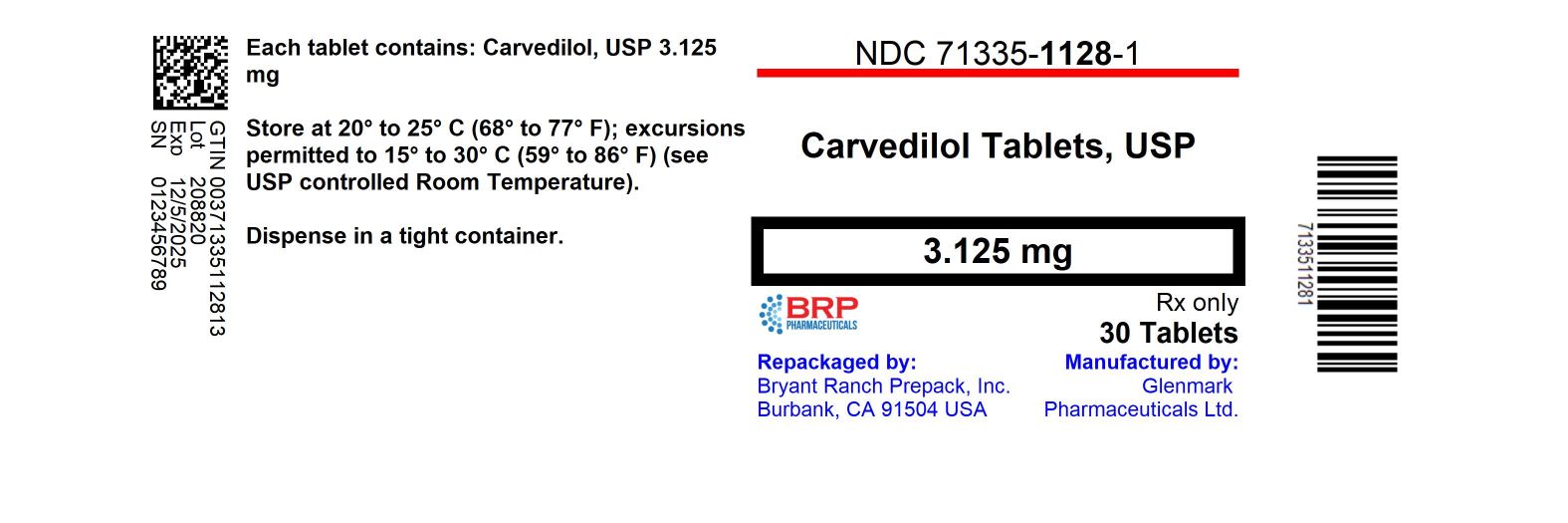
24 HR carvedilol phosphate 10 MG Extended Release Oral Capsule24 HR carvedilol phosphate 20 MG Extended Release Oral Capsule24 HR carvedilol phosphate 40 MG Extended Release Oral Capsule24 HR carvedilol phosphate 80 MG Extended Release Oral Capsulecarvedilol 12.5 MG Oral Tabletcarvedilol 25 MG Oral Tabletcarvedilol 3.125 MG Oral Tabletcarvedilol 6.25 MG Oral Tablet24 HR carvedilol phosphate 10 MG Extended Release Oral Capsule [Coreg]brand24 HR carvedilol phosphate 20 MG Extended Release Oral Capsule [Coreg]brand24 HR carvedilol phosphate 40 MG Extended Release Oral Capsule [Coreg]brand24 HR carvedilol phosphate 80 MG Extended Release Oral Capsule [Coreg]brandcarvedilol 12.5 MG Oral Tablet [Coreg]brandcarvedilol 25 MG Oral Tablet [Coreg]brandcarvedilol 3.125 MG Oral Tablet [Coreg]brandcarvedilol 6.25 MG Oral Tablet [Coreg]brand
NDC examples
42708-18171335-202680725-13980725-14080725-14143063-83363187-57070518-182650090-106771335-154571335-162371335-2023
Treats these conditions
Assistance programs
Source: openFDA + RxNorm · 2026
Look up another medication