Birch Triterpenes
Managing this medication for someone you care for? Eleplan keeps diagnoses, medications and appointments in one plan.
Start free with EleplanMedication reference
Birch Triterpenes
TOPICAL
Birch Triterpenes. INDICATIONS AND USAGE FILSUVEZ is indicated for the treatment of wounds associated with dystrophic and junctional epidermolysis bullosa (EB) in…
Brand names
FILSUVEZ
Active ingredients
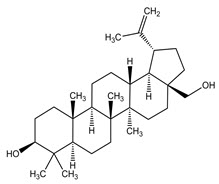
BIRCH TRITERPENES
Indications
INDICATIONS AND USAGE FILSUVEZ is indicated for the treatment of wounds associated with dystrophic and junctional epidermolysis bullosa (EB) in adult and pediatric patients 6 months of age and older. FILSUVEZ topical gel is indicated for the treatment of wounds associated with dystrophic and junctional epidermolysis bullosa in adult and pediatric patients 6 months of age and older. ( 1 )
Dosage
DOSAGE AND ADMINISTRATION Wash hands before and after applying FILSUVEZ or wear gloves for application. Apply a 1 mm layer of FILSUVEZ to the affected wound surface only. Do not rub in the gel. Cover the wound with a sterile non-adhesive wound dressing. Alternatively, apply FILSUVEZ directly to the dressing so that the topical gel is in direct contact with the wound. Apply FILSUVEZ to cleansed wounds with wound dressing changes until the wound is healed. If a FILSUVEZ-treated wound becomes infected, discontinue treatment to that wound until the infection has resolved. Each tube of FILSUVEZ is for one-time use only. Once the tube is opened, use the product immediately. Discard the tube after use in household trash or through a drug take back site, if available. Avoid contact of FILSUVEZ with eyes and mucous membranes (e.g., mouth, vagina, anus). In case of accidental contact, irrigate the area with water. FILSUVEZ is for topical use only. Not for use on mucous membranes (oral, intravaginal, or intra-anal). Not for ophthalmic use. Apply a 1 mm layer of FILSUVEZ to the affected wound surface and cover with wound dressing or apply FILSUVEZ directly to dressing so that the topical gel is in direct contact with the wound. Do not rub in the topical gel. ( 2 ) Apply FILSUVEZ at wound dressing changes until the wound is healed. ( 2 ) Each tube of FILSUVEZ is for one-time use only. ( 2 ) For topical use; not for oral, intravaginal, intra-anal, or ophthalmic use. ( 2 )
Warnings
WARNINGS AND PRECAUTIONS Hypersensitivity Reactions : If signs or symptoms of hypersensitivity occur, discontinue use immediately and initiate appropriate therapy. ( 5.1 ) 5.1 Hypersensitivity Reactions Local hypersensitivity and skin reactions have been reported in patients treated with FILSUVEZ, including urticaria and dermatitis. If signs and symptoms of local or systemic hypersensitivity occur, discontinue FILSUVEZ immediately and initiate appropriate therapy.
Contraindications
CONTRAINDICATIONS None. None ( 4 )
Adverse reactions
ADVERSE REACTIONS The following clinically significant adverse reactions are discussed elsewhere in the labeling: Hypersensitivity Reactions [see Warnings and Precautions (5.1) ] The most common (incidence ≥2%) adverse reactions are application site reactions. ( 6.1 ) To report SUSPECTED ADVERSE REACTIONS, contact Chiesi USA Inc. at 1-888-661-9260 or FDA at 1-800-FDA-1088 or www.fda.gov/medwatch. 6.1 Clinical Trials Experience Because clinical trials are conducted under widely varying conditions, adverse reaction rates observed in the clinical trials of a drug cannot be directly compared to rates in the clinical trials of another drug and may not reflect the rates observed in practice. The safety of FILSUVEZ was evaluated in EASE, a randomized, double-blind, multicenter, placebo-controlled trial in 223 adult and pediatric subjects with inherited EB. During the double-blind phase of EASE, subjects received topical treatment with either FILSUVEZ or a placebo gel on partial-thickness wounds every 1 to 4 days for a total of 90 days. Treated wounds were covered with non-adhesive dressings. Following completion of the double-blind phase, all subjects received FILSUVEZ for a total of 24 months during the open-label phase [see Clinical Studies (14) ] . Table 1 presents adverse reactions that occurred in at least 2% of subjects treated with FILSUVEZ during the 90-day double-blind phase of EASE and at a greater frequency than in the placebo gel group. Table 1: Number (%) of Subjects with Adverse Reactions Occurring in ≥ 2% Adverse Reaction FILSUVEZ (N=109) n (%) Placebo Gel (N=114) n (%) Application site reaction Includes: application site pruritus, administration site pain, administration site pruritus. 8 (7.3) 7 (6.1) Squamous cell carcinoma of the skin (SCC) was reported as an adverse event in the double-blind and open-label periods of EASE. Four subjects with recessive dystrophic EB each reported one SCC: a 20-year-old male on day 1 of the double-blind period; three female subjects ages 22, 46, and 49 years during the open-label period. Two of the four subjects had applied FILSUVEZ to the area which developed the SCC.
Mechanism of action
Mechanism of Action The mechanism of action of FILSUVEZ in the treatment of wounds associated with epidermolysis bullosa is unknown.
Available forms (2)
NDC examples
10122-310
Indicated ICD-10 codes
Treats these conditions
Source: openFDA + RxNorm · 2026
Look up another medication