Ropeginterferon Alfa-2b — Interferon alfa-2b [EPC]. INDICATIONS AND USAGE BESREMi is indicated for the treatment of adults with polycythemia vera. BESREMi is an interferon alfa-2b indicated for the…
Boxed warning
These highlights do not include all the information needed to use BESREMi safely and effectively. See full prescribing information for BESREMi. BESREMi (ropeginterferon alfa-2b-njft) injection, for subcutaneous use Initial U.S. Approval: 2021 WARNING: RISK OF SERIOUS DISORDERS Risk of Serious Disorders: Interferon alfa products may cause or aggravate fatal or life-threatening neuropsychiatric, autoimmune, ischemic, and infectious disorders. Patients should be monitored closely with periodic clinical and laboratory evaluations. Therapy should be withdrawn in patients with persistently severe or worsening signs or symptoms of these conditions. In many, but not all cases, these disorders resolve after stopping therapy [ see Warnings and Precautions (5.1 , 5,2 , 5.3 , 5.4) and Adverse Reactions (6.1) ]. WARNING: RISK OF SERIOUS DISORDERS See full prescribing information for complete boxed warning . Risk of Serious Disorders: Interferon alfa products may cause or aggravate fatal or life-threatening neuropsychiatric, autoimmune, ischemic, and infectious disorders. Monitor closely and withdraw therapy with persistently severe or worsening signs or symptoms of the above disorders.
INDICATIONS AND USAGE BESREMi is indicated for the treatment of adults with polycythemia vera. BESREMi is an interferon alfa-2b indicated for the treatment of adults with polycythemia vera ( 1 )
Dosage
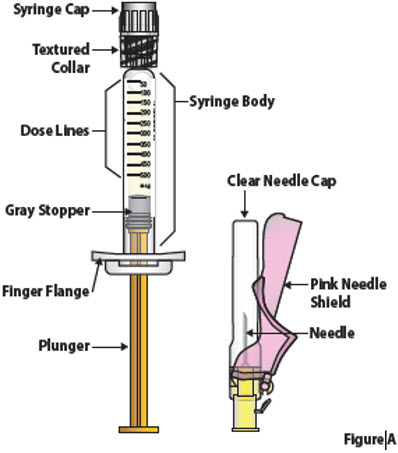
DOSAGE AND ADMINISTRATION 2.1 Pre-Treatment Testing Obtain a pregnancy test in females of reproductive potential prior to initiating treatment with BESREMi [see Use in Specific Populations (8.3)]. 2.2 Recommended Dosage Patients Not Already on Hydroxyurea: The recommended BESREMi starting dosage for patients not on hydroxyurea is 100 mcg by subcutaneous injection every two weeks. Increase the dose by 50 mcg every two weeks (up to a maximum of 500 mcg), until the hematological parameters are stabilized (hematocrit less than 45%, platelets less than 400 x 109/L, and leukocytes less than 10 x 109/L). Patients Transitioning from Hydroxyurea: When transitioning to BESREMi from hydroxyurea, start BESREMi at 50 mcg by subcutaneous injection every two weeks in combination with hydroxyurea. Gradually taper off the hydroxyurea by reducing the total biweekly dose by 20-40% every two weeks during Weeks 3-12. Increase the dose of BESREMi by 50 mcg every two weeks (up to a maximum of 500 mcg), until the hematological parameters are stabilized (hematocrit less than 45%, platelets less than 400 x 109/L, and leukocytes less than 10 x 109/L). Discontinue hydroxyurea by Week 13. Maintain the two-week dosing interval of BESREMi at which hematological stability is achieved for at least 1 year. After achievement of hematological stability for at least 1 year on a stable dose of BESREMi, the dosing interval may be expanded to every 4 weeks. Monitor patients closely especially during the titration phase. Perform complete blood counts (CBC) regularly, every 2 weeks during the titration phase and every 3-6 months during the maintenance phase (after the patient’s optimal dose is established). Monitor CBC more frequently if clinically indicated. Phlebotomy as rescue treatment to normalize blood hyperviscosity may be necessary during the titration phase [see Clinical Pharmacology (12.2)]. 2.3 Dose Modifications Monitor CBC every 2 weeks during the titration phase and dose modification phase. Phlebotomy as rescue treatment to normalize blood hyperviscosity may be necessary [see Clinical Pharmacology (12.2)]. If dose interruption occurs, resume dosing at previously attained levels. If drug-related toxicities arise, reduce the dose to the next lower level or interrupt in accordance with the table below (Table 1). If there is insufficient efficacy at the decreased dose following dose modification, a dose increase attempt to the next higher dose level should be considered after recovery to grade 1 toxicity. Table 1 Dose Modifications for BESREMi Adverse Reactions Adverse Reaction a Severity Dosage Modification Liver enzyme elevation with concomitant bilirubin elevation, or other evidence of hepatic decompensation Any increase above baseline Interrupt treatment until recovery, restart at dose 50 mcg lower than the interrupted dose. If the interrupted dose is 50 mcg, refrain from treatment until recovery. Consider permanent discontinuation if toxicity persists after four dose- modifications. Liver enzyme elevation >5 x the upper limit of normal (ULN) but ≤20 x ULN Decrease dose by 50 mcg; if toxicity does not improve, continue decreasing at biweekly intervals until alanine aminotransferase (ALT) and aspartate aminotransferase (AST) recover < 3 x ULN if baseline was normal; 3 x baseline if baseline was abnormal, and gamma-glutamyltransferase (GGT) recovers to < 2.5 x ULN if baseline was normal; 2.5 x baseline if baseline was abnormal. If the interrupted dose is 50 mcg, refrain from treatment until recovery. >20 x ULN Interrupt treatment until ALT and AST recover to < 3 x ULN if baseline was normal; 1.5 x baseline if baseline was abnormal, and gamma-glutamyltransferase (GGT) recovers to < 2.5 x ULN if baseline was normal; 2 x baseline if baseline was abnormal. Consider permanent discontinuation if toxicity persists after four dose-modifications. Cytopenia Anemia: Hemoglobin (Hgb) < 8 g/dL Thrombocytopenia: platelet count < 50,000/mm3 but ≥25,000/mm3 Leukopenia: white blood cell count (WBC) <2000/mm3 but ≥1,000/mm3 Decrease dose by 50 mcg; if toxicity does not improve, continue decreasing at biweekly intervals until recovery of Hgb >10.0 g/dL, platelets >75,000/mm3, and WBC >3,000/mm3 If the interrupted dose is 50 mcg, refrain from treatment until recovery. Anemia: Hemoglobin levels are life threatening, or urgent intervention needed Thrombocytopenia: platelet count <25,000/mm3 Leukopenia: WBC <1000/mm3 Interrupt treatment until recovery of Hgb >10.0 g/dL, platelets >75,000/mm3, and WBC >3,000/mm3. Consider permanent discontinuation if toxicity persists after four dose-modifications. Depression Mild, without suicidal ideation Moderate, without suicidal ideation Severe, or any severity with suicidal ideation Consider psychiatric consultation if persistent (>8 weeks). Consider dose reduction and psychiatric consultation. Discontinue therapy, recommend psychiatric consultation. a National Cancer Institute Common Terminology Criteria for Adverse Events (CTCAE), version 3.0 2.4 Preparation and Administration Read the INSTRUCTIONS FOR USE before administering the single-dose BESREMi prefilled syringe. BESREMi is for subcutaneous injection only and may be administered by either a healthcare professional, a patient or a caregiver. Before a decision is made to allow BESREMi to be administered by a patient or caregiver, ensure that the patient is an appropriate candidate for self-administration or administration by a caregiver. Proper training on storage, preparation and administration technique should be provided. If a patient or caregiver is not an appropriate candidate for any reason, then BESREMi should be administered by a healthcare professional. Before each injection, remove the carton that contains the BESREMi prefilled syringe from the refrigerator. Keep the prefilled syringe in the carton and lay it flat on a clean work surface for 15-30 minutes to allow the prefilled syringe to reach room temperature [59 ˚F to 77 ˚F (15 ˚C to 25 ˚C)]. Before injection, visually inspect BESREMi in the prefilled syringe for particulate matter and discoloration before administration (do not use if the solution in the syringe is cloudy, discolored, contains particulate matter or if the syringe shows any sign of damage). Syringe Preparation Remove the prefilled syringe cap by unscrewing it counterclockwise. Attach the covered needle to the prefilled syringe by firmly pushing it onto the collar of the syringe and then screwing (turn clockwise) it on until it feels securely attached. Choose one of the following injection sites: Lower stomach (abdomen) area, at least 2 inches away from the belly button, or top of thighs. Rotate (change) the injection site for each injection. Do not inject into skin that is irritated, red, bruised, infected, or scarred; clean the chosen injection site with an alcohol swab and let air dry. Uncap needle and move air bubbles to top. Pull the pink needle shield back and hold the syringe from the syringe body. Remove the clear needle cap by pulling it straight off. Throw away the needle cap into the trash. Hold the prefilled syringe with the needle pointing up. Tap on the body of the prefilled syringe to move any air bubbles to the top. Set Injection Dose Depending on the prescribed dose, the amount of dose in the syringe may need to be adjusted by discarding some of the medication. Hold the prefilled syringe at eye level with the needle pointing straight up over a paper towel, sink, or trash can. Check that you can see the dose lines and number markings on the prefilled syringe. Pinch the end of the plunger and slowly push up to remove liquid medicine until the top edge of the gray stopper lines up with the marking for the prescribed dose. Inject BESREMi Pinch the chosen injection site. While pinching the skin, insert needle at a 45- to 90-degree angle into the pinched skin, then release the pinched skin. Inject BESREMi by slowly pressing on the plunger all the way until it stops.
Warnings
WARNINGS AND PRECAUTIONS 5.1 Depression and Suicide Life-threatening or fatal neuropsychiatric reactions have occurred in patients receiving interferon alfa products, including BESREMi. These reactions may occur in patients with and without previous psychiatric illness. Serious neuropsychiatric reactions have been observed in 3% of patients treated with BESREMi during the clinical development program. Among the 178 patients in the clinical development program of BESREMi, 17 cases of depression, depressive symptoms, depressed mood, and listlessness occurred. Of these seventeen cases, 3.4% of the patients recovered with temporary drug interruption and 2.8% stopped BESREMi treatment. Other central nervous system effects, including suicidal ideation, attempted suicide, aggression, bipolar disorder, mania and confusion have been observed with other interferon alfa products. BESREMi is contraindicated in patients with a history of severe psychiatric disorders, particularly severe depression, suicidal ideation, or suicide attempt [see Contraindications (4) ]. Closely monitor patients for any symptoms of psychiatric disorders and consider psychiatric consultation and treatment if such symptoms emerge. If psychiatric symptoms worsen, it is recommended to discontinue BESREMi therapy. 5.2 Endocrine Toxicity Endocrine toxicity has occurred in patients receiving interferon alfa products, including BESREMi. These toxicities may include worsening hypothyroidism and hyperthyroidism. Autoimmune thyroiditis and hyperglycemia, including new onset type 1 diabetes, have been reported in patients receiving interferon alfa-2b products. Eight cases of hyperthyroidism (4.5%), seven cases of hypothyroidism (3.9%) and five cases (2.8%) of autoimmune thyroiditis/thyroiditis occurred in the development program of BESREMi. Do not use BESREMi in patients with active serious or untreated endocrine disorders associated with autoimmune disease [ Contraindications (4) ]. Evaluate thyroid function in patients who develop symptoms suggestive of thyroid disease during BESREMi therapy. Discontinue BESREMi in patients who develop endocrine disorders that cannot be adequately managed during treatment with BESREMi. 5.3 Cardiovascular Toxicity Cardiovascular toxicity has occurred in patients receiving interferon alfa products, including BESREMi. Toxicities may include cardiomyopathy, myocardial infarction, atrial fibrillation and coronary artery ischemia [see Adverse Reactions (6.1) ]. Patients with a history of cardiovascular disorders should be closely monitored for cardiovascular toxicity during BESREMi therapy. Avoid use of BESREMi in patients with severe or unstable cardiovascular disease, (e.g., uncontrolled hypertension, congestive heart failure (≥ NYHA class 2), serious cardiac arrhythmia, significant coronary artery stenosis, unstable angina) or recent stroke or myocardial infarction. 5.4 Decreased Peripheral Blood Counts Decreased peripheral blood counts have occurred in patients receiving interferon alfa products, including BESREMi. These toxicities may include thrombocytopenia (increasing the risk of bleeding), anemia, and leukopenia (increasing the risk of infection). Thrombocytopenia of grade 3 (platelet counts <50,000 – 25,000/mm3) or greater occurred in 2% of BESREMi-treated patients. Anemia of grade 3 (Hgb < 8 g/dL) or greater occurred in 1% of BESREMi-treated patients. Leukopenia of grade 3 (WBC counts <2,000 – 1,000/mm3) or greater occurred in 2% of BESREMi-treated patients. Infection occurred in 48% of BESREMi treated patients, while serious infections occurred in 8% of BESREMi treated patients. Monitor complete blood counts at baseline, during titration and every 3-6 months during the maintenance phase. Monitor patients for signs and symptoms of infection or bleeding. 5.5 Hypersensitivity Reactions Hypersensitivity reactions have occurred in patients receiving interferon alfa products, including BESREMi. BESREMi is contraindicated in patients with hypersensitivity reactions to interferon products or any of the inactive ingredients in BESREMi [see Contraindications (4) ]. Toxicities may include serious, acute hypersensitivity reactions (e.g., urticaria, angioedema, bronchoconstriction, anaphylaxis). If such reactions occur, discontinue BESREMi and institute appropriate medical therapy immediately. Transient rashes may not necessitate interruption of treatment. 5.6 Pancreatitis Pancreatitis has occurred in patients receiving interferon alfa products, including BESREMi. Pancreatitis was reported in 2.2% of patients receiving BESREMi. Symptoms may include nausea, vomiting, upper abdominal pain, bloating, and fever. Patients may experience elevated lipase, amylase, white blood cell count, or altered renal/hepatic function. Interrupt BESREMi treatment in patients with possible pancreatitis and evaluate promptly. Consider discontinuation of BESREMi in patients with confirmed pancreatitis. 5.7 Colitis Fatal and serious ulcerative or hemorrhagic/ischemic colitis have occurred in patients receiving interferon alfa products, some cases occurring as early as 12 weeks after start of treatment. Symptoms may include abdominal pain, bloody diarrhea, and fever. Discontinue BESREMi in patients who develop these signs or symptoms. Colitis may resolve within 1 to 3 weeks of stopping treatment. 5.8 Pulmonary Toxicity Pulmonary toxicity has occurred in patients receiving interferon alfa products, including BESREMi. Pulmonary toxicity may manifest as dyspnea, pulmonary infiltrates, pneumonia, bronchiolitis obliterans, interstitial pneumonitis, pulmonary hypertension, and sarcoidosis. Some events have resulted in respiratory failure or death. Discontinue BESREMi in patients who develop pulmonary infiltrates or pulmonary function impairment. 5.9 Ophthalmologic Toxicity Ophthalmologic toxicity has occurred in patients receiving interferon alfa products, including BESREMi. These toxicities may include severe eye disorders such as retinopathy, retinal hemorrhage, retinal exudates, retinal detachment and retinal artery or vein occlusion which may result in blindness. During BESREMi therapy, 23% of patients were identified with an eye disorder. Eyes disorders ≥5% included cataract (6%) and dry eye (5%). Advise patients to have eye examinations before and during BESREMi therapy, specifically in those patients with a retinopathy-associated disease such as diabetes mellitus or hypertension. Evaluate eye symptoms promptly. Discontinue BESREMi in patients who develop new or worsening eye disorders. 5.10 Hyperlipidemia Hyperlipidemia has occurred in patients treated with interferon alfa products, including BESREMi. Hyperlipidemia, hypertriglyceridemia, or dyslipidemia occurred in 3% of patients receiving BESREMi. Elevated triglycerides may result in pancreatitis [see Warnings and Precautions (5.6) ]. Monitor serum triglycerides before BESREMi treatment and intermittently during therapy and manage when elevated. Consider discontinuation of BESREMi in patients with persistently, markedly elevated triglycerides. 5.11 Hepatotoxicity Hepatotoxicity has occurred in patients receiving interferon alfa products, including BESREMi. These toxicities may include increases in serum ALT, AST, GGT and bilirubin. BESREMi is contraindicated in patients with moderate (Child-Pugh B) or severe (Child-Pugh C) hepatic impairment [see Contraindications (4) ]. Increases in serum ALT ≥3 times the upper limit of normal (ULN), AST ≥3 times the ULN, GGT ≥3 times the ULN, and bilirubin >2 times the ULN have been observed in patients treated with BESREMi. In the clinical development program of BESREMi, 36 patients (20%) experienced liver enzyme elevations, 33 of whom had elevations of 1.25-5x ULN. Patients were able to resume BESREMi upon resolution of liver enzyme elevations. Liver enzyme elevations have also been reported in patients after long-term BESREMi therapy. Monitor liver enzymes and hepatic function at baseline and during B
Contraindications
CONTRAINDICATIONS BESREMi is contraindicated in patients with: Existence of, or history of severe psychiatric disorders, particularly severe depression, suicidal ideation, or suicide attempt Hypersensitivity to interferons including interferon alfa-2b or any of the inactive ingredients of BESREMi Moderate (Child-Pugh B) or severe (Child-Pugh C) hepatic impairment History or presence of active serious or untreated autoimmune disease History of transplantation and receiving immunosuppressant agents. Existence of, or history of severe psychiatric disorders, particularly severe depression, suicidal ideation or suicide attempt ( 4 ) Hypersensitivity to interferon or to any component of BESREMi ( 4 ) Hepatic impairment (Child-Pugh B or C) ( 4 ) History or presence of active serious or untreated autoimmune disease ( 4 ) Immunosuppressed transplant recipients ( 4 )
Drug interactions
DRUG INTERACTIONS 7.1 Drugs Metabolized by Cytochrome P450 Certain proinflammatory cytokines, including interferons, can suppress CYP450 enzymes resulting in increased exposures of some CYP substrates [see Clinical Pharmacology (12.3)] . Therefore, patients on BESREMi who are receiving concomitant drugs that are CYP450 substrates with a narrow therapeutic index should be monitored to inform the need for dosage modification for these concomitant drugs. 7.2 Myelosuppressive Agents Concomitant use of BESREMi and myelosuppressive agents can produce additive myelosuppression. Avoid use and monitor patients receiving the combination for effects of excessive myelosuppression [see Warnings and Precautions (5.4)] . 7.3 Narcotics, Hypnotics or Sedatives Concomitant use of BESREMi and narcotics, hypnotics or sedatives can produce additive neuropsychiatric side effects. Avoid use and monitor patients receiving the combination for effects of excessive CNS toxicity [see Warnings and Precautions (5.1)] . Monitor patients taking CYP450 substrates with a narrow therapeutic index for adverse reactions to inform the need for dose adjustment of the concomitant drug ( 7.1 ) Avoid use with myelosuppressive agents and monitor patients receiving the combination for effects of excessive myelosuppression ( 7.2 ) Avoid use with narcotics, hypnotics or sedatives. Monitor patients receiving the combination for excessive central nervous system toxicity ( 7.3 ) 7.1 Drugs Metabolized by Cytochrome P450 Certain proinflammatory cytokines, including interferons, can suppress CYP450 enzymes resulting in increased exposures of some CYP substrates [see Clinical Pharmacology (12.3) ] . Therefore, patients on BESREMi who are receiving concomitant drugs that are CYP450 substrates with a narrow therapeutic index should be monitored to inform the need for dosage modification for these concomitant drugs. 7.2 Myelosuppressive Agents Concomitant use of BESREMi and myelosuppressive agents can produce additive myelosuppression. Avoid use and monitor patients receiving the combination for effects of excessive myelosuppression [see Warnings and Precautions (5.4) ] . 7.3 Narcotics, Hypnotics or Sedatives Concomitant use of BESREMi and narcotics, hypnotics or sedatives can produce additive neuropsychiatric side effects. Avoid use and monitor patients receiving the combination for effects of excessive CNS toxicity [see Warnings and Precautions (5.1) ] .
Adverse reactions
ADVERSE REACTIONS The following clinically significant adverse reactions are described elsewhere in the labeling. Depression and Suicide [see Warnings and Precautions (5.1)] Endocrine Toxicity [see Warnings and Precautions (5.2)] Cardiovascular Toxicity [see Warnings and Precautions (5.3)] Decreased Peripheral Blood Counts [see Warnings and Precautions (5.4)] Hypersensitivity Reactions [see Warnings and Precautions (5.5)] Pancreatitis [see Warnings and Precautions (5.6)] Colitis [see Warnings and Precautions (5.7)] Pulmonary Toxicity [see Warnings and Precautions (5.8)] Ophthalmologic Toxicity [see Warnings and Precautions (5.9)] Hyperlipidemia [see Warnings and Precautions (5.10)] Hepatotoxicity [see Warnings and Precautions (5.11)] Renal Toxicity [see Warnings and Precautions (5.12)] Dental and Periodontal Toxicity [see Warnings and Precautions (5.13)] Dermatologic Toxicity [see Warnings and Precautions (5.14)] Driving and Operating Machinery [see Warnings and Precautions (5.15)] 6.1 Clinical Trials Experience Because clinical trials are conducted under widely varying conditions, adverse reaction rates observed in the clinical trials of a drug cannot be directly compared to rates in the clinical trials of another drug and may not reflect the rates observed in practice. The pooled safety population described in the Warnings and Precautions section reflects exposure to BESREMi as monotherapy for the treatment of polycythemia vera dosed every two to four weeks in 178 patients in two open-label trials [PEGINVERA, PROUD/CONTINUATION PV]. The mean age at baseline was 58.6 years (range 30-85 years), 88 (49.4%) women, 90 (50.6%) men, 177 (99%) Caucasian and 1 (1%) Asian. Among 178 patients who received BESREMi, 80% were exposed for 12 months or longer. The mean dose of BESREMi was 334 mcg SD ± 121 during the treatment period. In this pooled safety population, the most common adverse reactions greater than 10%, were liver enzyme elevations (20%), leukopenia (20%), thrombocytopenia (19%), arthralgia (13%), fatigue (12%), myalgia (11%), and influenza-like illness (11%). The safety findings described below reflect exposure to BESREMi as monotherapy for the treatment of polycythemia vera in 51 patients in the PEGINVERA study [see Clinical Studies (14) ]. Among the 51 patients receiving BESREMi, 71% were exposed for 12 months or longer, 63% were exposed for three years or longer, and 53% were exposed for greater than five years. Serious adverse reactions were reported in 16% of patients in the PEGINVERA study. The most common serious adverse reactions observed during the study (> 4%) included urinary tract infection (8%), transient ischemic attack (6%) and depression (4%). Adverse reactions requiring permanent discontinuation in >2% of patients who received BESREMi included depression (8%) arthralgia (4%), fatigue (4%), and general physical health deterioration (4%) In the PEGINVERA study, patients were not pre-screened for depression or anxiety disorders. The most common adverse reactions reported in ≥10% of patients in the PEGINVERA study are listed in Table 2. Table 2 Adverse Reactions in > 10% of Subjects with Polycythemia Vera in the PEGINVERA Study Over 7.5 Years. Adverse Reactions* BESREMi N=51 % Influenza-like illness a 59 Arthralgia 47 Fatigue b 47 Pruritis 45 Nasopharyngitis c 43 Musculoskeletal pain d 41 Headache e 39 Diarrhea 33 Hyperhidrosis f 29 Nausea 28 Upper respiratory tract infection g 27 Local administration site reactions 26 Dizziness 22 Abdominal pain h 20 Depression 20 Sleep disorder i 20 Leukopenia 18 Decreased appetite 18 Alopecia 16 Edema j 16 Hypertension k 16 Muscle spasms 16 Neutropenia 16 Rash l 16 Transaminase elevations m 16 Urinary tract infection 16 Thrombocytopenia 12 Vertigo 12 *Adverse Reactions defined as all treatment emergent adverse events Grouped Term Definitions a Includes pyrexia, chills, and influenza-like illness. b Includes asthenia, malaise, and fatigue. c Includes pharyngitis and nasopharyngitis. d Includes musculoskeletal pain, back pain, pain in extremity, bone pain, flank pain, and spinal pain. e Includes headache, migraine, and head pain. f Includes night sweats and hyperhidrosis. g Includes upper respiratory tract infection, rhinitis, bronchitis, and respiratory tract infection. h Includes abdominal pain upper, abdominal pain lower, and abdominal pain. i Includes insomnia, sleep disorder, and abnormal dreams. j Includes peripheral edema and generalized edema. k Includes hypertension and hypertensive crisis. l Includes rash, maculopapular rash, and pruritic rash. m Includes transaminase increase, hepatic enzyme increase, GGT increase, AST increase, and ALT increase. Cardiovascular System : Atrial fibrillation The most common adverse reactions reported in > 40% of patients were influenza-like illness, arthralgia, fatigue, pruritus, nasopharyngitis, and musculoskeletal pain ( 6 ). To report SUSPECTED ADVERSE REACTIONS, contact PharmaEssentia at 1-800-999-2449 or FDA at 1-800-FDA-1088 or www.fda.gov/medwatch. 6.1 Clinical Trials Experience The following clinically significant adverse reactions are described elsewhere in the labeling. Depression and Suicide [see Warnings and Precautions (5.1) ] Endocrine Toxicity [see Warnings and Precautions (5.2) ] Cardiovascular Toxicity [see Warnings and Precautions (5.3) ] Decreased Peripheral Blood Counts [see Warnings and Precautions (5.4) ] Hypersensitivity Reactions [see Warnings and Precautions (5.5) ] Pancreatitis [see Warnings and Precautions (5.6) ] Colitis [see Warnings and Precautions (5.7) ] Pulmonary Toxicity [see Warnings and Precautions (5.8) ] Ophthalmologic Toxicity [see Warnings and Precautions (5.9) ] Hyperlipidemia [see Warnings and Precautions (5.10) ] Hepatotoxicity [see Warnings and Precautions (5.11) ] Renal Toxicity [see Warnings and Precautions (5.12) ] Dental and Periodontal Toxicity [see Warnings and Precautions (5.13) ] Dermatologic Toxicity [see Warnings and Precautions (5.14) ] Driving and Operating Machinery [see Warnings and Precautions (5.15) ] Embryo-Fetal Toxicity [see Warnings and Precautions (5.16) ] Because clinical trials are conducted under widely varying conditions, adverse reaction rates observed in the clinical trials of a drug cannot be directly compared to rates in the clinical trials of another drug and may not reflect the rates observed in practice. The pooled safety population described in the Warnings and Precautions section reflects exposure to BESREMi as monotherapy for the treatment of polycythemia vera dosed every two to four weeks in 178 patients in two open-label trials [ PEGINVERA, PROUD/CONTINUATION PV ]. The mean age at baseline was 58.6 years (range 30-85 years), 88 (49.4%) women, 90 (50.6%) men, 177 (99%) Caucasian and 1 (1%) Asian. Among 178 patients who received BESREMi, 80% were exposed for 12 months or longer. The mean dose of BESREMi was 334 mcg SD ± 121 during the treatment period. In this pooled safety population, the most common adverse reactions greater than 10%, were liver enzyme elevations (20%), leukopenia (20%), thrombocytopenia (19%), arthralgia (13%), fatigue (12%), myalgia (11%), and influenza-like illness (11%). The safety findings described below reflect exposure to BESREMi as monotherapy for the treatment of polycythemia vera in 51 patients in the PEGINVERA study [see Clinical Studies (14) ] . Among the 51 patients receiving BESREMi, 71% were exposed for 12 months or longer, 63% were exposed for three years or longer, and 53% were exposed for greater than five years. Serious adverse reactions were reported in 16% of patients in the PEGINVERA study. The most common serious adverse reactions observed during the study (≥ 4%) included urinary tract infection (8%), transient ischemic attack (6%) and depression (4%). Adverse reactions requiring permanent discontinuation in >2% of patients who received BESREMi included depression (8%), arthralgia (4%), fatigue (4%), and general physical health deteriora
Mechanism of action
Mechanism of Action Interferon alfa belongs to the class of type I interferons, which exhibit their cellular effects in polycythemia vera in the bone marrow by binding to a transmembrane receptor termed interferon alfa receptor (IFNAR). Binding to IFNAR initiates a downstream signaling cascade through the activation of kinases, in particular Janus kinase 1 (JAK1) and tyrosine kinase 2 (TYK2) and activator of transcription (STAT) proteins. Nuclear translocation of STAT proteins controls distinct gene-expression programs and exhibits various cellular effects. The actions involved in the therapeutic effects of interferon alfa in polycythemia vera are not fully elucidated.
A drug lookup is just the start. Eleplan keeps the whole care plan in one place.
Medications, diagnoses, documents, appointments, and the whole care team — organized and always in sync, with Ellie, your AI care assistant, on top of it. Free to start.