Atorvastatin
Managing this medication for someone you care for? Eleplan keeps diagnoses, medications and appointments in one plan.
Start free with EleplanMedication reference
Atorvastatin
HMG-CoA Reductase Inhibitor [EPC] — ORAL
Atorvastatin — HMG-CoA Reductase Inhibitor [EPC]. INDICATIONS AND USAGE Therapy with lipid-altering agents should be only one component of multiple risk factor intervention in individuals at…
Brand names
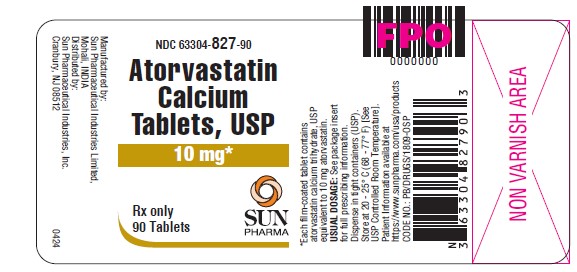
Atorvastatin calciumatorvastatin calciumATORVASTATIN CALCIUMAtorvastatin CalciumLipitorATORVALIQ
Active ingredients
ATORVASTATIN CALCIUM TRIHYDRATEATORVASTATIN CALCIUM PROPYLENE GLYCOL SOLVATEATORVASTATIN
Indications
INDICATIONS AND USAGE Therapy with lipid-altering agents should be only one component of multiple risk factor intervention in individuals at significantly increased risk for atherosclerotic vascular disease due to hypercholesterolemia. Drug therapy is recommended as an adjunct to diet when the response to a diet restricted in saturated fat and cholesterol and other nonpharmacologic measures alone has been inadequate. In patients with CHD or multiple risk factors for CHD, atorvastatin calcium tablets can be started simultaneously with diet. Atorvastatin calcium is an HMG-CoA reductase inhibitor indicated as an adjunct therapy to diet to: • Reduce the risk of MI, stroke, revascularization procedures, and angina in adult patients without CHD, but with multiple risk factors ( 1.1 ). • Reduce the risk of MI and stroke in adult patients with type 2 diabetes without CHD, but with multiple risk factors ( 1.1 ). • Reduce the risk of non-fatal MI, fatal and non-fatal stroke, revascularization procedures, hospitalization for CHF, and angina in adult patients with CHD ( 1.1 ). • Reduce elevated total-C, LDL-C, apo B, and TG levels and increase HDL-C in adult patients with primary hyperlipidemia (heterozygous familial and nonfamilial) and mixed dyslipidemia ( 1.2 ). • Reduce elevated TG in adult patients with hypertriglyceridemia and primary dysbetalipoproteinemia ( 1.2 ). • Reduce total-C and LDL-C in patients with homozygous familial hypercholesterolemia (HoFH) ( 1.2 ). • Reduce elevated total-C, LDL-C, and apo B levels in pediatric patients, 10 years to 17 years of age, with heterozygous familial hypercholesterolemia (HeFH) after failing an adequate trial of diet therapy ( 1.2 ). Limitations of Use Atorvastatin calcium tablets have not been studied in Fredrickson Types I and V dyslipidemias ( Error! Hyperlink reference not valid. ). 1.1 Prevention of Cardiovascular Disease in Adults In adult patients without clinically evident coronary heart disease, but with multiple risk factors for coronary heart disease such as age, smoking, hypertension, low HDL-C, or a family history of early coronary heart disease, atorvastatin calcium tablet is indicated to: • Reduce the risk of myocardial infarction • Reduce the risk of stroke • Reduce the risk for revascularization procedures and angina In adult patients with type 2 diabetes, and without clinically evident coronary heart disease, but with multiple risk factors for coronary heart disease such as retinopathy, albuminuria, smoking, or hypertension, atorvastatin calcium tablet is indicated to: • Reduce the risk of myocardial infarction • Reduce the risk of stroke In adult patients with clinically evident coronary heart disease, atorvastatin calcium tablet is indicated to: • Reduce the risk of non-fatal myocardial infarction • Reduce the risk of fatal and non-fatal stroke • Reduce the risk for revascularization procedures • Reduce the risk of hospitalization for CHF • Reduce the risk of angina 1.2 Hyperlipidemia Atorvastatin calcium tablet is indicated: ▪ As an adjunct to diet to reduce elevated total-C, LDL-C, apo B, and TG levels and to increase HDL-C in adult patients with primary hypercholesterolemia (heterozygous familial and nonfamilial) and mixed dyslipidemia (Fredrickson Types IIa and IIb); ▪ As an adjunct to diet for the treatment of adult patients with elevated serum TG levels (Fredrickson Type IV); ▪ For the treatment of adult patients with primary dysbetalipoproteinemia (Fredrickson Type III) who do not respond adequately to diet; ▪ To reduce total-C and LDL-C in patients with homozygous familial hypercholesterolemia (HoFH) as an adjunct to other lipid-lowering treatments (e.g., LDL apheresis) or if such treatments are unavailable; ▪ As an adjunct to diet to reduce total-C, LDL-C, and apo B levels in pediatric patients, 10 years to 17 years of age, with heterozygous familial hypercholesterolemia (HeFH) if after an adequate trial of diet therapy the following findings are present: 1. LDL-C remains ≥ 190 mg/dL or 2. LDL-C remains ≥ 160 mg/dL and: ▪ there is a positive family history of premature cardiovascular disease or ▪ two or more other CVD risk factors are present in the pediatric patient 1.3 Limitations of Use Atorvastatin calcium tablets have not been studied in conditions where the major lipoprotein abnormality is elevation of chylomicrons (Fredrickson Types I and V).
Dosage
DOSAGE AND ADMINISTRATION Dose range: 10 to 80 mg once daily ( 2.1 ). Recommended start dose: 10 or 20 mg once daily ( 2.1 ). Patients requiring large LDL-C reduction (>45%) may start at 40 mg once daily ( 2.1 ). Pediatric starting dose: 10 mg once daily; maximum recommended dose: 20 mg once daily ( 2.2 ). 2.1 Hyperlipidemia Hyperlipidemia (Heterozygous Familial and Nonfamilial) and Mixed Dyslipidemia (Fredrickson Types IIa and IIb) The recommended starting dose of atorvastatin calcium tablets is 10 or 20 mg once daily. Patients who require a large reduction in LDL-C (more than 45%) may be started at 40 mg once daily. The dosage range of atorvastatin calcium tablets is 10 to 80 mg once daily. Atorvastatin calcium tablets can be administered as a single dose at any time of the day, with or without food. The starting dose and maintenance doses of atorvastatin calcium tablets should be individualized according to patient characteristics such as goal of therapy and response (see current NCEP Guidelines ). After initiation and/or upon titration of atorvastatin calcium tablets, lipid levels should be analyzed within 2 to 4 weeks and dosage adjusted accordingly. 2.2 Heterozygous Familial Hypercholesterolemia in Pediatric Patients Heterozygous Familial Hypercholesterolemia in Pediatric Patients (10 to 17 years of age) The recommended starting dose of atorvastatin calcium tablets is 10 mg/day; the maximum recommended dose is 20 mg/day (doses greater than 20 mg have not been studied in this patient population). Doses should be individualized according to the recommended goal of therapy [see current NCEP Pediatric Panel Guidelines , Clinical Pharmacology (12) , and Indications and Usage (1.2) ] . Adjustments should be made at intervals of 4 weeks or more. 2.3 Homozygous Familial Hypercholesterolemia The dosage of atorvastatin calcium tablets in patients with homozygous FH is 10 to 80 mg daily. Atorvastatin calcium tablets should be used as an adjunct to other lipid lowering treatments (e.g., LDL apheresis) in these patients or if such treatments are unavailable. 2.4 Concomitant Lipid-Lowering Therapy Atorvastatin calcium tablets may be used with bile acid resins. The combination of HMG-CoA reductase inhibitors (statins) and fibrates should generally be used with caution [see Warnings and Precautions, Skeletal Muscle (5.1) , Drug Interactions (7) ] . 2.5 Dosage in Patients With Renal Impairment Renal disease does not affect the plasma concentrations nor LDL-C reduction of atorvastatin calcium tablets ; thus, dosage adjustment in patients with renal dysfunction is not necessary [see Warnings and Precautions, Skeletal Muscle (5.1) , Clinical Pharmacology, Pharmacokinetics (12.3) ] . 2.6 Dosage in Patients Taking Cyclosporine, Clarithromycin, Itraconazole, or Certain Protease Inhibitors In patients taking cyclosporine or the HIV protease inhibitors (tipranavir plus ritonavir) or the hepatitis C protease inhibitor (telaprevir), therapy with atorvastatin calcium tablets should be avoided. In patients with HIV taking lopinavir plus ritonavir, caution should be used when prescribing atorvastatin calcium tablets and the lowest dose necessary employed. In patients taking clarithromycin, itraconazole, or in patients with HIV taking a combination of saquinavir plus ritonavir, darunavir plus ritonavir, fosamprenavir, or fosamprenavir plus ritonavir, therapy with atorvastatin calcium tablets should be limited to 20 mg, and appropriate clinical assessment is recommended to ensure that the lowest dose necessary of atorvastatin calcium is employed. In patients taking the HIV protease inhibitor nelfinavir or the hepatitis C protease inhibitor boceprevir, therapy with atorvastatin calcium tablets should be limited to 40 mg, and appropriate clinical assessment is recommended to ensure that the lowest dose necessary of atorvastatin calcium tablets is employed [see Warnings and Precautions , Skeletal Muscle (5.1) , Drug Interactions (7) ] .
Warnings
WARNINGS AND PRECAUTIONS Myopathy and Rhabdomyolysis: Risks increase when higher doses are used concomitantly with cyclosporine and strong CYP3A4 inhibitors (e.g., clarithromycin, itraconazole, human immunodeficiency virus (HIV) or hepatitis C virus (HCV) protease inhibitors). Predisposing factors include advanced age (> 65), uncontrolled hypothyroidism, and renal impairment. Rare cases of rhabdomyolysis with acute renal failure secondary to myoglobinuria have been reported. Advise patients to promptly report to their physician unexplained and/or persistent muscle pain, tenderness, or weakness. Atorvastatin calcium therapy should be discontinued if myopathy is diagnosed or suspected ( 2.6 , 5.1 , 8.5 ). Immune-Mediated Necrotizing Myopathy (IMNM): There have been rare reports of IMNM, an autoimmune myopathy, associated with statin use. IMNM is characterized by: proximal muscle weakness and elevated serum creatine kinase, which persist despite discontinuation of statin treatment; positive anti-HMG CoA reductase antibody; muscle biopsy showing necrotizing myopathy; and improvement with immunosuppressive agents ( 5.2 ). Liver enzyme abnormalities: Persistent elevations in hepatic transaminases can occur. Check liver enzyme tests before initiating therapy and as clinically indicated thereafter ( 5.3 ). A higher incidence of hemorrhagic stroke was seen in patients without CHD but with stroke or TIA within the previous 6 months in the atorvastatin calcium 80 mg group vs. placebo ( 5.6 ). 5.1 Myopathy and Rhabdomyolysis Atorvastatin calcium may cause myopathy (muscle pain, tenderness, or weakness with creatine kinase (CK) above ten times the upper limit of normal) and rhabdomyolysis (with or without acute renal failure secondary to myoglobinuria). Rare fatalities have occurred as a result of rhabdomyolysis with statin use, including atorvastatin. Risk Factors for Myopathy Risk factors for myopathy include age 65 years or greater, uncontrolled hypothyroidism, renal impairment, concomitant use with certain other drugs, and higher atorvastatin dosage [see Drug Interactions (7.1) ]. Steps to Prevent or Reduce the Risk of Myopathy and Rhabdomyolysis Atorvastatin exposure may be increased by drug interactions due to inhibition of cytochrome P450 enzyme 3A4 (CYP3A4) and/or transporters (e.g., breast cancer resistant protein [BCRP], organic anion-transporting polypeptide [OATP1B1/OATP1B3] and P-glycoprotein [P-gp]), resulting in an increased risk of myopathy and rhabdomyolysis. Concomitant use of cyclosporine, gemfibrozil, tipranavir plus ritonavir, or glecaprevir plus pibrentasvir with atorvastatin is not recommended. Atorvastatin dosage modifications are recommended for patients taking certain anti-viral, azole antifungals, or macrolide antibiotic medications [see Dosage and Administration (2.6) ] . Cases of myopathy/rhabdomyolysis have been reported with atorvastatin coadministered with lipid modifying doses (>1 gram/day) of niacin, fibrates, colchicine, and ledipasvir plus sofosbuvir. Consider if the benefit of use of these products outweighs the increased risk of myopathy and rhabdomyolysis [see Drug Interactions (7.1) ]. Concomitant intake of large quantities, more than 1.2 liters daily, of grapefruit juice is not recommended in patients taking atorvastatin [see Drug Interactions (7.1) ]. Discontinue atorvastatin if markedly elevated CK levels occur or myopathy is diagnosed or suspected. Muscle symptoms and CK increases may resolve if atorvastatin is discontinued. Temporarily discontinue atorvastatin in patients experiencing an acute or serious condition at high risk of developing renal failure secondary to rhabdomyolysis (e.g., sepsis; shock; severe hypovolemia; major surgery; trauma; severe metabolic, endocrine, or electrolyte disorders; or uncontrolled epilepsy). Inform patients of the risk of myopathy and rhabdomyolysis when starting or increasing the atorvastatin dosage. Instruct patients to promptly report any unexplained muscle pain, tenderness or weakness, particularly if accompanied by malaise or fever. 5.2 Immune-Mediated Necrotizing Myopathy There have been rare reports of immune-mediated necrotizing myopathy (IMNM), an autoimmune myopathy, associated with statin use. IMNM is characterized by: proximal muscle weakness and elevated serum creatine kinase, which persist despite discontinuation of statin treatment; positive anti-HMG CoA reductase antibody; muscle biopsy showing necrotizing myopathy; and improvement with immunosuppressive agents. Additional neuromuscular and serologic testing may be necessary. Treatment with immunosuppressive agents may be required. Consider risk of IMNM carefully prior to initiation of a different statin. If therapy is initiated with a different statin, monitor for signs and symptoms of IMNM. 5.3 Liver Dysfunction Statins, like some other lipid-lowering therapies, have been associated with biochemical abnormalities of liver function. Persistent elevations (>3 times the upper limit of normal [ULN] occurring on 2 or more occasions) in serum transaminases occurred in 0.7% of patients who received atorvastatin calcium in clinical trials. The incidence of these abnormalities was 0.2%, 0.2%, 0.6%, and 2.3% for 10, 20, 40, and 80 mg, respectively. One patient in clinical trials developed jaundice. Increases in liver function tests (LFT) in other patients were not associated with jaundice or other clinical signs or symptoms. Upon dose reduction, drug interruption, or discontinuation, transaminase levels returned to or near pretreatment levels without sequelae. Eighteen of 30 patients with persistent LFT elevations continued treatment with a reduced dose of atorvastatin. It is recommended that liver enzyme tests be obtained prior to initiating therapy with atorvastatin and repeated as clinically indicated. There have been rare postmarketing reports of fatal and non-fatal hepatic failure in patients taking statins, including atorvastatin. If serious liver injury with clinical symptoms and/or hyperbilirubinemia or jaundice occurs during treatment with atorvastatin, promptly interrupt therapy. If an alternate etiology is not found, do not restart atorvastatin. Atorvastatin should be used with caution in patients who consume substantial quantities of alcohol and/or have a history of liver disease. Active liver disease or unexplained persistent transaminase elevations are contraindications to the use of atorvastatin [ see Contraindications (4) ]. 5.4 Endocrine Function Increases in HbA1c and fasting serum glucose levels have been reported with HMG-CoA reductase inhibitors, including atorvastatin. Statins interfere with cholesterol synthesis and theoretically might blunt adrenal and/or gonadal steroid production. Clinical studies have shown that atorvastatin does not reduce basal plasma cortisol concentration or impair adrenal reserve. The effects of statins on male fertility have not been studied in adequate numbers of patients. The effects, if any, on the pituitary-gonadal axis in premenopausal women are unknown. Caution should be exercised if a statin is administered concomitantly with drugs that may decrease the levels or activity of endogenous steroid hormones, such as ketoconazole, spironolactone, and cimetidine. 5.5 CNS Toxicity Brain hemorrhage was seen in a female dog treated for 3 months at 120 mg/kg/day. Brain hemorrhage and optic nerve vacuolation were seen in another female dog that was sacrificed in moribund condition after 11 weeks of escalating doses upto 280 mg/kg/day. The 120 mg/kg dose resulted in a systemic exposure approximately 16 times the human plasma area-under-the-curve (AUC, 0 to 24 hours) based on the maximum human dose of 80 mg/day. A single tonic convulsion was seen in each of 2 male dogs (one treated at 10 mg/kg/day and one at 120 mg/kg/day) in a 2-year study. No CNS lesions have been observed in mice after chronic treatment for up to 2 years at doses up to 400 mg/kg/day or in rats at doses up to 100
Contraindications
CONTRAINDICATIONS Active liver disease, which may include unexplained persistent elevations in hepatic transaminase levels ( Error! Hyperlink reference not valid. ). Women who are pregnant or may become pregnant ( 4.3 ). Nursing mothers ( 4.4 ). Hypersensitivity to any component of this medication ( Error! Hyperlink reference not valid. ). 4.1 Active liver disease, which may include unexplained persistent elevations in hepatic transaminase levels 4.2 Hypersensitivity to any Component of this Medication 4.3 Pregnancy Women who are pregnant or may become pregnant. Atorvastatin calcium may cause fetal harm when administered to a pregnant woman. Serum cholesterol and triglycerides increase during normal pregnancy, and cholesterol or cholesterol derivatives are essential for fetal development. Atherosclerosis is a chronic process and discontinuation of lipid-lowering drugs during pregnancy should have little impact on the outcome of long-term therapy of primary hypercholesterolemia. There are no adequate and well-controlled studies of atorvastatin calcium use during pregnancy; however in rare reports, congenital anomalies were observed following intrauterine exposure to statins. In rat and rabbit animal reproduction studies, atorvastatin revealed no evidence of teratogenicity. ATORVASTATIN CALCIUM SHOULD BE ADMINISTERED TO WOMEN OF CHILDBEARING AGE ONLY WHEN SUCH PATIENTS ARE HIGHLY UNLIKELY TO CONCEIVE AND HAVE BEEN INFORMED OF THE POTENTIAL HAZARDS. If the patient becomes pregnant while taking this drug, atorvastatin calcium should be discontinued immediately and the patient apprised of the potential hazard to the fetus [see Use in Specific Populations (8.1) ] . 4.4 Nursing mothers It is not known whether atorvastatin is excreted into human milk; however a small amount of another drug in this class does pass into breast milk. Because statins have the potential for serious adverse reactions in nursing infants, women who require atorvastatin calcium treatment should not breastfeed their infants [see Use in Specific Populations (8.3) ] .
Drug interactions
DRUG INTERACTIONS Drug Interactions that may Increase the Risk of Myopathy and Rhabdomyolysis with atorvastatin calcium ( 2.6 , 5.1 , 7.1 , 12.3 ) Interacting Agents Prescribing Recommendations Cyclosporine, tipranavir plus ritonavir, glecaprevir plus pibrentasvir Avoid atorvastatin Clarithromycin, itraconazole, saquinavir plus ritonavir, darunavir plus ritonavir, fosamprenavir, fosamprenavir plus ritonavir, elbasvir plus grazoprevir, letermovir Do not exceed 20 mg atorvastatin daily Nelfinavir Do not exceed 40 mg atorvastatin daily Lopinavir plus ritonavir, simeprevir, fibric acid derivatives, erythromycin, azole antifungals, lipid-modifying doses of niacin, colchicine Consider the risk/benefit of concomitant use with atorvastatin Other Lipid-Lowering Medications: Use with fibrate products or lipid-modifying doses (≥1 g/day) of niacin increases the risk of adverse skeletal muscle effects. Caution should be used when prescribing with atorvastatin calcium ( 7 ). Rifampin should be simultaneously co-administered with atorvastatin calcium ( 7.2 ). Oral Contraceptives: Values for norethindrone and ethinyl estradiol may be increased ( 7.3 ). Digoxin: Patients should be monitored appropriately ( 7.3 ). 7.1 Drug Interactions that may Increase the Risk of Myopathy and Rhabdomyolysis with Atorvastatin Calcium Atorvastatin is a substrate of CYP3A4 and transporters (e.g., OATP1B1/1B3, P-gp, or BCRP). Atorvastatin plasma levels can be significantly increased with concomitant administration of inhibitors of CYP3A4 and transporters. Table 3 includes a list of drugs that may increase exposure to atorvastatin and may increase the risk of myopathy and rhabdomyolysis when used concomitantly and instructions for preventing or managing them [see Warnings and Precautions (5.1) and Clinical Pharmacology (12.3) ]. Table 3: Drug Interactions that may Increase the Risk of Myopathy and Rhabdomyolysis with Atorvastatin Cyclosporine or Gemfibrozil Clinical Impact: Atorvastatin plasma levels were significantly increased with concomitant administration of atorvastatin and cyclosporine, an inhibitor of CYP3A4 and OATP1B1 [see Clinical Pharmacology (12.3)]. Gemfibrozil may cause myopathy when given alone. The risk of myopathy and rhabdomyolysis is increased with concomitant use of cyclosporine or gemfibrozil with atorvastatin. Intervention: Concomitant use of cyclosporine or gemfibrozil with atorvastatin is not recommended. Anti-Viral Medications Clinical Impact: Atorvastatin plasma levels were significantly increased with concomitant administration of atorvastatin with many anti-viral medications, which are inhibitors of CYP3A4 and/or transporters (e.g., BCRP, OATP1B1/1B3, P-gp, MRP2, and/or OAT2) [see Clinical Pharmacology (12.3)]. Cases of myopathy and rhabdomyolysis have been reported with concomitant use of ledipasvir plus sofosbuvir with atorvastatin. Intervention: • Concomitant use of tipranavir plus ritonavir or glecaprevir plus pibrentasvir with atorvastatin is not recommended. • In patients taking lopinavir plus ritonavir, or simeprevir, consider the risk/benefit of concomitant use with atorvastatin. • In patients taking saquinavir plus ritonavir, darunavir plus ritonavir, fosamprenavir, fosamprenavir plus ritonavir, elbasvir plus grazoprevir or letermovir, do not exceed atorvastatin 20 mg. • In patients taking nelfinavir, do not exceed atorvastatin 40 mg [see Dosage and Administration (2.6)]. • Consider the risk/benefit of concomitant use of ledipasvir plus sofosbuvir with atorvastatin. • Monitor all patients for signs and symptoms of myopathy particularly during initiation of therapy and during upward dose titration of either drug. Examples: Tipranavir plus ritonavir, glecaprevir plus pibrentasvir, lopinavir plus ritonavir, simeprevir, saquinavir plus ritonavir, darunavir plus ritonavir, fosamprenavir, fosamprenavir plus ritonavir, elbasvir plus grazoprevir, letermovir, nelfinavir, and ledipasvir plus sofosbuvir. Select Azole Antifungals or Macrolide Antibiotics Clinical Impact: Atorvastatin plasma levels were significantly increased with concomitant administration of atorvastatin with select azole antifungals or macrolide antibiotics, due to inhibition of CYP3A4 and/or transporters [see Clinical Pharmacology (12.3)]. Intervention: In patients taking clarithromycin or itraconazole, do not exceed atorvastatin 20 mg [see Dosage and Administration (2.6)]. Consider the risk/benefit of concomitant use of other azole antifungals or macrolide antibiotics with atorvastatin. Monitor all patients for signs and symptoms of myopathy particularly during initiation of therapy and during upward dose titration of either drug. Examples: Erythromycin, clarithromycin, itraconazole, ketoconazole, posaconazole, and voriconazole. Niacin Clinical Impact: Cases of myopathy and rhabdomyolysis have been observed with concomitant use of lipid modifying dosages of niacin ( > 1 gram/day niacin) with atorvastatin. Intervention: Consider if the benefit of using lipid modifying dosages of niacin concomitantly with atorvastatin outweighs the increased risk of myopathy and rhabdomyolysis. If concomitant use is decided, monitor patients for signs and symptoms of myopathy particularly during initiation of therapy and during upward dose titration of either drug. Fibrates (other than Gemfibrozil) Clinical Impact: Fibrates may cause myopathy when given alone. The risk of myopathy and rhabdomyolysis is increased with concomitant use of fibrates with atorvastatin. Intervention: Consider if the benefit of using fibrates concomitantly with atorvastatin outweighs the increased risk of myopathy and rhabdomyolysis. If concomitant use is decided, monitor patients for signs and symptoms of myopathy particularly during initiation of therapy and during upward dose titration of either drug. Colchicine Clinical Impact: Cases of myopathy and rhabdomyolysis have been reported with concomitant use of colchicine with atorvastatin. Intervention: Consider the risk/benefit of concomitant use of colchicine with atorvastatin. If concomitant use is decided, monitor patients for signs and symptoms of myopathy particularly during initiation of therapy and during upward dose titration of either drug. Grapefruit Juice Clinical Impact: Grapefruit juice consumption, especially excessive consumption, more than 1.2 liters/daily, can raise the plasma levels of atorvastatin and may increase the risk of myopathy and rhabdomyolysis. Intervention: Avoid intake of large quantities of grapefruit juice, more than 1.2 liters daily, when taking atorvastatin. 7.2 Drug Interactions that may Decrease Exposure to Atorvastatin Calcium Table 4 presents drug interactions that may decrease exposure to atorvastatin and instructions for preventing or managing them. Table 4: Drug Interactions that may Decrease Exposure to Atorvastatin Rifampin Cli nical Impact: Concomitant administration of atorvastatin with rifampin, an inducer of cytochrome P450 3A4 and inhibitor of OATP1B1, can lead to variable reductions in plasma concentrations of atorvastatin. Due to the dual interaction mechanism of rifampin, delayed administration of atorvastatin after administration of rifampin has been associated with a significant reduction in atorvastatin plasma concentrations. Intervention: Administer atorvastatin and rifampin simultaneously. 7.3 Atorvastatin Calcium Effects on Other Drugs Table 5 presents Atorvastatin’s effect on other drugs and instructions for preventing or managing them. Table 5: Atorvastatin Effects on Other Drugs Oral Contraceptives Cli nical Impact: Co-administration of atorvastatin and an oral contraceptive increased plasma concentrations of norethindrone and ethinyl estradiol [see Clinical Pharmacology (12.3)]. Intervention: Consider this when selecting an oral contraceptive for patients taking atorvastatin. Digoxin Cli nical Impact: When multiple doses of atorvastatin and digoxin were co-administered, steady state plasma digoxin concentrations increas
Adverse reactions
ADVERSE REACTIONS The following important adverse reactions are described below and elsewhere in the labeling: Myopathy and Rhabdomyolysis [see Warnings and Precautions (5.1) ] Immune-Mediated Necrotizing Myopathy [see Warnings and Precautions (5.2) ] Hepatic Dysfunction [see Warnings and Precautions (5.3) ] Increases in HbA1c and Fasting Serum Glucose Levels [see Warnings and Precautions (5.4) ] Most common adverse reactions (incidence ≥5%) are nasopharyngitis, arthralgia, diarrhea, pain in extremity, and urinary tract infection ( 6.1 ). To report SUSPECTED ADVERSE REACTIONS, contact Novadoz Pharmaceuticals LLC at 1-855-668-2369 or FDA at 1-800-FDA-1088 or www.fda.gov/medwatch. 6.1 Clinical Trials Experience Because clinical trials are conducted under widely varying conditions, the adverse reaction rates observed in the clinical trials of a drug cannot be directly compared to rates in the clinical trials of another drug and may not reflect the rates observed in practice. In the atorvastatin calcium placebo-controlled clinical trial database of 16,066 patients (8755 atorvastatin calcium vs. 7311 placebo; age range 10 to 93 years, 39% women, 91% White, 3% Black, 2% Asian, 4% other) with a median treatment duration of 53 weeks, the most common adverse reactions in patients treated with atorvastatin calcium that led to treatment discontinuation and occurred at a rate greater than placebo were: myalgia (0.7%), diarrhea (0.5%), nausea (0.4%), alanine aminotransferase increase (0.4%), and hepatic enzyme increase (0.4%). Table 1 summarizes adverse reactions reported in ≥ 2% and at a rate greater than placebo in patients treated with atorvastatin calcium (n=8755), from seventeen placebo-controlled trials. Table 1: Adverse Reactions Occurring in ≥ 2% in Patients Atorvastatin Calcium- Treated with any Dose and Greater than Placebo Adverse Reaction % Placebo N=7311 % 10 mg N=3908 % 20 mg N=188 % 40 mg N=604 % 80 mg N=4055 % Any dose N=8755 Nasopharyngitis 8.2 12.9 5.3 7.0 4.2 8.3 Arthralgia 6.5 8.9 11.7 10.6 4.3 6.9 Diarrhea 6.3 7.3 6.4 14.1 5.2 6.8 Pain in extremity 5.9 8.5 3.7 9.3 3.1 6.0 Urinary tract infection 5.6 6.9 6.4 8.0 4.1 5.7 Dyspepsia 4.3 5.9 3.2 6.0 3.3 4.7 Nausea 3.5 3.7 3.7 7.1 3.8 4.0 Musculoskeletal pain 3.6 5.2 3.2 5.1 2.3 3.8 Muscle spasms 3.0 4.6 4.8 5.1 2.4 3.6 Myalgia 3.1 3.6 5.9 8.4 2.7 3.5 Insomnia 2.9 2.8 1.1 5.3 2.8 3.0 Pharyngolaryngeal pain 2.1 3.9 1.6 2.8 0.7 2.3 Other adverse reactions reported in placebo-controlled trials include: Body as a whole: malaise, pyrexia Digestive system: abdominal discomfort, eructation, flatulence, hepatitis, cholestasis Musculoskeletal system: musculoskeletal pain, muscle fatigue, neck pain, joint swelling Metabolic and nutritional system: transaminases increase, liver function test abnormal, blood alkaline phosphatase increase, creatine phosphokinase increase, hyperglycemia Nervous system: nightmare Respiratory system: epistaxis Skin and appendages: urticaria Special senses: vision blurred, tinnitus Urogenital system: white blood cells urine positive Elevations in Liver Enzyme Tests Persistent elevations in serum transaminases, defined as more than 3 times the ULN and occurring on 2 or more occasions, occurred in 0.7% of patients who received atorvastatin calcium in clinical trials. The incidence of these abnormalities was 0.2%, 0.2%, 0.6%, and 2.3% for 10, 20, 40, and 80 mg, respectively. One patient in clinical trials developed jaundice. Increases in liver enzyme tests in other patients were not associated with jaundice or other clinical signs or symptoms. Upon dose reduction, drug interruption, or discontinuation, transaminase levels returned to or near pretreatment levels without sequelae. Eighteen of 30 patients with persistent liver enzyme elevations continued treatment with a reduced dose of atorvastatin calcium. Treating to New Targets Study (TNT) In TNT, [see Clinical Studies (14.1)] 10,001 patients (age range 29 to 78 years, 19% women; 94% White, 3% Black, 1% Asian, 2% other) with clinically evident CHD were treated with atorvastatin calcium 10 mg daily (n=5006) or atorvastatin calcium 80 mg daily (n=4995). In the high-dose atorvastatin calcium group, there were more patients with serious adverse reactions (1.8%) and discontinuations due to adverse reactions (9.9%) as compared to the low-dose group (1.4%; 8.1%, respectively) during a median follow-up of 4.9 years. Persistent transaminase elevations (≥3 x ULN twice within 4 to10 days) occurred in 1.3% of individuals with atorvastatin 80 mg and in 0.2% of individuals with atorvastatin 10 mg. Elevations of CK (≥ 10 x ULN) were higher in the high-dose atorvastatin group (0.3%) compared to the low-dose atorvastatin group (0.1%). Stroke Prevention by Aggressive Reduction in Cholesterol Levels (SPARCL) In SPARCL, 4731 subjects (age range 21 to 92 years, 40% women; 93% White, 3% Black, 1% Asian, 3% other) without clinically evident CHD but with a stroke or transient ischemic attack (TIA) within the previous 6 months were treated with atorvastatin calcium 80 mg (n=2365) or placebo (n=2366) for a median follow-up of 4.9 years. There was a higher incidence of persistent hepatic transaminase elevations (≥ 3 x ULN twice within 4 to 10 days) in the atorvastatin group (0.9%) compared to placebo (0.1%). Elevations of CK (>10 x ULN) were rare, but were higher in the atorvastatin group (0.1%) compared to placebo (0.0%). Diabetes was reported as an adverse reaction in 6.1% of subjects in the atorvastatin group and 3.8% of subjects in the placebo group. In a post-hoc analysis, atorvastatin calcium 80 mg reduced the incidence of ischemic stroke (9.2% vs. 11.6%) and increased the incidence of hemorrhagic stroke (2.3% vs. 1.4%) compared to placebo. The incidence of fatal hemorrhagic stroke was similar between groups (17 atorvastatin calcium vs. 18 placebo). The incidence of non-fatal hemorrhagic strokes was significantly greater in the atorvastatin group (38 non-fatal hemorrhagic strokes) as compared to the placebo group (16 non-fatal hemorrhagic strokes). Patients who entered the trial with a hemorrhagic stroke appeared to be at increased risk for hemorrhagic stroke (16% atorvastatin calcium vs. 4% placebo). Adverse Reactions from Clinical Studies of Atorvastatin Calcium in Pediatric Patients with HeFH In a 26-week controlled study in pediatric patients with HeFH (ages 10 years to 17 years) (n=140, 31% female; 92% White, 1.6% Blacks, 1.6% Asians, 4.8% other), the safety and tolerability profile of atorvastatin calcium 10 to 20 mg daily, as an adjunct to diet to reduce total cholesterol, LDL-C, and apo B levels, was generally similar to that of placebo [see Use in Specific Populations (8.4) and Clinical Studies (14.6)]. 6.2 Postmarketing Experience The following adverse reactions have been identified during post-approval use of atorvastatin calcium. Because these reactions are reported voluntarily from a population of uncertain size, it is not always possible to reliably estimate their frequency or establish a causal relationship to drug exposure. Gastrointestinal disorders: pancreatitis General disorders: fatigue Hepatobiliary Disorders: fatal and non-fatal hepatic failure Immune system disorders : anaphylaxis Injury: tendon rupture Musculoskeletal and connective tissue disorders: rhabdomyolysis, myositis. There have been rare reports of immune-mediated necrotizing myopathy associated with statin use. Nervous system disorders: dizziness, peripheral neuropathy. There have been rare reports of cognitive impairment (e.g., memory loss, forgetfulness, amnesia, memory impairment, confusion) associated with the use of all statins. Cognitive impairment was generally nonserious, and reversible upon statin discontinuation, with variable times to symptom onset (1 day to years) and symptom resolution (median of 3 weeks). Psychiatric disorders: depression Respiratory disorders: interstitial lung disease Skin and subcutaneous tissue disorders: angioneurotic edema, bullous
Mechanism of action
Mechanism of Action Atorvastatin calcium is a selective, competitive inhibitor of HMG-CoA reductase, the rate-limiting enzyme that converts 3-hydroxy-3-methylglutaryl-coenzyme A to mevalonate, a precursor of sterols, including cholesterol. In animal models, atorvastatin calcium lowers plasma cholesterol and lipoprotein levels by inhibiting HMG-CoA reductase and cholesterol synthesis in the liver and by increasing the number of hepatic LDL receptors on the cell surface to enhance uptake and catabolism of LDL; atorvastatin calcium also reduces LDL production and the number of LDL particles. 12.2 Pharmacodynamics Atorvastatin calcium, as well as some of its metabolites, are pharmacologically active in humans. The liver is the primary site of action and the principal site of cholesterol synthesis and LDL clearance. Drug dosage, rather than systemic drug concentration, correlates better with LDL-C reduction. Individualization of drug dosage should be based on therapeutic response [see Dosage and Administration ( 2)] . 12.3 Pharmacokinetics Absorption Atorvastatin calcium tablets are rapidly absorbed after oral administration; maximum plasma concentrations occur within 1 to 2 hours. Extent of absorption increases in proportion to atorvastatin calcium tablets dose. The absolute bioavailability of atorvastatin (parent drug) is approximately 14% and the systemic availability of HMG-CoA reductase inhibitory activity is approximately 30%. The low systemic availability is attributed to presystemic clearance in gastrointestinal mucosa and/or hepatic first-pass metabolism. Although food decreases the rate and extent of drug absorption by approximately 25% and 9%, respectively, as assessed by Cmax and AUC, LDL-C reduction is similar whether atorvastatin calcium tablets are given with or without food. Plasma atorvastatin calcium concentrations are lower (approximately 30% for Cmax and AUC) following evening drug administration compared with morning. However, LDL-C reduction is the same regardless of the time of day of drug administration. Distribution Mean volume of distribution of atorvastatin calcium is approximately 381 liters. Atorvastatin calcium is ≥ 98% bound to plasma proteins. A blood/plasma ratio of approximately 0.25 indicates poor drug penetration into red blood cells. Elimination Metabolism Atorvastatin calcium is extensively metabolized to ortho- and parahydroxylated derivatives and various beta-oxidation products. In vitroinhibition of HMG-CoA reductase by ortho- and parahydroxylated metabolites is equivalent to that of atorvastatin calcium. Approximately 70% of circulating inhibitory activity for HMG-CoA reductase is attributed to active metabolites. Invitrostudies suggest the importance of atorvastatin calcium metabolism by cytochrome P450 3A4, consistent with increased plasma concentrations of atorvastatin calcium in humans following co-administration with erythromycin, a known inhibitor of this isozyme [see Drug Interactions ( 7.1)] . In animals, the ortho-hydroxy metabolite undergoes further glucuronidation. Excretion Atorvastatin calcium and its metabolites are eliminated primarily in bile following hepatic and/or extra-hepatic metabolism; however, the drug does not appear to undergo enterohepatic recirculation. Mean plasma elimination half-life of atorvastatin calcium in humans is approximately 14 hours, but the half-life of inhibitory activity for HMG-CoA reductase is 20 to 30 hours due to the contribution of active metabolites. Less than 2% of a dose of atorvastatin calcium is recovered in urine following oral administration. Specific Populations Geriatric: Plasma concentrations of atorvastatin calcium are higher (approximately 40% for Cmax and 30% for AUC) in healthy elderly subjects (age ≥ 65 years) than in young adults. Pediatric: Apparent oral clearance of atorvastatin in pediatric subjects appeared similar to that of adults when scaled allometrically by body weight as the body weight was the only significant covariate in atorvastatin population PK model with data including pediatric HeFH patients (ages 10 years to 17 years of age, n=29) in an open-label, 8-week study. Gender: Plasma concentrations of atorvastatin calcium tablets in women differ from those in men (approximately 20% higher for Cmax and 10% lower for AUC); however, there is no clinically significant difference in LDL-C reduction with atorvastatin calcium between men and women. Renal Impairment: Renal disease has no influence on the plasma concentrations or LDL-C reduction of atorvastatin calcium [see Use in Specific Populations ( 8.6)] . While studies have not been conducted in patients with end-stage renal disease, hemodialysis is not expected to significantly enhance clearance of Atorvastatin calcium since the drug is extensively bound to plasma proteins. Hepatic Impairment: In patients with chronic alcoholic liver disease, plasma concentrations of atorvastatin calcium are markedly increased. Cmax and AUC are each 4-fold greater in patients with Childs-Pugh A disease. Cmax and AUC are approximately 16-fold and 11-fold increased, respectively, in patients with Childs-Pugh B disease [see Use in Specific Populations ( 8.7)] . Drug Interactions Atorvastatin is a substrate of the hepatic transporters, OATP1B1 and OATP1B3 transporter. Metabolites of atorvastatin are substrates of OATP1B1. Atorvastatin is also identified as a substrate of the efflux transporter BCRP, which may limit the intestinal absorption and biliary clearance of atorvastatin. Table 5: Effect of Co-administered Drugs on the Pharmacokinetics of Atorvastatin Co-administered drug and dosing regimen Atorvastatin Dose (mg) Ratio of AUC & Ratio of Cmax & #Cyclosporine 5.2 mg/kg/day, stable dose 10 mg QD afor 28 days 8.69 10.66 #Tipranavir 500 mg BID b/ritonavir 200 mg BID b, 7 days 10 mg, SD c 9.36 8.58 #Glecaprevir 400 mg QD a/pibrentasvir 120 mg QD a, 7 days 10 mg QD afor 7 days 8.28 22.00 #Telaprevir 750 mg q8h f, 10 days 20 mg, SD c 7.88 10.60 #, ‡Saquinavir 400 mg BID b/ ritonavir 400 mg BID b, 15 days 40 mg QD afor 4 days 3.93 4.31 #Elbasvir 50 mg QD a/grazoprevir 200 mg QD a, 13 days 10 mg SD c 1.94 4.34 #Simeprevir 150 mg QD a, 10 days 40 mg SD c 2.12 1.70 #Clarithromycin 500 mg BID b, 9 days 80 mg QD afor 8 days 4.54 5.38 #Darunavir 300 mg BID b/ritonavir 100 mg BID b, 9 days 10 mg QD afor 4 days 3.45 2.25 #Itraconazole 200 mg QD a, 4 days 40 mg SD c 3.32 1.20 #Letermovir 480 mg QD a, 10 days 20 mg SD c 3.29 2.17 #Fosamprenavir 700 mg BID b/ritonavir 100 mg BID b, 14 days 10 mg QD afor 4 days 2.53 2.84 #Fosamprenavir 1400 mg BID b, 14 days 10 mg QD afor 4 days 2.30 4.04 #Nelfinavir 1250 mg BID b, 14 days 10 mg QD afor 28 days 1.74 2.22 #Grapefruit Juice, 240 mL QD a, * 40 mg, SD c 1.37 1.16 Diltiazem 240 mg QD a, 28 days 40 mg, SD c 1.51 1.00 Erythromycin 500 mg QID e, 7 days 10 mg, SD c 1.33 1.38 Amlodipine 10 mg, single dose 80 mg, SD c 1.18 0.91 Cimetidine 300 mg QID e, 2 weeks 10 mg QD afor 2 weeks 1.00 0.89 Colestipol 10 g BID b, 24 weeks 40 mg QD afor 8 weeks NA 0.74 ** MaaloxTC® 30 mL QID e, 17 days 10 mg QD afor 15 days 0.66 0.67 Efavirenz 600 mg QD a, 14 days 10 mg for 3 days 0.59 1.01 #Rifampin 600 mg QD a, 7 days (co-administered) † 40 mg SD c 1.12 2.90 #Rifampin 600 mg QD a, 5 days (doses separated) † 40 mg SD c 0.20 0.60 #Gemfibrozil 600 mg BID b, 7 days 40 mg SD c 1.35 1.00 #Fenofibrate 160 mg QD a, 7 days 40 mg SD c 1.03 1.02 Boceprevir 800 mg TID d, 7 days 40 mg SD c 2.32 2.66 & Represents ratio of treatments (co-administered drug plus atorvastatin vs. atorvastatin alone). # See Sections 5.1 and 7 for clinical significance. * Greater increases in AUC (ratio of AUC up to 2.5) and/or Cmax (ratio of Cmax up to 1.71) have been reported with excessive grapefruit consumption (≥ 750 mL - 1.2 liters per day). ** Ratio based on a single sample taken 8-16 h post dose. † Due to the dual interaction mechanism of rifampin, simultaneous co-administration of atorvastatin with rifampin is recommended, as
Available forms (10)
atorvastatin 10 MG Oral Tabletatorvastatin 20 MG Oral Tabletatorvastatin 40 MG Oral Tabletatorvastatin 4 MG/ML Oral Suspensionatorvastatin 80 MG Oral Tabletatorvastatin 10 MG Oral Tablet [Lipitor]brandatorvastatin 20 MG Oral Tablet [Lipitor]brandatorvastatin 40 MG Oral Tablet [Lipitor]brandatorvastatin 4 MG/ML Oral Suspension [Atorvaliq]brandatorvastatin 80 MG Oral Tablet [Lipitor]brand
NDC examples
71335-133650090-605470771-187570771-187670771-187750090-780743063-47470518-303750090-644082868-02951655-92072189-531
Treats these conditions
Assistance programs
AABD Cash AssistanceACL Assistive TechnologyACL Assistive Technology State Grants for Protection and AdvocacyACL Centers for Independent LivingACL Independent Living State GrantsAdult Day CareAdult Day Care ServicesAdult Day HealthAdult Day Health CareAdult Day/Health Care CentersAdult Day ServiceAdult Day Services
Source: openFDA + RxNorm · 2026
Look up another medication