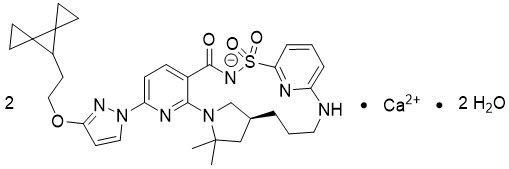
Tezacaftor — Cystic Fibrosis Transmembrane Conductance Regulator Potentiator [EPC]. INDICATIONS AND USAGE ALYFTREK is indicated for the treatment of cystic fibrosis (CF) in adult and pediatric patients 6 years of age and older who…
Boxed warning
WARNING: DRUG-INDUCED LIVER INJURY AND LIVER FAILURE Elevated transaminases have been observed in patients treated with ALYFTREK. Cases of serious and potentially fatal drug-induced liver injury and liver failure were reported in patients who were taking a fixed-dose combination drug containing elexacaftor, tezacaftor, and ivacaftor, which contains the same or similar active ingredients as ALYFTREK. Liver injury has been reported within the first month of therapy and up to 15 months following initiation of elexacaftor/tezacaftor/ivacaftor [see Warnings and Precautions (5.1) and Adverse Reactions (6) ]. Assess liver function tests (ALT, AST, alkaline phosphatase, and bilirubin) in all patients prior to initiating ALYFTREK, every month during the first 6 months of treatment, then every 3 months for the next 12 months, then at least annually thereafter. Consider more frequent monitoring for patients with a history of liver disease or elevated liver function tests at baseline [see Dosage and Administration (2.1) , Warnings and Precautions (5.1) , Adverse Reactions (6) , and Use in Specific Populations (8.7) ] . Interrupt ALYFTREK for significant elevations in liver function tests or in the event of signs or symptoms of liver injury. Consider referral to a hepatologist. Follow patients closely with clinical and laboratory monitoring until abnormalities resolve. If abnormalities resolve, resume treatment only if the benefit is expected to outweigh the risk. Closer monitoring is advised after resuming ALYFTREK [see Warnings and Precautions (5.1) ] . ALYFTREK should not be used in patients with severe hepatic impairment (Child-Pugh Class C). ALYFTREK is not recommended in patients with moderate hepatic impairment (Child-Pugh Class B) and should only be considered when there is a clear medical need, and the benefit outweighs the risk. If used, monitor patients closely [see Dosage and Administration (2.4) , Warnings and Precautions (5.1) , Adverse Reactions (6) , Use in Specific Populations (8.7) , and Clinical Pharmacology (12.3) ] . WARNING: DRUG-INDUCED LIVER INJURY AND LIVER FAILURE See full prescribing information for complete boxed warning. Elevated transaminases have been observed in patients treated with ALYFTREK ( 5.1 , 6 ). Cases of serious and potentially fatal drug-induced liver injury and liver failure leading to transplantation and death were reported in patients who were taking ELX/TEZ/IVA, a drug containing the same or similar active ingredients as ALYFTREK ( 5.1 ). Assess liver function tests (ALT, AST, alkaline phosphatase, bilirubin) in all patients prior to initiating ALYFTREK, every month for first 6 months, every 3 months for next 12 months, then at least annually ( 2.1 , 5.1 ). Interrupt ALYFTREK for significant elevations in LFTs or signs or symptoms of liver injury. Follow patients closely with clinical and laboratory monitoring until abnormalities resolve ( 5.1 ). Resume ALYFTREK if abnormalities resolve and only if the benefit is expected to outweigh the risk ( 5.1 ). ALYFTREK should not be used in patients with severe hepatic impairment (Child-Pugh Class C). ALYFTREK is not recommended in patients with moderate hepatic impairment (Child-Pugh Class B) ( 2.4 , 5.1 , 8.7 , 12.3 ).
INDICATIONS AND USAGE ALYFTREK is indicated for the treatment of cystic fibrosis (CF) in adult and pediatric patients 6 years of age and older who have a clinical diagnosis of CF and who have at least one variant in the cystic fibrosis transmembrane conductance regulator ( CFTR ) gene that is either responsive based on clinical and/or in vitro data (see Table 5 ) or results in production of CFTR protein [see Clinical Pharmacology (12.1) ]. If the patient's genotype is unknown, an FDA-cleared CF genetic test should be used to confirm the presence of at least one variant in the CFTR gene that is either responsive based on clinical and/or in vitro data or results in production of CFTR protein. ALYFTREK is a combination of deutivacaftor, a CFTR potentiator, tezacaftor, and vanzacaftor indicated for the treatment of cystic fibrosis (CF) in adult and pediatric patients aged 6 years and older who have a clinical diagnosis of CF and who have at least one variant in the CFTR gene that is either responsive based on clinical and/or in vitro data or results in production of CFTR protein. ( 1 , 12.1 ) If the patient's genotype is unknown, an FDA-cleared CF genetic test should be used to confirm the presence of at least one variant in the CFTR gene that is either responsive based on clinical and/or in vitro data or results in production of CFTR protein. ( 1 )
Dosage
DOSAGE AND ADMINISTRATION Prior to initiating ALYFTREK obtain liver function tests (ALT, AST, alkaline phosphatase, and bilirubin) in all patients. Monitor liver function tests every month during the first 6 months of treatment, then every 3 months during the next 12 months, then at least annually thereafter. ( 2.1 , 5.1 ) Recommended Dosage for Adult and Pediatric Patients Aged 6 Years and Older (with fat-containing food) ( 2.2 ) Age Weight Once Daily Oral Dosage 6 to less than 12 years old Less than 40 kg Three tablets of vanzacaftor 4 mg/tezacaftor 20 mg/deutivacaftor 50 mg Greater than or equal to 40 kg Two tablets of vanzacaftor 10 mg/tezacaftor 50 mg/deutivacaftor 125 mg 12 years and older Any Weight Two tablets of vanzacaftor 10 mg/tezacaftor 50 mg/deutivacaftor 125 mg Should not be used in patients with severe hepatic impairment. Use not recommended in patients with moderate hepatic impairment unless the benefit outweighs the risk. If used, no dose adjustment is recommended. Liver function tests should be closely monitored. ( 2.4 , 5.1 , 6.1 , 8.7 ) See full prescribing information for dosage modifications for concomitant use of ALYFTREK with strong or moderate CYP3A inhibitors. ( 2.3 , 5.7 , 7.1 ) 2.1 Recommended Laboratory Testing Prior to ALYFTREK Initiation and During Treatment Prior to initiating ALYFTREK, obtain liver function tests (ALT, AST, alkaline phosphatase, and bilirubin) for all patients. Monitor liver function tests every month during the first 6 months of treatment, then every 3 months for the next 12 months, then at least annually thereafter. Consider more frequent monitoring for patients with a history of liver disease, elevated liver function tests at baseline, or a history of elevated liver function tests with drugs containing elexacaftor, tezacaftor, and/or ivacaftor [see Warnings and Precautions (5.1) and Use in Specific Populations (8.7) ]. 2.2 Recommended Dosage The recommended ALYFTREK dosage in adult and pediatric patients aged 6 years and older is provided in Table 1. Administer ALYFTREK orally (swallow the tablets whole) with fat-containing food, once daily, at approximately the same time each day [see Clinical Pharmacology (12.3) ]. Examples of meals or snacks that contain fat are those prepared with butter or oils or those containing eggs, peanut butter, cheeses, nuts, whole milk, or meats. Table 1: Recommended Dosage of ALYFTREK in Adult and Pediatric Patients Aged 6 Years and Older Age Weight Once Daily Oral Dosage 6 to less than 12 years old Less than 40 kg Three tablets of vanzacaftor 4 mg/tezacaftor 20 mg/deutivacaftor 50 mg (total dose of vanzacaftor 12 mg/tezacaftor 60 mg/ deutivacaftor 150 mg) Greater than or equal to 40 kg Two tablets of vanzacaftor 10 mg/tezacaftor 50 mg/deutivacaftor 125 mg (total dose of vanzacaftor 20 mg/tezacaftor 100 mg/ deutivacaftor 250 mg) 12 years and older Any weight Two tablets of vanzacaftor 10 mg/tezacaftor 50 mg/deutivacaftor 125 mg (total dose of vanzacaftor 20 mg/tezacaftor 100 mg/ deutivacaftor 250 mg) 2.3 Dosage Modification for Strong or Moderate CYP3A Inhibitors Table 2 describes the recommended dosage modification for ALYFTREK when used concomitantly with strong or moderate CYP3A inhibitors [see Warnings and Precautions (5.7) ] . Administer ALYFTREK orally (swallow the tablets whole) with fat-containing food, once daily, at approximately the same time each day [see Clinical Pharmacology (12.3) ]. Table 2: Dosage Modification for Concomitant Use of ALYFTREK with Strong or Moderate CYP3A Inhibitors in Adult and Pediatric Patients Aged 6 Years and Older Age Weight Moderate CYP3A Inhibitors Strong CYP3A Inhibitors 6 to less than 12 years old Less than 40 kg Two tablets of vanzacaftor 4 mg/tezacaftor 20 mg/deutivacaftor 50 mg every other day (total dose of vanzacaftor 8 mg/tezacaftor 40 mg/deutivacaftor 100 mg) Two tablets of vanzacaftor 4 mg/tezacaftor 20 mg/deutivacaftor 50 mg once a week (total dose of vanzacaftor 8 mg/tezacaftor 40 mg/deutivacaftor 100 mg) Greater than or equal to 40 kg One tablet of vanzacaftor 10 mg/tezacaftor 50 mg/deutivacaftor 125 mg every other day One tablet of vanzacaftor 10 mg/tezacaftor 50 mg/deutivacaftor 125 mg once a week 12 years and older Any weight One tablet of vanzacaftor 10 mg/tezacaftor 50 mg/deutivacaftor 125 mg every other day One tablet of vanzacaftor 10 mg/tezacaftor 50 mg/deutivacaftor 125 mg once a week 2.4 Recommended Dosage for Patients with Hepatic Impairment Severe Hepatic Impairment (Child-Pugh Class C) : ALYFTREK should not be used in patients with severe hepatic impairment (HI) (Child-Pugh Class C). Moderate Hepatic Impairment (Child-Pugh Class B) : The use of ALYFTREK in patients with moderate HI (Child-Pugh Class B) is not recommended. Use of ALYFTREK should only be considered in patients with moderate HI when there is a clear medical need, and the benefit outweighs the risk. If used, the recommended dosage in patients with moderate HI is the same as for patients with normal hepatic function. Liver function tests should be closely monitored [see Dosage and Administration (2.1 , 2.2) ] . Mild Hepatic Impairment (Child-Pugh Class A) : The recommended dosage of ALYFTREK in patients with mild HI (Child-Pugh Class A) is the same as in patients with normal hepatic function. Liver function tests should be closely monitored [see Dosage and Administration (2.1 , 2.2) ] . 2.5 Recommendations Regarding Missed Dose(s) If 6 hours or less have passed since the missed dose, take the missed dose as soon as possible and continue on the original schedule. If more than 6 hours have passed since the missed dose, skip the missed dose, and continue on the original schedule the next day.
Warnings
WARNINGS AND PRECAUTIONS Drug-Induced Liver Injury and Liver Failure : Elevated transaminases have been observed in patients treated with ALYFTREK. Cases of serious and potentially fatal drug-induced liver injury and liver failure have been reported with a drug that contains the same or similar active ingredients as ALYFTREK. Assess liver function tests (ALT, AST, alkaline phosphatase, and bilirubin) in all patients prior to initiating and throughout treatment with ALYFTREK. Interrupt ALYFTREK in the event of significant elevations in liver function tests or signs or symptoms of liver injury. ALYFTREK should not be used in patients with severe hepatic impairment (Child-Pugh Class C). ALYFTREK is not recommended in patients with moderate hepatic impairment (Child-Pugh Class B). ( 2.4 , 5.1 , 8.7 ) Hypersensitivity Reactions : Hypersensitivity reactions, including anaphylaxis, have been reported in the postmarketing setting for drugs containing elexacaftor, tezacaftor, and/or ivacaftor. If signs or symptoms of serious hypersensitivity reactions develop during ALYFTREK treatment, discontinue ALYFTREK and initiate appropriate therapy. ( 5.2 ) Patients Who Discontinued or Interrupted Elexacaftor-, Tezacaftor-, or Ivacaftor-Containing Drugs Due to Adverse Reactions : Consider benefits and risks before using ALYFTREK in patients who discontinued or interrupted elexacaftor-, tezacaftor-, or ivacaftor-containing drugs due to adverse reactions. If ALYFTREK is used, closely monitor for adverse reactions as clinically appropriate. ( 5.3 ) Intracranial Hypertension : Intracranial hypertension (IH) has been reported in the postmarketing setting with use of drugs containing the same or similar active ingredients as ALYFTREK. If an unusual headache or visual disturbances occur during treatment, and IH is suspected, interrupt ALYFTREK and refer for prompt medical evaluation. ( 5.4 ) Neuropsychiatric Events, Including Suicidal Thoughts and Behaviors: Serious neuropsychiatric events, including symptoms of anxiety, depression, suicidal ideation and behavior, and sleep disturbances, have been reported in the postmarketing setting for ALYFTREK or drugs containing the same or similar active ingredients. Monitor patients closely for new or worsening symptoms. Consider the risks and benefits for the individual patient to determine if therapy with ALYFTREK should be interrupted at the occurrence of neuropsychiatric symptoms. ( 5.5 ) Reduced Effectiveness in Patients with Concomitant Use with CYP3A Inducers : Concomitant use with strong and moderate CYP3A inducers decreased vanzacaftor, tezacaftor, and deutivacaftor exposure, which may reduce ALYFTREK efficacy. Therefore, concomitant use is not recommended. ( 5.6 , 7.1 ) Adverse Reactions with Concomitant Use with CYP3A Inhibitors : Concomitant use with strong or moderate CYP3A inhibitors increased vanzacaftor, tezacaftor, and deutivacaftor exposure, which may increase the risk of ALYFTREK associated adverse reactions. Reduce the ALYFTREK dosage with concomitant use. ( 2.3 , 5.7 , 7.1 ) Cataracts : Non-congenital lens opacities/cataracts have been reported in patients with CF aged 18 years or less treated with drugs containing ivacaftor. Baseline and follow up ophthalmological examinations are recommended in pediatric patients treated with ALYFTREK. ( 5.8 , 8.4 ) 5.1 Drug-Induced Liver Injury and Liver Failure Elevated transaminases have been observed in patients treated with ALYFTREK [see Adverse Reactions (6.1) ] . Cases of serious and potentially fatal drug-induced liver injury and liver failure have been reported in patients with and without a history of liver disease who were taking a fixed-dose combination drug containing elexacaftor, tezacaftor, and ivacaftor (ELX/TEZ/IVA), which contains the same or similar active ingredients as ALYFTREK. Liver injury has been reported within the first month of therapy and up to 15 months following initiation of ELX/TEZ/IVA. Assess liver function tests (ALT, AST, alkaline phosphatase, and bilirubin) in all patients prior to initiating ALYFTREK. Assess liver function tests every month during the first 6 months of treatment, then every 3 months for the next 12 months, then at least annually thereafter. Consider more frequent monitoring in patients with a history of liver disease, elevated liver function tests at baseline, or a history of elevated liver function tests with drugs containing ELX, TEZ and/or IVA. [see Dosage and Administration (2.4) and Use in Specific Populations (8.7) ]. Interrupt ALYFTREK in the event of signs or symptoms of liver injury. These may include: Significant elevations in liver function tests (e.g., ALT or AST >5× the upper limit of normal (ULN) or ALT or AST >3× ULN with bilirubin >2× ULN) Clinical signs or symptoms suggestive of liver injury (e.g., jaundice, right upper quadrant pain, nausea, vomiting, altered mental status, ascites) Consider referral to a hepatologist and follow patients closely with clinical and laboratory monitoring until abnormalities resolve. If abnormalities resolve and if the benefit is expected to outweigh the risk, resume ALYFTREK treatment with close monitoring. ALYFTREK should not be used in patients with severe hepatic impairment (Child-Pugh Class C). ALYFTREK is not recommended in patients with moderate hepatic impairment (Child-Pugh Class B) and should only be considered when there is a clear medical need, and the benefit outweighs the risk. If used, monitor patients closely [see Dosage and Administration (2.4) , Use in Specific Populations (8.7) , and Clinical Pharmacology (12.3) ]. 5.2 Hypersensitivity Reactions, Including Anaphylaxis Hypersensitivity reactions, including cases of anaphylaxis, have been reported in the postmarketing setting of drugs containing ELX, TEZ, and/or IVA (the same or similar active ingredients in ALYFTREK). If signs or symptoms of serious hypersensitivity reactions develop during ALYFTREK treatment, discontinue ALYFTREK and institute appropriate therapy. Consider the benefits and risks for the individual patient to determine whether to resume treatment with ALYFTREK. 5.3 Patients Who Discontinued or Interrupted Elexacaftor-, Tezacaftor-, or Ivacaftor-Containing Drugs Due to Adverse Reactions There are no available safety data for ALYFTREK in patients who previously discontinued or interrupted treatment with drugs containing elexacaftor, tezacaftor, or ivacaftor due to adverse reactions. Consider the benefits and risks before using ALYFTREK in these patients. If ALYFTREK is used in these patients, closely monitor for adverse reactions as clinically appropriate. 5.4 Intracranial Hypertension Cases of intracranial hypertension (IH) have been reported in the postmarketing setting with the use of drugs containing the same or similar active ingredients as ALYFTREK [see Adverse Reactions (6.2) ] . Clinical manifestations of IH include headache, blurred vision, diplopia, and potential vision loss; papilledema can be found on fundoscopy. If an unusual headache or visual disturbances occur during treatment, and IH is suspected, interrupt ALYFTREK and refer for prompt medical evaluation. Consider the benefits and risks for the individual patient to determine whether to resume treatment with ALYFTREK. Patients should be monitored until IH resolution and for recurrence. Patients with elevated vitamin A levels may be at increased risk. 5.5 Neuropsychiatric Events, Including Suicidal Thoughts and Behaviors Serious neuropsychiatric events, including symptoms of anxiety, depression, suicidal ideation and behavior, and sleep disturbances, have been reported in the postmarketing setting in patients taking ALYFTREK or drugs containing the same or similar active ingredients [see Adverse Reactions (6.2) ] . The events were reported in adult and pediatric patients with and without a previous history of neuropsychiatric symptoms. Symptoms may occur within the first three months of treatment initiation. Assess patients for
Contraindications
CONTRAINDICATIONS None. None. ( 4 )
Drug interactions
DRUG INTERACTIONS Strong or moderate CYP3A inducers : Concomitant use with ALYFTREK is not recommended. ( 5.6 , 7.1 ) Strong or moderate CYP3A inhibitors : Reduce ALYFTREK dosage with concomitant use. Avoid food or drink containing grapefruit. ( 2.3 , 5.7 , 7.1 ) 7.1 Effect of Other Drugs and Grapefruit on ALYFTREK Strong or Moderate CYP3A Inducers Concomitant use of ALYFTREK with strong or moderate CYP3A inducers is not recommended. Vanzacaftor, tezacaftor, and deutivacaftor are substrates of CYP3A. Concomitant use of ALYFTREK with a strong or moderate CYP3A inducer decreases vanzacaftor, tezacaftor, and deutivacaftor exposure [see Clinical Pharmacology (12.3) ] which may reduce ALYFTREK effectiveness [see Warnings and Precautions (5.6) ] . Strong or Moderate CYP3A Inhibitors Reduce the ALYFTREK dosage when used concomitantly with a strong or moderate CYP3A inhibitor [see Dosage and Administration (2.3) ] . Vanzacaftor, tezacaftor, and deutivacaftor are CYP3A substrates. Concomitant use with a strong CYP3A inhibitor increases vanzacaftor, tezacaftor, and deutivacaftor exposure [see Clinical Pharmacology (12.3) ] , which may increase the risk of ALYFTREK adverse reactions [see Warnings and Precautions (5.7) ]. Concomitant use with a moderate CYP3A inhibitor is predicted to increase vanzacaftor, tezacaftor, and deutivacaftor exposure [see Clinical Pharmacology (12.3) ] , which may increase the risk of ALYFTREK adverse reactions [see Warnings and Precautions (5.7) ]. Grapefruit Food or drink containing grapefruit should be avoided during treatment with ALYFTREK. Concomitant use of ALYFTREK with grapefruit juice which contains one or more components that moderately inhibit CYP3A may increase exposure of vanzacaftor, tezacaftor and deutivacaftor. 7.2 Effect of ALYFTREK on Other Drugs P-glycoprotein (P-gp) Substrates Unless otherwise recommended in the P-gp substrate Prescribing Information, monitor more frequently for adverse reactions with concomitant use of ALYFTREK with P-gp substrates where minimal concentration changes may lead to serious adverse reactions related to P-gp substrates. Tezacaftor and deutivacaftor (components of ALYFTREK) are P-gp inhibitors. Administration of tezacaftor/ivacaftor increases exposure of P-gp substrates [see Clinical Pharmacology (12.3) ] , which may increase the risk of adverse reactions related to these substrates. Breast Cancer Resistance Protein (BCRP) Substrates Unless otherwise recommended in the BCRP substrate Prescribing Information, monitor more frequently for adverse reactions with concomitant use of ALYFTREK with BCRP substrates where minimal concentration changes may lead to serious adverse reactions related to BCRP substrates. Vanzacaftor (VNZ) and deutivacaftor (D-IVA) (components of ALYFTREK) are inhibitors of BCRP in vitro. Concomitant use of ALYFTREK with BCRP substrates may increase exposure of these substrates; however, this has not been studied clinically [see Clinical Pharmacology (12.3) ]. CYP2C9 Substrates Use caution when ALYFTREK is used concomitantly with CYP2C9 substrates. Monitor the international normalized ratio (INR) more frequently with concomitant use of ALYFTREK with warfarin. This recommendation is based upon a mechanistic understanding of deutivacaftor pharmacokinetics (it is an inhibitor of CYP2C9 in vitro) [see Clinical Pharmacology (12.3) ] . Concomitant use of ALYFTREK with CYP2C9 substrates may increase exposure of these substrates; however, this has not been studied clinically. 7.3 Drugs with No Clinically Significant Interactions with ALYFTREK Ciprofloxacin No clinically relevant effect on the exposure of tezacaftor was observed when tezacaftor/ivacaftor was used concomitantly with ciprofloxacin [see Clinical Pharmacology (12.3) ] . Hormonal Contraceptives No clinically significant differences in the pharmacokinetics of ethinyl estradiol/norethindrone containing hormonal contraceptives were observed when used concomitantly with tezacaftor in combination with ivacaftor and ivacaftor alone [see Clinical Pharmacology (12.3) ] . No clinically significant differences in the pharmacokinetics of ethinyl estradiol/norethindrone containing hormonal contraceptives are expected when used in combination with ALYFTREK based upon a mechanistic understanding of vanzacaftor, tezacaftor, and deutivacaftor pharmacokinetics [see Clinical Pharmacology (12.3) ] ; however, this has not been studied clinically. A role for hormonal contraceptives contributing to rash cannot be excluded [see Adverse Reactions (6.1) ] . For patients with CF taking hormonal contraceptives who develop rash, consider interrupting ALYFTREK and hormonal contraceptives. Following the resolution of rash, consider resuming ALYFTREK without the hormonal contraceptives. If rash does not recur, resumption of hormonal contraceptives can be considered.
Adverse reactions
ADVERSE REACTIONS The following clinically significant adverse reactions are discussed in greater detail in other sections of the labeling: Drug-Induced Liver Injury and Liver Failure [see Warnings and Precautions (5.1) ] Hypersensitivity Reactions, Including Anaphylaxis [see Warnings and Precautions (5.2) ] Patients Who Discontinued or Interrupted Elexacaftor-, Tezacaftor-, or Ivacaftor-Containing Drugs Due to Adverse Reactions [see Warnings and Precautions (5.3) ] Intracranial Hypertension [see Warnings and Precautions (5.4) ] Neuropsychiatric Events, Including Suicidal Thoughts and Behaviors [see Warnings and Precautions (5.5) ] Cataracts [see Warnings and Precautions (5.8) ] Most common adverse reactions to ALYFTREK (≥5% of patients and at a frequency higher than ELX/TEZ/IVA by ≥1%) were cough, nasopharyngitis, upper respiratory tract infection, headache, oropharyngeal pain, influenza, fatigue, increased ALT, rash, increased AST, and sinus congestion. ( 6.1 ) To report SUSPECTED ADVERSE REACTIONS, contact Vertex Pharmaceuticals Incorporated at 1-877-634-8789 or FDA at 1-800-FDA-1088 or www.fda.gov/medwatch. 6.1 Clinical Trials Experience Because clinical trials are conducted under widely varying conditions, adverse reaction rates observed in the clinical trials of a drug cannot be directly compared to rates in the clinical trials of another drug and may not reflect the rates observed in clinical practice. The adverse reactions data below are from clinical trials of ALYFTREK in patients 6 years of age and older with CF with at least one responsive CFTR variant who were able to tolerate ELX/TEZ/IVA. Adverse reactions data in patients who previously discontinued or interrupted ELX/TEZ/IVA due to adverse reactions are not available . Adverse Reactions in Patients Aged 12 Years and Older with CF The safety of ALYFTREK is based on 480 patients with CF aged 12 years and older who have at least one F508del variant or another responsive variant in the CFTR gene in two, 52-week, active-controlled trials (Trials 1 and 2) [see Clinical Studies (14) ]. In both trials, patients received a fixed-dose combination drug containing elexacaftor, tezacaftor, and ivacaftor (ELX/TEZ/IVA) in a 4-week run-in period and then were subsequently randomized to continue ELX/TEZ/IVA (elexacaftor 200 mg/tezacaftor 100 mg/ivacaftor 150 mg in the morning and ivacaftor 150 mg in the evening) or receive ALYFTREK (vanzacaftor 20 mg/tezacaftor 100 mg/deutivacaftor 250 mg) once daily. Patients with a history of prior intolerance to ELX/TEZ/IVA (i.e., patients who discontinued or interrupted treatment due to adverse reactions) were excluded. Trials 1 and 2 were not designed to evaluate meaningful comparisons of the incidence of adverse reactions between the ALYFTREK and ELX/TEZ/IVA treatment groups. For additional information regarding ELX/TEZ/IVA adverse reactions, refer to ELX/TEZ/IVA Prescribing Information. In Trial 1 and Trial 2 combined, the proportion of patients who discontinued treatment prematurely due to adverse reactions were 3.8% and 3.7% in ALYFTREK and ELX/TEZ/IVA treatment groups, respectively. Serious adverse reactions that occurred more frequently with ALYFTREK treatment than with ELX/TEZ/IVA treatment that occurred in 2 or more patients (≥0.4%) were influenza (1.5%), increased AST (0.4%), increased GGT (0.4%), depression (0.4%), and syncope (0.4%). Table 3: Adverse Reactions Occurring in ≥5% of ALYFTREK-Treated Patients and ≥1% Higher than ELX/TEZ/IVA-Treated Patients Aged 12 Years and Older with CF Who Had at Least One F508del Variant or Responsive Variant in the CFTR Gene (Trials 1 and 2) Adverse Reactions ALYFTREK N=480 ELX/TEZ/IVA N=491 Abbreviations: ALT, alanine aminotransferase; AST, aspartate aminotransferase; ELX, elexacaftor; IVA, ivacaftor; TEZ, tezacaftor Cough Cough is composed of several similar terms including productive cough. 120 (25%) 116 (24%) Nasopharyngitis 102 (21%) 95 (19%) Upper respiratory tract infection Upper respiratory tract infection is composed of several similar terms including viral upper respiratory tract infection. 101 (21%) 97 (20%) Headache 76 (16%) 63 (13%) Oropharyngeal pain 69 (14%) 60 (12%) Influenza 52 (11%) 26 (5%) Fatigue 51 (11%) 46 (9%) ALT increased 38 (8%) 29 (6%) Rash 37 (8%) 22 (4%) AST increased 33 (7%) 27 (5%) Sinus congestion 32 (7%) 15 (3%) Adverse events that occurred in ≥5% of ELX/TEZ/IVA-treated patients at a similar or higher incidence than the ALYFTREK-treated patients included: infective pulmonary exacerbation of CF, COVID-19, diarrhea, abdominal pain, pyrexia, nasal congestion, increased sputum, increased blood creatinine phosphokinase, rhinorrhea, hemoptysis, nausea, back pain, arthralgia, constipation, sinusitis, dyspnea, and vomiting. Liver Function Test Elevations The incidence of adverse reactions of transaminase elevations was 9% in ALYFTREK-treated patients and 7.1% in ELX/TEZ/IVA-treated patients in Trials 1 and 2. In these trials, 1.5% of ALYFTREK-treated patients and 0.6% of ELX/TEZ/IVA-treated patients discontinued treatment for elevated transaminases. Table 4 shows the incidence of maximum transaminase (ALT or AST) elevations in Trials 1 and 2. Table 4: Number and Incidence of Maximum Transaminase Elevation in Patients Aged 12 Years and Older with CF Who Had at Least One F508del Variant or Responsive Variant in the CFTR Gene (Trials 1 and 2) Maximum ALT or AST Elevation ALYFTREK N=480 ELX/TEZ/IVA Trials 1 and 2 were not designed to evaluate meaningful comparisons of safety between the ALYFTREK and ELX/TEZ/IVA treatment groups. For additional information regarding ELX/TEZ/IVA transaminase elevations, refer to ELX/TEZ/IVA Prescribing Information. N=491 Abbreviations: ALT: alanine aminotransferase; AST, aspartate aminotransferase; ELX, elexacaftor; IVA, ivacaftor; TEZ, tezacaftor. >3× ULN 29 (6%) 15 (3.1%) >5× ULN 12 (2.5%) 6 (1.2%) >8× ULN 6 (1.3%) 1 (0.2%) Rash In Trials 1 and 2, the incidence of rash (e.g., rash, rash pruritic) was 11% in ALYFTREK-treated patients and 7.7% in ELX/TEZ/IVA-treated patients. The rashes were generally mild to moderate in severity. The incidence of rash was 9.4% in males and 13% in females with ALYFTREK treatment and 7.6% in males and 7.9% in females with ELX/TEZ/IVA treatment. A role of hormonal contraceptives in the occurrence of rash cannot be excluded [see Drug Interactions (7.3) ] . Increased Creatine Phosphokinase In Trials 1 and 2, the incidence of maximum creatine phosphokinase >5× the ULN was 7.9% with ALYFTREK treatment and 6.5% with ELX/TEZ/IVA treatment. Discontinuation due to increased creatinine phosphokinase was 0.2% for ALYFTREK-treated patients and 0.2% for ELX/TEZ/IVA-treated patients. Cases of rhabdomyolysis without renal involvement have been reported in patients who had recently exercised taking a fixed-dose combination drug containing ELX/TEZ/IVA (the same or similar active ingredients as ALYFTREK). Increased Blood Pressure Elevations in mean systolic and diastolic blood pressure have been reported in patients taking a fixed-dose combination drug containing ELX/TEZ/IVA (the same or similar active ingredients as ALYFTREK). The proportion of patients who had systolic blood pressure >140 mmHg and >10 mmHg increase from baseline on at least two occasions was 3.5% in ALYFTREK-treated patients and 3.3% in ELX/TEZ/IVA-treated patients. The proportion of patients who had diastolic blood pressure >90 mmHg and >5 mmHg increase from baseline on at least two occasions was 1.7% in ALYFTREK-treated patients and 1.8% in ELX/TEZ/IVA-treated patients. The mean systolic and diastolic blood pressures remained in the normal range from both ALYFTREK and ELX/TEZ/IVA treatment arms. Adverse Reactions in Pediatric Patients Aged 6 to Less Than 12 Years with CF A 24-week, open-label trial of ALYFTREK was conducted in 78 patients with CF aged 6 to less than 12 years with at least one variant responsive to ELX/TEZ/IVA (Trial 3). In Trial 3, patients who weighed less than
Mechanism of action
Mechanism of Action Vanzacaftor and tezacaftor bind to different sites on the CFTR protein and have an additive effect in facilitating the cellular processing and trafficking of select mutant forms of CFTR (including F508del- CFTR) to increase the amount of CFTR protein delivered to the cell surface compared to either molecule alone. Deutivacaftor potentiates the channel open probability (or gating) of the CFTR protein at the cell surface. The combined effect of vanzacaftor, tezacaftor and deutivacaftor is increased quantity and function of CFTR at the cell surface, resulting in increased CFTR activity as measured both by CFTR-mediated chloride transport in vitro and by sweat chloride in patients with CF. CFTR Chloride Transport Assay in Fischer Rat Thyroid Cells Expressing Mutant CFTR Protein Effects of vanzacaftor/tezacaftor/deutivacaftor on chloride transport for mutant CFTR protein was determined in Ussing chamber electrophysiology studies using a panel of Fischer Rat Thyroid (FRT) cell lines stably expressing CFTR protein from individual variants. Vanzacaftor/tezacaftor/deutivacaftor increased chloride transport in FRT cells expressing select CFTR variants, as identified in Table 5. The threshold that the treatment-induced increase in chloride transport must exceed for the mutant CFTR protein to be considered responsive is ≥10% of normal over baseline. This threshold was used because it is expected to predict clinical benefit. For individual variants, the magnitude of the net change over baseline in CFTR-mediated chloride transport in vitro is not correlated with the magnitude of clinical response. CFTR Chloride Transport Assay in Human Bronchial Epithelial Cells Expressing Mutant CFTR Protein Homozygous and heterozygous N1303K- Human Bronchial Epithelial (HBE) cells showed greater chloride transport in the presence of vanzacaftor/tezacaftor/deutivacaftor than F508del/F508del- HBE cells treated with tezacaftor/ivacaftor which has shown clinical benefit in people homozygous for F508del . Patient Selection Select adult and pediatric patients 6 years of age and older for the treatment of CF with ALYFTREK based on a clinical diagnosis of CF and the presence of at least one variant in the CFTR gene that is either responsive based on clinical and/or in vitro data or results in production of CFTR protein [see Indications and Usage (1) ]. ALYFTREK should only be used in patients with a clinical diagnosis of CF. The presence of eligible CFTR variant(s) should not be the sole determinant for using ALYFTREK. Table 5 lists CFTR variants responsive to ALYFTREK based on clinical and/or in vitro data in FRT or HBE cells [see Clinical Studies (14) ]. Table 5: List of CFTR Gene Variants Responsive to ALYFTREK The list of responsive CFTR variants is non-exhaustive. There may be protein-producing CFTR variants not listed that respond to treatment with ALYFTREK. Based on Clinical Data Clinical data is obtained from Trials 1 and 2. A455E G551D This variant is also predicted to be responsive by FRT assay with ALYFTREK. L1077P R352Q S1251N S945L W1098C D1152H G85E L206W R75Q S549N V562I W1282R F508del H1054D M1101K S1159F S549R V754M Y563N G1244E I336K R1066H Based on in vitro Data The N1303K variant is predicted to be responsive only by HBE assay. All other variants predicted to be responsive with in vitro data are supported by FRT assay. 1140-1151dup D443Y G1265V I1398S M150R R1283M S977F 1461insGAT D443Y;G576A;R668C Complex/compound variants where a single allele of the CFTR gene has multiple variants; these exist independent of the presence of variants on the other allele. G126D I148L M152L R1283S S977F;R1438W 1507_1515del9 D513G G1298V I148N M152V R1438W T1036N 2055del9 D529G G1349D I148T M265R R170H T1053I 2183A→G D565G G149R I148T;H609R M348K R248K T1057R 2851A/G D567N G149R;G576A;R668C I175V M394L R258G T1086A 293A→G D572N G178E I331N M469V R297Q T1086I 3007del6 D579G G178R I336L M498I R31C T1246I 3131del15 D58H G194R I444S M952I R31L T1299I 3132T→G D58V G194V I497S M952T R334L T1299K 3141del9 D614G G213E I502T M961L R334Q T164P 3143del9 D651H G213E;R668C I506L N1088D R347H T338I 314del9 D651N G213V I506T N1195T R347L T351I 3195del6 D806G G226R I506V N1303I R347P T351S 3199del6 D836Y G239R I506V;D1168G N1303K R352W T351S;R851L 3331del6 D924N G253R I521S N186K R516G T388M 3410T→C D979A G27E I530N N187K R516S T465I 3523A→G D979V G27R I556V N396Y R553Q T465N 3601A→C D985H G314E I586V N418S R555G T501A 3761T→G D985Y G314R I601F N900K R560S T582S 3791C/T D993A G424S I601T P1013H R560T T604I 3850G→A D993G G437D I618N P1013L R600S T908N 3978G→C D993Y G451V I618T P1021L R668C T990I 4193T→G E1104K G461R I807M P1021T R709Q V1008D 546insCTA E1104V G461V I86M P111L R74Q V1010D 548insTAC E1126K G463V I980K P1372T R74Q;R297Q V1153E A1006E E116K G480C K1060T P140S R74Q;V201M;D1270N V11I A1025D E116Q G480D K162E P205S R74W V1240G A1067P E1221V G480S K464E P439S R74W;D1270N V1293G A1067T E1228K G500D K464N P499A R74W;R1070W;D1270N V1293I A1067V E1409K G545R K522E P574H R74W;S945L V1415F A107G E1433K G551A K522Q P5L R74W;V201M V201M A1081V E193K G551R K951E P67L R74W;V201M;D1270N V232A A1087P E217G G551S L1011S P750L R74W;V201M;L997F V232D A120T E264V G576A L102R P798S R751L V317A A1319E E282D G576A;R668C L102R;F1016S P988R R75L V322M A1374D E292K G576A;S1359Y L1065P P99L R75Q;L1065P V392G A141D E384K G622D L1065R Q1012P R75Q;N1088D V456A A1466S E403D G622V L1227S Q1100P R75Q;S549N V456F A155P E474K G628A L1324P Q1209P R792G V520F A234D E527G G628R L1335P Q1291H R792Q V520I A234V E56K G85V L137P Q1291R R810G V562I;A1006E A238V E588V G91R L137R Q1313K R851L V562L A309D E60K G930E L1388P Q1352H R933G V591A A349V E822K G970D L1480P Q151K S1045Y V603F A357T E92K G970S L159S Q179K S108F V920L A455V F1016S G970V L15P Q237E S1118F V920M A457T F1052V H1079P L15P;L1253F Q237H S1159P V93D A462P F1074L H1085P L165S Q237P S1188L W1282G A46D F1078S H1085R L167R Q30P S1235R W202C A534E F1099L H1375N L210P Q359K/T360K S1255P W361R A554E F1107L H1375P L293P Q359R S13F W496R A559T F191V H139L L320V Q372H S13P Y1014C A559V F200I H139R L327P Q452P S158N Y1032C A561E F311del H146R L32P Q493L S182R Y1032N A566D F311L H147del L333F Q493R S18I Y1073C A613T F312del H147P L333H Q552P S18N Y1092H A62P F433L H199Q L346P Q98P S308P Y109C A72D F508C H199R L441P Q98R S341P Y109H A872E F508C;S1251N H199Y L453S R1048G S364P Y109N c.1367_1369dupTTG F508del;R1438W H609L L467F R1066C S434P Y122C C225R F575Y H609R L558F R1066G S492F Y1381H C491R F587I H620P L594P R1066L S50P Y161C C590Y F587L H620Q L610S R1066M S519G Y161D C866Y F693L(TTG) H939R L619S R1070P S531P Y161S D110E F87L H939R;H949L L633P R1070Q S549I Y301C D110H F932S H954P L636P R1070W S557F Y517C D110N G1047D I1023R L88S R1162L S589I Y569C D1152A G1047R I1027T L927P R1162Q S589N Y89C D1270N G1061R I105N L967F;L1096R R117C S624R Y913C D1270Y G1069R I1139V L967S R117C;G576A;R668C S686Y Y913S D1312G G1123R I1203V L973F R117G S737F Y919C D1377H G1173S I1234L L997F R117H S821G D1445N G1237V I1234Vdel6aa M1101R R117L S898R D192G G1244R I125T M1137R R117L;L997F S912L D192N G1247R I1269N M1137V R117P S912L;G1244V D373N G1249E I1366N M1210K R1239S S912T D426N G1249R I1366T M150K R1283G S955P
A drug lookup is just the start. Eleplan keeps the whole care plan in one place.
Medications, diagnoses, documents, appointments, and the whole care team — organized and always in sync, with Ellie, your AI care assistant, on top of it. Free to start.