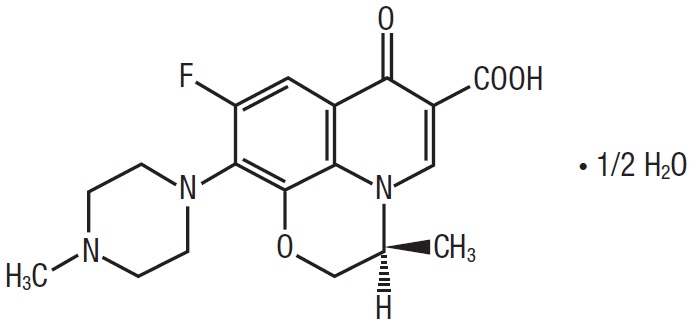
20 ML levofloxacin 25 MG/ML Injection — Fluoroquinolones. INDICATIONS & USAGE Levofloxacin is a fluoroquinolone antibacterial indicated in adults (18 years of age and older) with infections caused by…
Boxed warning
WARNING: SERIOUS ADVERSE REACTIONS INCLUDING TENDINITIS, TENDON RUPTURE, PERIPHERAL NEUROPATHY, CENTRAL NERVOUS SYSTEM EFFECTS AND EXACERBATION OF MYASTHENIA GRAVISWARNING: SERIOUS ADVERSE REACTIONS INCLUDING TENDINITIS, TENDON RUPTURE, PERIPHERAL NEUROPATHY, CENTRAL NERVOUS SYSTEM EFFECTS AND EXACERBATION OF MYASTHENIA GRAVIS WARNING: SERIOUS ADVERSE REACTIONS INCLUDING TENDINITIS, TENDON RUPTURE, PERIPHERAL NEUROPATHY, CENTRAL NERVOUS SYSTEM EFFECTS AND EXACERBATION OF MYASTHENIA GRAVIS • Fluoroquinolones, including levofloxacin, have been associated with disabling and potentially irreversible serious adverse reactions that have occurred together [ see Warnings and Precautions ( 5.1 ) ], including: o Tendinitis and tendon rupture [ see Warnings and Precautions ( 5.2 ) ] o Peripheral neuropathy [ see Warnings and Precautions ( 5.3 ) ] o Central nervous system effects [ see Warnings and Precautions ( 5.4 ) ] Discontinue levofloxacin immediately and avoid the use of fluoroquinolones, including levofloxacin, in patients who experience any of these serious adverse reactions [ see Warnings and Precautions ( 5.1 ) ] • Fluoroquinolones, including levofloxacin, may exacerbate muscle weakness in patients with myasthenia gravis. Avoid levofloxacin in patients with a known history of myasthenia gravis [ see Warnings and Precautions ( 5.5 ) ]. • Because fluoroquinolones, including levofloxacin, have been associated with serious adverse reactions [ see Warnings and Precautions ( 5.1 to 5.14 ) ], reserve levofloxacin for use in patients who have no alternative treatment options for the following indications: o Uncomplicated urinary tract infection [ see Indications and Usage ( 1.12 ) ] o Acute bacterial exacerbation of chronic bronchitis [ see Indications and Usage ( 1.13 ) ] o Acute bacterial sinusitis [ see Indications and Usage ( 1.14 ) ]. WARNING: SERIOUS ADVERSE REACTIONS INCLUDING TENDINITIS, TENDON RUPTURE, PERIPHERAL NEUROPATHY, CENTRAL NERVOUS SYSTEM EFFECTS AND EXACERBATION OF MYASTHENIA GRAVIS See full prescribing information for complete boxed warning. • Fluoroquinolones, including levofloxacin, have been associated with disabling and potentially irreversible serious adverse reactions that have occurred together ( 5.1 ), including: o Tendinitis and tendon rupture ( 5.2 ) o Peripheral neuropathy ( 5.3 ) o Central nervous system effects ( 5.4 ) Discontinue levofloxacin immediately and avoid the use of fluoroquinolones, including levofloxacin, in patients who experience any of these serious adverse reactions ( 5.1 ) • Fluoroquinolones, including levofloxacin, may exacerbate muscle weakness in patients with myasthenia gravis. Avoid levofloxacin in patients with a known history of myasthenia gravis [ see Warnings and Precautions ( 5.5 ) ]. • Because fluoroquinolones, including levofloxacin, have been associated with serious adverse reactions ( 5.1 to 5.14 ), reserve levofloxacin for use in patients who have no alternative treatment options for the following indications: o Uncomplicated urinary tract infection ( 1.12 ) o Acute bacterial exacerbation of chronic bronchitis ( 1.13 ) o Acute bacterial sinusitis ( 1.14 )
Levofloxacin has several documented drug interactions that may affect its absorption and efficacy, as well as the effects of other medications.
majormultivalent cation-containing products (antacids, metal cations, didanosine) — Absorption of levofloxacin is decreased.
majorwarfarin — Effect may be enhanced, leading to increased risk of bleeding.
moderateantidiabetic agents — Disturbances of blood glucose, including hyperglycemia and hypoglycemia, may occur.
majornon-steroidal anti-inflammatory drugs (NSAIDs) — Increased risk of CNS stimulation and convulsive seizures.
moderatetheophylline — Increased risk of theophylline-related adverse reactions.
moderatecyclosporine — Elevated serum levels of cyclosporine may occur.
moderatedigoxin — No significant effect on digoxin pharmacokinetics.
moderateprobenecid — Higher AUC and t1/2 of levofloxacin observed.
moderatecimetidine — Higher AUC and t1/2 of levofloxacin observed.
Real-world adverse events (FAERS)
Off Label Use3,209Drug Ineffective3,030Dyspnoea3,009Pneumonia2,906Nausea2,850Pyrexia2,759Fatigue2,713Acute Kidney Injury2,610
Indications
INDICATIONS & USAGE Levofloxacin is a fluoroquinolone antibacterial indicated in adults (18 years of age and older) with infections caused by designated, susceptible bacteria and in pediatric patients where indicated (1, 12.4). • Pneumonia: Nosocomial (1.1) and Community Acquired (1.2, 1.3) • Skin and Skin Structure Infections (SSSI): Complicated (1.4) and Uncomplicated (1.5) • Chronic bacterial prostatitis (1.6) • Inhalational Anthrax, Post-Exposure in adult and pediatric patients (1.7) • Plague in adult and pediatric patients (1.8) • Urinary Tract Infections (UTI): Complicated (1.9, 1.10) and Uncomplicated (1.12) • Acute Pyelonephritis (1.11) • Acute Bacterial Exacerbation of Chronic Bronchitis (1.13) • Acute Bacterial Sinusitis (1.14) Usage To reduce the development of drug-resistant bacteria and maintain the effectiveness of levofloxacin and other antibacterial drugs, levofloxacin should be used only to treat or prevent infections that are proven or strongly suspected to be caused by bacteria (1.15). 1.1 Nosocomial Pneumonia Levofloxacin tablets are indicated in adult patients for the treatment of nosocomial pneumonia due to methicillin-susceptible Staphylococcus aureus, Pseudomonas aeruginosa, Serratia marcescens, Escherichia coli, Klebsiella pneumoniae, Haemophilus influenzae, or Streptococcus pneumoniae. Adjunctive therapy should be used as clinically indicated. Where Pseudomonas aeruginosa is a documented or presumptive pathogen, combination therapy with an anti-pseudomonal β-lactam is recommended [see Clinical Studies ( 14.1) ]. 1.2 Community-Acquired Pneumonia: 7 to 14 day Treatment Regimen Levofloxacin tablets are indicated in adult patients for the treatment of community-acquired pneumonia due to methicillin-susceptible Staphylococcus aureus, Streptococcus pneumoniae (including multi-drug-resistant Streptococcus pneumoniae [MDRSP]), Haemophilus influenzae, Haemophilus parainfluenzae, Klebsiella pneumoniae, Moraxella catarrhalis, Chlamydophila pneumoniae, Legionella pneumophila, or Mycoplasma pneumoniae [see Dosage and Administration (2.1) and Clinical Studies ( 14.2)]. MDRSP isolates are isolates resistant to two or more of the following antibacterials: penicillin (MIC ≥2 mcg/mL), 2nd generation cephalosporins, e.g., cefuroxime, macrolides, tetracyclines and trimethoprim/sulfamethoxazole. 1.3 Community-Acquired Pneumonia: 5-day Treatment Regimen Levofloxacin tablets are indicated in adult patients for the treatment of community-acquired pneumonia due to Streptococcus pneumoniae (excluding multi-drug-resistant isolates [MDRSP]), Haemophilus influenzae, Haemophilus parainfluenzae, Mycoplasma pneumoniae, or Chlamydophila pneumoniae [see Dosage and Administration ( 2.1 ) and Clinical Studies ( 14.3)]. 1.4 Complicated Skin and Skin Structure Infections Levofloxacin tablets are indicated in adult patients for the treatment of complicated skin and skin structure infections due to methicillin-susceptible Staphylococcus aureus, Enterococcus faecalis, Streptococcus pyogenes, or Proteus mirabilis [see Clinical Studies ( 14.5)]. 1.5 Uncomplicated Skin and Skin Structure Infections Levofloxacin tablets are indicated in adult patients for the treatment of uncomplicated skin and skin structure infections (mild to moderate) including abscesses, cellulitis, furuncles, impetigo, pyoderma, wound infections, due to methicillin-susceptible Staphylococcus aureus, or Streptococcus pyogenes. 1.6 Chronic Bacterial Prostatitis Levofloxacin tablets are indicated in adult patients for the treatment of chronic bacterial prostatitis due to Escherichia coli, Enterococcus faecalis, or methicillin-susceptible Staphylococcus epidermidis [see Clinical Studies ( 14.6 )]. 1.7 Inhalational Anthrax (Post-Exposure) Levofloxacin tablets are indicated for inhalational anthrax (post-exposure) to reduce the incidence or progression of disease following exposure to aerosolized Bacillus anthracis in adults and pediatric patients, 6 months of age and older [ see Dosage and Administration ( 2.2)]. The effectiveness of levofloxacin tablets is based on plasma concentrations achieved in humans, a surrogate endpoint reasonably likely to predict clinical benefit. Levofloxacin tablets have not been tested in humans for the post-exposure prevention of inhalation anthrax. The safety of levofloxacin tablets in adults for durations of therapy beyond 28 days or in pediatric patients for durations of therapy beyond 14 days has not been studied. Prolonged levofloxacin tablets therapy should only be used when the benefit outweighs the risk [see Clinical Studies ( 14.9 )]. 1.8 Plague Levofloxacin tablets are indicated for treatment of plague, including pneumonic and septicemic plague, due to Yersinia pestis (Y. pestis) and prophylaxis for plague in adults and pediatric patients, 6 months of age and older [see Dosage and Administration ( 2.2 )]. Efficacy studies of levofloxacin tablets could not be conducted in humans with plague for ethical and feasibility reasons. Therefore, approval of this indication was based on an efficacy study conducted in animals [see Clinical Studies ( 14.10)]. 1.9 Complicated Urinary Tract Infections: 5-day Treatment Regimen Levofloxacin tablets are indicated in adult patients for the treatment of complicated urinary tract infections due to Escherichia coli, Klebsiella pneumoniae, or Proteus mirabilis [see Clinical Studies ( 14.7 )]. 1.10 Complicated Urinary Tract Infections: 10-day Treatment Regimen Levofloxacin tablets are indicated in adult patients for the treatment of complicated urinary tract infections (mild to moderate) due to Enterococcus faecalis, Enterobacter cloacae, Escherichia coli, Klebsiella pneumoniae, Proteus mirabilis, or Pseudomonas aeruginosa [see Clinical Studies (14.8) ]. 1.11 Acute Pyelonephritis: 5 or 10-day Treatment Regimen Levofloxacin tablets are indicated in adult patients for the treatment of acute pyelonephritis caused by Escherichia coli, including cases with concurrent bacteremia [see Clinical Studies (14.7 , 14.8 )]. 1.12 Uncomplicated Urinary Tract Infections Levofloxacin tablets are indicated in adult patients for the treatment of uncomplicated urinary tract infections (mild to moderate) due to Escherichia coli, Klebsiella pneumoniae, or Staphylococcus saprophyticus. Because fluoroquinolones, including levofloxacin tablets, have been associated with serious adverse reactions [see Warnings and Precautions ( 5.1 to 5.15 )] and for some patients uncomplicated urinary tract infection is self-limiting, reserve levofloxacin for treatment of uncomplicated urinary tract infections in patients who have no alternative treatment options. 1.13 Acute Bacterial Exacerbation of Chronic Bronchitis Levofloxacin tablets are indicated in adult patients for the treatment of acute bacterial exacerbation of chronic bronchitis (ABECB) due to methicillin-susceptible Staphylococcus aureus, Streptococcus pneumoniae, Haemophilus influenzae, Haemophilus parainfluenzae, or Moraxella catarrhalis. Because fluoroquinolones, including levofloxacin tablets, have been associated with serious adverse reactions [see Warnings and Precautions ( 5.1 to 5.15 )] and for some patients ABECB is self-limiting, reserve levofloxacin tablets for treatment of ABECB in patients who have no alternative treatment options. 1.14 Acute Bacterial Sinusitis: 5-day and 10 to 14 day Treatment Regimens Levofloxacin tablets are indicated in adult patients for the treatment of acute bacterial sinusitis (ABS) due to Streptococcus pneumoniae, Haemophilus influenzae, or Moraxella catarrhalis [see Clinical Studies ( 14.4)]. Because fluoroquinolones, including levofloxacin tablets, have been associated with serious adverse reactions [see Warnings and Precautions ( 5.1 to 5.15 )] and for some patients ABS is self-limiting, reserve levofloxacin tablets for treatment of ABS in patients who have no alternative treatment options. 1.15 Usage To reduce the development of drug-resistant bacteria and maintain
Dosage
DOSAGE & ADMINISTRATION • Administer Levofloxacin Tablets to pediatric patients weighing 30 kg and greater only (2.1, 2.2). • Levofloxacin Tablets cannot be administered to pediatric patients who weigh less than 30 kg because of the limitations of the available strengths. Alternative formulations of levofloxacin may be considered for pediatric patients who weigh less than 30 kg (2.2). Dosage in Adult and Pediatric Patients with Creatinine Clearance greater than or equal to 50 mL/minute (2.1. 2.2) Type of Infection Dose Every 24 hours Duration (days) Nosocomial Pneumonia (1.1) 750 mg 7 to 14 Community Acquired Pneumonia (1.2) 500 mg 7 to 14 Community Acquired Pneumonia (1.3) 750 mg 5 Complicated SSSI (1.4) 750 mg 7 to 14 Uncomplicated SSSI (1.5) 500 mg 7 to 10 Chronic Bacterial Prostatitis (1.6) 500 mg 28 Inhalational Anthrax (Post-Exposure) (1.7) Adults and Pediatric Patients 50 kg or greater Pediatric Patients 30 kg to less than 50 kg (2.2) 500 mg 250 mg every 12 hours 60 60 Plague (1.8) Adults and Pediatric Patients 50 kg or greater Pediatric Patients 30 kg to less than 50 kg (2.2) 500 mg 250 mg every 12 hours 10 to 14 10 to 14 Complicated UTI (1.9) or Acute Pyelonephritis (1.11) 750 mg 5 Complicated UTI (1.10) or Acute Pyelonephritis (1.11) 250 mg 10 Uncomplicated UTI (1.12) 250 mg 3 Acute Bacterial Exacerbation of Chronic Bronchitis (1.13) 500 mg 7 Acute Bacterial Sinusitis (1.14) 750 mg 5 500 mg 10 to 14 • Adjust dose for creatinine clearance less than 50 mL/minute (2.3, 8.6, 12.3) 2.1 Dosage of Levofloxacin Tablets in Adult Patients with Creatinine Clearance ≥ 50 mL/minute The usual dose of levofloxacin tablets is 250 mg, 500 mg, or 750 mg administered orally every 24 hours, as indicated by infection and described in Table 1. These recommendations apply to patients with creatinine clearance ≥ 50 mL/minute. For patients with creatinine clearance less than 50 mL/min, adjustments to the dosing regimen are required [see Dosage and Administration ( 2.3 )]. Table 1: Dosage of Levofloxacin Tablets in Adult Patients with Creatinine Clearance greater than or equal to 50 mL/minute) Type of Infection* Dosed Every 24 hours Duration (days) † Nosocomial Pneumonia 750 mg 7 to 14 Community Acquired Pneumonia ‡ 500 mg ‡ 7 to 14 ‡ Community Acquired Pneumonia § 750 mg § 5 § Complicated Skin and Skin Structure Infections (SSSI) 750 mg 7 to 14 Uncomplicated SSSI 500 mg 7 to 10 Chronic Bacterial Prostatitis 500 mg 28 Inhalational Anthrax (Post-Exposure), adult and pediatric patients weighing 50 kg Þ,ß or greater Pediatric patients weighing 30 kg to less than 50 kg Þ,ß 500 mg see Table 2 below (2.2) 60 ß 60 ß Plague, adult and pediatric patients weighing 50 kg à or greater Pediatric patients weighing 30 kg to less than 50 kg 500 mg see Table 2 below (2.2) 10 to 14 10 to 14 Complicated Urinary Tract Infection (cUTI) or Acute Pyelonephritis (AP) ¶ 750 mg 5 Complicated Urinary Tract Infection (cUTI) or Acute Pyelonephritis (AP) # 250 mg # 10 # Uncomplicated Urinary Tract Infection 250 mg 3 Acute Bacterial Exacerbation of Chronic Bronchitis (ABECB) 500 mg 7 Acute Bacterial Sinusitis (ABS) 750 mg 5 500 mg 10 to 14 * Due to the designated pathogens [see Indications and Usage ( 1)]. † Sequential therapy (intravenous levofloxacin to oral levofloxacin tablets) may be instituted at the discretion of the healthcare provider. ‡ Due to methicillin-susceptible Staphylococcus aureus, Streptococcus pneumoniae (including multi-drug-resistant isolates [MDRSP]), Haemophilus influenzae, Haemophilus parainfluenzae, Klebsiella pneumoniae, Moraxella catarrhalis, Chlamydophila pneumoniae, Legionella pneumophila, or Mycoplasma pneumoniae [see Indications and Usage ( 1.2 )]. § Due to Streptococcus pneumoniae (excluding multi-drug-resistant isolates [MDRSP]), Haemophilus influenzae, Haemophilus parainfluenzae, Mycoplasma pneumoniae, or Chlamydophila pneumoniae [see Indications and Usage ( 1.3 )]. ¶ This regimen is indicated for cUTI due to Escherichia coli, Klebsiella pneumoniae, Proteus mirabilis and AP due to E. coli, including cases with concurrent bacteremia. # This regimen is indicated for cUTI due to Enterococcus faecalis, Enterococcus cloacae, Escherichia coli, Klebsiella pneumoniae, Proteus mirabilis, Pseudomonas aeruginosa; and for AP due to E. coli. Þ Drug administration should begin as soon as possible after suspected or confirmed exposure to aerosolized B. anthracis. This indication is based on a surrogate endpoint. Levofloxacin plasma concentrations achieved in humans are reasonably likely to predict clinical benefit [see Clinical Studies ( 14.9 )]. ß The safety of levofloxacin tablets in adults for durations of therapy beyond 28 days or in pediatric patients for durations beyond 14 days has not been studied. An increased incidence of musculoskeletal adverse events compared to controls has been observed in pediatric patients [see Warnings and Precautions ( 5.12 ) , Use in Specific Populations ( 8.4), and Clinical Studies ( 14.9 )]. Prolonged levofloxacin tablets therapy should only be used when the benefit outweighs the risk. à Drug administration should begin as soon as possible after suspected or confirmed exposure to Yersinia pestis. Higher doses of levofloxacin tablets typically used for treatment of pneumonia can be used for treatment of plague, if clinically indicated. 2.2 Dosage of Levofloxacin Tablets in Pediatric Patients with Inhalational Anthrax or Plague 2.2 Dosage of Levofloxacin Tablets in Pediatric Patients with Inhalational Anthrax or Plague The dosage of levofloxacin tablets for inhalational anthrax (post-exposure) and plague in pediatric patients who weigh 30 kg or greater is described below in Table 2. levofloxacin tablets cannot be administered to patients who weigh less than 30 kg because of the limitations of the available strength. Alternative formulations of levofloxacin may be considered for pediatric patients who weigh less than 30 kg. Table 2 Levofloxacin Tablets Dosage in Pediatric Patients Weighing 30 kg or greater with Inhalational Anthrax (Post-Exposure) and Plague* Type of Infection* Dose Frequency Duration † Inhalational Anthrax (post-exposure) ‡,§ Pediatric patients weighing 50 kg or greater 500 mg every 24 hours 60 days § Pediatric patients weighing 30 kg to less than 50 kg 250 mg every 12 hours 60 days § Plague ¶ Pediatric patients weighing 50 kg or greater 500 mg every 24 hours 10 to 14 days Pediatric patients weighing 30 kg to less than 50 kg 250 mg every 12 hours 10 to 14 days * Due to Bacillus anthracis [see Indications and Usage (1.13)] and Yersinia pestis [see Indications and Usage (1.14)]. † Sequential therapy (intravenous levofloxacin injection to oral levofloxacin tablets) may be instituted at the discretion of the healthcare provider. ‡ Begin levofloxacin tablets as soon as possible after suspected or confirmed exposure to aerosolized B. anthracis. § The safety of levofloxacin tablets in pediatric patients for durations of therapy beyond 14 days has not been studied. [see Warnings and Precautions (5.12), Use in Specific Populations (8.4), and Clinical Studies (14.9)] . Begin levofloxacin tablets as soon as possible after suspected or confirmed exposure to Yersinia pestis. 2.3 Dosage Adjustment in Adults with Renal Impairment Administer levofloxacin tablets with caution in patients with renal impairment. Careful clinical observation and appropriate laboratory studies should be performed prior to and during therapy since elimination of levofloxacin may be reduced in these patients. In patients with renal impairment (creatinine clearance less than 50 mL/min), adjustment of the dosage regimen is necessary to avoid the accumulation of levofloxacin due to decreased clearance [see Use in Specific Populations ( 8.6 )]. No adjustment is necessary for patients with a creatinine clearance greater than or equal to 50 mL/minute. Table 3 shows how to adjust dose based on creatinine clearance. Table 3: Dosage Adjustment in Adult Patients with Rena
Warnings
WARNINGS AND PRECAUTIONS Anaphylactic reactions and allergic skin reactions, serious, occasionally fatal, may occur after first dose ( 4 , 5.7 ) Hematologic (including agranulocytosis, thrombocytopenia), and renal toxicities may occur after multiple doses ( 5.6 ) Hepatotoxicity: Severe, and sometimes fatal, hepatoxicity has been reported. Discontinue immediately if signs and symptoms of hepatitis occur ( 5.8 ) Clostridium difficile -associated colitis: evaluate if diarrhea occurs ( 5.10 ) Prolongation of the QT interval and isolated cases of torsade de pointes have been reported. Avoid use in patients with known prolongation, those with hypokalemia, and with other drugs that prolong the QT interval ( 5.11 , 8.5 ) 5.1 Disabling and Potentially Irreversible Serious Adverse Reactions Including Tendinitis and Tendon Rupture, Peripheral Neuropathy, and Central Nervous System Effects Fluoroquinolones, including levofloxacin, have been associated with disabling and potentially irreversible serious adverse reactions from different body systems that can occur together in the same patient. Commonly seen adverse reactions include tendinitis, tendon rupture, arthralgia, myalgia, peripheral neuropathy, and central nervous system effects (hallucinations, anxiety, depression, insomnia, severe headaches, and confusion). These reactions can occur within hours to weeks after starting levofloxacin. Patients of any age or without pre-existing risk factors have experienced these adverse reactions [see Warnings and Precautions (5.2 , 5.3 , 5.4 )]. Discontinue levofloxacin immediately at the first signs or symptoms of any serious adverse reaction. In addition, avoid the use of fluoroquinolones, including levofloxacin, in patients who have experienced any of these serious adverse reactions associated with fluoroquinolones. 5.2 Tendinopathy and Tendon Rupture Fluoroquinolones, including levofloxacin, have been associated with an increased risk of tendinitis and tendon rupture in all ages [see Warnings and Precautions ( 5.1) and Adverse Reactions ( 6.2)]. This adverse reaction most frequently involves the Achilles tendon and has also been reported with the rotator cuff (the shoulder), the hand, the biceps, the thumb, and other tendon sites. Tendinitis or tendon rupture can occur within hours or days of starting levofloxacin or as long as several months after completion of fluoroquinolone therapy. Tendinitis and tendon rupture can occur bilaterally. The risk of developing fluoroquinolone-associated tendinitis and tendon rupture is increased in patients over 60 years of age, in those taking corticosteroid drugs, and in patients with kidney, heart or lung transplants. Other factors that may independently increase the risk of tendon rupture include strenuous physical activity, renal failure, and previous tendon disorders such as rheumatoid arthritis. Tendinitis and tendon rupture have been reported in patients taking fluoroquinolones who do not have the above risk factors. Discontinue levofloxacin immediately if the patient experiences pain, swelling, inflammation or rupture of a tendon. Patients should be advised to rest at the first sign of tendinitis or tendon rupture, and to contact their healthcare provider regarding changing to a non-quinolone antimicrobial drug. Avoid levofloxacin in patients who have a history of tendon disorders or tendon rupture [see Adverse Reactions ( 6.3 ) and Patient Counseling Information ( 17 )]. 5.3 Peripheral Neuropathy Fluoroquinolones, including levofloxacin, have been associated with an increased risk of peripheral neuropathy. Cases of sensory or sensorimotor axonal polyneuropathy affecting small and/or large axons resulting in paresthesias, hypoesthesias, dysesthesias and weakness have been reported in patients receiving fluoroquinolones, including levofloxacin. Symptoms may occur soon after initiation of levofloxacin and may be irreversible in some patients [see Warnings and Precautions ( 5.1) and Adverse Reactions ( 6.1, 6.2 )]. Discontinue levofloxacin immediately if the patient experiences symptoms of neuropathy including pain, burning, tingling, numbness, and/or weakness or other alterations of sensation including light touch, pain, temperature, position sense, and vibratory sensation. Avoid fluoroquinolones, including levofloxacin, in patients who have previously experienced peripheral neuropathy [see Adverse Reactions ( 6) and Patient Counseling Information ( 17)]. 5.4 Central Nervous System Effects Psychiatric Adverse Reactions Fluoroquinolones, including levofloxacin, havebeenassociated with an increased risk of psychiatric adverse reactions, including: toxic psychoses, hallucinations, or paranoia; depression, or suicidal thoughts; anxiety,agitation, restlessness, or nervousness; confusion, delirium, disorientation, or disturbances in attention; insomnia or nightmares; memory impairment. Attempted or completed suicide have been reported, especially in patients with a medical history of depression, or an underlying risk factor for depression. These reactions may occurfollowingthe first dose. If these reactions occur in patients receiving levofloxacin, discontinue levofloxacin and institute appropriate measures. Central Nervous SystemAdverseReactions Fluoroquinolones, including levofloxacin, have beenassociated with an increased risk of seizures (convulsions), increased intracranial pressure (including pseudotumor cerebri), tremors, and lightheadedness. As with other fluoroquinolones, levofloxacin should be used with caution in patients with a knownor suspected central nervous system (CNS) disorder that may predispose them to seizures or lower the seizure threshold (e.g., severe cerebral arteriosclerosis, epilepsy) or in the presence of other risk factors that may predispose them to seizures or lower the seizurethreshold (e.g., certain drug therapy, renal dysfunction). If these reactions occur in patients receiving levofloxacin discontinue levofloxacin and institute appropriatemeasures [see Adverse Reactions ( 6 ), Drug Interactions ( 7.4, 7.5), and Patient Counseling Information (17)]. 5.5 Exacerbation of Myasthenia Gravis Fluoroquinolones, including levofloxacin, have neuromuscular blocking activity and may exacerbate muscle weakness in patients with myasthenia gravis. Postmarketing serious adverse reactions including deaths and requirement for ventilatory support, have been associated with fluoroquinolone use in patients with myasthenia gravis. Avoid levofloxacin in patients with a known history of myasthenia gravis [see Adverse Reactions ( 6.3) and Patient Counseling Information ( 17 )]. 5.6 Other Serious and Sometimes Fatal Adverse Reactions Other serious and sometimes fatal adverse reactions, some due to hypersensitivity, and some due to uncertain etiology, have been reported rarely in patients receiving therapy with fluoroquinolones, including levofloxacin. These events may be severe and generally occur following the administration of multiple doses. Clinical manifestations may include one or more of the following: • fever, rash, or severe dermatologic reactions (e.g., toxic epidermal necrolysis, Stevens-Johnson Syndrome); • vasculitis; arthralgia; myalgia; serum sickness; • allergic pneumonitis; • interstitial nephritis; acute renal insufficiency or failure; • hepatitis; jaundice; acute hepatic necrosis or failure; • anemia, including hemolytic and aplastic; thrombocytopenia, including thrombotic thrombocytopenic purpura; leukopenia; agranulocytosis; pancytopenia; and/or other hematologic abnormalities. Discontinue levofloxacin immediately at the first appearance of skin rash, jaundice, or any other sign of hypersensitivity and institute supportive measures [see Adverse Reactions ( 6 ) and Patient Counseling Information ( 17)]. 5.7 Hypersensitivity Reactions Serious and occasionally fatal hypersensitivity and/or anaphylactic reactions have been reported in patients receiving therapy with fluoroquinolones, including levofloxa
Contraindications
CONTRAINDICATIONS Levofloxacin tablets are contraindicated in persons with known hypersensitivity to levofloxacin, or other quinolone antibacterials [see Warnings and Precautions ( 5.3 )]. Known hypersensitivity to levofloxacin tablets or other quinolones ( 4 , 5.7 )
Mechanism of action
Mechanism of Action Levofloxacin is a member of the fluoroquinolone class of antibacterial agents [see Microbiology (12.4)]. 12.3 Pharmacokinetics The mean ± SD pharmacokinetic parameters of levofloxacin determined under single and steady-state conditions following oral tablet, oral solution, or intravenous (IV) doses of levofloxacin are summarized in Table 8. Table 8: Mean ± SD Levofloxacin PK Parameters Regimen Cmax (mcg/mL) Tmax (h) AUC (mcg•h/mL) CL/F1(mL/min) Vd/F2 (L) t1/2 (h) CLR(mL/min) Single dose 250 mg oral tablet3 2.8 ± 0.4 1.6 ± 1 27.2 ± 3.9 156 ± 20 ND 7.3 ± 0.9 142 ± 21 500 mg oral tablet3* 5.1 ± 0.8 1.3 ± 0.6 47.9 ± 6.8 178 ± 28 ND 6.3 ± 0.6 103 ± 30 500 mg oral solution12 5.8 ± 1.8 0.8 ± 0.7 47.8 ± 10.8 183 ± 40 112 ± 37.2 7 ± 1.4 ND 500 mg IV3 6.2 ± 1 1 ± 0.1 48.3 ± 5.4 175 ± 20 90 ± 11 6.4 ± 0.7 112 ± 25 750 mg oral tablet5* 9.3 ± 1.6 1.6 ± 0.8 101 ± 20 129 ± 24 83 ± 17 7.5 ± 0.9 ND 750 mg IV5 11.5 ± 44 ND 110 ± 40 126 ± 39 75 ± 13 7.5 ± 1.6 ND Multiple dose 500 mg every 24h oral tablet3 5.7 ± 1.4 1.1 ± 0.4 47.5 ± 6.7 175 ± 25 102 ± 22 7.6 ± 1.6 116 ± 31 500 mg every 24h IV3 6.4 ± 0.8 ND 54.6 ± 11.1 158 ± 29 91 ± 12 7 ± 0.8 99 ± 28 500 mg or 250 mg every 24h IV, patients with bacterial infection6 8.7 ± 47 ND 72.5 ± 51.27 154 ± 72 111 ± 58 ND ND 750 mg every 24h oral tablet5 8.6 ± 1.9 1.4 ± 0.5 90.7 ± 17.6 143 ± 29 100 ± 16 8.8 ± 1.5 116 ± 28 750 mg every 24h IV5 12.1 ± 4.14 ND 108 ± 34 126 ± 37 80 ± 27 7.9 ± 1.9 ND 500 mg oral tablet single dose, effects of gender and age: Male8 5.5 ± 1.1 1.2 ± 0.4 54.4 ± 18.9 166 ± 44 89 ± 13 7.5 ± 2.1 126 ± 38 Female9 7 ± 1.6 1.7 ± 0.5 67.7 ± 24.2 136 ± 44 62 ± 16 6.1 ± 0.8 106 ± 40 Young10 5.5 ± 1 1.5 ± 0.6 47.5 ± 9.8 182 ± 35 83 ± 18 6 ± 0.9 140 ± 33 Elderly11 7 ± 1.6 1.4 ± 0.5 74.7 ± 23.3 121 ± 33 67 ± 19 7.6 ± 2 091 ± 29 500 mg oral single dose tablet, patients with renal insufficiency: CLCR 50-80 mL/min 7.5 ± 1.8 1.5 ± 0.5 95.6 ± 11.8 88 ± 10 ND 9.1 ± 0.9 57 ± 8 CLCR 20-49 mL/min 7.1 ± 3.1 2.1 ± 1.3 182.1 ± 62.6 51 ± 19 ND 27 ± 10 26 ± 13 CLCR <20 mL/min 8.2 ± 2.6 1.1 ± 1 263.5 ± 72.5 33 ± 8 ND 35 ± 5 13 ± 3 Hemodialysis 5.7 ± 1 2.8 ± 2.2 ND ND ND 76 ± 42 ND CAPD 6.9 ± 2.3 1.4 ± 1.1 ND ND ND 51 ± 24 ND 1clearance/bioavailability 2volume of distribution/bioavailability 3healthy males 18 to 53 years of age 460 min infusion for 250 mg and 500 mg doses, 90 min infusion for 750 mg dose 5healthy male and female subjects 18 to 54 years of age 6500 mg every 48h for patients with moderate renal impairment (CLCR 20 to 50 mL/min) and infections of the respiratory tract or skin 7dose-normalized values (to 500 mg dose), estimated by population pharmacokinetic modeling 8 healthy males 22 to 75 years of age 9 healthy females 18 to 80 years of age 10 young healthy male and female subjects 18 to 36 years of age 11healthy elderly male and female subjects 66 to 80 years of age 12healthy males and females 19 to 55 years of age. *Absolute bioavailability; F=0.99 ± 0.08 from a 500 mg tablet and F=0.99 ± 0.06 from a 750 mg tablet; ND=not determined. Absorption Levofloxacin is rapidly and essentially completely absorbed after oral administration. Peak plasma concentrations are usually attained one to two hours after oral dosing. The absolute bioavailability of levofloxacin from a 500 mg tablet and a 750 mg tablet of levofloxacin are both approximately 99%, demonstrating complete oral absorption of levofloxacin. Following a single intravenous dose of levofloxacin to healthy volunteers, the mean ± SD peak plasma concentration attained was 6.2 ± 1 mcg/mL after a 500 mg dose infused over 60 minutes and 11.5 ± 4 mcg/mL after a 750 mg dose infused over 90 minutes. Levofloxacin Oral Solution and Tablet formulations are bioequivalent. Levofloxacin pharmacokinetics are linear and predictable after single and multiple oral or IV dosing regimens. Steady-state conditions are reached within 48 hours following a 500 mg or 750 mg once-daily dosage regimen. The mean ± SD peak and trough plasma concentrations attained following multiple once-daily oral dosage regimens were approximately 5.7 ± 1.4 and 0.5 ± 0.2 mcg/mL after the 500 mg doses, and 8.6 ± 1.9 and 1.1 ± 0.4 mcg/mL after the 750 mg doses, respectively. The mean ± SD peak and trough plasma concentrations attained following multiple once-daily IV regimens were approximately 6.4 ± 0.8 and 0.6 ± 0.2 mcg/mL after the 500 mg doses, and 12.1 ± 4.1 and 1.3 ± 0.71 mcg/mL after the 750 mg doses, respectively. Oral administration of a 500 mg dose of levofloxacin with food prolongs the time to peak concentration by approximately 1 hour and decreases the peak concentration by approximately 14% following tablet and approximately 25% following oral solution administration. Therefore, levofloxacin tablets can be administered without regard to food. It is recommended that levofloxacin oral solution be taken 1 hour before or 2 hours after eating. The plasma concentration profile of levofloxacin after IV administration is similar and comparable in extent of exposure (AUC) to that observed for levofloxacin tablets when equal doses (mg/mg) are administered. Therefore, the oral and IV routes of administration can be considered interchangeable (see FIGURE 2 and FIGURE 3). Figure 2: Mean Levofloxacin Plasma Concentration vs.Time Profile: 750 mg [levofloxacinfigure2] [levofloxacinfigure2] [levofloxacinfigure2] [levofloxacinfigure2] [levofloxacinfigure2] Figure 3: Mean Levofloxacin Plasma Concentration vs.Time Profile: 500 mg [levofloxacinfigure3] [levofloxacinfigure3] Distribution The mean volume of distribution of levofloxacin generally ranges from 74 to 112 L after single and multiple 500 mg or 750 mg doses, indicating widespread distribution into body tissues. Levofloxacin reaches its peak levels in skin tissues and in blister fluid of healthy subjects at approximately 3 hours after dosing. The skin tissue biopsy to plasma AUC ratio is approximately 2 and the blister fluid to plasma AUC ratio is approximately 1 following multiple once-daily oral administration of 750 mg and 500 mg doses of levofloxacin, respectively, to healthy subjects. Levofloxacin also penetrates well into lung tissues. Lung tissue concentrations were generally 2- to 5-fold higher than plasma concentrations and ranged from approximately 2.4 to 11.3 mcg/g over a 24-hour period after a single 500 mg oral dose. In vitro, over a clinically relevant range (1 to 10 mcg/mL) of serum/plasma levofloxacin concentrations, levofloxacin is approximately 24 to 38% bound to serum proteins across all species studied, as determined by the equilibrium dialysis method. Levofloxacin is mainly bound to serum albumin in humans. Levofloxacin binding to serum proteins is independent of the drug concentration. Metabolism Levofloxacin is stereochemically stable in plasma and urine and does not invert metabolically to its enantiomer, D-ofloxacin. Levofloxacin undergoes limited metabolism in humans and is primarily excreted as unchanged drug in the urine. Following oral administration, approximately 87% of an administered dose was recovered as unchanged drug in urine within 48 hours, whereas less than 4% of the dose was recovered in feces in 72 hours. Less than 5% of an administered dose was recovered in the urine as the desmethyl and N-oxide metabolites, the only metabolites identified in humans. These metabolites have little relevant pharmacological activity. Excretion Levofloxacin is excreted largely as unchanged drug in the urine. The mean terminal plasma elimination half-life of levofloxacin ranges from approximately 6 to 8 hours following single or multiple doses of levofloxacin given orally or intravenously. The mean apparent total body clearance and renal clearance range from approximately 144 to 226 mL/min and 96 to 142 mL/min, respectively. Renal clearance in excess of the glomerular filtration rate suggests that tubular secretion of levofloxacin occurs in addition to its glomerular filtration. Concomitant administration of either cimetidi
A drug lookup is just the start. Eleplan keeps the whole care plan in one place.
Medications, diagnoses, documents, appointments, and the whole care team — organized and always in sync, with Ellie, your AI care assistant, on top of it. Free to start.