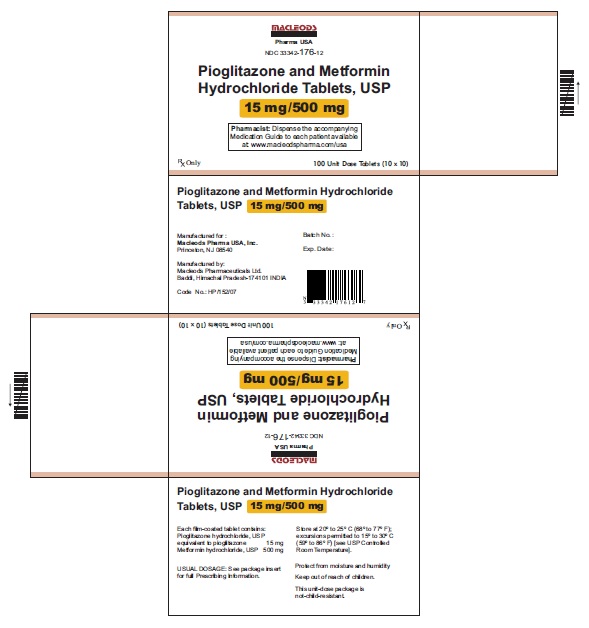
Pioglitazone — Peroxisome Proliferator Receptor alpha Agonist [EPC]. INDICATIONS AND USAGE Monotherapy and Combination Therapy Pioglitazone tablets are indicated as an adjunct to diet and exercise to improve glycemic…
Boxed warning
WARNING: CONGESTIVE HEART FAILURE AND LACTIC ACIDOSIS FULL PRESCRIBING INFORMATION WARNING: CONGESTIVE HEART FAILURE and LACTIC ACIDOSIS Congestive Heart Failure • Thiazolidinediones, including pioglitazone, which is a component of pioglitazone and metformin hydrochloride, cause or exacerbate congestive heart failure in some patients [see Warnings and Precautions ( 5.1 )]. • After initiation of pioglitazone and metformin hydrochloride, and after dose increases, monitor patients carefully for signs and symptoms of heart failure (e.g., excessive, rapid weight gain, dyspnea, and/or edema). If congestive heart failure develops while taking pioglitazone and metformin hydrochloride, consider discontinuation of pioglitazone and metformin hydrochloride or dosage reduction of pioglitazone in pioglitazone and metformin hydrochloride [see Warnings and Precautions ( 5.1 )]. • Pioglitazone and metformin hydrochloride is not recommended in patients with symptomatic heart failure [ see Warnings and Precautions ( 5.1 ) ]. • Initiation of pioglitazone and metformin hydrochloride in patients with established New York Heart Association (NYHA) Class III or IV heart failure is contraindicated [see Contraindications ( 4 ) and Warnings and Precautions ( 5.1 )]. Lactic Acidosis • Postmarketing cases of metformin-associated lactic acidosis have resulted in death, hypothermia, hypotension, and resistant bradyarrhythmias. The onset of metformin-associated lactic acidosis is often subtle, accompanied only by nonspecific symptoms such as malaise, myalgias, respiratory distress, somnolence, and abdominal pain. Metformin-associated lactic acidosis was characterized by elevated blood lactate levels (greater than 5 mmol/L), anion gap acidosis (without evidence of ketonuria or ketonemia), an increased lactate:pyruvate ratio; and metformin plasma levels generally greater than 5 mcg/mL [see Warnings and Precautions ( 5.2 )]. • Risk factors for metformin-associated lactic acidosis include renal impairment, concomitant use of certain drugs (e.g., carbonic anhydrase inhibitors such as topiramate), age 65 years old or greater, having a radiological study with contrast, surgery and other procedures, hypoxic states (e.g., acute congestive heart failure), excessive alcohol intake, and hepatic impairment. • Steps to reduce the risk of and manage metformin-associated lactic acidosis in these high risk groups are provided in the Full Prescribing Information [see Dosage and Administration ( 2.2 ), Contraindications ( 4 ), Warnings and Precautions ( 5.2 ), Drug Interactions ( 7 ), and Use in Specific Populations ( 8.6 , 8.7 )]. • If metformin-associated lactic acidosis is suspected, immediately discontinue pioglitazone and metformin hydrochloride tablets and institute general supportive measures in a hospital setting. Prompt hemodialysis is recommended [see Warnings and Precautions ( 5.2 )]. WARNING: CONGESTIVE HEART FAILURE and LACTIC ACIDOSIS See full prescribing information for complete boxed warning Congestive Heart Failure • Thiazolidinediones, including pioglitazone, which is a component of pioglitazone and metformin hydrochloride tablets, cause or exacerbate congestive heart failure in some patients. ( 5.1 ) • After initiation of pioglitazone and metformin hydrochloride tablets, and after dose increases, monitor patients carefully for signs and symptoms of heart failure (e.g., excessive, rapid weight gain, dyspnea, and/or edema). If congestive heart failure develops while taking pioglitazone and metformin hydrochloride tablets, consider discontinuation of pioglitazone and metformin hydrochloride tablets or dosage reduction of pioglitazone in pioglitazone and metformin hydrochloride tablets. ( 5.1 ) • Pioglitazone and metformin hydrochloride tablets are not recommended in patients with symptomatic heart failure. ( 5.1 ) • Initiation of pioglitazone and metformin hydrochloride tablets in patients with established New York Heart Association (NYHA) Class III or IV heart failure is contraindicated. ( 4 , 5.1 ) Lactic Acidosis • Postmarketing cases of metformin-associated lactic acidosis have resulted in death, hypothermia, hypotension, and resistant bradyarrhythmias. Symptoms included malaise, myalgias, respiratory distress, somnolence, and abdominal pain. Laboratory abnormalities included elevated blood lactate levels, anion gap acidosis, increased lactate: pyruvate ratio; and metformin plasma levels generally greater than 5 mcg/mL. ( 5.2 ) • Risk factors include renal impairment, concomitant use of certain drugs, age ≥65 years old, radiological studies with contrast, surgery and other procedures, hypoxic states, excessive alcohol intake, and hepatic impairment. Steps to reduce the risk of and manage metformin-associated lactic acidosis in these high risk groups are provided in the Full Prescribing Information. ( 5.2 ) • If lactic acidosis is suspected, discontinue pioglitazone and metformin hydrochloride tablets and institute general supportive measures in a hospital setting. Prompt hemodialysis is recommended. ( 5.2 )
Brand names
PIOGLITAZONE HYDROCHLORIDEPioglitazonePIOGLITAZONEPioglitazone Hydrochloride and Metformin HydrochloridePioglitazone HCL and Metformin HCLActoplus MetPioglitazone and metformin hydrochloride
INDICATIONS AND USAGE Monotherapy and Combination Therapy Pioglitazone tablets are indicated as an adjunct to diet and exercise to improve glycemic control in adults with type 2 diabetes mellitus in multiple clinical settings [see Clinical Studies ( 14 ) ] . Important Limitations of Use Pioglitazone tablets, USP exerts its antihyperglycemic effect only in the presence of endogenous insulin. Pioglitazone tablets USP should not be used to treat type 1 diabetes or diabetic ketoacidosis, as it would not be effective in these settings. Use caution in patients with liver disease [see Warnings and Precautions ( 5.3 ) ]. Pioglitazone hydrochloride is a thiazolidinedione and an agonist for peroxisome proliferator-activated receptor (PPAR) gamma indicated as an adjunct to diet and exercise to improve glycemic control in adults with type 2 diabetes mellitus in multiple clinical settings. ( 1 , 14 ) Important Limitations of Use: Not for treatment of type 1 diabetes or diabetic ketoacidosis. ( 1 )
Dosage
DOSAGE AND ADMINISTRATION Obtain liver tests before initiation. If abnormal, use caution when treating with pioglitazone and metformin hydrochloride, investigate the probable cause, treat (if possible), and follow appropriately. ( 2.1 ) Take orally with meals to reduce gastrointestinal adverse reactions with metformin (2.10) Individualize the starting dose based on the patient’s current regimen and titrate the dosage gradually, as needed after assessing therapeutic response and tolerability. The maximum recommended total daily dosage is pioglitazone 45 mg and metformin 2,550 mg. ( 2.2 ) Recommended starting dosage in patients with NYHA Class I or Class II congestive heart failure is 15 mg of pioglitazone and 500 mg of metformin hydrochloride or 15 mg of pioglitazone and 850 mg of metformin hydrochloride orally once daily. ( 2.4 ) Prior to initiation, assess renal function with estimated glomerular filtration rate (eGFR). ( 2.2 ) Contraindicated in patients with eGFR below 30 mL/min Initiation is not recommended in patients with eGFR between 30 to 45 mL/min Assess risk/benefit of continuing pioglitazone and metformin hydrochloride if eGFR falls below 45 mL/min Discontinue if eGFR falls below 30 mL/min Monitor patients for adverse events related to fluid retention after initiation and dose increases. ( 2.4 ) Pioglitazone and metformin hydrochloride may need to be discontinued at time of, or prior to, iodinated contrast imaging procedures. ( 2.6 ) 2.1 Important Dosage and Administration Information Obtain liver tests (serum alanine and aspartate aminotransferases, alkaline phosphatase, and total bilirubin) prior to initiating pioglitazone and metformin hydrochloride tablets [see Warnings and Precautions (5.5) ]. Pioglitazone and metformin hydrochloride tablet contains 15 mg of pioglitazone and 500 mg of metformin hydrochloride or 15 mg of pioglitazone and 850 mg of metformin hydrochloride in each tablet. Take pioglitazone and metformin hydrochloride tablets with meals to reduce gastrointestinal adverse reactions with metformin [see Adverse Reactions (6.1) ]. If a dose is missed, do not double the next dose. 2.2 Recommended Dosage and Administration Recommended Starting Dosage Based on Current Regimen Individualize the starting dosage of pioglitazone and metformin hydrochloride tablets based on the patient's current regimen and the available strength of pioglitazone and metformin hydrochloride tablets (see Table 1). Table 1: Recommended Starting Dosage Based on the Patient’s Current Regimen *For dosage recommendations for patients with renal impairment and/or congestive heart failure, see Dosage and Administration (2.3 , 2.4) Current Regimen Starting Dosage of Pioglitazone and Metformin Hydrochloride tablets (15 mg of pioglitazone and 850 mg of metformin hydrochloride per tablet)* Not treated with either pioglitazone or metformin hydrochloride One tablet orally once daily Metformin hydrochloride One tablet orally once or twice daily. Select a dosage that is as close as possible to the current dosage of metformin hydrochloride Pioglitazone One tablet orally once daily Pioglitazone and metformin hydrochloride Select a dosage that is as close as possible to the current dosage of pioglitazone and metformin hydrochloride while not exceeding three tablets orally per day. Dosage Titration for Additional Glycemic Control Titrate the pioglitazone and metformin hydrochloride tablets dosage gradually, as needed, after assessing therapeutic response and tolerability. Pioglitazone and metformin hydrochloride tablets may be increased to a maximum recommended total daily dosage of three tablets per day (45 mg of pioglitazone and 2,550 mg of metformin hydrochloride). Total daily dosages of 2,550 mg of metformin hydrochloride may be taken in divided doses three times a day to reduce gastrointestinal adverse reactions [see Adverse Reactions (6.1) ]. 2.3 Recommendations for Use in Patients with Renal Impairment Assess renal function prior to initiation of pioglitazone and metformin hydrochloride tablets and periodically thereafter [see Use in Specific Populations (8.6) ]. Pioglitazone and metformin hydrochloride tablets are contraindicated in patients with an estimated glomerular filtration rate (eGFR) below 30 mL/min. Initiation of pioglitazone and metformin hydrochloride tablets in patients with an eGFR between 30 to 45 mL/min is not recommended. In patients taking pioglitazone and metformin hydrochloride tablets whose eGFR later falls below 45 mL/min, assess the benefit and risk of continuing therapy. Discontinue pioglitazone and metformin hydrochloride tablets if the patient's eGFR later falls below 30 mL/min [see Contraindications (4) , Warnings and Precautions (5.2) ]. 2.4 Recommendations for Congestive Heart Failure Starting Dosage in Patients with NYHA Class I or II Congestive Heart Failure For patients with preexisting NYHA Class I or II congestive heart failure, the recommended starting dosage of pioglitazone and metformin hydrochloride tablets are 15 mg of pioglitazone and 500 mg of metformin or 15 mg of pioglitazone and 850 mg of metformin [see Boxed Warning and Warnings and Precautions (5.1) ]. Monitoring for Fluid Retention and Dosage Modifications for Congestive Heart Failure After initiation of pioglitazone and metformin hydrochloride tablets or with dosage increase, monitor patients carefully for adverse reactions related to fluid retention as has been seen with pioglitazone (e.g., weight gain, edema and signs and symptoms of congestive heart failure). If congestive heart failure develops while taking pioglitazone and metformin hydrochloride tablets, consider discontinuation of pioglitazone and metformin hydrochloride tablets or dosage reduction of pioglitazone in pioglitazone and metformin hydrochloride tablets [see Boxed Warning and Warnings and Precautions (5.1) ]. 2.5 Coadministration with Strong CYP2C8 Inhibitors The maximum recommended dosage of pioglitazone and metformin hydrochloride tablets is one tablet (15 mg of pioglitazone and 850 mg of metformin hydrochloride) once daily when used in combination with gemfibrozil or other strong CYP2C8 inhibitors [see Drug Interactions (7.1) , Clinical Pharmacology (12.3) ] . 2.6 Discontinuation for Iodinated Contrast Imaging Procedures Discontinue pioglitazone and metformin hydrochloride tablets at the time of, or prior to, an iodinated contrast imaging procedure in patients with an eGFR between 30 and 60 mL/min; in patients with a history of liver disease, alcoholism, or heart failure; or in patients who will be administered intra-arterial iodinated contrast. Re-evaluate eGFR 48 hours after the imaging procedure; restart pioglitazone and metformin hydrochloride tablets if renal function is stable [see Warnings and Precautions (5.2) ] .
Warnings
WARNINGS AND PRECAUTIONS Congestive heart failure: Fluid retention may occur and can exacerbate or lead to congestive heart failure. Combination use with insulin and use in congestive heart failure NYHA Class I and II may increase risk. Monitor patients for signs and symptoms. (5.1) Hypoglycemia: When used with insulin or an insulin secretagogue, a lower dose of the insulin or insulin secretagogue may be needed to reduce the risk of hypoglycemia. (5.2) Hepatic effects: Postmarketing reports of hepatic failure, sometimes fatal. Causality cannot be excluded. If liver injury is detected, promptly interrupt pioglitazone and assess patient for probable cause, then treat cause if possible, to resolution or stabilization. Do not restart pioglitazone if liver injury is confirmed and no alternate etiology can be found. (5.3) Bladder cancer: May increase the risk of bladder cancer. Do not use in patients with active bladder cancer. Use caution when using in patients with a prior history of bladder cancer. (5.4) Edema: Dose-related edema may occur. (5.5) Fractures: Increased incidence in female patients. Apply current standards of care for assessing and maintaining bone health. (5.6) Macular edema: Postmarketing reports. Recommend regular eye exams in all patients with diabetes according to current standards of care with prompt evaluation for acute visual changes. (5.7) Macrovascular outcomes: There have been no clinical studies establishing conclusive evidence of macrovascular risk reduction with pioglitazone. ( 5.8 ) 5.1 Congestive Heart Failure Pioglitazone, like other thiazolidinediones, can cause dose-related fluid retention when used alone or in combination with other antidiabetic medications and is most common when pioglitazone is used in combination with insulin. Fluid retention may lead to or exacerbate congestive heart failure. Patients should be observed for signs and symptoms of congestive heart failure. If congestive heart failure develops, it should be managed according to current standards of care and discontinuation or dose reduction of pioglitazone must be considered [see Boxed Warning , Contraindications (4) , and Adverse Reactions (6.1) ] . 5.2 Hypoglycemia Patients receiving pioglitazone in combination with insulin or other antidiabetic medications (particularly insulin secretagogues such as sulfonylureas) may be at risk for hypoglycemia. A reduction in the dose of the concomitant antidiabetic medication may be necessary to reduce the risk of hypoglycemia [see Dosage and Administration (2.2) ]. 5.3 Hepatic Effects There have been postmarketing reports of fatal and non-fatal hepatic failure in patients taking pioglitazone, although the reports contain insufficient information necessary to establish the probable cause. There has been no evidence of drug-induced hepatotoxicity in the pioglitazone controlled clinical trial database to date [see Adverse Reactions (6.1) ] . Patients with type 2 diabetes may have fatty liver disease or cardiac disease with episodic congestive heart failure, both of which may cause liver test abnormalities, and they may also have other forms of liver disease, many of which can be treated or managed. Therefore, obtaining a liver test panel (serum alanine aminotransferase [ALT], aspartate aminotransferase [AST], alkaline phosphatase, and total bilirubin) and assessing the patient is recommended before initiating pioglitazone therapy. In patients with abnormal liver tests, pioglitazone should be initiated with caution. Measure liver tests promptly in patients who report symptoms that may indicate liver injury, including fatigue, anorexia, right upper abdominal discomfort, dark urine or jaundice. In this clinical context, if the patient is found to have abnormal liver tests (ALT greater than 3 times the upper limit of the reference range), pioglitazone treatment should be interrupted and investigation done to establish the probable cause. Pioglitazone should not be restarted in these patients without another explanation for the liver test abnormalities. Patients who have serum ALT greater than three times the reference range with serum total bilirubin greater than two times the reference range without alternative etiologies are at risk for severe drug-induced liver injury, and should not be restarted on pioglitazone. For patients with lesser elevations of serum ALT or bilirubin and with an alternate probable cause, treatment with pioglitazone can be used with caution. 5.4 Urinary Bladder Tumors Tumors were observed in the urinary bladder of male rats in the two-year carcinogenicity study [see Nonclinical Toxicology (13.1) ]. In addition, during the three year PROactive clinical trial, 14 patients out of 2605 (0.54%) randomized to pioglitazone and 5 out of 2633 (0.19%) randomized to placebo were diagnosed with bladder cancer. After excluding patients in whom exposure to study drug was less than one year at the time of diagnosis of bladder cancer, there were 6 (0.23%) cases on pioglitazone and two (0.08%) cases on placebo. After completion of the trial, a large subset of patients was observed for up to 10 additional years, with little additional exposure to pioglitazone. During the 13 years of both PROactive and observational follow-up, the occurrence of bladder cancer did not differ between patients randomized to pioglitazone or placebo (HR =1; [95% CI: 0.59 to 1.72]). Findings regarding the risk of bladder cancer in patients exposed to pioglitazone vary among observational studies; some did not find an increased risk of bladder cancer associated with pioglitazone, while others did. A large prospective 10-year observational cohort study conducted in the United States found no statistically significant increase in the risk of bladder cancer in diabetic patients ever exposed to pioglitazone, compared to those never exposed to pioglitazone (HR =1.06 [95% CI 0.89 to 1.26]). A retrospective cohort study conducted with data from the United Kingdom found a statistically significant association between ever exposure to pioglitazone and bladder cancer (HR: 1.63; [95% CI: 1.22 to 2.19]). Associations between cumulative dose or cumulative duration of exposure to pioglitazone and bladder cancer were not detected in some studies including the 10-year observational study in the U.S., but were in others. Inconsistent findings and limitations inherent in these and other studies preclude conclusive interpretations of the observational data. Pioglitazone may be associated with an increase in the risk of urinary bladder tumors. There are insufficient data to determine whether pioglitazone is a tumor promoter for urinary bladder tumors. Consequently, pioglitazone should not be used in patients with active bladder cancer and the benefits of glycemic control versus unknown risks for cancer recurrence with pioglitazone should be considered in patients with a prior history of bladder cancer. 5.5 Edema In controlled clinical trials, edema was reported more frequently in patients treated with pioglitazone than in placebo-treated patients and is dose-related [see Adverse Reactions (6.1) ] . In postmarketing experience, reports of new onset or worsening edema have been received. Pioglitazone should be used with caution in patients with edema. Because thiazolidinediones, including pioglitazone, can cause fluid retention, which can exacerbate or lead to congestive heart failure, pioglitazone should be used with caution in patients at risk for congestive heart failure. Patients treated with pioglitazone should be monitored for signs and symptoms of congestive heart failure [see Boxed Warning, Warnings and Precautions (5.1) a nd Patient Counseling Information (17) ] . 5.6 Fractures In PROactive (the Prospective Pioglitazone Clinical Trial in Macrovascular Events), 5238 patients with type 2 diabetes and a history of macrovascular disease were randomized to pioglitazone (N=2605), force-titrated up to 45 mg daily or placebo (N=2633) in addition to stand
Contraindications
CONTRAINDICATIONS Pioglitazone and metformin hydrochloride tablets are contraindicated in patients with: • Established NYHA Class III or IV heart failure at the time of pioglitazone and metformin hydrochloride tablets initiation [see Boxed Warning]. • Severe renal impairment (eGFR below 30 mL/min) [see Warnings and Precautions (5.2)]. • A history of serious hypersensitivity to pioglitazone, metformin HCl, or any of the excipients in pioglitazone and metformin hydrochloride tablets. • Acute or chronic metabolic acidosis, including diabetic ketoacidosis [see Warnings and Precautions (5.2)]. Pioglitazone and metformin hydrochloride tablets is contraindicated in patients with: • Established NYHA Class III or IV heart failure at the time of pioglitazone and metformin hydrochloride tablets initiation [see Boxed Warning]. • Severe renal impairment (eGFR below 30 mL/min) [see Warnings and Precautions ( 5.2 )]. • A history of serious hypersensitivity to pioglitazone, metformin HCl, or any of the excipients in pioglitazone and metformin hydrochloride tablets. • Acute or chronic metabolic acidosis, including diabetic ketoacidosis [see Warnings and Precautions ( 5.2 )].
Drug interactions
DRUG INTERACTIONS • Strong CYP2C8 inhibitors (e.g., gemfibrozil): Limit pioglitazone and metformin hydrochloride dose to 15 mg/850 mg daily. ( 7.1 ) • CYP2C8 inducers (e.g., rifampin) may decrease pioglitazone concentrations. ( 7.2 ) • Carbonic anhydrase inhibitors may increase risk of lactic acidosis. Consider more frequent monitoring. ( 7.3 ) • Drugs that reduce metformin clearance (such as ranolazine, vandetanib, dolutegravir, and cimetidine), may increase the accumulation of metformin. Consider the benefits and risks of concomitant use. ( 7.4 ) • Alcohol: Warn patients against excessive alcohol intake. ( 7.5 ) • Use of insulin secretagogues or insulin use may increase the risk for hypoglycemia and may require dose reduction. ( 7.6 ) • Topiramate may decrease pioglitazone concentrations. ( 7.8 ) 7.1 Strong CYP2C8 Inhibitors An inhibitor of CYP2C8 (e.g., gemfibrozil) significantly increases the exposure (area under the serum concentration-time curve or AUC) and half-life (t 1/2 ) of pioglitazone. Therefore, the maximum recommended dosage of pioglitazone and metformin hydrochloride tablets is 15 mg of pioglitazone and 850 mg of metformin HCl once daily if used in combination with gemfibrozil or other strong CYP2C8 inhibitors [ see Dosage and Administration ( 2.3 ), Clinical Pharmacology ( 12.3 )]. 7.2 CYP2C8 Inducers An inducer of CYP2C8 (e.g., rifampin) may significantly decrease the exposure (AUC) of pioglitazone. Therefore, if an inducer of CYP2C8 is started or stopped during treatment with pioglitazone and metformin hydrochloride tablets, changes in diabetes treatment may be needed based on clinical response without exceeding the maximum recommended daily dosage of pioglitazone and metformin hydrochloride tablets, (45 mg of pioglitazone and 2,550 mg of metformin HCl) [see Clinical Pharmacology ( 12.3 )]. 7.3 Carbonic Anhydrase Inhibitors Topiramate or other carbonic anhydrase inhibitors (e.g., zonisamide, acetazolamide or dichlorphenamide) frequently causes a decrease in serum bicarbonate and induce non-anion gap, hyperchloremic metabolic acidosis. Concomitant use of these drugs with pioglitazone and metformin hydrochloride tablets may increase the risk for lactic acidosis. Consider more frequent monitoring of these patients. 7.4 Drugs that Reduce Metformin Clearance Concomitant use of drugs that interfere with common renal tubular transport systems involved in the renal elimination of metformin (e.g., organic cationic transporter-2 [OCT2]/multidrug and toxin extrusion [MATE] inhibitors such as ranolazine, vandetanib, dolutegravir, and cimetidine) could increase systemic exposure to metformin and may increase the risk for lactic acidosis [see Clinical Pharmacology ( 12.3 )]. Consider the benefits and risks of concomitant use. 7.5 Alcohol Alcohol is known to potentiate the effect of metformin on lactate metabolism. Warn patients against excessive alcohol intake while receiving pioglitazone and metformin hydrochloride tablets. 7.6 Insulin Secretagogues or Insulin Coadministration of pioglitazone and metformin hydrochloride tablets with an insulin secretagogue (e.g., sulfonylurea) or insulin may increase the risk of hypoglycemia. If hypoglycemia occurs in a patient coadministered pioglitazone and metformin hydrochloride tablets and an insulin secretagogue (e.g., sulfonylurea), the dose of the insulin secretagogue should be reduced 7.7 Drugs Affecting Glycemic Control Certain drugs tend to produce hyperglycemia and may lead to loss of glycemic control. These drugs include the thiazides and other diuretics, corticosteroids, phenothiazines, thyroid products, estrogens, oral contraceptives, phenytoin, nicotinic acid, sympathomimetics, calcium channel blockers, and isoniazid. When such drugs are administered to a patient receiving pioglitazone and metformin hydrochloride tablets, the patient should be closely observed for loss of blood glucose control. When such drugs are withdrawn from a patient receiving pioglitazone and metformin hydrochloride tablets, the patient should be observed closely for hypoglycemia 7.8 Topiramate A decrease in the exposure of pioglitazone and its active metabolites were noted with concomitant administration of pioglitazone and topiramate [see Clinical Pharmacology ( 12.3 )]. The clinical relevance of this decrease is unknown; however, when pioglitazone and metformin hydrochloride and topiramate are used concomitantly, monitor patients for adequate glycemic control.
Adverse reactions
ADVERSE REACTIONS The following serious adverse reactions are discussed elsewhere in the labeling: Congestive heart failure [see Boxed Warning and Warnings and Precautions (5.1) ] Edema [see Warnings and Precautions (5.5) ] Fractures [see Warnings and Precautions (5.6) ] Most common adverse reactions (≥5%) are upper respiratory tract infection, headache, sinusitis, myalgia, and pharyngitis. (6.1) To report SUSPECTED ADVERSE REACTIONS, contact Quallent Pharmaceuticals Health LLC at 1-877-605-7243 or FDA at 1-800-FDA-1088 or www.fda.gov/medwatch . 6.1 Clinical Trials Experience Because clinical trials are conducted under widely varying conditions, adverse reaction rates observed in the clinical trials of a drug cannot be directly compared to rates in the clinical trials of another drug and may not reflect the rates observed in practice. Over 8500 patients with type 2 diabetes have been treated with pioglitazone in randomized, double-blind, controlled clinical trials, including 2605 patients with type 2 diabetes and macrovascular disease treated with pioglitazone in the PROactive clinical trial. In these trials, over 6000 patients have been treated with pioglitazone for six months or longer, over 4500 patients have been treated with pioglitazone for one year or longer, and over 3000 patients have been treated with pioglitazone for at least two years. In six pooled 16- to 26-week placebo-controlled monotherapy and 16- to 24-week add-on combination therapy trials, the incidence of withdrawals due to adverse events was 4.5% for patients treated with pioglitazone and 5.8% for comparator-treated patients. The most common adverse events leading to withdrawal were related to inadequate glycemic control, although the incidence of these events was lower (1.5%) with pioglitazone than with placebo (3%). In the PROactive trial, the incidence of withdrawals due to adverse events was 9% for patients treated with pioglitazone and 7.7% for placebo-treated patients. Congestive heart failure was the most common serious adverse event leading to withdrawal occurring in 1.3% of patients treated with pioglitazone and 0.6% of patients treated with placebo. Common Adverse Events: 16- to 26-Week Monotherapy Trials A summary of the incidence and type of common adverse events reported in three pooled 16- to 26-week placebo-controlled monotherapy trials of pioglitazone is provided in Table 1. Terms that are reported represent those that occurred at an incidence of >5% and more commonly in patients treated with pioglitazone than in patients who received placebo. None of these adverse events were related to pioglitazone dose. Table 1. Three Pooled 16- to 26-Week Placebo-Controlled Clinical Trials of Pioglitazone Monotherapy: Adverse Events Reported at an Incidence > 5% and More Commonly in Patients Treated with Pioglitazone than in Patients Treated with Placebo % of Patients Placebo N=259 Pioglitazone N=606 Upper Respiratory Tract Infection 8.5 13.2 Headache 6.9 9.1 Sinusitis 4.6 6.3 Myalgia 2.7 5.4 Pharyngitis 0.8 5.1 Common Adverse Events: 16- to 24-Week Add-on Combination Therapy Trials A summary of the overall incidence and types of common adverse events reported in trials of pioglitazone add-on to sulfonylurea is provided in Table 2. Terms that are reported represent those that occurred at an incidence of >5% and more commonly with the highest tested dose of pioglitazone. Table 2. 16- to 24-Week Clinical Trials of Pioglitazone Add-on to Sulfonylurea Note: The preferred terms of edema peripheral, generalized edema, pitting edema and fluid retention were combined to form the aggregate term of “edema.” 16-Week Placebo-Controlled Trial Adverse Events Reported in > 5% of Patients and More Commonly in Patients Treated with Pioglitazone 30 mg + Sulfonylurea than in Patients Treated with Placebo + Sulfonylurea % of Patients Placebo + Sulfonylurea N=187 Pioglitazone 15 mg + Sulfonylurea N=184 Pioglitazone 30 mg + Sulfonylurea N=189 Edema 2.1 1.6 12.7 Headache 3.7 4.3 5.3 Flatulence 0.5 2.7 6.3 Weight Increased 0 2.7 5.3 24-Week Non-Controlled Double-Blind Trial Adverse Events Reported in > 5% of Patients and More Commonly in Patients Treated with Pioglitazone 45 mg + Sulfonylurea than in Patients Treated with Pioglitazone 30 mg + Sulfonylurea % of Patients Pioglitazone 30 mg + Sulfonylurea N=351 Pioglitazone 45 mg + Sulfonylurea N=351 Hypoglycemia 13.4 15.7 Edema 10.5 23.1 Upper Respiratory Tract Infection 12.3 14.8 Weight Increased 9.1 13.4 Urinary Tract Infection 5.7 6.8 A summary of the overall incidence and types of common adverse events reported in trials of pioglitazone add-on to metformin is provided in Table 3. Terms that are reported represent those that occurred at an incidence of >5% and more commonly with the highest tested dose of pioglitazone. Table 3. 16- to 24-Week Clinical Trials of Pioglitazone Add-on to Metformin Note: The preferred terms of edema peripheral, generalized edema, pitting edema and fluid retention were combined to form the aggregate term of “edema.” 16-Week Placebo-Controlled Trial Adverse Events Reported in > 5% of Patients and More Commonly in Patients Treated with Pioglitazone + Metformin than in Patients Treated with Placebo + Metformin % of Patients Placebo + Metformin N=160 Pioglitazone 30 mg + Metformin N=168 Edema 2.5 6 Headache 1.9 6 24-Week Non-Controlled Double-Blind Trial Adverse Events Reported in > 5% of Patients and More Commonly in Patients Treated with Pioglitazone 45 mg + Metformin than in Patients Treated with Pioglitazone 30 mg + Metformin % of Patients Pioglitazone 30 mg + Metformin N=411 Pioglitazone 45 mg + Metformin N=416 Upper Respiratory Tract Infection 12.4 13.5 Edema 5.8 13.9 Headache 5.4 5.8 Weight Increased 2.9 6.7 Table 4 summarizes the incidence and types of common adverse events reported in trials of pioglitazone add-on to insulin. Terms that are reported represent those that occurred at an incidence of >5% and more commonly with the highest tested dose of pioglitazone. Table 4. 16- to 24-Week Clinical Trials of Pioglitazone Add-on to Insulin Note: The preferred terms of edema peripheral, generalized edema, pitting edema and fluid retention were combined to form the aggregate term of “edema.” 16-Week Placebo-Controlled Trial Adverse Events Reported in > 5% of Patients and More Commonly in Patients Treated with Pioglitazone 30 mg + Insulin than in Patients Treated with Placebo + Insulin % of Patients Placebo +Insulin N=187 Pioglitazone 15 mg + Insulin N=191 Pioglitazone 30 mg + Insulin N=188 Hypoglycemia 4.8 7.9 15.4 Edema 7 12.6 17.6 Upper Respiratory Tract Infection 9.6 8.4 14.9 Headache 3.2 3.1 6.9 Weight Increased 0.5 5.2 6.4 Back Pain 4.3 2.1 5.3 Dizziness 3.7 2.6 5.3 Flatulence 1.6 3.7 5.3 24-Week Non-Controlled Double-Blind Trial Adverse Events Reported in > 5% of Patients and More Commonly in Patients Treated with Pioglitazone 45 mg + Insulin than in Patients Treated with Pioglitazone 30 mg + Insulin % of Patients Pioglitazone 30 mg + Insulin N=345 Pioglitazone 45 mg + Insulin N=345 Hypoglycemia 43.5 47.8 Edema 22 26.1 Weight Increased 7.2 13.9 Urinary Tract Infection 4.9 8.7 Diarrhea 5.5 5.8 Back Pain 3.8 6.4 Blood Creatine Phosphokinase Increased 4.6 5.5 Sinusitis 4.6 5.5 Hypertension 4.1 5.5 A summary of the overall incidence and types of common adverse events reported in the PROactive trial is provided in Table 5. Terms that are reported represent those that occurred at an incidence of >5% and more commonly in patients treated with pioglitazone than in patients who received placebo. Table 5. PROactive Trial: Incidence and Types of Adverse Events Reported in > 5% of Patients Treated with Pioglitazone and More Commonly than Placebo Mean duration of patient follow-up was 34.5 months. % of Patients Placebo N=2633 Pioglitazone N=2605 Hypoglycemia 18.8 27.3 Edema 15.3 26.7 Cardiac Failure 6.1 8.1 Pain in Extremity 5.7 6.4 Back Pain 5.1 5.5 Chest Pain 5 5.1 Congestive Heart Failure A summary of the incidence of adve
Mechanism of action
CLINICAL PHARMACOLOGY 12.1 Mechanism of Action Pioglitazone tablets are a thiazolidinedione that depends on the presence of insulin for its mechanism of action. Pioglitazone tablets decreases insulin resistance in the periphery and in the liver resulting in increased insulin-dependent glucose disposal and decreased hepatic glucose output. Pioglitazone is not an insulin secretagogue. Pioglitazone is an agonist for peroxisome proliferator-activated receptor-gamma (PPARγ). PPAR receptors are found in tissues important for insulin action such as adipose tissue, skeletal muscle, and liver. Activation of PPARγ nuclear receptors modulates the transcription of a number of insulin responsive genes involved in the control of glucose and lipid metabolism. In animal models of diabetes, pioglitazone reduces the hyperglycemia, hyperinsulinemia, and hypertriglyceridemia characteristic of insulin-resistant states such as type 2 diabetes. The metabolic changes produced by pioglitazone result in increased responsiveness of insulin-dependent tissues and are observed in numerous animal models of insulin resistance. Because pioglitazone enhances the effects of circulating insulin (by decreasing insulin resistance), it does not lower blood glucose in animal models that lack endogenous insulin. 12.2 Pharmacodynamics Clinical studies demonstrate that pioglitazone tablets improve insulin sensitivity in insulin-resistant patients. Pioglitazone tablets enhance cellular responsiveness to insulin, increases insulin-dependent glucose disposal and improves hepatic sensitivity to insulin. In patients with type 2 diabetes, the decreased insulin resistance produced by pioglitazone tablets results in lower plasma glucose concentrations, lower plasma insulin concentrations, and lower HbA1c values. In controlled clinical trials, pioglitazone tablets had an additive effect on glycemic control when used in combination with a sulfonylurea, metformin, or insulin [see Clinical Studies (14.2) ]. Patients with lipid abnormalities were included in clinical trials with pioglitazone tablets. Overall, patients treated with pioglitazone tablets had mean decreases in serum triglycerides, mean increases in HDL cholesterol, and no consistent mean changes in LDL and total cholesterol. There is no conclusive evidence of macrovascular benefit with pioglitazone tablets [see Warnings and Precautions (5.8) and Adverse Reactions (6.1) ]. In a 26-week, placebo-controlled, dose-ranging monotherapy study, mean serum triglycerides decreased in the 15 mg, 30 mg, and 45 mg pioglitazone tablets dose groups compared to a mean increase in the placebo group. Mean HDL cholesterol increased to a greater extent in patients treated with pioglitazone tablets than in the placebo-treated patients. There were no consistent differences for LDL and total cholesterol in patients treated with pioglitazone tablets compared to placebo (see Table 14). Table 14. Lipids in a 26-Week Placebo-Controlled Monotherapy Dose-Ranging Study Placebo Pioglitazone Tablets 15 mg Once Daily Pioglitazone Tablets 30 mg Once Daily Pioglitazone Tablets 45 mg Once Daily Triglycerides (mg/dL) N=79 N=79 N=84 N=77 Baseline (mean) 263 284 261 260 Percent change from baseline (adjusted mean * ) 4.8% -9.0% † -9.6% † -9.3% † HDL Cholesterol (mg/dL) N=79 N=79 N=83 N=77 Baseline (mean) 42 40 41 41 Percent change from baseline (adjusted mean * ) 8.1% 14.1% † 12.2% 19.1% † LDL Cholesterol (mg/dL) N=65 N=63 N=74 N=62 Baseline (mean) 139 132 136 127 Percent change from baseline (adjusted mean * ) 4.8% 7.2% 5.2% 6.0% Total Cholesterol (mg/dL) N=79 N=79 N=84 N=77 Baseline (mean) 225 220 223 214 Percent change from baseline (adjusted mean * ) 4.4% 4.6% 3.3% 6.4% *Adjusted for baseline, pooled center, and pooled center by treatment interaction † p < 0.05 versus placebo In the two other monotherapy studies (16 weeks and 24 weeks) and in combination therapy studies with sulfonylurea (16 weeks and 24 weeks), metformin (16 weeks and 24 weeks) or insulin (16 weeks and 24 weeks), the results were generally consistent with the data above. 12.3 Pharmacokinetics Following once-daily administration of pioglitazone tablets, steady-state serum concentrations of both pioglitazone and its major active metabolites, M-III (keto derivative of pioglitazone) and M-IV (hydroxyl derivative of pioglitazone), are achieved within seven days. At steady-state, M-III and M-IV reach serum concentrations equal to or greater than that of pioglitazone. At steady-state, in both healthy volunteers and patients with type 2 diabetes, pioglitazone comprises approximately 30% to 50% of the peak total pioglitazone serum concentrations (pioglitazone plus active metabolites) and 20% to 25% of the total AUC. C max , AUC, and trough serum concentrations (C min ) for pioglitazone and M-III and M-IV, increased proportionally with administered doses of 15 mg and 30 mg per day. Absorption Following oral administration of pioglitazone, T max of pioglitazone was within two hours. Food delays the T max to three to four hours but does not alter the extent of absorption (AUC). Distribution The mean apparent volume of distribution (Vd/F) of pioglitazone following single-dose administration is 0.63 ± 0.41 (mean ± SD) L/kg of body weight. Pioglitazone is extensively protein bound (>99%) in human serum, principally to serum albumin. Pioglitazone also binds to other serum proteins, but with lower affinity. M-III and M-IV are also extensively bound (>98%) to serum albumin. Metabolism Pioglitazone is extensively metabolized by hydroxylation and oxidation; the metabolites also partly convert to glucuronide or sulfate conjugates. Metabolites M-III and M-IV are the major circulating active metabolites in humans. In vitro data demonstrate that multiple CYP isoforms are involved in the metabolism of pioglitazone, which include CYP2C8 and, to a lesser degree, CYP3A4 with additional contributions from a variety of other isoforms including the mainly extrahepatic CYP1A1. In vivo study of pioglitazone in combination with gemfibrozil, a strong CYP2C8 inhibitor, showed that pioglitazone is a CYP2C8 substrate [see Dosage and Administration (2.3) and Drug Interactions (7) ]. Urinary 6β-hydroxycortisol/cortisol ratios measured in patients treated with pioglitazone tablets showed that pioglitazone is not a strong CYP3A4 enzyme inducer. Excretion and Elimination Following oral administration, approximately 15% to 30% of the pioglitazone dose is recovered in the urine. Renal elimination of pioglitazone is negligible, and the drug is excreted primarily as metabolites and their conjugates. It is presumed that most of the oral dose is excreted into the bile either unchanged or as metabolites and eliminated in the feces. The mean serum half-life (t 1/2 ) of pioglitazone and its metabolites (M-III and M-IV) range from three to seven hours and 16 to 24 hours, respectively. Pioglitazone has an apparent clearance, CL/F, calculated to be five to seven L/hr. Renal Impairment The serum elimination half-life of pioglitazone, M-III, and M-IV remains unchanged in patients with moderate (creatinine clearance [CL cr ] 30 to 50 mL/min) and severe (CL cr <30 mL/min) renal impairment when compared to subjects with normal renal function. Therefore, no dose adjustment in patients with renal impairment is required. Hepatic Impairment Compared with healthy controls, subjects with impaired hepatic function (Child-Turcotte-Pugh Grade B/C) have an approximate 45% reduction in pioglitazone and total pioglitazone (pioglitazone, M-III, and M-IV) mean C max but no change in the mean AUC values. Therefore, no dose adjustment in patients with hepatic impairment is required. There are postmarketing reports of liver failure with pioglitazone tablets and clinical trials have generally excluded patients with serum ALT >2.5 times the upper limit of the reference range. Use caution in patients with liver disease [see Warnings and Precautions (5.3) ]. Geriatric Patients In health