Insulin Glargine
Managing this medication for someone you care for? Eleplan keeps diagnoses, medications and appointments in one plan.
Start free with EleplanMedication reference
Insulin Glargine
Insulin Analog [EPC] — SUBCUTANEOUS
Insulin Glargine — Insulin Analog [EPC]. INDICATIONS AND USAGE Insulin glargine is indicated to improve glycemic control in adults and pediatric patients with type 1 diabetes mellitus and…
Brand names
BASAGLAR KwikPenBASAGLAR Tempo PenTOUJEOLANTUS SOLOSTARTOUJEO MaxLantus SolostarInsulin Glargine SolostarInsulin glargine U-300 MaxInsulin glargine U-300LantusINSULIN GLARGINEInsulin GlargineSEMGLEEREZVOGLAR KWIKPEN
Active ingredients
INSULIN GLARGINE
Indications
INDICATIONS AND USAGE Insulin glargine is indicated to improve glycemic control in adults and pediatric patients with type 1 diabetes mellitus and in adults with type 2 diabetes mellitus. Insulin glargine is a long-acting human insulin analog indicated to improve glycemic control in adults and pediatric patients with type 1 diabetes mellitus and in adults with type 2 diabetes mellitus. ( 1 ) Limitations of Use Not recommended for treating diabetic ketoacidosis. ( 1 ) Limitations of Use Insulin glargine is not recommended for the treatment of diabetic ketoacidosis.
Dosage
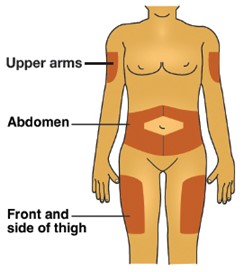
DOSAGE AND ADMINISTRATION Individualize dose based on type of diabetes, metabolic needs, blood glucose monitoring results and glycemic control goal. ( 2.2 ) Administer subcutaneously into the abdominal area, thigh, or deltoid once daily at any time during the day, at the same time every day. ( 2.1 ) Rotate injection sites to reduce risk of lipodystrophy and localized cutaneous amyloidosis. ( 2.1 ) Do not dilute or mix with any other insulin or solution. ( 2.1 ) See Full Prescribing Information for the recommended starting dosage in patients with type 2 diabetes ( 2.3 ) and how to switch to Insulin Glargine, U-300 from other insulins ( 2.4 ) Closely monitor glucose when switching to Insulin Glargine, U-300 and during initial weeks thereafter. ( 2.4 ) 2.1 Important Administration Instructions Always check insulin labels before administration. This product is TOUJEO (insulin glargine). [see Warnings and Precautions (5.4) ] . Visually inspect the Insulin Glargine, U-300 solution for particulate matter and discoloration prior to administration and only use if the solution is clear and colorless with no visible particles. Inject Insulin Glargine, U-300 subcutaneously into the abdominal area, thigh, or deltoid. Rotate injection sites within the same region from one injection to the next to reduce the risk of lipodystrophy and localized cutaneous amyloidosis. Do not inject into areas of lipodystrophy or localized cutaneous amyloidosis [see Warnings and Precautions (5.2) , Adverse Reactions (6) ] . Use Insulin Glargine, U-300 with caution in patients with visual impairment who may rely on audible clicks to dial their dose. Do not administer Insulin Glargine, U-300 intravenously or in an insulin pump. Do not dilute or mix Insulin Glargine, U-300 with any other insulin products or solutions. Never transfer Insulin Glargine, U-300 from the cartridges of the Insulin Glargine, U-300 SoloStar or Insulin Glargine, U-300 Max SoloStar prefilled pen into a syringe for administration [see Warnings and Precautions (5.4) ] . 2.2 General Dosing Instructions Insulin Glargine, U-300 is available in 2 single-patient-use prefilled pens: The Insulin Glargine, U-300 SoloStar prefilled pen contains 450 units of insulin glargine. It delivers doses in 1-unit increments and can deliver up to 80 units in a single injection. The Insulin Glargine, U-300 Max SoloStar prefilled pen contains 900 units of insulin glargine. It delivers doses in 2-unit increments and can deliver up to 160 units in a single injection. It is recommended for patients requiring at least 20 units per day. When changing between Insulin Glargine, U-300 SoloStar and Insulin Glargine, U-300 Max SoloStar, if the patient's previous dose was an odd number, the dose should be increased or decreased by 1 unit to match the dose increments dialable on each prefilled pen. The dose counter of the Insulin Glargine, U-300 SoloStar or Insulin Glargine, U-300 Max SoloStar prefilled pen shows the number of units of Insulin Glargine, U-300 to be injected and no conversion is required. Inject Insulin Glargine, U-300 subcutaneously once a day at the same time of day. During changes to a patient's insulin regimen, increase the frequency of blood glucose monitoring [see Warnings and Precautions (5.2) ] . Individualize and titrate the dosage of Insulin Glargine, U-300 based on the patient's metabolic needs, blood glucose monitoring results, and glycemic control goal. Titrate the dose of Insulin Glargine, U-300 no more frequently than every 3 to 4 days. Dosage adjustments may be needed with changes in physical activity, changes in meal patterns (i.e., macronutrient content or timing of food intake), changes in renal or hepatic function or during acute illness to minimize the risk of hypoglycemia or hyperglycemia [see Warnings and Precautions (5.2) and Use in Specific Populations (8.6 , 8.7) ] . 2.3 Starting Dose in Insulin-Naive Pediatric and Adult Patients Recommended Starting Dosage in Patients with Type 1 Diabetes The recommended starting dose of Insulin Glargine, U-300 in insulin-naive patients with type 1 diabetes is approximately one-third to one-half of the total daily insulin dose. The remainder of the total daily insulin dose should be given as a short-acting insulin and divided between each daily meal. As a general rule, 0.2 to 0.4 units of insulin per kilogram of body weight can be used to calculate the initial total daily insulin dose in insulin-naive patients with type 1 diabetes. The maximum glucose lowering effect of a dose of Insulin Glargine, U-300 may take five days to fully manifest and the first dose may be insufficient to cover metabolic needs in the first 24 hours of use [see Clinical Pharmacology (12.2) ] . When initiating Insulin Glargine, U-300, monitor glucose daily. Recommended Starting Dosage in Patients with Type 2 Diabetes The recommended starting dose of Insulin Glargine, U-300 in insulin-naive patients with type 2 diabetes is 0.2 units per kilogram of body weight once daily. 2.4 Starting Dose in Pediatric and Adult Patients with Either Type 1 or Type 2 Diabetes Already on Insulin Therapy Dosage adjustments are recommended to lower the risk of hypoglycemia when switching patients to Insulin Glargine, U-300 from another insulin therapy [see Warnings and Precautions (5.3) ]. For patients currently on once-daily long or intermediate-acting insulin, start Insulin Glargine, U-300 at the same unit dose as the once-daily long-acting insulin dose. For patients controlled on LANTUS (insulin glargine, 100 units/mL), expect that a higher daily dose of Insulin Glargine, U-300 will be needed to maintain the same level of glycemic control [see Clinical Pharmacology (12.2) and Clinical Studies (14.1) ] . For patients currently on twice-daily long or intermediate-acting insulin, start Insulin Glargine, U-300 at 80% of the total daily NPH or insulin detemir twice-daily dosage. When switching patients to Insulin Glargine, U-300, monitor glucose frequently in the first weeks of therapy [see Warnings and Precautions (5.2) and Clinical Pharmacology (12.2) ] .
Warnings
WARNINGS AND PRECAUTIONS Never share a TOUJEO SoloStar or TOUJEO Max SoloStar single-patient-use prefilled pen between patients, even if the needle is changed. ( 5.1 ) Hyperglycemia or hypoglycemia with changes in insulin regimen: Make changes to a patient's insulin regimen (e.g., insulin strength, manufacturer, type, injection site, or method of administration) under close medical supervision with increased frequency of blood glucose monitoring. ( 5.2 ) Hypoglycemia: May be life-threatening. Increase frequency of glucose monitoring with changes to: insulin dosage, concomitant drugs, meal pattern, physical activity, and in patients with renal impairment or hepatic impairment or hypoglycemia unawareness. ( 5.3 , 6.1 ) Hypoglycemia Due to Medication errors: Accidental mix-ups between insulin products can occur. Instruct patients to check insulin labels before injection. ( 5.4 ) Hypersensitivity reactions: Severe, life-threatening, generalized allergy, including anaphylaxis, can occur. Discontinue TOUJEO, monitor and treat if indicated. ( 5.5 , 6.1 ) Hypokalemia: May be life-threatening. Monitor potassium levels in patients at risk of hypokalemia and treat if indicated. ( 5.6 ) Fluid retention and heart failure with concomitant use of Thiazolidinediones (TZDs): Observe for signs and symptoms of heart failure; consider dosage reduction or discontinuation if heart failure occurs. ( 5.7 ) 5.1 Never Share a TOUJEO SoloStar or TOUJEO Max SoloStar Pen Between Patients TOUJEO SoloStar or TOUJEO Max SoloStar single-patient-use prefilled pens must never be shared between patients, even if the needle is changed. Pen sharing poses a risk for transmission of blood-borne pathogens. 5.2 Hyperglycemia or Hypoglycemia with Changes in Insulin Regimen Changes in Insulin Regimen Including Changes to Administration Site Changes in an insulin regimen (e.g., insulin strength, manufacturer, type, injection site, or method of administration) may affect glycemic control and predispose to hypoglycemia [see Warnings and Precautions (5.3) ] or hyperglycemia. Repeated insulin injections into areas of lipodystrophy or localized cutaneous amyloidosis have been reported to result in hyperglycemia, and a sudden change in the injection site (to unaffected area) has been reported to result in hypoglycemia [see Adverse Reactions (6) ] . Make any changes to a patient's insulin regimen under close medical supervision with increased frequency of blood glucose monitoring. Advise patients who have repeatedly injected into areas of lipodystrophy or localized cutaneous amyloidosis to change the injection site to unaffected areas and closely monitor for hypoglycemia. For patients with type 2 diabetes, dosage adjustments of concomitant oral antidiabetic products may be needed. Changing to TOUJEO from other Insulin Therapies On a unit-to-unit basis, TOUJEO has a lower glucose lowering effect than LANTUS [see Clinical Pharmacology (12.2) ] . In clinical trials, patients who changed to TOUJEO from other basal insulins experienced higher average fasting plasma glucose levels in the first weeks of therapy compared to patients who were changed to LANTUS. Higher doses of TOUJEO were required to achieve similar levels of glucose control compared to LANTUS in clinical trials [see Clinical Studies (14.1) ] . The onset of action of TOUJEO develops over 6 hours following an injection. In type 1 diabetes patients treated with IV insulin, consider the longer onset of action of TOUJEO before stopping IV insulin. The full glucose lowering effect may not be apparent for at least 5 days [see Dosage and Administration (2.2) and Clinical Pharmacology (12.2) ] . To minimize the risk of hyperglycemia when initiating TOUJEO monitor glucose daily, titrate TOUJEO as described in this prescribing information, and adjust coadministered glucose-lowering therapies per standard of care [see Dosage and Administration (2.2 , 2.3) ] . 5.3 Hypoglycemia Hypoglycemia is the most common adverse reaction associated with insulin, including TOUJEO. Severe hypoglycemia can cause seizures, may be life-threatening, or cause death. Hypoglycemia can impair concentration ability and reaction time; this may place the patient and others at risk in situations where these abilities are important (e.g., driving, or operating other machinery). Hypoglycemia can happen suddenly, and symptoms may differ in each patient and change over time in the same patient. Symptomatic awareness of hypoglycemia may be less pronounced in patients with longstanding diabetes, in patients with diabetic neuropathy, in patients using drugs that block the sympathetic nervous system (e.g., beta-blockers) [see Drug Interactions (7) ] , or who experience recurrent hypoglycemia. The long-acting effect of TOUJEO may delay recovery from hypoglycemia compared to shorter-acting insulins. Risk Factors for Hypoglycemia The timing of hypoglycemia usually reflects the time-action profile of the administered insulin formulation. As with all insulins, the glucose lowering effect time course of TOUJEO may vary in different patients or at different times in the same patient and depends on many conditions, including the area of injection as well as the injection site blood supply and temperature [see Clinical Pharmacology (12.2) ] . Other factors which may increase the risk of hypoglycemia include changes in meal pattern (e.g., macronutrient content or timing of meals), changes in level of physical activity, or changes to concomitant drugs [see Drug Interactions (7) ] . Patients with renal or hepatic impairment may be at higher risk of hypoglycemia [see Use in Specific Populations (8.6 , 8.7) ] . Risk Mitigation Strategies for Hypoglycemia Patients and caregivers must be educated to recognize and manage hypoglycemia. Self-monitoring of blood glucose plays an essential role in the prevention and management of hypoglycemia. In patients at higher risk for hypoglycemia and patients who have reduced symptomatic awareness of hypoglycemia, increased frequency of blood glucose monitoring is recommended. To minimize the risk of hypoglycemia, do not administer TOUJEO intravenously, intramuscularly or in an insulin pump, or dilute or mix TOUJEO with any other insulin products or solutions. 5.4 Hypoglycemia Due to Medication Errors Accidental mix-ups between insulin products have been reported. To avoid medication errors between TOUJEO and other insulins, instruct patients to always check the insulin label before each injection. To avoid dosing errors and potential overdose, never use a syringe to remove TOUJEO from the TOUJEO SoloStar or TOUJEO Max SoloStar prefilled pen into a syringe [see Dosage and Administration (2.4) and Warnings and Precautions (5.3) ] . 5.5 Hypersensitivity Reactions Severe, life-threatening, generalized allergy, including anaphylaxis, can occur with insulins, including TOUJEO. If hypersensitivity reactions occur, discontinue TOUJEO; treat per standard of care and monitor until symptoms and signs resolve [see Adverse Reactions (6) ] . TOUJEO is contraindicated in patients who have had hypersensitivity reactions to insulin glargine or any of the excipients in TOUJEO. 5.6 Hypokalemia All insulins, including TOUJEO, cause a shift in potassium from the extracellular to intracellular space, possibly leading to hypokalemia. Untreated hypokalemia may cause respiratory paralysis, ventricular arrhythmia, and death. Monitor potassium levels in patients at risk for hypokalemia, if indicated (e.g., patients using potassium-lowering medications, patients taking medications sensitive to serum potassium concentrations). 5.7 Fluid Retention and Heart Failure with Concomitant Use of PPAR-gamma Agonists Thiazolidinediones (TZDs), which are peroxisome proliferator-activated receptor (PPAR)-gamma agonists, can cause dose-related fluid retention, when used in combination with insulin. Fluid retention may lead to or exacerbate heart failure. Patients treated with insulin, including TOUJEO, and a
Contraindications
CONTRAINDICATIONS Insulin Glargine-yfgn is contraindicated: • During episodes of hypoglycemia [see Warnings and Precautions (5.3) ] • In patients with hypersensitivity to insulin glargine products or any of the excipients in Insulin Glargine-yfgn [see Warnings and Precautions (5.5) ] • During episodes of hypoglycemia ( 4 ) • Hypersensitivity to insulin glargine products or any excipient in Insulin Glargine-yfgn ( 4 )
Drug interactions
DRUG INTERACTIONS Table 8 includes clinically significant drug interactions with Insulin Glargine-yfgn. Table 8: Clinically Significant Drug Interactions with Insulin Glargine-yfgn Drugs that May Increase the Risk of Hypoglycemia Drugs: Antidiabetic agents, ACE inhibitors, angiotensin II receptor blocking agents, disopyramide, fibrates, fluoxetine, monoamine oxidase inhibitors, pentoxifylline, pramlintide, salicylates, somatostatin analogs (e.g., octreotide), sulfonamide antibiotics, GLP-1 receptor agonists, DPP-4 inhibitors, and SGLT-2 inhibitors. Intervention: Dosage reductions and increased frequency of glucose monitoring may be required when Insulin Glargine-yfgn is coadministered with these drugs. Drugs that May Decrease the Blood Glucose Lowering Effect of Insulin Glargine-yfgn Drugs: Atypical antipsychotics (e.g., olanzapine and clozapine), corticosteroids, danazol, diuretics, estrogens, glucagon, isoniazid, niacin, oral contraceptives, phenothiazines, progestogens (e.g., in oral contraceptives), protease inhibitors, somatropin, sympathomimetic agents (e.g., albuterol, epinephrine, terbutaline), and thyroid hormones. Intervention: Dosage increases and increased frequency of glucose monitoring may be required when Insulin Glargine-yfgn is coadministered with these drugs. Drugs that May Increase or Decrease the Blood Glucose Lowering Effect of Insulin Glargine-yfgn Drugs: Alcohol, beta-blockers, clonidine, and lithium salts. Pentamidine may cause hypoglycemia, which may sometimes be followed by hyperglycemia. Intervention: Dosage adjustment and increased frequency of glucose monitoring may be required when Insulin Glargine-yfgn is coadministered with these drugs. Drugs that May Blunt Signs and Symptoms of Hypoglycemia Drugs: Beta-blockers, clonidine, guanethidine, and reserpine. Intervention: Increased frequency of glucose monitoring may be required when Insulin Glargine-yfgn is coadministered with these drugs. • Drugs that Affect Glucose Metabolism : Adjustment of insulin dosage may be needed. ( 7 ) • Antiadrenergic Drugs (e.g., beta-blockers, clonidine, guanethidine, and reserpine): Signs and symptoms of hypoglycemia may be reduced or absent. ( 7 ) * Biosimilar means that the biological product is approved based on data demonstrating that it is highly similar to an FDA-approved biological product, known as a reference product, and that there are no clinically meaningful differences between the biosimilar product and the reference product. Biosimilarity of Insulin Glargine -yfgn has been demonstrated for the condition(s) of use (e.g., indication(s), dosing regimen(s)), strength(s), dosage form(s), and route(s) of administration described in its Full Prescribing Information.
Adverse reactions
ADVERSE REACTIONS The following adverse reactions are discussed elsewhere: Hypoglycemia [see Warnings and Precautions ( 5.3 )] . Hypoglycemia Due to Medication Errors [see Warnings and Precautions ( 5.4 )] . Hypersensitivity Reactions [see Warnings and Precautions ( 5.5 )] . Hypokalemia [see Warnings and Precautions ( 5.6 )] . Adverse reactions commonly (≥5%) associated with insulin glargine products are: Hypoglycemia, allergic reactions, injection site reaction, lipodystrophy, pruritus, rash, edema, and weight gain. ( 6.1 ) To report SUSPECTED ADVERSE REACTIONS, contact Eli Lilly and Company at 1-800-LillyRx (1-800-545-5979) or FDA at 1-800-FDA-1088 or www.fda.gov/medwatch. 6.1 Clinical Trial Experience Because clinical trials are conducted under widely varying conditions, adverse reaction rates observed in the clinical trials of a drug cannot be directly compared to rates in the clinical trials of another drug and may not reflect the rates observed in practice. Two clinical trials with BASAGLAR were conducted: one in type 1 diabetes and one in type 2 diabetes. The type 1 diabetes population had the following characteristics: Mean age was 41 years and mean duration of diabetes was 16 years. 58% were male. 75% were Caucasian, 2% Black or African American and 4% American Indian or Alaskan native. 4% were Hispanic. At baseline, mean eGFR was 109 mL/min/1.73m 2 . 73.5 percent of patients had eGFR>90 mL/min/1.73m 2 . The mean BMI was approximately 26 kg/m 2 . HbA 1c at baseline was 7.8%. The data in Table 1 reflect exposure of 268 patients to BASAGLAR with a mean exposure duration of 49 weeks. The type 2 diabetes population had the following characteristics: Mean age was 59 years and mean duration of diabetes was 11 years. 50% were male. 78% were Caucasian, 8% Black or African American and 5% American Indian or Alaskan native. 28% were Hispanic. At baseline, mean eGFR was 109 mL/min/1.73m 2 . 67.5 percent of patients had eGFR>90 mL/min/1.73m 2 . The mean BMI was approximately 32 kg/m 2 . HbA 1c at baseline was 8.3%. The data in Table 2 reflect exposure of 376 patients to BASAGLAR with a mean exposure duration of 22 weeks. Common adverse reactions were defined as reactions occurring in ≥5% of the population studied. Common adverse reactions during clinical trials in patients with type 1 diabetes mellitus and type 2 diabetes mellitus (other than hypoglycemia) are listed in Table 1 and Table 2 , respectively. Table 1: Adverse reactions occurring in ≥5% of adult patients with type 1 diabetes treated with BASAGLAR in a 52-week trial a Infections other than nasopharyngitis or upper respiratory tract infection. BASAGLAR + Insulin Lispro, % (n=268) Infection a 24 Nasopharyngitis 16 Upper respiratory tract infection 8 Table 2: Adverse reactions occurring in ≥5% of adult patients with type 2 diabetes treated with BASAGLAR in a 24-week trial a Infections other than nasopharyngitis or upper respiratory tract infection. BASAGLAR + Oral Antidiabetic Medication, % (n=376) Infection a 17 Nasopharyngitis 6 Upper respiratory tract infection 5 The frequencies of adverse reactions during a clinical trial of 5 years duration with another insulin glargine product, 100 units/mL, in patients with type 2 diabetes mellitus are listed in Table 3 . Table 3: Common adverse reactions in 5-year trial of adult patients with type 2 diabetes (adverse reactions with incidence ≥10% and higher with another insulin glargine product, 100 units/mL, than comparator) Another Insulin Glargine Product, % (n=514) NPH, % (n=503) Hypertension 20 19 Sinusitis 19 18 Cataract 18 16 Bronchitis 15 14 Back pain 13 12 Cough 12 7 Urinary tract infection 11 10 Diarrhea 11 10 Depression 11 10 Headache 10 9 The frequencies of adverse reactions during clinical trials with another insulin glargine product, 100 units/mL, in children and adolescents with type 1 diabetes mellitus are listed in Table 4 . Table 4: Adverse reactions in a 28-week clinical trial of pediatric patients with type 1 diabetes (adverse reactions with frequency ≥5% and the same or higher with another insulin glargine product, 100 units/mL, than comparator) Another Insulin Glargine Product, % (n=174) NPH, % (n=175) Rhinitis 5 5 Severe Hypoglycemia Hypoglycemia is the most commonly observed adverse reaction in patients using insulin, including BASAGLAR. The rates of reported hypoglycemia depend on the definition of hypoglycemia used, diabetes type, insulin dose, intensity of glucose control, background therapies, and other intrinsic and extrinsic patient factors. For these reasons, comparing rates of hypoglycemia in clinical trials for BASAGLAR with the incidence of hypoglycemia for other products may be misleading and also, may not be representative of hypoglycemia rates that will occur in clinical practice. Severe symptomatic hypoglycemia was defined as an event with symptoms consistent with hypoglycemia requiring the assistance of another person and associated with either a blood glucose below 50 mg/dL (≤56 mg/dL in the 5-year trial and ≤36 mg/dL in the ORIGIN trial) or prompt recovery after oral carbohydrate, intravenous glucose or glucagon administration. The incidence of severe symptomatic hypoglycemia in patients receiving BASAGLAR with type 1 diabetes mellitus and type 2 diabetes mellitus [see Clinical Studies ( 14 )] was 4% at 52 weeks and 1% at 24 weeks, respectively. The incidence of severe symptomatic hypoglycemia in a clinical trial with another insulin glargine product, 100 units/mL, in children and adolescents age 6 to 15 years with type 1 diabetes [see Clinical Studies ( 14 )] was 23% at 26 weeks. Table 5 displays the proportion of patients experiencing severe symptomatic hypoglycemia in another insulin glargine product, 100 units/mL, and Standard Care groups in the ORIGIN Trial [see Clinical Studies ( 14 )] . Table 5: Severe Symptomatic Hypoglycemia in the ORIGIN Trial ORIGIN Trial Median duration of follow-up: 6.2 years Another Insulin Glargine Product, 100 units/mL (N=6231) Standard Care (N=6273) Percent of patients 6 2 Allergic Reactions Some patients taking insulins, including BASAGLAR have experienced erythema, local edema, and pruritus at the site of injection. These conditions were usually self-limiting. Severe cases of generalized allergy (anaphylaxis) have been reported. Peripheral Edema Some patients taking BASAGLAR have experienced sodium retention and edema, particularly if previously poor metabolic control is improved by intensified insulin therapy. Lipodystrophy Administration of insulins subcutaneously, including BASAGLAR, has resulted in lipoatrophy (depression in the skin) or lipohypertrophy (enlargement or thickening of tissue) in some patients [see Dosage and Administration ( 2.1 )] . Weight gain Weight gain has occurred with insulins, including BASAGLAR, and has been attributed to the anabolic effects of insulin and the decrease in glycosuria. 6.2 Immunogenicity As with all therapeutic proteins, there is potential for immunogenicity. In a 52-week study of type 1 diabetes patients, 42% of patients who received BASAGLAR once daily were positive for anti-drug antibodies (ADA) at least once during the study, including 17% that were positive at baseline and 25% of patients who developed ADA during the study. Sixty-five percent of the ADA positive patients on BASAGLAR with antibody testing at week 52 remained ADA positive at week 52. In a 24-week study of type 2 diabetes patients, 17% of patients who received BASAGLAR once daily were positive for ADA at least once during the study. Among the subjects who were positive, 5% had ADA at baseline and 12% developed antibodies during the study. The percent binding of patients positive at baseline on BASAGLAR did not increase significantly during the study. Fifty-one percent of the ADA positive patients on BASAGLAR with antibody testing at week 24 remained ADA positive at week 24. There was no evidence that these antibodies had an impact on efficacy and safety outcomes. T
Mechanism of action
Mechanism of Action The primary activity of insulin, including insulin glargine products, is regulation of glucose metabolism. Insulin and its analogs lower blood glucose by stimulating peripheral glucose uptake, especially by skeletal muscle and fat, and by inhibiting hepatic glucose production. Insulin inhibits lipolysis and proteolysis, and enhances protein synthesis.
Available forms (11)
1.5 ML insulin glargine 300 UNT/ML Pen Injector3 ML insulin glargine 100 UNT/ML Pen Injector3 ML insulin glargine 300 UNT/ML Pen Injectorinsulin glargine 100 UNT/ML Injectable Solution1.5 ML insulin glargine 300 UNT/ML Pen Injector [Toujeo]brand3 ML insulin glargine 100 UNT/ML Pen Injector [Basaglar]brand3 ML insulin glargine 100 UNT/ML Pen Injector [Lantus]brand3 ML insulin glargine 100 UNT/ML Pen Injector [Semglee]brand3 ML insulin glargine 300 UNT/ML Pen Injector [Toujeo]brandinsulin glargine 100 UNT/ML Injectable Solution [Lantus]brandinsulin glargine 100 UNT/ML Injectable Solution [Semglee]brand
NDC examples
0002-77150002-821450090-219350090-406850090-417750090-139850090-61780955-29000955-390050090-087672572-42483257-014
Treats these conditions
Assistance programs
Common side effects
Source: openFDA + RxNorm · 2026
Look up another medication