Thiosulfate
Managing this medication for someone you care for? Eleplan keeps diagnoses, medications and appointments in one plan.
Start free with EleplanMedication reference
Thiosulfate
INTRAVENOUS
Thiosulfate. INDICATIONS AND USAGE Sodium Thiosulfate Injection is indicated for sequential use with sodium nitrite for the treatment of acute cyanide poisoning…
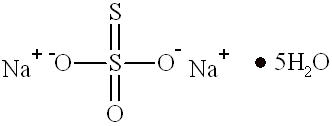
Brand names
Sodium Thiosulfate
Active ingredients
SODIUM THIOSULFATE
Indications
INDICATIONS AND USAGE Sodium Thiosulfate Injection is indicated for sequential use with sodium nitrite for the treatment of acute cyanide poisoning that is judged to be serious or life-threatening. When the diagnosis of cyanide poisoning is uncertain, the potential risks associated with Sodium Thiosulfate Injection should be carefully weighed against the potential benefits, especially if the patient is not in extremis. Sodium Thiosulfate Injection, an antidote, is indicated for sequential use with sodium nitrite for treatment of acute cyanide poisoning that is judged to be serious or life-threatening. ( 1 ) Use with caution if the diagnosis of cyanide poisoning is uncertain. ( 1 )
Dosage
2. DOSAGE AND ADMINISTRATION If clinical suspicion of cyanide poisoning is high, administer Sodium Thiosulfate Injection without delay and in conjunction with appropriate airway, ventilatory, and circulatory support. ( 2.1 ) The expert advice of a regional poison control center may be obtained by calling 1-800-222-1222. ( 2.1 ) Dosing : Age Intravenous Dose of Sodium Nitrite and Sodium Thiosulfate Adults 1.) Sodium Nitrite -10 mL of sodium nitrite at the rate of 2.5 to 5 mL/minute 2.) Sodium Thiosulfate - 50 mL of sodium thiosulfate immediately following administration of sodium nitrite. Children 1.) Sodium Nitrite - 0.2 mL/kg (6 mg/kg or 6-8 mL/m 2 BSA) of sodium nitrite at the rate of 2.5 to 5 mL/minute not to exceed 10 mL 2.) Sodium Thiosulfate - 1 mL/kg of body weight (250 mg/kg or approximately 30-40 mL/m 2 of BSA) not to exceed 50 mL total dose immediately following administration of sodium nitrite. Redosing : If signs of cyanide poisoning reappear, repeat treatment using one-half the original dose of both sodium nitrite and sodium thiosulfate. ( 2.2 ) Monitoring : Blood pressure must be monitored during treatment. ( 2.2 ) Sodium thiosulfate is chemically incompatible with hydroxocobalamin and should not be administered via the same intravenous line. (2.4) 2.1 Important Dosage and Administration Instructions If clinical suspicion of cyanide poisoning is high, administer Sodium Thiosulfate Injection without delay. Comprehensive treatment of acute cyanide intoxication requires support of vital functions. Administration of sodium nitrite and sodium thiosulfate should be considered adjunctive to appropriate supportive therapies. Airway, ventilatory and circulatory support, and oxygen administration should not be delayed in order to administer sodium nitrite and sodium thiosulfate [see Warnings and Precautions (5.1) ] . The expert advice of a regional poison control center may be obtained by calling 1-800-222-1222. Identifying Patients with Cyanide Poisoning Cyanide poisoning may result from inhalation, ingestion, or dermal exposure to various cyanide-containing compounds, including smoke from closed-space fires. Sources of cyanide poisoning include hydrogen cyanide and its salts, cyanogenic plants, aliphatic nitriles, and prolonged exposure to sodium nitroprusside. The presence and extent of cyanide poisoning are often initially unknown. There is no widely available, rapid, confirmatory cyanide blood test. Treatment decisions must be made on the basis of clinical history and signs and symptoms of cyanide intoxication. Table 1. Common Signs and Symptoms of Cyanide Poisoning Symptoms Signs Headache Confusion Dyspnea Chest Tightness Nausea Altered Mental Status (e.g., confusion, disorientation) Seizures or Coma Mydriasis Tachypnea/Hyperpnea (early) Bradypnea/Apnea (late) Hypertension (early)/ Hypotension (late) Cardiovascular Collapse Vomiting Plasma Lactate Concentration ≥ 8 mmol/L In some settings, panic symptoms including tachypnea and vomiting may mimic early cyanide poisoning signs. The presence of altered mental status (e.g., confusion and disorientation) and/or mydriasis is suggestive of true cyanide poisoning although these signs can occur with other toxic exposures as well. Smoke Inhalation Not all smoke inhalation victims will have cyanide poisoning and may present with burns, trauma, and exposure to other toxic substances making a diagnosis of cyanide poisoning particularly difficult. Prior to administration of Sodium Thiosulfate Injection, smoke-inhalation victims should be assessed for the following: Exposure to fire or smoke in an enclosed area Presence of soot around the mouth, nose, or oropharynx Altered mental status Although hypotension is highly suggestive of cyanide poisoning, it is only present in a small percentage of cyanide-poisoned smoke inhalation victims. Also indicative of cyanide poisoning is a plasma lactate concentration greater than or equal to 10 mmol/L (a value higher than that typically listed in the table of signs and symptoms of isolated cyanide poisoning because carbon monoxide associated with smoke inhalation also contributes to lactic acidemia). If cyanide poisoning is suspected, treatment should not be delayed in order to obtain a plasma lactate concentration. Use with Other Cyanide Antidotes The safety of administering other cyanide antidotes simultaneously with Sodium Thiosulfate Injection has not been established. If a decision is made to administer another cyanide antidote with Sodium Thiosulfate Injection, these drugs should not be administered concurrently in the same intravenous (IV) line. [see Dosage and Administration (2.2) ] 2.2 Recommended Dosing Sodium Nitrite Injection and Sodium Thiosulfate Injection are administered by slow intravenous injection. They should be given as early as possible after a diagnosis of acute life-threatening cyanide poisoning has been established. Sodium nitrite should be administered first, followed immediately by sodium thiosulfate. Blood pressure must be monitored during infusion in both adults and children. The rate of infusion should be decreased if significant hypotension is noted. Age Intravenous Dose of Sodium Nitrite and Sodium Thiosulfate Adults 1.) Sodium Nitrite -10 mL of sodium nitrite at the rate of 2.5 to 5 mL/minute 2.) Sodium Thiosulfate - 50 mL of sodium thiosulfate immediately following administration of sodium nitrite. Children 1.) Sodium Nitrite - 0.2 mL/kg (6 mg/kg or 6-8 mL/m 2 BSA) of sodium nitrite at the rate of 2.5 to 5 mL/minute not to exceed 10 mL 2.) Sodium Thiosulfate - 1 mL/kg of body weight (250 mg/kg or approximately 30-40 mL/m 2 of BSA) not to exceed 50 mL total dose immediately following administration of sodium nitrite. NOTE: If signs of poisoning reappear, repeat treatment using one-half the original dose of both sodium nitrite and sodium thiosulfate. In adult and pediatric patients with known anemia, it is recommended that the dosage of sodium nitrite should be reduced proportionately to the hemoglobin concentration. Visually inspect all parenteral drug products for particulate matter and discoloration prior to administration. 2.3 Recommended Monitoring Patients should be monitored for at least 24-48 hours after Sodium Thiosulfate Injection administration for adequacy of oxygenation and perfusion and for recurrent signs and symptoms of cyanide toxicity. When possible, obtain hemoglobin/hematocrit when treatment is initiated. Measurements of oxygen saturation using standard pulse oximetry and calculated oxygen saturation values based on measured PO 2 are unreliable in the presence of methemoglobinemia. 2.4 Incompatibility Information Chemical incompatibility has been reported between Sodium Thiosulfate Injection and hydroxocobalamin and these drugs should not be administered simultaneously through the same IV line. No chemical incompatibility has been reported between sodium thiosulfate and sodium nitrite, when administered sequentially through the same IV line as described in Dosage and Administration. Simultaneous administration of Sodium Thiosulfate Injection and blood products (whole blood, packed red cells, platelet concentrate and/or fresh frozen plasma) through the same intravenous line is not recommended. However, blood products and Sodium Thiosulfate Injection can be administered simultaneously using separate intravenous lines (preferably on contralateral extremities, if peripheral lines are being used).
Warnings
WARNINGS AND PRECAUTIONS Sulfites: Sodium thiosulfate may contain trace impurities of sodium sulfite ( 5.1 ) 5.1 Sulfites Sodium thiosulfate drug product may contain trace impurities of sodium sulfite. The presence of a trace amount of sulfites in this product should not deter administration of the drug for treatment of emergency situations, even if the patient is sulfite-sensitive.
Contraindications
CONTRAINDICATIONS None None. ( 4 )
Drug interactions
DRUG INTERACTIONS Formal drug interaction studies have not been conducted with Sodium Thiosulfate Injection.
Adverse reactions
ADVERSE REACTIONS There have been no controlled clinical trials conducted to systematically assess the adverse events profile of sodium thiosulfate. The medical literature has reported the following adverse events in association with sodium thiosulfate administration. These adverse events were not reported in the context of controlled trials or with consistent monitoring and reporting methodologies for adverse events. Therefore, frequency of occurrence of these adverse events cannot be assessed. Cardiovascular system: hypotension Central nervous system: headache, disorientation Gastrointestinal system: nausea, vomiting Hematological : prolonged bleeding time Body as a Whole: salty taste in mouth, warm sensation over body In humans, rapid administration of concentrated solutions or solutions not freshly prepared, and administration of large doses of sodium thiosulfate have been associated with a higher incidence of nausea and vomiting. However, administration of 0.1 g sodium thiosulfate per pound up to a maximum of 15 g in a 10-15% solution over 10-15 minutes was associated with nausea and vomiting in 7 of 26 patients without concomitant cyanide intoxication. In a series of 11 human subjects, a single intravenous infusion of 50 mL of 50% sodium thiosulfate was associated with increases in clotting time 1-3 days after administration. However, no significant changes were observed in other hematological parameters. Most common adverse reactions are: Hypotension, headache, disorientation ( 6 ) To report SUSPECTED ADVERSE REACTIONS, contact Hope Pharmaceuticals at 1-800-755-9595 or FDA at 1-800-FDA-1088 or www.fda.gov/medwatch .
Mechanism of action
Mechanism of Action Exposure to a high dose of cyanide can result in death within minutes due to the inhibition of cytochrome oxidase resulting in arrest of cellular respiration. Specifically, cyanide binds rapidly with cytochrome a3, a component of the cytochrome c oxidase complex in mitochondria. Inhibition of cytochrome a3 prevents the cell from using oxygen and forces anaerobic metabolism, resulting in lactate production, cellular hypoxia and metabolic acidosis. In massive acute cyanide poisoning, the mechanism of toxicity may involve other enzyme systems as well. The synergy resulting from treatment of cyanide poisoning with the combination of sodium nitrite and sodium thiosulfate is the result of differences in their primary mechanisms of action as antidotes for cyanide poisoning. Sodium Nitrite Sodium nitrite is thought to exert its therapeutic effect by reacting with hemoglobin to form methemoglobin, an oxidized form of hemoglobin incapable of oxygen transport but with high affinity for cyanide. Cyanide preferentially binds to methemoglobin over cytochrome a 3 , forming the nontoxic cyanomethemoglobin. Methemoglobin displaces cyanide from cytochrome oxidase, allowing resumption of aerobic metabolism. The chemical reaction is as follows: NaNO 2 + Hemoglobin → Methemoglobin HCN + Methemoglobin → Cyanomethemoglobin Vasodilation has also been cited to account for at least part of the therapeutic effect of sodium nitrite. It has been suggested that sodium nitrite-induced methemoglobinemia may be more efficacious against cyanide poisoning than comparable levels of methemoglobinemia induced by other oxidants. Also, sodium nitrite appears to retain some efficacy even when the formation of methemoglobin is inhibited by methylene blue. Sodium Thiosulfate The primary route of endogenous cyanide detoxification is by enzymatic transulfuration to thiocyanate (SCN - ), which is relatively nontoxic and readily excreted in the urine. Sodium thiosulfate is thought to serve as a sulfur donor in the reaction catalyzed by the enzyme rhodanese, thus enhancing the endogenous detoxification of cyanide in the following chemical reaction: Rhodanese Na 2 S 2 O 3 + CN - → SCN - + Na 2 SO 3 .
NDC examples
60267-705
Indicated ICD-10 codes
Treats these conditions
Source: openFDA + RxNorm · 2026
Look up another medication