timolol 10 MG Oral Tablet
Managing this medication for someone you care for? Eleplan keeps diagnoses, medications and appointments in one plan.
Start free with EleplanClinical drug
timolol 10 MG Oral Tablet
10 MG · Oral Tablet · oral
A form of timolol →
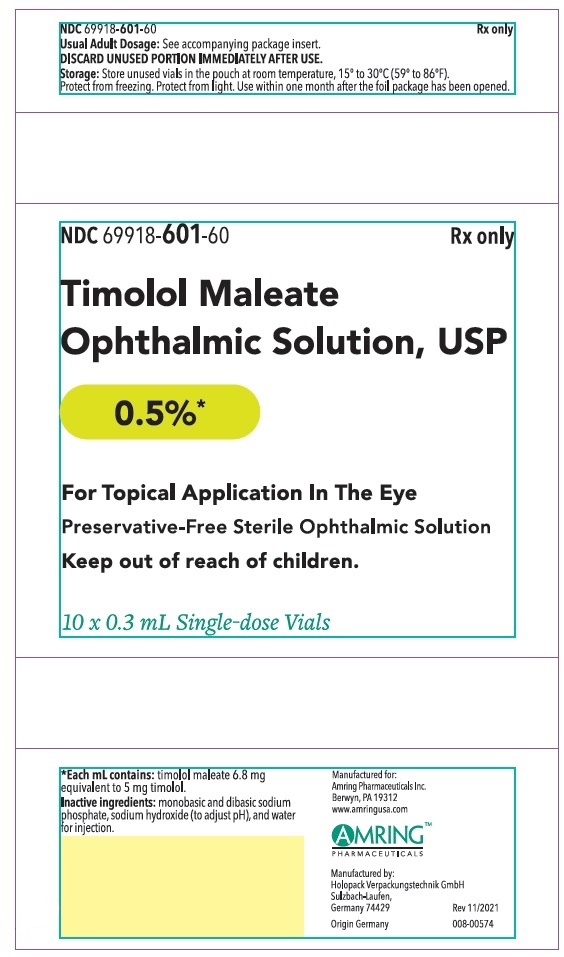
timolol 10 MG Oral Tablet — Beta blocking agents, non-selective. INDICATIONS & USAGE Dorzolamide hydrochloride and timolol maleate ophthalmic solution is indicated for the reduction of elevated intraocular…
Active ingredient
Classification
Beta blocking agents, non-selectivebeta-Adrenergic Blocker
Drug interactions
Timolol has several potential drug interactions that may lead to additive effects or adverse reactions.
- majororal carbonic anhydrase inhibitors — additive effect on systemic effects
- majorsystemic beta-blockers — potentiate systemic beta-blockade
- majororal or intravenous calcium antagonists — atrioventricular conduction disturbances, left ventricular failure, and hypotension
- majorcatecholamine-depleting drugs — additive effects and produce hypotension and/or marked bradycardia
- majordigitalis and calcium antagonists — prolonging atrioventricular conduction time
- majorCYP2D6 inhibitors — potentiated systemic beta-blockade
- unknownclonidine — exacerbate rebound hypertension
Indications
INDICATIONS & USAGE Dorzolamide hydrochloride and timolol maleate ophthalmic solution is indicated for the reduction of elevated intraocular pressure (IOP) in patients with open-angle glaucoma or ocular hypertension who are insufficiently responsive to beta-blockers (failed to achieve target IOP determined after multiple measurements over time). The IOP-lowering of dorzolamide hydrochloride and timolol maleate ophthalmic solution administered twice a day was slightly less than that seen with the concomitant administration of 0.5% timolol administered twice a day and 2% dorzolamide administered three times a day [see Clinical Studies ( 14 )]. Dorzolamide hydrochloride and timolol maleate ophthalmic solution is a combination of dorzolamide hydrochloride, a carbonic anhydrase inhibitor, and timolol maleate, a beta-adrenergic receptor blocking agent, indicated for the reduction of elevated intraocular pressure (IOP) in patients with open-angle glaucoma or ocular hypertension who are insufficiently responsive to beta-blockers. The IOP-lowering of dorzolamide hydrochloride and timolol maleate ophthalmic solution twice daily was slightly less than that seen with the concomitant administration of 0.5% timolol twice daily, and 2% dorzolamide three times daily. ( 1 )
Dosage
DOSAGE AND ADMINISTRATION Preservative-free timolol maleate ophthalmic solution USP in the unit dose vial is a sterile solution that does not contain a preservative. The solution from one individual unit is to be used immediately after opening for administration to one or both eyes. Since sterility cannot be guaranteed after the individual unit is opened, the remaining contents should be discarded immediately after administration. Preservative-free timolol maleate ophthalmic solution in the unit dose vial is available in concentrations of 0.25% and 0.5%. The usual starting dose is one drop of 0.25% preservative-free timolol maleate ophthalmic solution in the unit dose vial in the affected eye(s) administered twice a day. Apply enough gentle pressure on the individual vial to obtain a single drop of solution. If the clinical response is not adequate, the dosage may be changed to one drop of 0.5% solution in the affected eye(s) administered twice a day. Since in some patients the pressure-lowering response to preservative-free timolol maleate ophthalmic solution in the unit dose vial may require a few weeks to stabilize, evaluation should include a determination of intraocular pressure after approximately 4 weeks of treatment with preservative-free timolol maleate ophthalmic solution in the unit dose vial. If the intraocular pressure is maintained at satisfactory levels, the dosage schedule may be changed to one drop once a day in the affected eye(s). Because of diurnal variations in intraocular pressure, satisfactory response to the once-a-day dose is best determined by measuring the intraocular pressure at different times during the day. Dosages above one drop of 0.5% timolol maleate ophthalmic solution twice a day generally have not been shown to produce further reduction in intraocular pressure. If the patient’s intraocular pressure is still not at a satisfactory level on this regimen, concomitant therapy with other agent(s) for lowering intraocular pressure can be instituted taking into consideration that the preparation(s) used concomitantly may contain one or more preservatives. The concomitant use of two topical beta-adrenergic blocking agents is not recommended. (See PRECAUTIONS , Drug Interactions, Beta-adrenergic blocking agents .)
Warnings
WARNINGS AND PRECAUTIONS Potentiation of Respiratory Reactions Including Asthma ( 5.1 ) Cardiac Failure ( 5.2 ) Obstructive Pulmonary Disease ( 5.3 ) Increased Reactivity to Allergens ( 5.4 ) Potentiation of Muscle Weakness ( 5.5 ) Masking of Hypoglycemic Symptoms in Patients with Diabetes Mellitus ( 5.6 ) Masking of Thyrotoxicosis ( 5.7 ) 5.1 Potentiation of Respiratory Reactions Including Asthma ISTALOL contains timolol maleate; and although administered topically, it can be absorbed systemically. Therefore, the same adverse reactions found with systemic administration of beta-adrenergic blocking agents may occur with topical administration. For example, severe respiratory reactions and cardiac reactions including death due to bronchospasm in patients with asthma, and rarely death in association with cardiac failure, have been reported following systemic or ophthalmic administration of timolol maleate [see Contraindications ( 4.1 )]. 5.2 Cardiac Failure Sympathetic stimulation may be essential for support of the circulation in individuals with diminished myocardial contractility, and its inhibition of beta-adrenergic receptor blockade may precipitate more severe failure. In patients without a history of cardiac failure, continued depression of the myocardium with beta-blocking agents over a period of time can, in some cases, lead to cardiac failure. At the first sign or symptom of cardiac failure, ISTALOL should be discontinued [see Contraindications ( 4.2 )]. 5.3 Obstructive Pulmonary Disease Patients with chronic obstructive pulmonary disease (e.g., chronic bronchitis, emphysema) of mild or moderate severity, bronchospastic disease, or a history of bronchospastic disease [other than bronchial asthma or a history of bronchial asthma in which ISTALOL is contraindicated] should, in general, not receive beta-blocking agents, including ISTALOL [see Contraindications ( 4.1 )]. 5.4 Increased Reactivity to Allergens While taking beta-blockers, patients with a history of atopy or a history of severe anaphylactic reactions to a variety of allergens may be more reactive to repeated accidental, diagnostic, or therapeutic challenge with such allergens. Such patients may be unresponsive to the usual doses of epinephrine used to treat anaphylactic reactions. 5.5 Potentiation of Muscle Weakness Beta-adrenergic blockade has been reported to potentiate muscle weakness consistent with certain myasthenic symptoms (e.g., diplopia, ptosis, and generalized weakness). Timolol has been reported rarely to increase muscle weakness in some patients with myasthenia gravis or myasthenic symptoms. 5.6 Masking of Hypoglycemic Symptoms in Patients with Diabetes Mellitus Beta-adrenergic blocking agents should be administered with caution in patients subject to spontaneous hypoglycemia or to diabetic patients (especially those with labile diabetes) who are receiving insulin or oral hypoglycemic agents. Beta-adrenergic receptor blocking agents may mask the signs and symptoms of acute hypoglycemia. 5.7 Masking of Thyrotoxicosis Beta-adrenergic blocking agents may mask certain clinical signs (e.g., tachycardia) of hyperthyroidism. Patients suspected of developing thyrotoxicosis should be managed carefully to avoid abrupt withdrawal of beta-adrenergic blocking agents that might precipitate a thyroid storm. 5.8 Contamination of Topical Ophthalmic Products After Use There have been reports of bacterial keratitis associated with the use of multiple-dose containers of topical ophthalmic products. These containers had been inadvertently contaminated by patients who, in most cases, had a concurrent corneal disease or a disruption of the ocular epithelial surface [see Patient Counseling Information ( 17 )]. 5.9 Impairment of Beta-adrenergically Mediated Reflexes During Surgery The necessity or desirability of withdrawal of beta-adrenergic blocking agents prior to major surgery is controversial. Beta-adrenergic receptor blockade impairs the ability of the heart to respond to beta-adrenergically mediated reflex stimuli. This may augment the risk of general anesthesia in surgical procedures. Some patients receiving beta-adrenergic receptor blocking agents have experienced protracted severe hypotension during anesthesia. Difficulty in restarting and maintaining the heartbeat has also been reported. For these reasons, in patients undergoing elective surgery, some authorities recommend gradual withdrawal of beta-adrenergic receptor blocking agents. If necessary during surgery, the effects of beta-adrenergic blocking agents may be reversed by sufficient doses of adrenergic agonists. 5.10 Angle-Closure Glaucoma In patients with angle-closure glaucoma, the immediate objective of treatment is to reopen the angle. This may require constricting the pupil. Timolol maleate has little or no effect on the pupil. ISTALOL should not be used alone in the treatment of angle-closure glaucoma. 5.11 Cerebrovascular Insufficiency Because of potential effects of beta-adrenergic blocking agents on blood pressure and pulse, these agents should be used with caution in patients with cerebrovascular insufficiency. If signs or symptoms suggesting reduced cerebral blood flow develop following initiation of therapy with ISTALOL, alternative therapy should be considered. 5.12 Choroidal Detachment Choroidal detachment after filtration procedures has been reported with the administration of aqueous suppressant therapy (e.g., timolol). 5.13 Contact Lens Use ISTALOL contains benzalkonium chloride, an anti-microbial preservative which may be absorbed by soft contact lenses. Contact lenses should be removed prior to administration of the solution. Lenses may be reinserted 15 minutes following ISTALOL administration. 5.1 Potentiation of Respiratory Reactions Including Asthma ISTALOL contains timolol maleate; and although administered topically, it can be absorbed systemically. Therefore, the same adverse reactions found with systemic administration of beta-adrenergic blocking agents may occur with topical administration. For example, severe respiratory reactions and cardiac reactions including death due to bronchospasm in patients with asthma, and rarely death in association with cardiac failure, have been reported following systemic or ophthalmic administration of timolol maleate [see Contraindications ( 4.1 )]. 5.2 Cardiac Failure Sympathetic stimulation may be essential for support of the circulation in individuals with diminished myocardial contractility, and its inhibition of beta-adrenergic receptor blockade may precipitate more severe failure. In patients without a history of cardiac failure, continued depression of the myocardium with beta-blocking agents over a period of time can, in some cases, lead to cardiac failure. At the first sign or symptom of cardiac failure, ISTALOL should be discontinued [see Contraindications ( 4.2 )]. 5.3 Obstructive Pulmonary Disease Patients with chronic obstructive pulmonary disease (e.g., chronic bronchitis, emphysema) of mild or moderate severity, bronchospastic disease, or a history of bronchospastic disease [other than bronchial asthma or a history of bronchial asthma in which ISTALOL is contraindicated] should, in general, not receive beta-blocking agents, including ISTALOL [see Contraindications ( 4.1 )]. 5.4 Increased Reactivity to Allergens While taking beta-blockers, patients with a history of atopy or a history of severe anaphylactic reactions to a variety of allergens may be more reactive to repeated accidental, diagnostic, or therapeutic challenge with such allergens. Such patients may be unresponsive to the usual doses of epinephrine used to treat anaphylactic reactions. 5.5 Potentiation of Muscle Weakness Beta-adrenergic blockade has been reported to potentiate muscle weakness consistent with certain myasthenic symptoms (e.g., diplopia, ptosis, and generalized weakness). Timolol has been reported rarely to increase muscle weakness in some patients with myasthenia gravis or m
Contraindications
CONTRAINDICATIONS Bronchial asthma, a history of bronchial asthma, severe chronic obstructive pulmonary disease ( 4.1 , 5.1 , 5.3 ) Sinus bradycardia, second or third degree atrioventricular block, overt cardiac failure, cardiogenic shock ( 4.2 , 5.2 ) Hypersensitivity to any component of this product ( 4.3 ) 4.1 Asthma, COPD Timolol Maleate Ophthalmic Solution 0.5% is contraindicated in patients with bronchial asthma; a history of bronchial asthma; severe chronic obstructive pulmonary disease [see Warnings and Precautions ( 5.1 , 5.3 )]. 4.2 Sinus Bradycardia, AV Block, Cardiac Failure, Cardiogenic Shock Timolol Maleate Ophthalmic Solution 0.5% is contraindicated in patients with sinus bradycardia; second or third degree atrioventricular block; overt cardiac failure; cardiogenic shock [see Warnings and Precautions ( 5.2 )] . 4.3 Hypersensitivity Reactions Timolol Maleate Ophthalmic Solution 0.5% is contraindicated in patients who have exhibited a hypersensitivity reaction to any component of this product in the past. 4.1 Asthma, COPD Timolol Maleate Ophthalmic Solution 0.5% is contraindicated in patients with bronchial asthma; a history of bronchial asthma; severe chronic obstructive pulmonary disease [see Warnings and Precautions ( 5.1 , 5.3 )]. 4.2 Sinus Bradycardia, AV Block, Cardiac Failure, Cardiogenic Shock Timolol Maleate Ophthalmic Solution 0.5% is contraindicated in patients with sinus bradycardia; second or third degree atrioventricular block; overt cardiac failure; cardiogenic shock [see Warnings and Precautions ( 5.2 )] . 4.3 Hypersensitivity Reactions Timolol Maleate Ophthalmic Solution 0.5% is contraindicated in patients who have exhibited a hypersensitivity reaction to any component of this product in the past.
Mechanism of action
CLINICAL PHARMACOLOGY Timolol maleate is a beta 1 and beta 2 (nonselective) adrenergic receptor blocking agent that does not have significant intrinsic sympathomimetic, direct myocardial depressant, or local anesthetic activity. Pharmacodynamics Clinical pharmacology studies have confirmed the beta-adrenergic blocking activity as shown by (1) changes in resting heart rate and response of heart rate to changes in posture; (2) inhibition of isoproterenol-induced tachycardia; (3) alteration of the response to the Valsalva maneuver and amyl nitrite administration; and (4) reduction of heart rate and blood pressure changes on exercise. Timolol decreases the positive chronotropic, positive inotropic, bronchodilator, and vasodilator responses caused by beta-adrenergic receptor agonists. The magnitude of this decreased response is proportional to the existing sympathetic tone and the concentration of timolol at receptor sites. In normal volunteers, the reduction in heart rate response to a standard exercise was dose dependent over the test range of 0.5 to 20 mg, with a peak reduction at 2 hours of approximately 30% at higher doses. Beta-adrenergic receptor blockade reduces cardiac output in both healthy subjects and patients with heart disease. In patients with severe impairment of myocardial function beta-adrenergic receptor blockade may inhibit the stimulatory effect of the sympathetic nervous system necessary to maintain adequate cardiac function. Beta-adrenergic receptor blockade in the bronchi and bronchioles results in increased airway resistance from unopposed parasympathetic activity. Such an effect in patients with asthma or other bronchospastic conditions is potentially dangerous. Clinical studies indicate that timolol maleate at a dosage of 20 to 60 mg/day reduces blood pressure without causing postural hypotension in most patients with essential hypertension. Administration of timolol to patients with hypertension results initially in a decrease in cardiac output, little immediate change in blood pressure, and an increase in calculated peripheral resistance. With continued administration of timolol, blood pressure decreases within a few days, cardiac output usually remains reduced, and peripheral resistance falls toward pretreatment levels. Plasma volume may decrease or remain unchanged during therapy with timolol. In the majority of patients with hypertension timolol also decreases plasma renin activity. Dosage adjustment to achieve optimal antihypertensive effect may require a few weeks. When therapy with timolol is discontinued, the blood pressure tends to return to pretreatment levels gradually. In most patients the antihypertensive activity of timolol is maintained with long-term therapy and is well tolerated. The mechanism of the antihypertensive effects of beta-adrenergic receptor blocking agents is not established at this time. Possible mechanisms of action include reduction in cardiac output, reduction in plasma renin activity, and a central nervous system sympatholytic action. A Norwegian multi-center, double-blind study, which included patients 20 to 75 years of age, compared the effects of timolol maleate with placebo in 1,884 patients who had survived the acute phase of a myocardial infarction. Patients with systolic blood pressure below 100 mm Hg, sick sinus syndrome and contraindications to beta-blockers, including uncontrolled heart failure, second- or third-degree AV block and bradycardia (< 50 beats per minute), were excluded from the multi-center trial. Therapy with timolol, begun 7 to 28 days following infarction, was shown to reduce overall mortality; this was primarily attributable to a reduction in cardiovascular mortality. Timolol significantly reduced the incidence of sudden deaths (deaths occurring without symptoms or within 24 hours of the onset of symptoms), including those occurring within one hour, and particularly instantaneous deaths (those occurring without preceding symptoms). The protective effect of timolol was consistent regardless of age, sex or site of infarction. The effect was clearest in patients with a first infarction who were considered at a high risk of dying, defined as those with one or more of the following characteristics during the acute phase: transient left ventricular failure, cardiomegaly, newly appearing atrial fibrillation or flutter, systolic hypotension, or SGOT (ASAT) levels greater than four times the upper limit of normal. Therapy with timolol also reduced the incidence of nonfatal reinfarction. The mechanism of the protective effect of timolol is unknown. Timolol was studied for the prophylactic treatment of migraine headache in placebo-controlled clinical trials involving 400 patients, mostly women between the ages of 18 and 66 years. Common migraine was the most frequent diagnosis. All patients had at least two headaches per month at baseline. Approximately 50 percent of patients who received timolol had a reduction in the frequency of migraine headache of at least 50 percent, compared to a similar decrease in frequency in 30 percent of patients receiving placebo. The most common cardiovascular adverse effect was bradycardia (5%). Pharmacokinetics and Metabolism Timolol maleate is rapidly and nearly completely absorbed (about 90%) following oral ingestion. Detectable plasma levels of timolol occur within one-half hour and peak plasma levels occur in about one to two hours. The drug half-life in plasma is approximately 4 hours and this is essentially unchanged in patients with moderate renal insufficiency. Timolol is partially metabolized by the liver and timolol and its metabolites are excreted by the kidney. Timolol is not extensively bound to plasma proteins; i.e., < 10% by equilibrium dialysis and approximately 60% by ultrafiltration. An in vitro hemodialysis study, using 14 C timolol added to human plasma or whole blood, showed that timolol was readily dialyzed from these fluids; however, a study of patients with renal failure showed that timolol did not dialyze readily. Plasma levels following oral administration are about half those following intravenous administration indicating approximately 50% first pass metabolism. The level of beta sympathetic activity varies widely among individuals, and no simple correlation exists between the dose or plasma level of timolol maleate and its therapeutic activity. Therefore, objective clinical measurements such as reduction of heart rate and/or blood pressure should be used as guides in determining the optimal dosage for each patient.
Indicated ICD-10 codes
Source: RxNorm + openFDA + RxClass + FAERS · 2026
Look up another medication