testosterone 50 MG/ML Injectable Suspension — 3-oxoandrosten (4) derivatives. INDICATIONS AND USAGE Males Testosterone enanthate injection is indicated for replacement therapy in conditions associated with a deficiency or…
Boxed warning
WARNING: SECONDARY EXPOSURE TO TESTOSTERONE •Virilization has been reported in children who were secondarily exposed to topical testosterone products [see Warnings and Precautions (5.2)]. •Children should avoid contact with unwashed or unclothed application sites in men using Testosterone Topical Solution [see Dosage and Administration (2.2) and Warnings and Precautions (5.2) ]. •Healthcare providers should advise patients to strictly adhere to recommended instructions for use [see Dosage and Administration (2.2), Warnings and Precautions (5.2) and Patient Counseling Information (17)]. Children should avoid contact with unwashed or unclothed application sites in men using Testosterone Topical Solution [see Dosage and Administration (2.2) and Warnings and Precautions (5.2) ]. Healthcare providers should advise patients to strictly adhere to recommended instructions for use [see Dosage and Administration (2.2), Warnings and Precautions (5.2) and Patient Counseling Information (17)]. WARNING: SECONDARY EXPOSURE TO TESTOSTERONE SEE FULL PRESCRIBING INFORMATION FOR COMPLETE BOXED WARNING. •Virilization has been reported in children who were secondarily exposed to topical testosterone products (5.2) •Children should avoid contact with unwashed or unclothed application sites in men using Testosterone Topical Solution, 30 mg/1.5 mL (2.2, 5.2) •Healthcare providers should advise patients to strictly adhere to recommended instructions for use (2.2, 5.2, 17) Children should avoid contact with unwashed or unclothed application sites in men using Testosterone Topical Solution, 30 mg/1.5 mL (2.2, 5.2) Healthcare providers should advise patients to strictly adhere to recommended instructions for use (2.2, 5.2, 17)
Testosterone has several interactions with other drugs that may affect their efficacy and safety.
moderateoral anticoagulants — increased sensitivity to anticoagulants
moderateoxyphenbutazone — elevated serum levels of oxyphenbutazone
moderateinsulin — decreased insulin requirements
Indications
INDICATIONS AND USAGE Males Testosterone enanthate injection is indicated for replacement therapy in conditions associated with a deficiency or absence of endogenous testosterone. Primary hypogonadism (congenital or acquired) – Testicular failure due to cryptorchidism, bilateral torsion, orchitis, vanishing testis syndrome, or orchidectomy. Hypogonadotropic hypogonadism (congenital or acquired) – Gonadotropin or luteinizing hormone-releasing hormone (LHRH) deficiency, or pituitary-hypothalamic injury from tumors, trauma, or radiation. (Appropriate adrenal cortical and thyroid hormone replacement therapy are still necessary, however, and are actually of primary importance.) If the above conditions occur prior to puberty, androgen replacement therapy will be needed during the adolescent years for development of secondary sexual characteristics. Prolonged androgen treatment will be required to maintain sexual characteristics in these and other males who develop testosterone deficiency after puberty. Safety and efficacy of testosterone enanthate injection in men with age-related hypogonadism have not been established. Delayed puberty – Testosterone enanthate injection may be used to stimulate puberty in carefully selected males with clearly delayed puberty. These patients usually have a familial pattern of delayed puberty that is not secondary to a pathological disorder; puberty is expected to occur spontaneously at a relatively late date. Brief treatment with conservative doses may occasionally be justified in these patients if they do not respond to psychological support. The potential adverse effect on bone maturation should be discussed with the patient and parents prior to androgen administration. An X-ray of the hand and wrist to determine bone age should be obtained every six months to assess the effect of treatment on the epiphyseal centers (see WARNINGS ). Females Metastatic mammary cancer – Testosterone enanthate injection may be used secondarily in women with advancing inoperable metastatic (skeletal) mammary cancer who are one to five years postmenopausal. Primary goals of therapy in these women include ablation of the ovaries. Other methods of counteracting estrogen activity are adrenalectomy, hypophysectomy, and/or antiestrogen therapy. This treatment has also been used in premenopausal women with breast cancer who have benefited from oophorectomy and are considered to have a hormone-responsive tumor. Judgment concerning androgen therapy should be made by an oncologist with expertise in this field.
Dosage
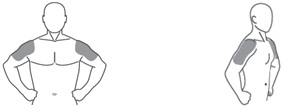
DOSAGE AND ADMINISTRATION Dosage and Administration for testosterone gel 1.62% differs from testosterone gel 1%. For dosage and administration of testosterone gel 1% refer to its full prescribing information. ( 2 ) Prior to initiating testosterone gel 1.62%, confirm the diagnosis of hypogonadism by ensuring that serum testosterone concentrations have been measured in the morning on at least two separate days and that these serum testosterone concentrations are below the normal range. Dosage and Administration for testosterone gel 1.62% differs from testosterone gel 1%. For dosage and administration of testosterone gel 1% refer to its full prescribing information. ( 2 ) Prior to initiating testosterone gel 1.62%, confirm the diagnosis of hypogonadism by ensuring that serum testosterone has been measured in the morning on at least two separate days and that these concentrations are below the normal range ( 2 ). Starting dose of testosterone gel 1.62% is 40.5 mg of testosterone (2 pump actuations or a single 40.5 mg packet), applied topically once daily in the morning. ( 2.1 ) Apply to clean, dry, intact skin of the shoulders and upper arms. Do not apply testosterone gel 1.62% to any other parts of the body including the abdomen, genitals, chest, armpits (axillae), or knees. ( 2.2 , 12.3 ) Dose adjustment: Testosterone gel 1.62% can be dose adjusted between a minimum of 20.25 mg of testosterone (1 pump actuation) and a maximum of 81 mg of testosterone (4 pump actuations). The dose should be titrated based on the pre-dose morning serum testosterone concentration at approximately 14 days and 28 days after starting treatment or following dose adjustment. Additionally, serum testosterone concentration should be assessed periodically thereafter. ( 2.1 ) Patients should wash hands immediately with soap and water after applying testosterone gel 1.62% and cover the application site(s) with clothing after the gel has dried. Wash the application site thoroughly with soap and water prior to any situation where skin-to-skin contact of the application site with another person is anticipated. ( 2.2 ) 2.1 Dosing and Dose Adjustment The recommended starting dose of testosterone gel 1.62% is 40.5 mg of testosterone (2 pump actuations or a single 40.5 mg packet) applied topically once daily in the morning to the shoulders and upper arms. The dose can be adjusted between a minimum of 20.25 mg of testosterone (1 pump actuation) and a maximum of 81 mg of testosterone (4 pump actuations). To ensure proper dosing, the dose should be titrated based on the pre-dose morning serum testosterone concentration from a single blood draw at approximately 14 days and 28 days after starting treatment or following dose adjustment. In addition, serum testosterone concentration should be assessed periodically thereafter. Table 1 describes the dose adjustments required at each titration step. Table 1: Dose Adjustment Criteria Pre-Dose Morning Total Serum Testosterone Concentration Dose Titration Greater than 750 ng/dL Decrease daily dose by 20.25 mg (1 pump actuation Equal to or greater than 350 and equal to or less than 750 ng/dL No change: continue on current dose Less than 350 ng/dL Increase daily dose by 20.25 mg (1 pump actuation The application site and dose of testosterone gel 1.62% are not interchangeable with other topical testosterone products. 2.2 Administration Instructions Testostrone gel 1.62% should be applied to clean, dry, intact skin of the upper arms and shoulders. Do not apply testostrone gel 1.62% to any other parts of the body, including the abdomen, genitals, chest, armpits (axillae), or knees [see Clinical Pharmacology ( 12.3 )] . Area of application should be limited to the area that will be covered by the patient's short sleeve t-shirt. Patients should be instructed to use the palm of the hand to apply testostrone gel 1.62% and spread across the maximum surface area as directed in Table 2 and in Figure 1 . Table 2: Application Sites for Testostrone Gel 1.62%, Pump Total Dose of Testosterone Total Pump Actuations Pump Actuations Per Upper Arm and Shoulder Upper Arm and Shoulder #1 Upper Arm and Shoulder #2 20.25 mg 1 1 0 40.5 mg 2 1 1 60.75 mg 3 2 1 81 mg 4 2 2 The prescribed daily dose of testosterone gel 1.62% should be applied to the right and left upper arms and shoulders as shown in the shaded areas in Figure 1 . Figure 1. Application Sites for Testosterone Gel 1.62% Once the application site is dry, the site should be covered with clothing [see Clinical Pharmacology ( 12.3 )] . Wash hands thoroughly with soap and water. Avoid fire, flames or smoking until the gel has dried since alcohol based products, including testosterone gel 1.62%, are flammable. The patient should avoid swimming or showering or washing the administration site for a minimum of 2 hours after application [see Clinical Pharmacology ( 12.3 )] . To obtain a full first dose, it is necessary to prime the canister pump. To do so, with the canister in the upright position, slowly and fully depress the actuator three times. Safely discard the gel from the first three actuations. It is only necessary to prime the pump before the first dose. After the priming procedure, fully depress the actuator once for every 20.25 mg of testosterone gel 1.62%. Testosterone gel 1.62% should be delivered directly into the palm of the hand and then applied to the application sites. Alternatively, testosterone gel 1.62% can be applied directly to the application sites from the pump. Strict adherence to the following precautions is advised in order to minimize the potential for secondary exposure to testosterone from testosterone gel 1.62%-treated skin: Children and women should avoid contact with unwashed or unclothed application site(s) of men using testosterone gel 1.62%. Testosterone gel 1.62% should only be applied to the upper arms and shoulders. The area of application should be limited to the area that will be covered by a short sleeve t-shirt. Patients should wash their hands with soap and water immediately after applying testosterone gel 1.62%. Patients should cover the application site(s) with clothing (e.g., a t-shirt) after the gel has dried. Prior to situations in which direct skin-to-skin contact is anticipated, patients should wash the application site(s) thoroughly with soap and water to remove any testosterone residue. In the event that unwashed or unclothed skin to which testosterone gel 1.62% has been applied comes in direct contact with the skin of another person, the general area of contact on the other person should be washed with soap and water as soon as possible. Andro shoulders ben 05092014 Andro shoulders side view 2.1 Dosing and Dose Adjustment The recommended starting dose of testosterone gel 1.62% is 40.5 mg of testosterone (2 pump actuations or a single 40.5 mg packet) applied topically once daily in the morning to the shoulders and upper arms. The dose can be adjusted between a minimum of 20.25 mg of testosterone (1 pump actuation) and a maximum of 81 mg of testosterone (4 pump actuations). To ensure proper dosing, the dose should be titrated based on the pre-dose morning serum testosterone concentration from a single blood draw at approximately 14 days and 28 days after starting treatment or following dose adjustment. In addition, serum testosterone concentration should be assessed periodically thereafter. Table 1 describes the dose adjustments required at each titration step. Table 1: Dose Adjustment Criteria Pre-Dose Morning Total Serum Testosterone Concentration Dose Titration Greater than 750 ng/dL Decrease daily dose by 20.25 mg (1 pump actuation Equal to or greater than 350 and equal to or less than 750 ng/dL No change: continue on current dose Less than 350 ng/dL Increase daily dose by 20.25 mg (1 pump actuation The application site and dose of testosterone gel 1.62% are not interchangeable with other topical testosterone products. 2.2 Administration Instructions Testostrone gel
Warnings
WARNINGS AND PRECAUTIONS Monitor patients with benign prostatic hyperplasia (BPH) for worsening of signs and symptoms of BPH ( 5.1 ) Avoid unintentional exposure of women or children to testosterone gel 1.62%. Secondary exposure to testosterone can produce signs of virilization. Testosterone gel 1.62% should be discontinued until the cause of virilization is identified ( 5.2 ) Venous thromboembolism (VTE), including deep vein thrombosis (DVT) and pulmonary embolism (PE) have been reported in patients using testosterone products. Evaluate patients with signs or symptoms consistent with DVT or PE. ( 5.4 ) Some postmarketing studies have shown an increased risk of myocardial infarction and stroke associated with use of testosterone replacement therapy. ( 5.5 ) Exogenous administration of androgens may lead to azoospermia ( 5.8 ) Edema with or without congestive heart failure (CHF) may be a complication in patients with preexisting cardiac, renal, or hepatic disease ( 5.10 ) Sleep apnea may occur in those with risk factors ( 5.12 ) Monitor serum testosterone, prostate specific antigen (PSA), hemoglobin, hematocrit, liver function tests and lipid concentrations periodically ( 5.1 , 5.3 , 5.9 , 5.13 ) Testosterone gel 1.62% is flammable until dry ( 5.16 ) 5.1 Worsening of Benign Prostatic Hyperplasia (BPH) and Potential Risk of Prostate Cancer Patients with BPH treated with androgens are at an increased risk for worsening of signs and symptoms of BPH. Monitor patients with BPH for worsening signs and symptoms. Patients treated with androgens may be at increased risk for prostate cancer. Evaluation of patients for prostate cancer prior to initiating and during treatment with androgens is appropriate [see Contraindications ( 4 )]. 5.2 Potential for Secondary Exposure to Testosterone Cases of secondary exposure resulting in virilization of children have been reported in postmarketing surveillance of testosterone gel products. Signs and symptoms have included enlargement of the penis or clitoris, development of pubic hair, increased erections and libido, aggressive behavior, and advanced bone age. In most cases, these signs and symptoms regressed with removal of the exposure to testosterone gel. In a few cases, however, enlarged genitalia did not fully return to age-appropriate normal size, and bone age remained modestly greater than chronological age. The risk of transfer was increased in some of these cases by not adhering to precautions for the appropriate use of the topical testosterone product. Children and women should avoid contact with unwashed or unclothed application sites in men using testosterone gel 1.62% [see Dosage and Administration ( 2.2 ), Use in Specific Populations ( 8.1 ) and Clinical Pharmacology ( 12.3 )] . Inappropriate changes in genital size or development of pubic hair or libido in children, or changes in body hair distribution, significant increase in acne, or other signs of virilization in adult women should be brought to the attention of a physician and the possibility of secondary exposure to testosterone gel should also be brought to the attention of a physician. Testosterone gel should be promptly discontinued until the cause of virilization has been identified. 5.3 Polycythemia Increases in hematocrit, reflective of increases in red blood cell mass, may require lowering or discontinuation of testosterone. Check hematocrit prior to initiating treatment. It would also be appropriate to re-evaluate the hematocrit 3 to 6 months after starting treatment, and then annually. If hematocrit becomes elevated, stop therapy until hematocrit decreases to an acceptable concentration. An increase in red blood cell mass may increase the risk of thromboembolic events. 5.4 Venous Thromboembolism There have been postmarketing reports of venous thromboembolic events, including deep vein thrombosis (DVT) and pulmonary embolism (PE), in patients using testosterone products such as testosterone gel 1.62%. Evaluate patients who report symptoms of pain, edema, warmth and erythema in the lower extremity for DVT and those who present with acute shortness of breath for PE. If a venous thromboembolic event is suspected, discontinue treatment with testosterone gel 1.62% and initiate appropriate workup and management [see Adverse Reactions ( 6.2 )] . 5.5 Cardiovascular Risk Long term clinical safety trials have not been conducted to assess the cardiovascular outcomes of testosterone replacement therapy in men. To date, epidemiologic studies and randomized controlled trials have been inconclusive for determining the risk of major adverse cardiovascular events (MACE), such as non-fatal myocardial infarction, non-fatal stroke, and cardiovascular death, with the use of testosterone compared to non-use. Some studies, but not all, have reported an increased risk of MACE in association with use of testosterone replacement therapy in men. Patients should be informed of this possible risk when deciding whether to use or to continue to use testosterone gel 1.62%. 5.6 Abuse of Testosterone and Monitoring of Serum Testosterone Concentrations Testosterone has been subject to abuse, typically at doses higher than recommended for the approved indication and in combination with other anabolic androgenic steroids. Anabolic androgenic steroid abuse can lead to serious cardiovascular and psychiatric adverse reactions [see Drug Abuse and Dependence ( 9 )]. If testosterone abuse is suspected, check serum testosterone concentrations to ensure they are within therapeutic range. However, testosterone levels may be in the normal or subnormal range in men abusing synthetic testosterone derivatives. Counsel patients concerning the serious adverse reactions associated with abuse of testosterone and anabolic androgenic steroids. Conversely, consider the possibility of testosterone and anabolic androgenic steroid abuse in suspected patients who present with serious cardiovascular or psychiatric adverse events. 5.7 Use in Women Due to the lack of controlled evaluations in women and potential virilizing effects, testosterone gel 1.62% is not indicated for use in women [see Contraindications ( 4 ) and Use in Specific Populations ( 8.1 , 8.2 )]. 5.8 Potential for Adverse Effects on Spermatogenesis With large doses of exogenous androgens, including testosterone gel 1.62%, spermatogenesis may be suppressed through feedback inhibition of pituitary FSH possibly leading to adverse effects on semen parameters including sperm count. 5.9 Hepatic Adverse Effects Prolonged use of high doses of orally active 17-alpha-alkyl androgens (e.g., methyltestosterone) has been associated with serious hepatic adverse effects (peliosis hepatis, hepatic neoplasms, cholestatic hepatitis, and jaundice). Peliosis hepatis can be a life-threatening or fatal complication. Long-term therapy with intramuscular testosterone enanthate has produced multiple hepatic adenomas. Testosterone gel 1.62% is not known to cause these adverse effects. 5.10 Edema Androgens, including testosterone gel 1.62%, may promote retention of sodium and water. Edema, with or without congestive heart failure, may be a serious complication in patients with preexisting cardiac, renal, or hepatic disease [see Adverse Reactions ( 6.2 )] . 5.11 Gynecomastia Gynecomastia may develop and persist in patients being treated with androgens, including testosterone gel 1.62%, for hypogonadism. 5.12 Sleep Apnea The treatment of hypogonadal men with testosterone may potentiate sleep apnea in some patients, especially those with risk factors such as obesity or chronic lung diseases. 5.13 Lipids Changes in serum lipid profile may require dose adjustment or discontinuation of testosterone therapy. 5.14 Hypercalcemia Androgens, including testosterone gel 1.62 %, should be used with caution in cancer patients at risk of hypercalcemia (and associated hypercalciuria). Regular monitoring of serum calcium concentrations is recommended in these patients. 5.15 Decreased
Contraindications
CONTRAINDICATIONS Testosterone gel 1% is contraindicated in men with carcinoma of the breast or known or suspected carcinoma of the prostate [see Warnings and Precautions ( 5.4 ), Adverse Reactions ( 6.1 ), and Nonclinical Toxicology ( 13.1 )] . Testosterone gel 1% is contraindicated in women who are pregnant. Testosterone gel 1% can cause virilization of the female fetus when administered to a pregnant woman. Pregnant women need to be aware of the potential for transfer of testosterone from men treated with testosterone gel 1%. If a pregnant woman is exposed to testosterone gel 1%, she should be apprised of the potential hazard to the fetus [see Warnings and Precautions ( 5.1 ) and Use in Specific Populations ( 8.1 )] . Men with carcinoma of the breast or known or suspected prostate cancer. ( 4 , 5.4 ) Women who are pregnant. Testosterone may cause fetal harm. ( 4 , 8.1 )
Mechanism of action
CLINICAL PHARMACOLOGY Endogenous androgens are responsible for the normal growth and development of the male sex organs and for maintenance of secondary sex characteristics. These effects include growth and maturation of prostate, seminal vesicles, penis, and scrotum; development of male hair distribution, such as beard, pubic, chest, and axillary hair; laryngeal enlargement; vocal cord thickening; alterations in body musculature; and fat distribution. Androgens also cause retention of nitrogen, sodium, potassium, and phosphorus, and decreased urinary excretion of calcium. Androgens have been reported to increase protein anabolism and decrease protein catabolism. Nitrogen balance is improved only when there is sufficient intake of calories and protein. Androgens are responsible for the growth spurt of adolescence and for the eventual termination of linear growth which is brought about by fusion of the epiphyseal growth centers. In children, exogenous androgens accelerate linear growth rates but may cause a disproportionate advancement in bone maturation. Use over long periods may result in fusion of the epiphyseal growth centers and termination of the growth process. Androgens have been reported to stimulate the production of red blood cells by enhancing the production of erythropoietic stimulating factor. During exogenous administration of androgens, endogenous testosterone release is inhibited through feedback inhibition of pituitary luteinizing hormone (LH). At large doses of exogenous androgens, spermatogenesis may also be suppressed through feedback inhibition of pituitary follicle stimulating hormone (FSH). There is a lack of substantial evidence that androgens are effective in fractures, surgery, convalescence, and functional uterine bleeding. PHARMACOKINETICS Testosterone esters are less polar than free testosterone. Testosterone esters in oil injected intramuscularly are absorbed slowly from the lipid phase; thus testosterone enanthate can be given at intervals of two to four weeks. Testosterone in plasma is 98 percent bound to a specific testosterone-estradiol binding globulin, and about two percent is free. Generally, the amount of this sex-hormone binding globulin (SHBG) in the plasma will determine the distribution of testosterone between free and bound forms, and the free testosterone concentration will determine its half-life. About 90 percent of a dose of testosterone is excreted in the urine as glucuronic and sulfuric acid conjugates of testosterone and its metabolites; about six percent of a dose is excreted in the feces, mostly in the unconjugated form. Inactivation of testosterone occurs primarily in the liver. Testosterone is metabolized to various 17-keto steroids through two different pathways. There are considerable variations of the half-life of testosterone as reported in the literature, ranging from 10 to 100 minutes. In responsive tissues, the activity of testosterone appears to depend on reduction to dihydrotestosterone (DHT), which binds to cytosol receptor proteins. The steroid-receptor complex is transported to the nucleus where it initiates transcription events and cellular changes related to androgen action.
A drug lookup is just the start. Eleplan keeps the whole care plan in one place.
Medications, diagnoses, documents, appointments, and the whole care team — organized and always in sync, with Ellie, your AI care assistant, on top of it. Free to start.