labetalol hydrochloride 200 MG Oral Tablet
Managing this medication for someone you care for? Eleplan keeps diagnoses, medications and appointments in one plan.
Start free with EleplanClinical drug
labetalol hydrochloride 200 MG Oral Tablet
200 MG · Oral Tablet · oral
A form of labetalol →
labetalol hydrochloride 200 MG Oral Tablet — Alpha and beta blocking agents. INDICATIONS AND USAGE Labetalol Hydrochloride is indicated in the management of hypertension, to lower blood pressure. Lowering blood pressure…
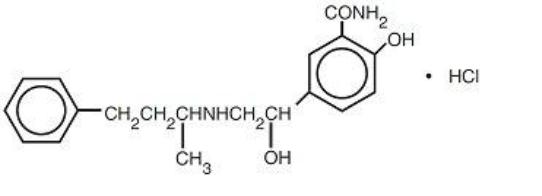
Active ingredient
Classification
Alpha and beta blocking agentsbeta-Adrenergic Blocker
Drug interactions
Labetalol has several documented interactions with other drugs and conditions that may affect its efficacy and safety.
- moderatetricyclic antidepressants — increased incidence of tremor
- unknownbeta-agonist bronchodilator drugs — blunted bronchodilator effect
- moderatecimetidine — increased bioavailability of labetalol
- majorhalothane anesthesia — increased hypotension and potential reduction in cardiac output
- unknownnitroglycerin — additional antihypertensive effects
- moderatecalcium antagonists of the verapamil type — increased risk of bradycardia
- moderatedigitalis glycosides — increased risk of bradycardia
- unknownepinephrine — potential unresponsiveness in allergic reactions
Real-world adverse events (FAERS)
Drug Ineffective1,007Maternal Exposure During Pregnancy941Foetal Exposure During Pregnancy936Hypertension731Premature Baby718Off Label Use676Chronic Kidney Disease645Exposure During Pregnancy634
Indications
INDICATIONS AND USAGE Labetalol Hydrochloride is indicated in the management of hypertension, to lower blood pressure. Lowering blood pressure reduces the risk of fatal and nonfatal cardiovascular events, primarily strokes and myocardial infarctions. These benefits have been seen in controlled trials of antihypertensive drugs from a wide variety of pharmacologic classes including beta adrenergic blockers. Control of high blood pressure should be part of comprehensive cardiovascular risk management, including, as appropriate, lipid control, diabetes management, antithrombotic therapy, smoking cessation, exercise, and limited sodium intake. Many patients will require more than one drug to achieve blood pressure goals. For specific advice on goals and management, see published guidelines, such as those of the National High Blood Pressure Education Program’s Joint National Committee on Prevention, Detection, Evaluation, and Treatment of High Blood Pressure (JNC). Numerous antihypertensive drugs, from a variety of pharmacologic classes and with different mechanisms of action, have been shown in randomized controlled trials to reduce cardiovascular morbidity and mortality, and it can be concluded that it is blood pressure reduction, and not some other pharmacologic property of the drugs, that is largely responsible for those benefits. The largest and most consistent cardiovascular outcome benefit has been a reduction in the risk of stroke, but reductions in myocardial infarction and cardiovascular mortality also have been seen regularly. Elevated systolic or diastolic pressure causes increased cardiovascular risk, and the absolute risk increase per mmHg is greater at higher blood pressures, so that even modest reductions of severe hypertension can provide substantial benefit. Relative risk reduction from blood pressure reduction is similar across populations with varying absolute risk, so the absolute benefit is greater in patients who are at higher risk independent of their hypertension (for example, patients with diabetes or hyperlipidemia), and such patients would be expected to benefit from more aggressive treatment to a lower blood pressure goal. Some antihypertensive drugs have smaller blood pressure effects (as monotherapy) in black patients, and many antihypertensive drugs have additional approved indications and effects (e.g., on angina, heart failure, or diabetic kidney disease). These considerations may guide selection of therapy. Labetalol Hydrochloride Tablets may be used alone or in combination with other antihypertensive agents, especially thiazide and loop diuretics. Labetalol Hydrochloride Tablets are a beta adrenergic blocker indicated for the treatment of hypertension, to lower blood pressure. Lowering blood pressure reduces the risk of fatal and nonfatal cardiovascular events, primarily strokes and myocardial infarctions. ( 1 )
Dosage
DOSAGE AND ADMINISTRATION Labetalol hydrochloride injection is intended for intravenous use in hospitalized patients. DOSAGE MUST BE INDIVIDUALIZED depending upon the severity of hypertension and the response of the patient during dosing. Patients should always be kept in a supine position during the period of intravenous drug administration. A substantial fall in blood pressure on standing should be expected in these patients. The patient's ability to tolerate an upright position should be established before permitting any ambulation, such as using toilet facilities. Either of two methods of administration of labetalol hydrochloride injection may be used: a) repeated intravenous injections, b) slow continuous infusion. Repeated Intravenous Injection Initially, labetalol hydrochloride injection should be given in a dose of 20 mg labetalol HCl (which corresponds to 0.25 mg/kg for an 80 kg patient) by slow intravenous injection over a 2-minute period. Immediately before the injection and at 5 and 10 minutes after injection, supine blood pressure should be measured to evaluate response. Additional injections of 40 mg or 80 mg can be given at 10 minute intervals until a desired supine blood pressure is achieved or a total of 300 mg labetalol HCl has been injected. The maximum effect usually occurs within 5 minutes of each injection. Slow Continuous Infusion Labetalol hydrochloride injection is prepared for continuous intravenous infusion by diluting the contents with commonly used intravenous fluids (see below). Examples of methods of preparing the infusion solution are: The contents of either two 20 mL vials (40 mL), or one 40 mL vial, are added to 160 mL of a commonly used intravenous fluid such that the resultant 200 mL of solution contains 200 mg of labetalol hydrochloride, 1 mg/mL. The diluted solution should be administered at a rate of 2 mL/min to deliver 2 mg/min. Alternatively, the contents of either two 20 mL vials (40 mL), or one 40 mL vial, of labetalol hydrochloride injection are added to 250 mL of a commonly used intravenous fluid. The resultant solution will contain 200 mg of labetalol hydrochloride, approximately 2 mg/3 mL. The diluted solution should be administered at a rate of 3 mL/min to deliver approximately 2 mg/min. The rate of infusion of the diluted solution may be adjusted according to the blood pressure response, at the discretion of the physician. To facilitate a desired rate of infusion, the diluted solution can be infused using a controlled administration mechanism, e.g., graduated burette or mechanically driven infusion pump. Since the half-life of labetalol is 5 to 8 hours, steady-state blood levels (in the face of a constant rate of infusion) would not be reached during the usual infusion time period. The infusion should be continued until a satisfactory response is obtained and should then be stopped and oral labetalol hydrochloride started. The effective intravenous dose is usually in the range of 50 to 200 mg. A total dose of up to 300 mg may be required in some patients. Blood Pressure Monitoring The blood pressure should be monitored during and after completion of the infusion or intravenous injections. Rapid or excessive falls in either systolic or diastolic blood pressure during intravenous treatment should be avoided. In patients with excessive systolic hypertension, the decrease in systolic pressure should be used as indicator of effectiveness in addition to the response of the diastolic pressure. Initiation of Dosing with Labetalol Hydrochloride Tablets Subsequent oral dosing with labetalol hydrochloride tablets should begin when it has been established that the supine diastolic blood pressure has begun to rise. The recommended initial dose is 200 mg, followed in 6 to 12 hours by an additional dose of 200 or 400 mg, depending on the blood pressure response. Thereafter, inpatient titration with labetalol hydrochloride tablets may proceed as follows: Inpatient Titration Instructions Regimen Daily Dose * 200 mg b.i.d. 400 mg 400 mg b.i.d. 800 mg 800 mg b.i.d. 1600 mg 1200 mg b.i.d. 2400 mg * If needed, the total daily dose may be given in three divided doses. While in the hospital, the dosage of labetalol hydrochloride tablets may be increased at 1 day intervals to achieve the desired blood pressure reduction. For subsequent outpatient titration or maintenance dosing see Labetalol Hydrochloride Tablets Product Information DOSAGE AND ADMINISTRATION for additional recommendations. Compatibility with commonly used intravenous fluids Parenteral drug products should be inspected visually for particulate matter and discoloration prior to administration, whenever solution and container permit. Labetalol hydrochloride injection was tested for compatibility with commonly used intravenous fluids at final concentrations of 1.25 mg to 3.75 mg labetalol hydrochloride per mL of the mixture. Labetalol hydrochloride injection was found to be compatible with and stable (for 24 hours refrigerated or at room temperature) in mixtures with the following solutions: Ringers Injection, USP Lactated Ringers Injection, USP 5% Dextrose and Ringers Injection 5% Lactated Ringers and 5% Dextrose Injection 5% Dextrose Injection, USP 0.9% Sodium Chloride Injection, USP 5% Dextrose and 0.2% Sodium Chloride Injection, USP 2.5% Dextrose and 0.45% Sodium Chloride Injection, USP 5% Dextrose and 0.9% Sodium Chloride Injection, USP 5% Dextrose and 0.33% Sodium Chloride Injection, USP Labetalol hydrochloride injection was NOT compatible with 5% Sodium Bicarbonate Injection, USP. Care should be taken when administering alkaline drugs, including furosemide, in combination with labetalol. Compatibility should be assured prior to administering these drugs together.
Warnings
WARNINGS AND PRECAUTIONS Monitor patients for symptomatic postural hypotension and syncope after initial dosing or dose increments. ( 5.1 ) Monitor heart rate and rhythm for bradycardia, including sinus pause, heart block, severe bradycardia, and cardiac arrest in patients receiving Labetalol Hydrochloride Tablets. ( 5.2 ) Beta-blockade can depress myocardial contractility and precipitating more severe failure. Avoid use in patients with overt heart failure. ( 5.3 ). Monitor heart rate and rhythm for bradycardia, including sinus pause, heart block, severe bradycardia, and cardiac arrest in patients receiving Labetalol Hydrochloride Tablets. ( 5.2 ) Beta-blockade can depress myocardial contractility and precipitating more severe failure. Avoid use in patients with overt heart failure. ( 5.3 ) Acute exacerbation of coronary artery disease upon cessation of therapy. Do not abruptly discontinue. ( 5.4 ) Avoid use in patients with bronchospastic disease. ( 5.5 ) Beta‑adrenergic blockade may prevent the appearance of premonitory signs and symptoms (e.g., tachycardia) of acute hypoglycemia. ( 5.6 ) Exacerbation of pheochromocytoma: Paradoxical increases in blood pressure may occur. ( 5.7 ) Hepatic necrosis and death have been reported. If the patient develops signs or symptoms of liver injury, institute appropriate treatment and investigate the probable cause. ( 5.8 ) Do not routinely withdraw chronic beta blocker therapy prior to surgery. ( 5.10 ) 5.1 Hypotension Monitor patients for symptomatic postural hypotension and syncope after initial dosing or dose increments with Labetalol Hydrochloride Tablets. Elderly patients are generally more likely than younger patients to experience orthostatic symptoms [see Dosage and Administration (2.1) , Use in Specific Populations (8.5) , Clinical Pharmacology (12.2) ]. 5.2 Bradycardia Bradycardia, including sinus pause, heart block, severe bradycardia, and cardiac arrest have occurred with the use of beta blockers. Monitor heart rate and rhythm in patients receiving Labetalol Hydrochloride Tablets. 5.3 Cardiac Failure Sympathetic stimulation is a vital component supporting circulatory function in congestive heart failure. Beta‑blockade carries a potential hazard of further depressing myocardial contractility and precipitating more severe failure. Avoid Labetalol Hydrochloride Tablets in patients with overt congestive heart failure. If patients develop signs or symptoms of heart failure during administration, discontinue Labetalol Hydrochloride Tablets and treat appropriately. 5.4 Ischemic Heart Disease Abrupt cessation of therapy with beta blocking agents in patients with coronary artery disease can cause exacerbations of angina pectoris and, in some cases, myocardial infarction has been reported. Therefore, even in the absence of overt angina pectoris, after the discontinuation of Labetalol Hydrochloride Tablets observe patients for development or worsening of angina. If patient experiences angina or angina markedly worsens or if acute coronary insufficiency develops, promptly reinstitute Labetalol Hydrochloride Tablets and manage as unstable angina. 5.5 Reactive Airway Disease and Nonallergic Bronchospasm Avoid use in patients with reactive airways disease. If Labetalol Hydrochloride Tablets are used, use the smallest effective dose, to minimize inhibition of endogenous or exogenous beta agonists. 5.6 Hypoglycemia Beta-blockers may prevent early warning signs of hypoglycemia, such as tachycardia, and increase the risk for severe or prolonged hypoglycemia at any time during treatment, especially in patients with diabetes mellitus or children and patients who are fasting (i.e., surgery, not eating regularly, or are vomiting). If severe hypoglycemia occurs, patients should be instructed to seek emergency treatment. 5.7 Use in Patients with Pheochromocytoma Labetalol hydrochloride has been shown to be effective in lowering blood pressure and relieving symptoms in patients with pheochromocytoma; higher than usual doses may be required. However, paradoxical hypertensive responses have been reported in a few patients with this tumor; therefore, blood pressure when administering labetalol hydrochloride to patients with pheochromocytoma. 5.8 Hepatic Injury Severe hepatocellular injury occurs rarely with labetalol therapy. The hepatic injury is usually reversible, but hepatic necrosis and death have been reported. If the patient develops signs or symptoms of liver injury, institute appropriate treatment and investigate the probable cause. Do not restart labetalol in patients without another explanation for the observed liver injury. 5.9 Use in Patients at Risk of Severe Acute Hypersensitivity Reactions Patients at risk of anaphylactic reactions may be more reactive to allergen exposure (accidental, diagnostic, or therapeutic). Patients using beta-blockers may be unresponsive to the usual doses of epinephrine used to treat anaphylactic or anaphylactoid reactions. Avoid Labetalol Hydrochloride Tablets in patients at high risk of anaphylactic reactions. 5.10 Major Surgery Do not routinely withdraw chronic beta blocker therapy prior to surgery. The effect of labetalol’s alpha adrenergic activity has not been evaluated in this setting. A synergism between labetalol hydrochloride and halothane anesthesia has been shown [ see Drug Interactions (7.3) ]. 5.11 Intraoperative Floppy Iris Syndrome (IFIS) IFIS has been observed during cataract surgery in some patients treated with alpha-1 blockers (labetalol is an alpha/beta blocker). This variant of small pupil syndrome is characterized by the combination of a flaccid iris that billows in response to intraoperative irrigation currents, progressive intraoperative miosis despite preoperative dilation with standard mydriatic drugs, and potential prolapse of the iris toward the phacoemulsification incisions. Inform the patient’s ophthalmologist to be prepared for possible modifications to the surgical technique, such as the utilization of iris hooks, iris dilator rings, or viscoelastic substances. 5.1 Hypotension Monitor patients for symptomatic postural hypotension and syncope after initial dosing or dose increments with Labetalol Hydrochloride Tablets. Elderly patients are generally more likely than younger patients to experience orthostatic symptoms [see Dosage and Administration (2.1) , Use in Specific Populations (8.5) , Clinical Pharmacology (12.2) ]. 5.2 Bradycardia Bradycardia, including sinus pause, heart block, severe bradycardia, and cardiac arrest have occurred with the use of beta blockers. Monitor heart rate and rhythm in patients receiving Labetalol Hydrochloride Tablets. 5.3 Cardiac Failure Sympathetic stimulation is a vital component supporting circulatory function in congestive heart failure. Beta‑blockade carries a potential hazard of further depressing myocardial contractility and precipitating more severe failure. Avoid Labetalol Hydrochloride Tablets in patients with overt congestive heart failure. If patients develop signs or symptoms of heart failure during administration, discontinue Labetalol Hydrochloride Tablets and treat appropriately. 5.4 Ischemic Heart Disease Abrupt cessation of therapy with beta blocking agents in patients with coronary artery disease can cause exacerbations of angina pectoris and, in some cases, myocardial infarction has been reported. Therefore, even in the absence of overt angina pectoris, after the discontinuation of Labetalol Hydrochloride Tablets observe patients for development or worsening of angina. If patient experiences angina or angina markedly worsens or if acute coronary insufficiency develops, promptly reinstitute Labetalol Hydrochloride Tablets and manage as unstable angina. 5.5 Reactive Airway Disease and Nonallergic Bronchospasm Avoid use in patients with reactive airways disease. If Labetalol Hydrochloride Tablets are used, use the smallest effective dose, to minimize inhibition of endogenous or exogenous beta agonists. 5
Contraindications
CONTRAINDICATIONS Labetalol Hydrochloride Tablets are contraindicated in patients with: • bronchial asthma or obstructive airway disease • decompensated heart failure • greater than first degree heart block • cardiogenic shock • severe bradycardia • Hypersensitivity reactions, including anaphylaxis, to labetalol • non-dihydropyridine calcium-channel antagonists • Bronchial asthma or obstructive airway disease ( 4 ) • Overt cardiac failure ( 4 ) • Greater‑than‑first‑degree heart block ( 4 ) • Cardiogenic shock ( 4 ) • Severe bradycardia ( 4 ) • Non-dihydropyridine calcium-channel antagonists ( 4 )
Mechanism of action
CLINICAL PHARMACOLOGY Labetalol hydrochloride combines both selective, competitive, alpha 1 -adrenergic blocking and nonselective, competitive, beta-adrenergic blocking activity in a single substance. In man, the ratios of alpha- to beta-blockade have been estimated to be approximately 1:3 and 1:7 following oral and intravenous (IV) administration, respectively. Beta 2 -agonist activity has been demonstrated in animals with minimal beta 1 -agonist (ISA) activity detected. In animals, at doses greater than those required for alpha- or beta-adrenergic blockade, a membrane-stabilizing effect has been demonstrated. Pharmacodynamics The capacity of labetalol hydrochloride to block alpha receptors in man has been demonstrated by attenuation of the pressor effect of phenylephrine and by a significant reduction of the pressor response caused by immersing the hand in ice-cold water (“cold pressor test”). Labetalol hydrochloride’s beta 1 - receptor blockade in man was demonstrated by a small decrease in the resting heart rate, attenuation of tachycardia produced by isoproterenol or exercise, and by attenuation of the reflex tachycardia to the hypotension produced by amyl nitrite. Beta 2 -receptor blockade was demonstrated by inhibition of the isoproterenol-induced fall in diastolic blood pressure. Both the alpha- and beta-blocking actions of orally administered labetalol hydrochloride contribute to a decrease in blood pressure in hypertensive patients. Labetalol hydrochloride consistently, in dose-related fashion, blunted increases in exercise- induced blood pressure and heart rate, and in their double product. The pulmonary circulation during exercise was not affected by labetalol hydrochloride dosing. Single oral doses of labetalol hydrochloride administered to patients with coronary artery disease had no significant effect on sinus rate, intraventricular conduction, or QRS duration. The atrioventricular (A-V) conduction time was modestly prolonged in two of seven patients. In another study, intravenous (IV) labetalol hydrochloride slightly prolonged A-V nodal conduction time and atrial effective refractory period with only small changes in heart rate. The effects on A-V nodal refractoriness were inconsistent. Labetalol hydrochloride produces dose-related falls in blood pressure without reflex tachycardia and without significant reduction in heart rate, presumably through a mixture of its alpha blocking and beta- blocking effects. Hemodynamic effects are variable with small, nonsignificant changes in cardiac output seen in some studies but not others, and small decreases in total peripheral resistance. Elevated plasma renins are reduced. Doses of labetalol hydrochloride that controlled hypertension did not affect renal function in mildly to severely hypertensive patients with normal renal function. Due to the alpha 1 -receptor blocking activity of labetalol hydrochloride, blood pressure is lowered more in the standing than in the supine position, and symptoms of postural hypotension (2%), including rare instances of syncope, can occur. Following oral administration, when postural hypotension has occurred, it has been transient and is uncommon when the recommended starting dose and titration increments are closely followed [see Dosage and Administration ] . Symptomatic postural hypotension is most likely to occur 2 to 4 hours after a dose, especially following the use of large initial doses or upon large changes in dose. The peak effects of single oral doses of labetalol hydrochloride occur within 2 to 4 hours. The duration of effect depends upon dose, lasting at least 8 hours following single oral doses of 100 mg and more than 12 hours following single oral doses of 300 mg. The maximum, steady-state blood pressure response upon oral, twice-a-day dosing occurs within 24 to 72 hours. The antihypertensive effect of labetalol has a linear correlation with the logarithm of labetalol plasma concentration, and there is also a linear correlation between the reduction in exercise-induced tachycardia occurring at 2 hours after oral administration of labetalol hydrochloride and the logarithm of the plasma concentration. About 70% of the maximum beta-blocking effect is present for 5 hours after the administration of a single oral dose of 400 mg with suggestion that about 40% remains at 8 hours. The antianginal efficacy of labetalol hydrochloride has not been studied. In 37 patients with hypertension and coronary artery disease, labetalol hydrochloride did not increase the incidence or severity of angina attacks. Exacerbation of angina and, in some cases, myocardial infarction and ventricular dysrhythmias have been reported after abrupt discontinuation of therapy with beta-adrenergic blocking agents in patients with coronary artery disease. Abrupt withdrawal of these agents in patients without coronary artery disease has resulted in transient symptoms, including tremulousness, sweating, palpitation, headache, and malaise. Several mechanisms have been proposed to explain these phenomena, among them increased sensitivity to catecholamines because of increased numbers of beta receptors. Although beta-adrenergic receptor blockade is useful in the treatment of angina and hypertension, there are also situations in which sympathetic stimulation is vital. For example, in patients with severely damaged hearts, adequate ventricular function may depend on sympathetic drive. Beta-adrenergic blockade may worsen A-V block by preventing the necessary facilitating effects of sympathetic activity on conduction. Beta 2 -adrenergic blockade results in passive bronchial constriction by interfering with endogenous adrenergic bronchodilator activity in patients subject to bronchospasm, and it may also interfere with exogenous bronchodilators in such patients. Pharmacokinetics and Metabolism Labetalol hydrochloride is completely absorbed from the gastrointestinal tract with peak plasma levels occurring 1 to 2 hours after oral administration. The relative bioavailability of labetalol hydrochloride compared to an oral solution is 100%. The absolute bioavailability (fraction of drug reaching systemic circulation) of labetalol when compared to an intravenous infusion is 25%; this is due to extensive “first-pass” metabolism. Despite “first-pass” metabolism, there is a linear relationship between oral doses of 100 mg to 3000 mg and peak plasma levels. The absolute bioavailability of labetalol is increased when administered with food. The plasma half-life of labetalol following oral administration is about 6 to 8 hours. Steady-state plasma levels of labetalol during repetitive dosing are reached by about the third day of dosing. In patients with decreased hepatic or renal function, the elimination half-life of labetalol is not altered; however, the relative bioavailability in hepatically impaired patients is increased due to decreased “first-pass” metabolism. The metabolism of labetalol is mainly through conjugation to glucuronide metabolites. These metabolites are present in plasma and are excreted in the urine and, via the bile, into the feces. Approximately 55% to 60% of a dose appears in the urine as conjugates or unchanged labetalol within the first 24 hours of dosing. Labetalol has been shown to cross the placental barrier in humans. Only negligible amounts of the drug crossed the blood-brain barrier in animal studies. Labetalol is approximately 50% protein bound. Neither hemodialysis nor peritoneal dialysis removes a significant amount of labetalol hydrochloride from the general circulation (less than 1%). Elderly Patients Some pharmacokinetic studies indicate that the elimination of labetalol is reduced in elderly patients. Therefore, although elderly patients may initiate therapy at the currently recommended dosage of 100 mg b.i.d. (twice daily), elderly patients will generally require lower maintenance dosages than nonelderly patients.
Indicated ICD-10 codes
Source: RxNorm + openFDA + RxClass + FAERS · 2026
Look up another medication