dicyclomine hydrochloride 20 MG Oral Capsule
Managing this medication for someone you care for? Eleplan keeps diagnoses, medications and appointments in one plan.
Start free with EleplanClinical drug
dicyclomine hydrochloride 20 MG Oral Capsule
20 MG · Oral Capsule · oral
A form of dicyclomine →
dicyclomine hydrochloride 20 MG Oral Capsule — Synthetic anticholinergics, esters with tertiary amino group. INDICATIONS AND USAGE Dicyclomine hydrochloride is indicated for the treatment of patients with functional bowel/irritable bowel syndrome…
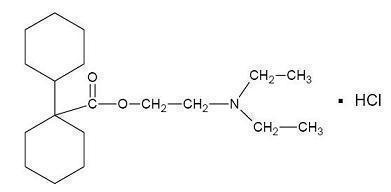
Active ingredient
Classification
Synthetic anticholinergics, esters with tertiary amino groupAnticholinergic
Drug interactions
Dicyclomine has several drug interactions that may affect its efficacy and safety.
- majorantiglaucoma agents — may increase intraocular pressure
- moderateanticholinergic agents — may increase certain actions or side effects
- majorantacids — interfere with the absorption of dicyclomine
- unknownmetoclopramide — may antagonize the effects of gastrointestinal motility drugs
- moderatedigoxin — increased serum digoxin concentration may result
Indications
INDICATIONS AND USAGE Dicyclomine hydrochloride is indicated for the treatment of patients with functional bowel/irritable bowel syndrome. Dicyclomine hydrochloride is an antispasmodic and anticholinergic (antimuscarinic) agent indicated for the treatment of functional bowel/irritable bowel syndrome ( Error! Hyperlink reference not valid. )
Dosage
DOSAGE AND ADMINISTRATION Dosage must be adjusted to individual patient needs. Dosage for dicyclomine hydrochloride must be adjusted to individual patient needs (2) . If a dose is missed, patients should continue the normal dosing schedule (2). Oral in adults (2.1) : Starting dose: 20 mg four times a day. After a week treatment with the starting dose, the dose may be escalated to 40 mg four times a day, unless side effects limit dosage escalation Discontinue dicyclomine hydrochloride if efficacy not achieved or side effects require doses less than 80 mg per day after two weeks of treatment 2.1 Oral Dosage and Administration in Adults The recommended initial dose is 20 mg four times a day. After one week treatment with the initial dose, the dose may be increased to 40 mg four times a day unless side effects limit dosage escalation. If efficacy is not achieved within 2 weeks or side effects require doses below 80 mg per day, the drug should be discontinued. Documented safety data are not available for doses above 80 mg daily for periods longer than 2 weeks. 2.1 Oral Dosage and Administration in Adults The recommended initial dose is 20 mg four times a day. After one week treatment with the initial dose, the dose may be increased to 40 mg four times a day unless side effects limit dosage escalation. If efficacy is not achieved within 2 weeks or side effects require doses below 80 mg per day, the drug should be discontinued. Documented safety data are not available for doses above 80 mg daily for periods longer than 2 weeks.
Warnings
WARNINGS AND PRECAUTIONS Cardiovascular conditions: worsening of conditions (5.2) Peripheral and central nervous system: heat prostration can occur with drug use (fever and heat stroke due to decreased sweating); drug should be discontinued and supportive measures instituted (5.3) Psychosis and delirium have been reported in patients sensitive to anticholinergic drugs (such as elderly patients and/or in patients with mental illness): signs and symptoms resolve within 12 to 24 hours after discontinuation of dicyclomine hydrochloride (5.3) Myasthenia Gravis: overdose may lead to muscular weakness and paralysis. Dicyclomine hydrochloride should be given to patients with myasthenia gravis only to reduce adverse muscarinic effects of an anticholinesterase (5.4) Incomplete intestinal obstruction: diarrhea may be an early symptom especially in patients with ileostomy or colostomy. Treatment with dicyclomine hydrochloride would be inappropriate and possibly fatal (5.5) Salmonella dysenteric patients: due to risk of toxic megacolon (5.6) Ulcerative colitis: Dicyclomine hydrochloride should be used with caution in these patients; large doses may suppress intestinal motility or aggravate the serious complications of toxic megacolon (5.7) Prostatic hypertrophy: Dicyclomine hydrochloride should be used with caution in these patients; may lead to urinary retention (5.8) Hepatic and renal disease: should be used with caution (5.9) Geriatric: use with caution in elderly who may be more susceptible to dicyclomine hydrochloride’s adverse events (5.10) 5.2 Cardiovascular Conditions Dicyclomine hydrochloride needs to be used with caution in conditions characterized by tachyarrhythmia such as thyrotoxicosis, congestive heart failure and in cardiac surgery, where they may further accelerate the heart rate. Investigate any tachycardia before administration of dicyclomine hydrochloride. Care is required in patients with coronary heart disease, as ischemia and infarction may be worsened, and in patients with hypertension [see Adverse Reactions (6.3) ]. 5.3 Peripheral and Central Nervous System The peripheral effects of dicyclomine hydrochloride are a consequence of their inhibitory effect on muscarinic receptors of the autonomic nervous system. They include dryness of the mouth with difficulty in swallowing and talking, thirst, reduced bronchial secretions, dilatation of the pupils (mydriasis) with loss of accommodation (cycloplegia) and photophobia, flushing and dryness of the skin, transient bradycardia followed by tachycardia, with palpitations and arrhythmias, and difficulty in micturition, as well as reduction in the tone and motility of the gastrointestinal tract leading to constipation [see Adverse Reactions (6) ]. In the presence of high environmental temperature heat prostration can occur with drug use (fever and heat stroke due to decreased sweating). It should also be used cautiously in patients with fever. If symptoms occur, the drug should be discontinued and supportive measures instituted. Because of the inhibitory effect on muscarinic receptors within the autonomic nervous system, caution should be taken in patients with autonomic neuropathy. Central nervous system (CNS) signs and symptoms include confusional state, disorientation, amnesia, hallucinations, dysarthria, ataxia, coma, euphoria, fatigue, insomnia, agitation and mannerisms, and inappropriate affect. Psychosis and delirium have been reported in sensitive individuals (such as elderly patients and/or in patients with mental illness) given anticholinergic drugs. These CNS signs and symptoms usually resolve within 12 to 24 hours after discontinuation of the drug. Dicyclomine hydrochloride may produce drowsiness, dizziness or blurred vision. The patient should be warned not to engage in activities requiring mental alertness, such as operating a motor vehicle or other machinery or performing hazardous work while taking dicyclomine hydrochloride. 5.4 Myasthenia Gravis With overdosage, a curare-like action may occur (i.e., neuromuscular blockade leading to muscular weakness and possible paralysis). It should not be given to patients with myasthenia gravis except to reduce adverse muscarinic effects of an anticholinesterase [see Contraindications (4)]. 5.5 Intestinal Obstruction Diarrhea may be an early symptom of incomplete intestinal obstruction, especially in patients with ileostomy or colostomy. In this instance, treatment with this drug would be inappropriate and possibly harmful [see Contraindications (4) ]. Rarely development of Ogilvie's syndrome (colonic pseudo-obstruction) has been reported. Ogilvie's syndrome is a clinical disorder with signs, symptoms, and radiographic appearance of an acute large bowel obstruction but with no evidence of distal colonic obstruction. 5.6 Toxic Dilatation of Intestinemegacolon Toxic dilatation of intestine and intestinal perforation is possible when anticholinergic agents are administered in patients with Salmonella dysentery. 5.7 Ulcerative Colitis Caution should be taken in patients with ulcerative colitis. Large doses may suppress intestinal motility to the point of producing a paralytic ileus and the use of this drug may precipitate or aggravate the serious complication of toxic megacolon [see Adverse Reactions (6.3) ]. Dicyclomine hydrochloride is contraindicated in patients with severe ulcerative colitis [see Contraindications (4) ]. 5.8 Prostatic Hypertrophy Dicyclomine hydrochloride should be used with caution in patients with known or suspected prostatic enlargement, in whom prostatic enlargement may lead to urinary retention [see Adverse Reactions (6.3) ]. 5.9 Hepatic and Renal Disease Dicyclomine hydrochloride should be used with caution in patients with known hepatic and renal impairment. 5.10 Geriatric Population Dicyclomine hydrochloride should be used with caution in elderly who may be more susceptible to its adverse effects. 5.2 Cardiovascular Conditions Dicyclomine hydrochloride needs to be used with caution in conditions characterized by tachyarrhythmia such as thyrotoxicosis, congestive heart failure and in cardiac surgery, where they may further accelerate the heart rate. Investigate any tachycardia before administration of dicyclomine hydrochloride. Care is required in patients with coronary heart disease, as ischemia and infarction may be worsened, and in patients with hypertension [see Adverse Reactions (6.3) ]. 5.3 Peripheral and Central Nervous System The peripheral effects of dicyclomine hydrochloride are a consequence of their inhibitory effect on muscarinic receptors of the autonomic nervous system. They include dryness of the mouth with difficulty in swallowing and talking, thirst, reduced bronchial secretions, dilatation of the pupils (mydriasis) with loss of accommodation (cycloplegia) and photophobia, flushing and dryness of the skin, transient bradycardia followed by tachycardia, with palpitations and arrhythmias, and difficulty in micturition, as well as reduction in the tone and motility of the gastrointestinal tract leading to constipation [see Adverse Reactions (6) ]. In the presence of high environmental temperature heat prostration can occur with drug use (fever and heat stroke due to decreased sweating). It should also be used cautiously in patients with fever. If symptoms occur, the drug should be discontinued and supportive measures instituted. Because of the inhibitory effect on muscarinic receptors within the autonomic nervous system, caution should be taken in patients with autonomic neuropathy. Central nervous system (CNS) signs and symptoms include confusional state, disorientation, amnesia, hallucinations, dysarthria, ataxia, coma, euphoria, fatigue, insomnia, agitation and mannerisms, and inappropriate affect. Psychosis and delirium have been reported in sensitive individuals (such as elderly patients and/or in patients with mental illness) given anticholinergic drugs. These CNS signs and symptoms usually resolve w
Contraindications
CONTRAINDICATIONS Dicyclomine hydrochloride is contraindicated in infants less than 6 months of age [see Error! Hyperlink reference not valid. ( Error! Hyperlink reference not valid. )] , nursing mothers [see Error! Hyperlink reference not valid. ( Error! Hyperlink reference not valid. )] , and in patients with: • unstable cardiovascular status in acute hemorrhage • myasthenia gravis [see Error! Hyperlink reference not valid. ( 5.4 )] • glaucoma [see Error! Hyperlink reference not valid. ( Error! Hyperlink reference not valid. ) and Error! Hyperlink reference not valid. ( 7.1 )] • obstructive uropathy [see Error! Hyperlink reference not valid. ( 5.8 )] • obstructive disease of the gastrointestinal tract [see Error! Hyperlink reference not valid. ( 5.5 )] • severe ulcerative colitis [see Error! Hyperlink reference not valid. ( 5.7 )] • reflux esophagitis • Infants less than 6 months of age ( Error! Hyperlink reference not valid. ) • Glaucoma ( Error! Hyperlink reference not valid. ) • Nursing mothers ( Error! Hyperlink reference not valid. ) • Obstructive uropathy ( Error! Hyperlink reference not valid. ) • Unstable cardiovascular status in acute hemorrhage ( Error! Hyperlink reference not valid. ) • Obstructive disease of the gastrointestinal tract ( Error! Hyperlink reference not valid. ) • Myasthenia gravis ( Error! Hyperlink reference not valid. ) • Severe ulcerative colitis ( Error! Hyperlink reference not valid. ) • Reflux esophagitis ( Error! Hyperlink reference not valid. )
Mechanism of action
Mechanism of Action Dicyclomine relieves smooth muscle spasm of the gastrointestinal tract. Animal studies indicate that this action is achieved via a dual mechanism: • a specific anticholinergic effect (antimuscarinic) at the acetylcholine-receptor sites with approximately 1/8 the milligram potency of atropine ( in vitro , guinea pig ileum); and • a direct effect upon smooth muscle (musculotropic) as evidenced by dicyclomine’s antagonism of bradykinin- and histamine-induced spasms of the isolated guinea pig ileum. Atropine did not affect responses to these two agonists. In vivo studies in cats and dogs showed dicyclomine to be equally potent against acetylcholine (ACh) - or barium chloride (BaCl 2 )-induced intestinal spasm while atropine was at least 200 times more potent against effects of ACh than BaCl 2 . Tests for mydriatic effects in mice showed that dicyclomine was approximately 1/500 as potent as atropine; antisialagogue tests in rabbits showed dicyclomine to be 1/300 as potent as atropine.
Indicated ICD-10 codes
Source: RxNorm + openFDA + RxClass + FAERS · 2026
Look up another medication