cycloserine 125 MG Oral Capsule
Managing this medication for someone you care for? Eleplan keeps diagnoses, medications and appointments in one plan.
Start free with EleplanClinical drug
cycloserine 125 MG Oral Capsule
125 MG · Oral Capsule · oral
A form of cycloserine →
cycloserine 125 MG Oral Capsule — Antibiotics. INDICATIONS AND USAGE Cycloserine is indicated in the treatment of active pulmonary and extrapulmonary tuberculosis (including renal disease) when…
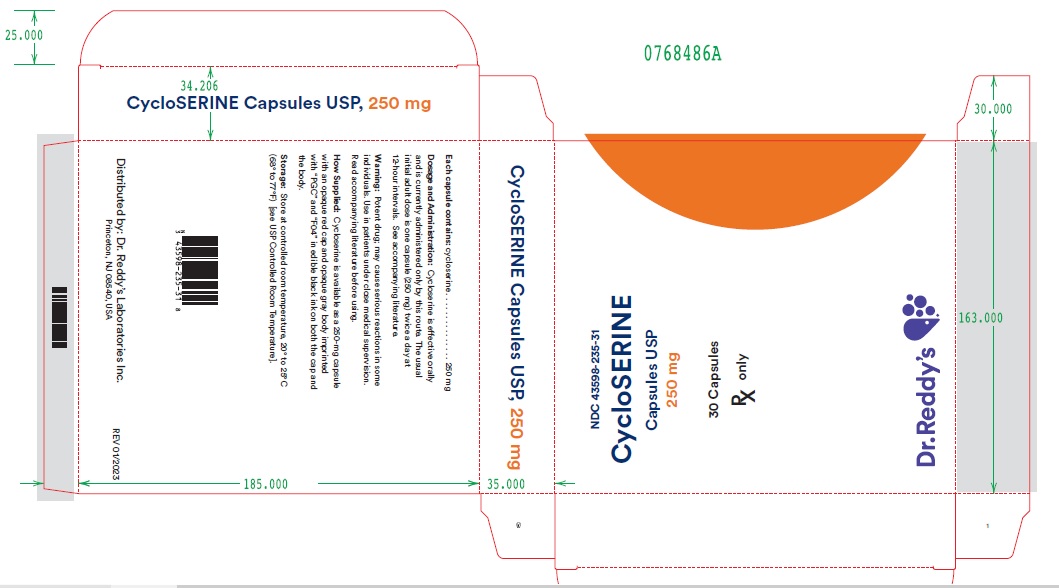
Active ingredient
Classification
Antibiotics
Indications
INDICATIONS AND USAGE Cycloserine is indicated in the treatment of active pulmonary and extrapulmonary tuberculosis (including renal disease) when the causative organisms are susceptible to this drug and when treatment with the primary medications (streptomycin, isoniazid, rifampin, and ethambutol) has proved inadequate. Like all antituberculosis drugs, cycloserine should be administered in conjunction with other effective chemotherapy and not as the sole therapeutic agent. Cycloserine may be effective in the treatment of acute urinary tract infections caused by susceptible strains of gram-positive and gram- negative bacteria. Use of cycloserine in these infections should be considered only when more conventional therapy has failed and when the organism has been demonstrated to be susceptible to the drug
Dosage
DOSAGE AND ADMINISTRATION Cycloserine is effective orally and is currently administered only by this route. The usual dosage is 500 mg to 1 g daily in divided doses monitored by blood levels. 1 The initial adult dosage most frequently given is 250 mg twice daily at 12-hour intervals for the first 2 weeks. A daily dosage of 1 g should not be exceeded.
Warnings
WARNINGS Administration of cycloserine should be discontinued or the dosage reduced if the patient develops allergic dermatitis or symptoms of CNS toxicity, such as convulsions, psychosis, somnolence, depression, confusion, hyperreflexia, headache, tremor, vertigo paresis, or dysarthria. The toxicity of cycloserine is closely related to excessive blood levels (above 30 mcg/mL), as determined by high dosage or inadequate renal clearance. The ratio of toxic dose to effective dose in tuberculosis is small. The risk of convulsions is increased in chronic alcoholics. Patients should be monitored by hematologic, renal excretion, blood level, and liver function studies.
Contraindications
CONTRAINDICATIONS Administration is contraindicated in patients with any of the following: • Hypersensitivity to cycloserine • Epilepsy • Depression, severe anxiety, or psychosis • Severe renal insufficiency • Excessive concurrent use of alcoho
Mechanism of action
CLINICAL PHARMACOLOGY After oral administration, cycloserine is readily absorbed from the gastrointestinal tract, with peak blood levels occurring in 4 to 8 hours. Blood levels of 25 to 30 mcg/mL can generally be maintained with the usual dosage of 250 mg twice a day, although the relationship of plasma levels to dosage is not always consistent. Concentrations in the cerebrospinal fluid, pleural fluid, fetal blood, and mother’s milk approach those found in the serum. Detectable amounts are found in ascitic fluid, file, sputum, amniotic fluid, and lung and lymph tissues. Approximately 65% of a single dose of cycloserine can be recovered in the urine within 72 hours after oral administration. The remaining 35% is apparently metabolized to unknown substances. The maximum excretion rate occurs 2 to 6 hours after administration, with 50% of the drug eliminated in 12 hours. Mechanism of Action: The antibacterial activity of Cycloserine results from inhibition of cell-wall synthesis in susceptible strains of gram-positive and gram-negative bacteria. Antibacterial Activity: Cycloserine has been shown to be active against most isolates of the following microorganism, both in vitro and in clinical infections [see Indications and Usage]: Mycobacterium tuberculosis.
Source: RxNorm + openFDA + RxClass + FAERS · 2026
Look up another medication