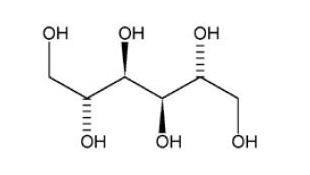
250 ML mannitol 200 MG/ML Injection — Osmotically acting laxatives. INDICATIONS AND USAGE For Intravenous Injection Mannitol Injection, USP is indicated for the following therapeutic uses: • The promotion of…
Boxed warning
WARNING: RISK OF SEVERE BRONCHOSPASM Mannitol, the active ingredient in ARIDOL, acts as a bronchoconstrictor and may cause severe bronchospasm. Bronchial challenge testing with ARIDOL is for diagnostic purposes only. Bronchial challenge testing with ARIDOL should only be conducted by trained professionals under the supervision of a physician familiar with all aspects of the bronchial challenge test and the management of acute bronchospasm. Medications (such as short-acting inhaled beta-agonist) and equipment to treat severe bronchospasm must be present in the testing area. If severe bronchospasm occurs it should be treated immediately by administration of a short-acting inhaled beta-agonist. Because of the potential for severe bronchoconstriction, the bronchial challenge testing with ARIDOL should not be performed in any patient with clinically apparent asthma or very low baseline pulmonary function tests (e.g., FEV 1 <1-1.5 liters or <70% of the predicted values) [ see Warnings and Precautions ( 5.1 ) ]. WARNING: RISK OF SEVERE BRONCHOSPASM See full prescribing information for complete boxed warning. Mannitol, the active ingredient in ARIDOL, acts as a bronchoconstrictor and may cause severe bronchospasm. Bronchial challenge testing with ARIDOL is for diagnostic purposes only. Only trained professionals under the supervision of a physician who are familiar with the management of acute bronchospasm should perform bronchial challenge testing with ARIDOL. Medications (such as short-acting inhaled beta-agonist) and equipment to treat severe bronchospasm must be present in the testing area. Because of the potential for severe bronchoconstriction, bronchial challenge testing with ARIDOL should not be performed in any patient with clinically apparent asthma or very low baseline pulmonary function tests (e.g., FEV 1 <1-1.5 liters or <70% of the predicted values) ( 5.1 )
unknowndrugs affected by electrolyte imbalances (e.g., digoxin, drugs that prolong the QT interval, neuromuscular blocking agents) — cardiac adverse reactions
majorlithium — increased risk of lithium toxicity
Indications
INDICATIONS AND USAGE For Intravenous Injection Mannitol Injection, USP is indicated for the following therapeutic uses: • The promotion of diuresis, in the prevention and/or treatment of the oliguric phase of acute renal failure before irreversible renal failure becomes established. • The reduction of intracranial pressure and treatment of cerebral edema by reducing brain mass. • The reduction of elevated intraocular pressure when it cannot be lowered by other means. • The promotion of urinary excretion of toxic substances. For Urologic Irrigation Mannitol solution, 2.5% is indicated as an irrigation solution in transurethral prostatic resection or other transurethral surgical procedures. For Intravenous Injection Mannitol Injection, USP is indicated for the following therapeutic uses: • The promotion of diuresis, in the prevention and/or treatment of the oliguric phase of acute renal failure before irreversible renal failure becomes established. • The reduction of intracranial pressure and treatment of cerebral edema by reducing brain mass. • The reduction of elevated intraocular pressure when it cannot be lowered by other means. • The promotion of urinary excretion of toxic substances. For Urologic Irrigation Mannitol solution, 2.5% is indicated as an irrigation solution in transurethral prostatic resection or other transurethral surgical procedures.
Dosage
DOSAGE AND ADMINISTRATION For Intravenous Injection General Recommendations –Give mannitol injection only intravenously. The total dosage, concentration and rate of administration should be governed by the nature and severity of the condition being treated, fluid requirement and urinary output. Usual adult dosage ranges from 50 to 200 g in 24 hours but in most instances an adequate response will be achieved at a dosage of approximately 100 g in 24 hours. The rate is usually adjusted to maintain an adequate urine flow (at least 30 to 50 mL/hr). Test Dose –In marked oliguria or inadequate renal function a test dose of mannitol should be given. The test dose may be approximately 0.2 g/kg (about 50 mL of a 25% solution) infused in three to five minutes to produce an adequate urine flow (at least 30 to 50 mL/hr). If urine flow does not increase within two or three hours a second test dose may be given. If there is an inadequate response the patient should be reevaluated. Prevention of Acute Renal Failure (Oliguria) –When used during surgery, immediately postoperatively or following trauma, 50 to100 g of mannitol as a 5 to 25% solution maybe given. The concentration and amount will depend upon the fluid requirements of the patient. Following suspected or actual hemolytic transfusion reactions 20 g of mannitol may be given intravenously over a five minute period to provoke diuresis. If diuresis does not occur the 20 g dose may be repeated. If there is an adequate urine flow (30 to 50 mL/hr) then intravenous fluids containing not more than 50 to 75 mEq of sodium per liter should be given in sufficient volume to match the desired urine flow (100 mL/hr) until fluids can be taken orally. Treatment of Oliguria –The usual dose for treatment of oliguria is 50 to 100 g as a 15 to 25% solution. Reduction of Intracranial Pressure, Cerebral Edema or Intraocular Pressure –A 25% solution of mannitol is recommended since its effectiveness depends on establishing intravascular hyperosmolarity. When used before or after surgery, a total dose of 1.5 to 2 g/kg can be given over a period of 30 to 60 minutes. Careful evaluation must be made of the circulatory and renal reserve prior to and during use of mannitol at this relatively high dose and rapid infusion rate. Careful attention must be paid to fluid and electrolyte balance, body weight, and total input and output before and after infusion of mannitol. Evidence of reduced cerebral spinal fluid pressure may be observed within 15 minutes after starting infusion. Maximal reduction of intraocular pressure occurs 30 to 60 minutes after injection. Urinary Excretion of Toxic Substances –Mannitol in 5 to 25% solutions is used as an infusion as long as indicated if the level of urinary output remains high. The concentration will depend upon the fluid requirement and urinary output. Intravenous water and electrolytes must be given to replace the loss of these substances in the urine, sweat and expired air. If benefits are not observed after 200 g of mannitol are given, discontinue it. mannitol-image For Urologic Irrigation A 2.5% solution is used. The use of 2.5% mannitol solution minimizes the hemolytic effect of water alone, the entrance of hemolyzed blood into the circulation, and the resulting hemoglobinemia which is considered a major factor in producing serious renal complications. PREPARATION OF DILUTIONS FOR UROLOGIC IRRIGATION Concentration How Prepared 2.5% Add contents of two 50 mL vials (25% mannitol) to 900 mL Sterile Water for Injection. For Intravenous Injection General Recommendations –Give mannitol injection only intravenously. The total dosage, concentration and rate of administration should be governed by the nature and severity of the condition being treated, fluid requirement and urinary output. Usual adult dosage ranges from 50 to 200 g in 24 hours but in most instances an adequate response will be achieved at a dosage of approximately 100 g in 24 hours. The rate is usually adjusted to maintain an adequate urine flow (at least 30 to 50 mL/hr). Test Dose –In marked oliguria or inadequate renal function a test dose of mannitol should be given. The test dose may be approximately 0.2 g/kg (about 50 mL of a 25% solution) infused in three to five minutes to produce an adequate urine flow (at least 30 to 50 mL/hr). If urine flow does not increase within two or three hours a second test dose may be given. If there is an inadequate response the patient should be reevaluated. Prevention of Acute Renal Failure (Oliguria) –When used during surgery, immediately postoperatively or following trauma, 50 to100 g of mannitol as a 5 to 25% solution maybe given. The concentration and amount will depend upon the fluid requirements of the patient. Following suspected or actual hemolytic transfusion reactions 20 g of mannitol may be given intravenously over a five minute period to provoke diuresis. If diuresis does not occur the 20 g dose may be repeated. If there is an adequate urine flow (30 to 50 mL/hr) then intravenous fluids containing not more than 50 to 75 mEq of sodium per liter should be given in sufficient volume to match the desired urine flow (100 mL/hr) until fluids can be taken orally. Treatment of Oliguria –The usual dose for treatment of oliguria is 50 to 100 g as a 15 to 25% solution. Reduction of Intracranial Pressure, Cerebral Edema or Intraocular Pressure –A 25% solution of mannitol is recommended since its effectiveness depends on establishing intravascular hyperosmolarity. When used before or after surgery, a total dose of 1.5 to 2 g/kg can be given over a period of 30 to 60 minutes. Careful evaluation must be made of the circulatory and renal reserve prior to and during use of mannitol at this relatively high dose and rapid infusion rate. Careful attention must be paid to fluid and electrolyte balance, body weight, and total input and output before and after infusion of mannitol. Evidence of reduced cerebral spinal fluid pressure may be observed within 15 minutes after starting infusion. Maximal reduction of intraocular pressure occurs 30 to 60 minutes after injection. Urinary Excretion of Toxic Substances –Mannitol in 5 to 25% solutions is used as an infusion as long as indicated if the level of urinary output remains high. The concentration will depend upon the fluid requirement and urinary output. Intravenous water and electrolytes must be given to replace the loss of these substances in the urine, sweat and expired air. If benefits are not observed after 200 g of mannitol are given, discontinue it. mannitol-image
Warnings
WARNINGS AND PRECAUTIONS • Hypersensitivity Reactions, including anaphylaxis : Stop infusion immediately if hypersensitivity reactions develop. ( 5.1 ) • Renal Complications Including Renal Failure : Risk factors include pre-existing renal failure, concomitant use of nephrotoxic drugs or other diuretics. Avoid use of nephrotoxic drugs. Discontinue OSMITROL if renal function worsens. ( 5.2 , 8.6 ) • Central Nervous System (CNS) Toxicity : Confusion, lethargy and coma may occur during or after infusion. Concomitant neurotoxic drugs may potentiate toxicity. Avoid use of neurotoxic drugs. Discontinue OSMITROL if CNS toxicity develops. ( 5.3 ) • Fluid and Electrolyte Imbalances, Hyperosmolarity : Hypervolemia may exacerbate congestive heart failure, hyponatremia can lead to encephalopathy; hypo/hyperkalemia can result in cardiac adverse reactions in sensitive patients. Discontinue OSMITROL if fluid and/or electrolyte imbalances occur. ( 5.4 ) • Monitoring/Laboratory Tests : Monitor fluid and electrolytes, serum osmolarity and renal, cardiac and pulmonary function. Discontinue if toxicity develops. ( 5.5 ) • Infusion Site Reactions : May include irritation and inflammation, as well as severe reactions (compartment syndrome) when associated with extravasation. ( 5.6 ) • Interference with Laboratory Tests : High concentrations of mannitol may cause false low results of inorganic phosphorus blood concentrations. Mannitol may produce false positive results for blood ethylene glycol. ( 5.7 , 7.6 ) 5.1 Hypersensitivity Reactions Serious hypersensitivity reactions, including anaphylaxis, hypotension and dyspnea resulting in cardiac arrest and death have been reported with OSMITROL [see Adverse Reactions (6) ]. Stop the infusion immediately if signs or symptoms of a suspected hypersensitivity reaction develop. Initiate appropriate therapeutic countermeasures as clinically indicated. 5.2 Renal Complications Including Renal Failure Renal complications, including irreversible renal failure have been reported in patients receiving mannitol. Reversible, oliguric acute kidney injury (AKI) has occurred in patients with normal pretreatment renal function who received large intravenous doses of mannitol. Although the osmotic nephrosis associated with mannitol administration is in principle reversible, osmotic nephrosis in general is known to potentially proceed chronic or even end-stage renal failure. Monitor renal function closely, including signs of urine output reduction, during OSMITROL infusion. Patients with pre-existing renal disease, patients with conditions that put them at high risk for renal failure, or those receiving potentially nephrotoxic drugs or other diuretics, are at increased risk of renal failure following administration of OSMITROL. Avoid concomitant administration of nephrotoxic drugs (e.g., aminoglycosides) or, other diuretics with OSMITROL, if possible [see Drug Interactions (7.1 , 7.2 )]. Patients with oliguric AKI who subsequently develop anuria while receiving mannitol are at risk of congestive heart failure, pulmonary edema, hypertensive crisis, coma and death. During and following OSMITROL infusion for the reduction in intracranial pressure, monitor the patient clinically and laboratory tests for changes in fluid and electrolyte status. Discontinue OSMITROL if renal function worsens. [see Warnings and Precautions (5.5) ]. 5.3 Central Nervous System (CNS) Toxicity CNS toxicity manifested by, e.g., confusion, lethargy, coma has been reported in patients treated with mannitol, some resulting in death, in particular in the presence of impaired renal function CNS toxicity may result from high serum mannitol concentrations, serum hyperosmolarity resulting in intracellular dehydration within CNS, hyponatremia or other disturbances of electrolyte and acid/base balance secondary to mannitol administration [see Warnings and Precautions (5.4) ]. At high concentrations, mannitol may cross the blood brain barrier and interfere with the ability of the brain to maintain the pH of the cerebrospinal fluid especially in the presence of acidosis. In patients with preexisting compromise of the blood brain barrier, the risk of increasing cerebral edema (general and focal) associated with repeated or continued use of OSMITROL must be individually weighed against the expected benefits. A rebound increase of intracranial pressure may occur several hours after the infusion. Patients with a compromised blood brain barrier are at increased risk. Concomitant administration of neurotoxic drugs (e.g., aminoglycosides) with OSMITROL may potentiate neurotoxicity. Avoid concomitant use of neurotoxic drugs, if possible [see Drug Interactions (7.3) ]. During and following OSMITROL infusion for the reduction in intracranial pressure, monitor the patient clinically and laboratory tests for changes in fluid and electrolyte status. Discontinue OSMITROL if CNS toxicity develops [see Warnings and Precautions (5.5) ]. 5.4 Fluid and Electrolyte Imbalances, Hyperosmolarity Depending on dosage and duration, administration of OSMITROL may result in hypervolemia leading to or exacerbating existing congestive heart failure. Accumulation of mannitol due to insufficient renal excretion increases the risk of hypervolemia. Mannitol-induced osmotic diuresis may cause or worsen dehydration/hypovolemia and hemoconcentration. Administration of OSMITROL may also cause hyperosmolarity [see Description (11) ]. Depending on dosage and duration of administration, electrolyte and acid/base imbalances may also result from transcellular shifts in water and electrolytes, osmotic diuresis and/or other mechanisms. Such imbalances may be severe and potentially fatal. Imbalances that may result from OSMITROL administration include: • Hypernatremia, dehydration and hemoconcentration • Hyponatremia, which can lead to headache, nausea, seizures, lethargy, coma, cerebral edema, and death. Acute symptomatic hyponatremic encephalopathy is considered a medical emergency. • Hypo/hyperkalemia. The development of electrolyte imbalances (e.g., hyperkalemia, hypokalemia) associated with mannitol administration may result in cardiac adverse reactions in patients receiving drugs that are sensitive to such imbalances (e.g., digoxin, agents that may cause QT prolongation, neuromuscular blocking agents) [see Drug Interactions (7.4) ]. • Other electrolyte disturbances • Metabolic acidosis/alkalosis Pediatric patients less than two years of age, particularly preterm and term neonates, may be at higher risk for fluid and electrolyte abnormalities following OSMITROL administration due to decreased glomerular filtration rate and limited ability to concentrate urine [see Use in Specific Populations (8.4) ]. During and following OSMITROL infusion for the reduction in intracranial pressure, monitor fluid and electrolyte status and discontinue OSMITROL if imbalances occur [see Warnings and Precautions (5.5) ]. 5.5 Monitoring/Laboratory Tests During and following OSMITROL infusion for the reduction in intracranial pressure, monitor: • serum osmolarity, serum electrolytes (including sodium, potassium, calcium and phosphate) and acid base balance, • the osmol gap • signs of hypo- or hypervolemia, including urine output • renal, cardiac and pulmonary function • intracranial pressure Discontinue OSMITROL if renal, cardiac, or pulmonary status worsens or CNS toxicity develops [see Contraindications (4) ]. 5.6 Infusion Site Reactions The infusion of hypertonic solutions through a peripheral vein, including OSMITROL at a concentration of 10% w/v or greater, may result in peripheral venous irritation, including phlebitis. Other severe infusion site reactions, such as compartment syndrome and swelling associated with extravasation, can occur with administration of OSMITROL [see Adverse Reactions (6) ]. OSMITROL is preferably for administration into a large central vein [see Dosage and Administration (2.1) ]. 5.7 Interference with Laboratory Tes
Contraindications
CONTRAINDICATIONS Mannitol Injection is contraindicated in patients with: • Known hypersensitivity to mannitol [see Warnings and Precautions (5.1) ]. • Anuria [see Warnings and Precautions (5.2) ]. • Severe hypovolemia [see Warnings and Precautions (5.4) ]. • Pre-existing severe pulmonary vascular congestion or pulmonary edema [see Warnings and Precautions (5.5) ] . • Active intracranial bleeding except during craniotomy. • Known hypersensitivity to mannitol. ( 4 , 5.1 ) • Anuria. ( 4 , 5.2 ) • Severe hypovolemia. ( 4 , 5.4 ) • Pre-existing severe pulmonary vascular congestion or pulmonary edema. ( 4 , 5.5 ) • Active intracranial bleeding except during craniotomy. ( 4 )
Mechanism of action
CLINICAL PHARMACOLOGY 12.1 Mechanism of Action Mannitol, when administered intravenously, exerts its osmotic diuretic effect as a solute of relatively small molecular size largely confined to the extracellular space. Mannitol hinders tubular reabsorption of water and enhances excretion of sodium and chloride by elevating the osmolarity of the glomerular filtrate. By increasing the osmotic pressure of plasma and the extracellular space, intravenously administered mannitol will induce the movement of intracellular water to the extracellular and vascular spaces. This action underlies the role of mannitol in reducing intracranial pressure, intracranial edema, and intraocular pressure. 12.3 Pharmacokinetics Distribution Mannitol distributes largely to the extracellular space within 20 to 40 minutes after intravenous administration. The plasma half-life for this distribution phase is 0.16 hour. The volume of distribution of mannitol is approximately 17 L in adults. Elimination In subjects with normal renal function, the total clearance is 87 to 109 mL/minute. The elimination half-life of mannitol is 0.5 to 2.5 hours Metabolism Only a relatively small amount of the mannitol dose is metabolized after intravenous administration to healthy subjects. Excretion Approximately 80% of a 100 g dose appears in the urine in 3 hours. The drug is freely filtered by the glomeruli, with less than 10% tubular reabsorption; it is not secreted by tubular cells. Specific Populations Patients with Renal Impairment In patients with renal impairment, the elimination half-life of mannitol is prolonged. In a published study, in patients with renal impairment including acute renal failure and end stage renal failure, the elimination half-life of mannitol was estimated at about 36 hours, based on serum osmolarity. In patients with renal impairment on dialysis, the elimination half-life of mannitol was reduced to 6 and 21 hours during hemodialysis and peritoneal dialysis, respectively.
A drug lookup is just the start. Eleplan keeps the whole care plan in one place.
Medications, diagnoses, documents, appointments, and the whole care team — organized and always in sync, with Ellie, your AI care assistant, on top of it. Free to start.