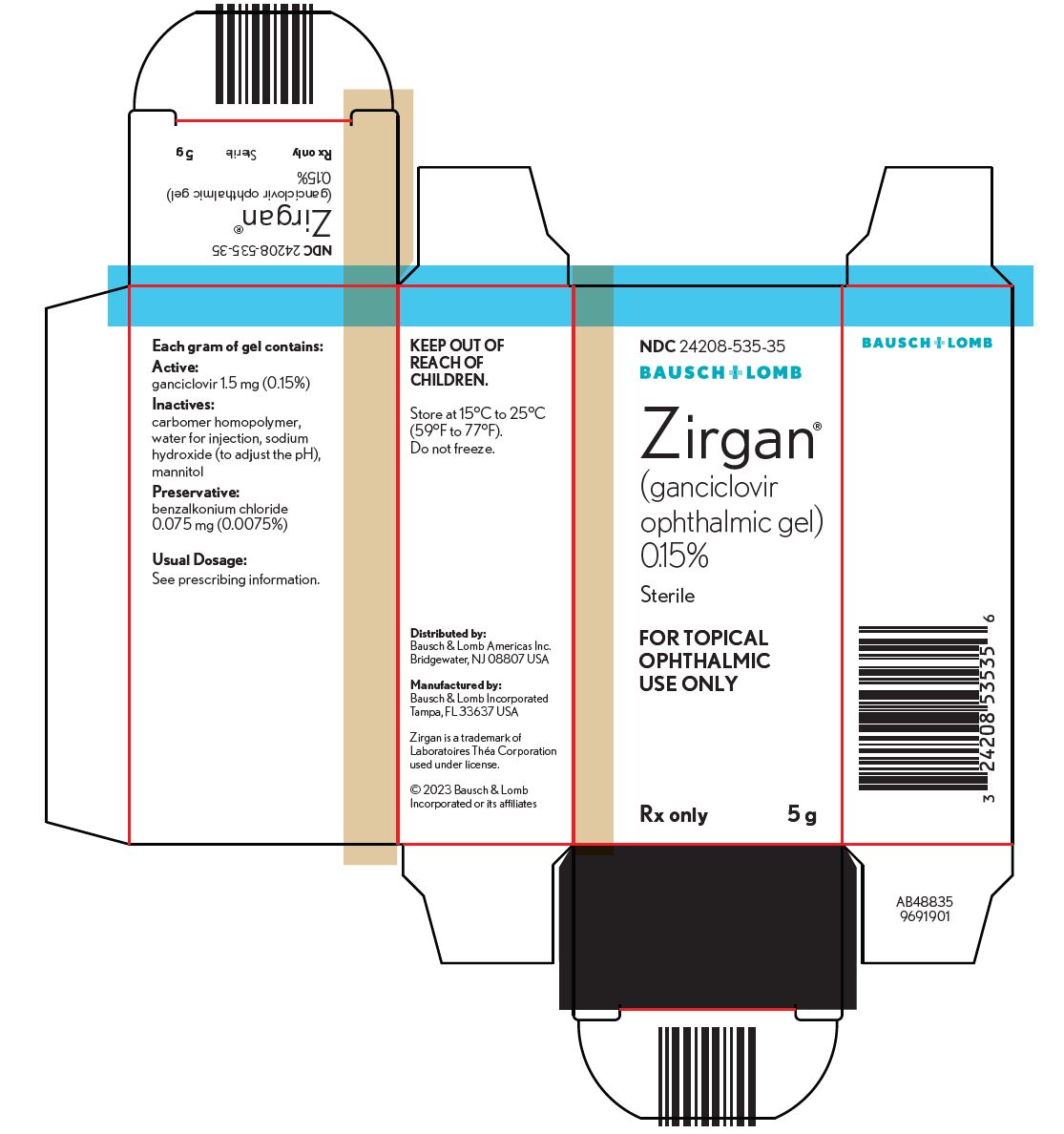
250 ML ganciclovir 2 MG/ML Injection — Nucleosides and nucleotides excl. reverse transcriptase inhibitors. INDICATIONS AND USAGE Ganciclovir for Injection, USP is a deoxynucleoside analogue cytomegalovirus (CMV) DNA polymerase inhibitor indicated for the…
Boxed warning
WARNING: HEMATOLOGIC TOXICITY, IMPAIRMENT OF FERTILITY, FETAL TOXICITY, MUTAGENESIS AND CARCINOGENESIS Hematologic Toxicity: Granulocytopenia, anemia, thrombocytopenia, and pancytopenia have been reported in patients treated with Ganciclovir Injection [see Warnings and Precautions (5.1) ]. Impairment of Fertility: Based on animal data and limited human data, Ganciclovir Injection may cause temporary or permanent inhibition of spermatogenesis in males and suppression of fertility in females [see Warnings and Precautions (5.3) ]. Fetal Toxicity: Based on animal data, Ganciclovir Injection has the potential to cause birth defects in humans [see Warnings and Precautions (5.4) ]. Mutagenesis and Carcinogenesis: Based on animal data, Ganciclovir Injection has the potential to cause cancers in humans [ see Warnings and Precautions (5.5 )]. WARNING: HEMATOLOGIC TOXICITY, IMPAIRMENT OF FERTILITY, FETAL TOXICITY, MUTAGENESIS AND CARCINOGENESISWARNING: HEMATOLOGIC TOXICITY, IMPAIRMENT OF FERTILITY, FETAL TOXICITY, MUTAGENESIS AND CARCINOGENESIS See full prescribing information for complete boxed warning. Hematologic Toxicity: Granulocytopenia, anemia, thrombocytopenia, and pancytopenia have been reported in patients treated with Ganciclovir Injection . ( 5.1 ) Impairment of Fertility: Based on animal data and limited human data, Ganciclovir Injection may cause temporary or permanent inhibition of spermatogenesis in males and suppression of fertility in females. ( 5.3 ) Fetal Toxicity: Based on animal data, Ganciclovir Injection has the potential to cause birth defects in humans. ( 5.4 ) Mutagenesis and Carcinogenesis: Based on animal data, Ganciclovir Injection has the potential to cause cancer in humans. ( 5.5 )
majorother drugs associated with myelosuppression or nephrotoxicity — potential for higher toxicity
Indications
INDICATIONS AND USAGE Ganciclovir for Injection, USP is a deoxynucleoside analogue cytomegalovirus (CMV) DNA polymerase inhibitor indicated for the: treatment of CMV retinitis in immunocompromised adult patients, including patients with acquired immunodeficiency syndrome (AIDS). ( 1.1 ) prevention of CMV disease in adult transplant recipients at risk for CMV disease. ( 1.2 ) 1.1 Treatment of CMV Retinitis Ganciclovir for Injection, USP is indicated for the treatment of cytomegalovirus (CMV) retinitis in immunocompromised adult patients, including patients with acquired immunodeficiency syndrome (AIDS) [see Clinical Studies ( 14.1 )] . 1.2 Prevention of CMV Disease in Transplant Recipients Ganciclovir for Injection, USP is indicated for the prevention of CMV disease in adult transplant recipients at risk for CMV disease [see Clinical Studies ( 14.2 )]. 1.1 Treatment of CMV Retinitis Ganciclovir for Injection, USP is indicated for the treatment of cytomegalovirus (CMV) retinitis in immunocompromised adult patients, including patients with acquired immunodeficiency syndrome (AIDS) [see Clinical Studies ( 14.1 )] . 1.2 Prevention of CMV Disease in Transplant Recipients Ganciclovir for Injection, USP is indicated for the prevention of CMV disease in adult transplant recipients at risk for CMV disease [see Clinical Studies ( 14.2 )].
Dosage
2. DOSAGE AND ADMINISTRATION Ganciclovir Injection is administered only intravenously. 2.1 Dosage in Adult Patients with Normal Renal Function Treatment of CMV retinitis ( 2.3 ) Induction: 5 mg/kg (given intravenously at a constant rate over 1 hour) every 12 hours for 14 to 21 days. Maintenance: 5 mg/kg (given intravenously at a constant rate over 1 hour) once daily for 7 days per week, or 6 mg/kg once daily for 5 days per week. Prevention of CMV disease in transplant recipients ( 2.4 ) Induction: 5 mg/kg (given intravenously at a constant rate over 1 hour) every 12 hours for 7 to 14 days. Maintenance: 5 mg/kg (given intravenously at a constant rate over 1 hour) once daily, 7 days per week, or 6 mg/kg once daily, 5 days per week until 100 to 120 days post-transplantation. Adults with renal impairment: Adjust dosage based on creatinine clearance. ( 2.5 ) 2.1 Important Dosing and Administration Information To avoid phlebitis/pain at the infusion site, Ganciclovir Injection must only be administered by intravenous infusion over 1 hour, preferably via plastic cannula, into a vein with adequate blood flow to permit rapid dilution and distribution. only be administered by intravenous infusion over 1 hour, preferably via plastic cannula, into a vein with adequate blood flow to permit rapid dilution and distribution. Do not administer Ganciclovir Injection by rapid or bolus intravenous injection which may increase toxicity as a result of excessive plasma levels. The recommended dosage and infusion rate for Ganciclovir Injection should not be exceeded. Do not administer the reconstituted Ganciclovir Injection solution intramuscularly or subcutaneously because it may result in severe tissue irritation due to high pH [see Description (11) ] . Administration of Ganciclovir Injection should be accompanied by adequate hydration. Parenteral drug products should be inspected visually for particulate matter and discoloration prior to administration, whenever solution and container permit. 2.2 Testing Before and During Treatment Females of reproductive potential should undergo pregnancy testing before initiation of treatment with Ganciclovir Injection [see Warnings and Precautions (5.4) , Use in Specific Populations (8.1 , 8.3 )]. Complete blood counts with differential and platelet counts should be performed frequently, especially in patients in whom Ganciclovir Injection or other nucleoside analogues have previously resulted in cytopenias, or in whom absolute neutrophil counts are less than 1000 cells/mcL at the beginning of treatment [see Warnings and Precautions (5.1) ] .[see Warnings and Precautions (5.1) ] . All patients should be monitored for renal function before and during treatment with Ganciclovir Injection and dose should be adjusted as needed [see Dosage and Administration (2.5) , Warnings and Precautions (5.2) ]. Patients with CMV retinitis should have frequent ophthalmological examinations during treatment with Ganciclovir Injection solution to monitor disease status and for other retinal abnormalities [see Adverse Reactions (6.1) ]. 2.3 Recommended Dosage for Treatment of CMV Retinitis in Adult Patients with Normal Renal Function The recommended initial dosage of Ganciclovir Injection Induction Dosage: The recommended initial dosage of Ganciclovir Injection for patients with normal renal function is 5 mg/kg (given intravenously at a constant rate over 1 hour) every 12 hours for 14 to 21 days. Following induction treatment, the recommended maintenance dosage of Ganciclovir Injection Maintenance Dosage: Following induction treatment, the recommended maintenance dosage of Ganciclovir Injection is 5 mg/kg (given intravenously at a constant rate over 1 hour) once daily for 7 days per week, or 6 mg/kg once daily for 5 days per week. 2.4 Recommended Dosage for the Prevention of CMV Disease in Adult Transplant Recipients with Normal Renal Function The recommended initial dosage of Ganciclovir Injection Induction Dosage: The recommended initial dosage of Ganciclovir Injection for patients with normal renal function is 5 mg/kg (given intravenously at a constant rate over 1 hour) every 12 hours for 7 to 14 days. Following induction, the recommended maintenance dosage of Ganciclovir Injection Maintenance Dosage: Following induction, the recommended maintenance dosage of Ganciclovir Injection is 5 mg/kg (given intravenously at a constant rate over 1 hour) once daily for 7 days per week, or 6 mg/kg once daily for 5 days per week until 100 to 120 days post-transplantation. 2.5 Recommended Dosage in Adult Patients with Renal Impairment For patients with impairment of renal function, refer to Table 1 for recommended doses of Ganciclovir Injection For patients with impairment of renal function, refer to Table 1 for recommended doses of Ganciclovir Injection for induction and maintenance dosage for treatment of CMV retinitis and prevention of CMV disease in transplant recipients. Carefully monitor serum creatinine or creatinine clearance before and during treatment to allow for dosage adjustments in patients with impaired renal function. Table 1. Recommended Induction and Maintenance Dosage for Adult Patients with Renal Impairment Creatinine Clearance Creatinine clearance can be related to serum creatinine by the formulas given below. (mL/min) Ganciclovir Injection Induction Dose (mg/kg) Dosing Interval (hours) for Induction Ganciclovir Injection Maintenance Dose (mg/kg) Dosing Interval (hours) for Maintenance Greater than or equal to 70 5 12 5 24 5069 2.5 12 2.5 24 2549 2.5 24 1.25 24 1024 1.25 24 0.625 24 Less than 10 1.25 3 times per week, following hemodialysis 0.625 3 times per week, following hemodialysis Creatinine clearance for males = (140 - age [yrs]) (body wt [kg]) (72) (serum creatinine [mg/dL]) Creatinine clearance for females = 0.85 × male valueCreatinine clearance for females = 0.85 × male value Patients Undergoing Hemodialysis Induction dosing for Ganciclovir Injection in patients undergoing hemodialysis should not exceed 1.25 mg/kg 3 times per week; and maintenance dosing should not exceed 0.625 mg/kg 3 times per week following each hemodialysis session. Ganciclovir Injection should be given shortly after completion of the hemodialysis session, since hemodialysis has been shown to reduce plasma levels by approximately 50% [see Clinical Pharmacology (12.3) ] . 2.6 Preparation of Ganciclovir Injection Ganciclovir Injection solution Ganciclovir Injection solution must be diluted under the supervision of a healthcare provider and administered as intravenous infusion. Each 10 mL clear glass vial contains 543 mg ganciclovir sodium equivalent to 500 mg of ganciclovir. Wearing disposable gloves is recommended during reconstitution and when wiping the outer surface of the vial and the table after reconstitution. The contents of the vial should be prepared for administration in the following manner: Sterile Solution of Ganciclovir Injection Instructions: a) Shake the vial b) Visually inspect the solution for particulate matter and discoloration prior to proceeding with infusion. Discard the vial if particulate matter or discoloration is observed.b) Visually inspect the solution for particulate matter and discoloration prior to proceeding with infusion. Discard the vial if particulate matter or discoloration is observed. Infusion Instructions: a) Based on patient weight, the appropriate volume of the solution (ganciclovir concentration 50 mg/mL) should be removed from the vial and added to an acceptable infusion fluid (typically 100 mL) for delivery over the course of 1 hour. Infusion concentrations greater than 10 mg/mL are not recommended. The following infusion fluids have been determined to be chemically and physically compatible with Ganciclovir Injection: 0.9% Sodium Chloride, 5% Dextrose, Ringer's Injection and Lactated Ringer's Injection, USP. a) Based on patient weight, the appropriate volume of the solution (ganciclovir concentration 50 mg/mL) should b
Warnings
WARNINGS AND PRECAUTIONS Renal Impairment: Increased serum creatinine levels have been observed with the use of ganciclovir, particularly in elderly patients and transplant recipients receiving concomitant nephrotoxic drugs. Monitor renal function during therapy with ganciclovir, particularly in elderly patients and in patients taking other nephrotoxic drugs, and reduce dosage in patients with renal impairment. ( 5.2 ) 5.1 Hematologic Toxicity Granulocytopenia (neutropenia), anemia, thrombocytopenia and pancytopenia have been observed in patients treated with ganciclovir. The frequency and severity of these events vary widely in different patient populations [see Adverse Reactions ( 6.1 )] . Ganciclovir is not recommended if the absolute neutrophil count is less than 500 cells/mL, hemoglobin is less than 8 g/dL, or the platelet count is less than 25,000 cells/mL. Ganciclovir should also be used with caution in patients with pre-existing cytopenias and in patients receiving myelosuppressive drugs or irradiation. Granulocytopenia (neutropenia) usually occurs during the first or second week of treatment but may occur at any time during treatment. Cell counts usually begin to recover within 3 to 7 days after discontinuing drug. Colony-stimulating factors have been shown to increase neutrophil and white blood cell counts in patients receiving ganciclovir solution for treatment of CMV retinitis. Due to the frequency of neutropenia, anemia and thrombocytopenia in patients receiving ganciclovir [see Adverse Reactions ( 6.1 )] , complete blood counts with differential and platelet counts should be performed frequently in all patients, especially in patients with renal impairment and in patients in whom ganciclovir or other nucleoside analogues have previously resulted in leukopenia, or in whom neutrophil counts are less than 1000 cells/mL at the beginning of treatment [see Dosage and Administration ( 2.2 )] . 5.2 Renal Impairment Ganciclovir should be used with caution in patients with impaired renal function because the half-life and plasma/serum concentrations of ganciclovir will be increased due to reduced renal clearance. If renal function is impaired, dosage adjustments are recommended [see Dosage and Administration ( 2.5 ), Use in Specific Populations ( 8.5 , 8.6 )] . Increased serum creatinine levels have been reported in elderly patients and in transplant recipients receiving concomitant nephrotoxic medications (i.e., cyclosporine and amphotericin B). Monitoring renal function during therapy with ganciclovir is essential, especially for elderly patients and those patients receiving concomitant agents that may cause nephrotoxicity [see Dosage and Administration ( 2.5 ), Drug Interactions ( 7 ), Use in Specific Populations ( 8.5 ] . 5.3 Impairment of Fertility Based on animal data and limited human data, ganciclovir at the recommended human dose (RHD) may cause temporary or permanent inhibition of spermatogenesis in males, and may cause suppression of fertility in females. Advise patients that fertility may be impaired with the use of ganciclovir [see Use in Specific Populations ( 8.1 , 8.3 ), Nonclinical Toxicology ( 13.1 )]. 5.4 Fetal Toxicity Ganciclovir may cause fetal toxicity when administered to pregnant women based on findings in animal studies. Systemic exposure of ganciclovir in animals at approximately 2 times the RHD caused fetal growth retardation, embryolethality, teratogenicity, and/or maternal toxicity. Teratogenic changes in animals included cleft palate, anophthalmia/microphthalmia, aplastic organs (kidney and pancreas), hydrocephaly and brachygnathia. Women of childbearing potential should be advised to use effective contraception during treatment and for at least 30 days following treatment with ganciclovir. Similarly, men should be advised to practice barrier contraception during and for at least 90 days following treatment with ganciclovir [see Use in Specific Populations ( 8.1 , 8.3 ), Nonclinical Toxicology ( 13.1 )]. 5.5 Mutagenesis and Carcinogenesis Animal data indicate that ganciclovir is mutagenic and carcinogenic. Ganciclovir should therefore be considered a potential carcinogen in humans [see Dosage and Administration ( 2.7 ), Nonclinical Toxicology ( 13.1 )] . 5.1 Hematologic Toxicity Granulocytopenia (neutropenia), anemia, thrombocytopenia and pancytopenia have been observed in patients treated with ganciclovir. The frequency and severity of these events vary widely in different patient populations [see Adverse Reactions ( 6.1 )] . Ganciclovir is not recommended if the absolute neutrophil count is less than 500 cells/mL, hemoglobin is less than 8 g/dL, or the platelet count is less than 25,000 cells/mL. Ganciclovir should also be used with caution in patients with pre-existing cytopenias and in patients receiving myelosuppressive drugs or irradiation. Granulocytopenia (neutropenia) usually occurs during the first or second week of treatment but may occur at any time during treatment. Cell counts usually begin to recover within 3 to 7 days after discontinuing drug. Colony-stimulating factors have been shown to increase neutrophil and white blood cell counts in patients receiving ganciclovir solution for treatment of CMV retinitis. Due to the frequency of neutropenia, anemia and thrombocytopenia in patients receiving ganciclovir [see Adverse Reactions ( 6.1 )] , complete blood counts with differential and platelet counts should be performed frequently in all patients, especially in patients with renal impairment and in patients in whom ganciclovir or other nucleoside analogues have previously resulted in leukopenia, or in whom neutrophil counts are less than 1000 cells/mL at the beginning of treatment [see Dosage and Administration ( 2.2 )] . 5.2 Renal Impairment Ganciclovir should be used with caution in patients with impaired renal function because the half-life and plasma/serum concentrations of ganciclovir will be increased due to reduced renal clearance. If renal function is impaired, dosage adjustments are recommended [see Dosage and Administration ( 2.5 ), Use in Specific Populations ( 8.5 , 8.6 )] . Increased serum creatinine levels have been reported in elderly patients and in transplant recipients receiving concomitant nephrotoxic medications (i.e., cyclosporine and amphotericin B). Monitoring renal function during therapy with ganciclovir is essential, especially for elderly patients and those patients receiving concomitant agents that may cause nephrotoxicity [see Dosage and Administration ( 2.5 ), Drug Interactions ( 7 ), Use in Specific Populations ( 8.5 ] . 5.3 Impairment of Fertility Based on animal data and limited human data, ganciclovir at the recommended human dose (RHD) may cause temporary or permanent inhibition of spermatogenesis in males, and may cause suppression of fertility in females. Advise patients that fertility may be impaired with the use of ganciclovir [see Use in Specific Populations ( 8.1 , 8.3 ), Nonclinical Toxicology ( 13.1 )]. 5.4 Fetal Toxicity Ganciclovir may cause fetal toxicity when administered to pregnant women based on findings in animal studies. Systemic exposure of ganciclovir in animals at approximately 2 times the RHD caused fetal growth retardation, embryolethality, teratogenicity, and/or maternal toxicity. Teratogenic changes in animals included cleft palate, anophthalmia/microphthalmia, aplastic organs (kidney and pancreas), hydrocephaly and brachygnathia. Women of childbearing potential should be advised to use effective contraception during treatment and for at least 30 days following treatment with ganciclovir. Similarly, men should be advised to practice barrier contraception during and for at least 90 days following treatment with ganciclovir [see Use in Specific Populations ( 8.1 , 8.3 ), Nonclinical Toxicology ( 13.1 )]. 5.5 Mutagenesis and Carcinogenesis Animal data indicate that ganciclovir is mutagenic and carcinogenic. Ganciclovir should therefore be consid
Contraindications
CONTRAINDICATIONS Ganciclovir Injection Ganciclovir Injection is contraindicated in patients who have experienced a clinically significant hypersensitivity reaction (e.g., anaphylaxis) to ganciclovir, valganciclovir, or any component of the formulation. Hypersensitivity to ganciclovir or valganciclovir. ( 4 )
Mechanism of action
Mechanism of Action Ganciclovir is an antiviral drug with activity against CMV [see Microbiology (12.4) ] . Mechanism of Action Ganciclovir is a synthetic analogue of 2'-deoxyguanosine, which inhibits replication of human CMV in cell culture and in vivo . In CMV-infected cells, ganciclovir is initially phosphorylated to ganciclovir monophosphate by the viral protein kinase, pUL97. Further phosphorylation occurs by cellular kinases to produce ganciclovir triphosphate, which is then slowly metabolized intracellularly. As the phosphorylation is largely dependent on the viral kinase, phosphorylation of ganciclovir occurs preferentially in virus-infected cells. The virustatic activity of ganciclovir is due to inhibition of the viral DNA polymerase, pUL54, by ganciclovir triphosphate.
A drug lookup is just the start. Eleplan keeps the whole care plan in one place.
Medications, diagnoses, documents, appointments, and the whole care team — organized and always in sync, with Ellie, your AI care assistant, on top of it. Free to start.