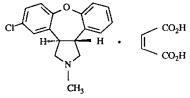
24 HR asenapine 0.158 MG/HR Transdermal System — Diazepines, oxazepines, thiazepines and oxepines. INDICATIONS AND USAGE Asenapine sublingual tablets are indicated for: Schizophrenia in adults [see Clinical Studies (14.1) ] Bipolar I disorder [see…
Boxed warning
WARNING: INCREASED MORTALITY IN ELDERLY PATIENTS WITH DEMENTIA-RELATED PSYCHOSIS Elderly patients with dementia-related psychosis treated with antipsychotic drugs are at an increased risk of death. Asenapine sublingual tablets are not approved for the treatment of patients with dementia-related psychosis [see Warnings and Precautions (5.1 , 5.2 )]. WARNING: INCREASED MORTALITY IN ELDERLY PATIENTS WITH DEMENTIA-RELATED PSYCHOSIS See full prescribing information for complete boxed warning. Elderly patients with dementia-related psychosis treated with antipsychotic drugs are at an increased risk of death. Asenapine sublingual tablets are not approved for the treatment of patients with dementia-related psychosis. ( 5.1 , 5.2 )
Drug Ineffective911Sedation703Suicide Attempt663Inappropriate Schedule of Drug Administration564Weight Increased564Dyskinesia531Dystonia520Blood Glucose Increased482
Indications
INDICATIONS AND USAGE Asenapine sublingual tablets are indicated for: Schizophrenia in adults [see Clinical Studies (14.1) ] Bipolar I disorder [see Clinical Studies (14.2) ] Acute monotherapy of manic or mixed episodes, in adults and pediatric patients 10 to 17 years of age Adjunctive treatment to lithium or valproate in adults Maintenance monotherapy treatment in adults Asenapine sublingual tablets are an atypical antipsychotic indicated for ( 1 ): Schizophrenia in adults Bipolar I disorder Acute monotherapy treatment of manic or mixed episodes, in adults and pediatric patients 10 to 17 years of age Adjunctive treatment to lithium or valproate in adults Maintenance monotherapy treatment in adults
Dosage
DOSAGE AND ADMINISTRATION Starting Dose Recommended Dose Maximum Dose Schizophrenia – acute treatment in adults ( 2.2 ) 5 mg sublingually twice daily 5 mg sublingually twice daily 10 mg sublingually twice daily Schizophrenia – maintenance treatment in adults ( 2.2 ) 5 mg sublingually twice daily 5-10 mg sublingually twice daily 10 mg sublingually twice daily Bipolar mania-adults: acute and maintenance monotherapy ( 2.3 ) 5-10 mg sublingually twice daily 5-10 mg sublingually twice daily 10 mg sublingually twice daily Bipolar mania – pediatric patients (10 to 17 years): monotherapy ( 2.3 ) 2.5 mg sublingually twice daily 2.5-10 mg sublingually twice daily 10 mg sublingually twice daily Bipolar mania – adults: as an adjunct to lithium or valproate ( 2.3 ) 5 mg sublingually twice daily 5-10 mg sublingually twice daily 10 mg sublingually twice daily Do not swallow tablet. Asenapine sublingual tablets should be placed under the tongue and left to dissolve completely. The tablet will dissolve in saliva within seconds. Eating and drinking should be avoided for 10 minutes after administration. ( 2.1 , 17 ) 2.1 Administration Instructions Asenapine is a sublingual tablet. To ensure optimal absorption, patients should be instructed to place the tablet under the tongue and allow it to dissolve completely. The tablet will dissolve in saliva within seconds. Asenapine sublingual tablets should not be split, crushed, chewed, or swallowed [see Clinical Pharmacology (12.3) ]. Patients should be instructed to not eat or drink for 10 minutes after administration [see Clinical Pharmacology (12.3 )]. 2.2 Schizophrenia The recommended dose of asenapine sublingual tablets is 5 mg given twice daily. In short-term controlled trials, there was no suggestion of added benefit with a 10 mg twice daily dose, but there was a clear increase in certain adverse reactions. If tolerated, daily dosage can be increased to 10 mg twice daily after one week. The safety of doses above 10 mg twice daily has not been evaluated in clinical studies [see Clinical Studies (14.1 )]. 2.3 Bipolar I Disorder Acute Treatment of Manic or Mixed Episodes: Monotherapy in Adults: The recommended starting and treatment dose of asenapine sublingual tablets is 5 mg to 10 mg twice daily. The safety of doses above 10 mg twice daily has not been evaluated in clinical trials [see Clinical Studies (14.2) ]. Monotherapy in Pediatric Patients: The recommended dose of asenapine sublingual tablets are 2.5 mg to 10 mg twice daily in pediatric patients 10 to 17 years of age, and dose may be adjusted for individual response and tolerability. The starting dose of asenapine sublingual tablets is 2.5 mg twice daily. After 3 days, the dose can be increased to 5 mg twice daily, and from 5 mg to 10 mg twice daily after 3 additional days. Pediatric patients aged 10 to 17 years appear to be more sensitive to dystonia with initial dosing with asenapine sublingual tablets when the recommended escalation schedule is not followed [see Use in Specific Populations (8.4) ]. The safety of doses greater than 10 mg twice daily has not been evaluated in clinical trials [see Use in Specific Populations (8.4) and Clinical Pharmacology (12.3) ]. Adjunctive Therapy in Adults: The recommended starting dose of asenapine sublingual tablets is 5 mg twice daily when administered as adjunctive therapy with either lithium or valproate. Depending on the clinical response and tolerability in the individual patient, the dose can be increased to 10 mg twice daily. The safety of doses above 10 mg twice daily as adjunctive therapy with lithium or valproate has not been evaluated in clinical trials. For patients on asenapine sublingual tablets, whether used as monotherapy or as adjunctive therapy with lithium or valproate, it is generally recommended that responding patients continue treatment beyond the acute episode. Maintenance Treatment of Bipolar I Disorder: Monotherapy in Adults: Continue on the asenapine sublingual tablets dose that the patient received during stabilization (5 mg to 10 mg twice daily). Depending on the clinical response and tolerability in the individual patient, a dose of 10 mg twice daily can be decreased to 5 mg twice daily. The safety of doses above 10 mg twice daily has not been evaluated in clinical trials [see Clinical Studies (14.2) ].
Warnings
WARNINGS AND PRECAUTIONS • Cerebrovascular Adverse Reactions in Elderly Patients with Dementia-Related Psychosis: Increased incidence of cerebrovascular adverse reactions (e.g., stroke, transient ischemic attack). ( 5.2 ) • Neuroleptic Malignant Syndrome: Manage with immediate discontinuation and close monitoring. ( 5.3 ) • Tardive Dyskinesia: Discontinue if clinically appropriate. ( 5.4 ) • Metabolic Changes: Monitor for hyperglycemia/diabetes mellitus, dyslipidemia, and weight gain. ( 5.5 ) • Orthostatic Hypotension: Monitor heart rate and blood pressure and warn patients with known cardiovascular or cerebrovascular disease, and risk of dehydration or syncope. ( 5.7 ) • Leukopenia, Neutropenia, and Agranulocytosis: Perform complete blood counts (CBC) in patients with pre-existing low white blood cell count (WBC) or history of leukopenia or neutropenia. Consider discontinuing asenapine if a clinically significant decline in WBC occurs in absence of other causative factors. ( 5.9 ) • QT Prolongation: Increases in QT interval; avoid use with drugs that also increase the QT interval and in patients with risk factors for prolonged QT interval. ( 5.10 ) • Seizures: Use cautiously in patients with a history of seizures or with conditions that lower the seizure threshold. ( 5.12 ) • Potential for Cognitive and Motor Impairment: Use caution when operating machinery. ( 5.13 ) 5.1 Increased Mortality in Elderly Patients with Dementia-Related Psychosis Elderly patients with dementia-related psychosis treated with antipsychotic drugs are at an increased risk of death. Analyses of 17 placebo-controlled trials (modal duration of 10 weeks), largely in patients taking atypical antipsychotic drugs, revealed a risk of death in drug-treated patients of between 1.6 to 1.7 times the risk of death in placebo-treated patients. Over the course of a typical 10-week controlled trial, the rate of death in drug-treated patients was about 4.5%, compared to a rate of about 2.6% in the placebo group. Although the causes of death were varied, most of the deaths appeared to be either cardiovascular (e.g., heart failure, sudden death) or infectious (e.g., pneumonia) in nature. Asenapine is not approved for the treatment of patients with dementia-related psychosis [see Boxed Warning and Warnings and Precautions (5.2)]. 5.2 Cerebrovascular Adverse Events, Including Stroke, In Elderly Patients with Dementia-Related Psychosis In placebo-controlled trials in elderly subjects with dementia, patients randomized to risperidone, aripiprazole, and olanzapine had a higher incidence of stroke and transient ischemic attack, including fatal stroke. Asenapine is not approved for the treatment of patients with dementia-related psychosis [see Boxed Warning and Warnings and Precautions (5.1)]. 5.3 Neuroleptic Malignant Syndrome A potentially fatal symptom complex sometimes referred to as Neuroleptic Malignant Syndrome (NMS) has been reported in association with administration of antipsychotic drugs. Clinical manifestations of NMS are hyperpyrexia, muscle rigidity, delirium, and autonomic instability. Additional signs may include elevated creatine phosphokinase, myoglobinuria (rhabdomyolysis), and acute renal failure. If NMS is suspected, immediately discontinue asenapine and provide intensive symptomatic treatment and monitoring. 5.4 Tardive Dyskinesia Tardive dyskinesia, a syndrome consisting of potentially irreversible, involuntary, dyskinetic movements, may develop in patients treated with antipsychotic drugs, including asenapine. The risk appears to be highest among the elderly, especially elderly women, but it is not possible to predict which patients are likely to develop the syndrome. Whether antipsychotic drug products differ in their potential to cause tardive dyskinesia is unknown. The risk of tardive dyskinesia and the likelihood that it will become irreversible increase with the duration of treatment and the cumulative dose. The syndrome can develop after a relatively brief treatment period, even at low doses. It may also occur after discontinuation of treatment. There is no known treatment for tardive dyskinesia, although the syndrome may remit, partially or completely, if antipsychotic treatment is discontinued. Antipsychotic treatment, itself, however, may suppress (or partially suppress) the signs and symptoms of the syndrome, possibly masking the underlying process. The effect that symptomatic suppression has upon the long-term course of tardive dyskinesia is unknown. Given these considerations, asenapine should be prescribed in a manner most likely to reduce the risk of tardive dyskinesia. Chronic antipsychotic treatment should generally be reserved for patients: 1) who suffer from a chronic illness that is known to respond to antipsychotic drugs; and 2) for whom alternative, effective, but potentially less harmful treatments are not available or appropriate. In patients who do require chronic treatment, use the lowest dose and the shortest duration of treatment producing a satisfactory clinical response should be sought. Periodically reassess the need for continued treatment. If signs and symptoms of TD appear in a patient on asenapine, drug discontinuation should be considered. However, some patients may require treatment with asenapine despite the presence of the syndrome. 5.5 Metabolic Changes Atypical antipsychotic drugs, including asenapine, have caused metabolic changes, including hyperglycemia, diabetes mellitus, dyslipidemia, and body weight gain. Although all of the drugs in the class to date have been shown to produce some metabolic changes, each drug has its own specific risk profile. Hyperglycemia and Diabetes Mellitus Hyperglycemia, in some cases extreme and associated with ketoacidosis or hyperosmolar coma or death, has been reported in patients treated with atypical antipsychotics. There have been reports of hyperglycemia in patients treated with asenapine. Assess fasting plasma glucose before or soon after initiation of antipsychotic medication, and monitor periodically during long-term treatment. Adult Patients: Pooled data from the short-term placebo-controlled bipolar mania trials are presented in Table 1. Table 1 : Changes in Fasting Glucose in Adult Patients Bipolar I Disorder (3-weeks) Placebo Asenapine 5 mg twice daily 10 mg twice daily 5 mg or 10 mg twice daily † Mean Change from Baseline in Fasting Glucose at Endpoint Change from Baseline (mg/dL) (N * ) 0 (174) 4.1 (84) 3.5 (81) 1.7 (321) Proportion of Patients with Shifts from Baseline to Endpoint Normal to High <100 to ≥126 mg/dL (n/N ** ) 2.4% (3/126) 0% (0/53) 1.7% (1/60) 1.8% (4/224) Borderline to High ≥100 and <126 to ≥126 mg/dL (n/N ** ) 0% (0/39) 12.5% (3/24) 15.8% (3/19) 12.8% (10/78) N * = Number of patients who had assessments at both Baseline and Endpoint. N ** = Number of patients at risk at Baseline with assessments at both Baseline and Endpoint. † Includes patients treated with flexible dose of asenapine 5 mg or 10 mg twice daily (N=379). In a 52-week, double-blind, comparator-controlled trial, the mean increase from baseline of fasting glucose was 2.4 mg/dL. Pediatric Patients: Data from the short-term, placebo-controlled trial in pediatric patients with bipolar I disorder are shown in Table 2 . Table 2 : Changes in Fasting Glucose in Pediatric Subjects Bipolar I Disorder (3-weeks) Placebo Asenapine2.5 mg twice daily Asenapine5 mg twice daily Asenapine10 mg twice daily Mean Change from Baseline in Fasting Glucose at Endpoint Change from Baseline (mg/dL) (N * ) -2.24 (56) 1.43 (51) -0.45 (57) 0.34 (52) Proportion of Subjects with Shifts from Baseline to Endpoint Normal to High >45 & <100 to ≥126 mg/dL 0% 0% 1.8% 0% (n/N * ) (0/56) (0/51) (1/57) (0/52) N * = Number of subjects who had assessments at both Baseline and Endpoint Dyslipidemia Atypical antipsychotics cause adverse alterations in lipids. Before or soon after initiation of antipsychotic medication, obtain a fasting lipid profile at
Contraindications
CONTRAINDICATIONS SECUADO is contraindicated in patients with: Severe hepatic impairment (Child-Pugh C) [see Specific Populations (8.7) , Clinical Pharmacology (12.3) ] . A history of hypersensitivity reactions to asenapine or any components of the transdermal system. Reactions with asenapine have included anaphylaxis, angioedema, hypotension, tachycardia, swollen tongue, dyspnea, wheezing and rash [see Warnings and Precautions (5.6) , Adverse Reactions (6) ]. Severe hepatic impairment (Child-Pugh C). ( 8.7 , 12.3 ) Known hypersensitivity to SECUADO or to any components in the transdermal system. ( 4 , 5.6 , 17 )
Mechanism of action
CLINICAL PHARMACOLOGY 12.1 Mechanism of Action The mechanism of action of asenapine, in bipolar disorder, is unknown. 12.2 Pharmacodynamics Asenapine exhibits high affinity for serotonin 5-HT 1A , 5-HT 1B , 5-HT 2A , 5-HT 2B , 5-HT 2C , 5-HT 5A , 5-HT 6 , and 5-HT 7 receptors (Ki values of 2.5, 2.7, 0.07, 0.18, 0.03, 1.6, 0.25, and 0.11 nM, respectively), dopamine D 2A , D 2B , D 3 , D 4 , and D 1 receptors (Ki values of 1.3, 1.4, 0.42, 1.1, and 1.4 nM, respectively), α 1A , α 2A , α 2B , and α 2C -adrenergic receptors (Ki values of 1.2, 1.2, 0.33 and 1.2 nM, respectively), and histamine H 1 receptors (Ki value 1.0 nM), and moderate affinity for H 2 receptors (Ki value of 6.2 nM). In in vitro assays asenapine acts as an antagonist at these receptors. Asenapine has no appreciable affinity for muscarinic cholinergic receptors (e.g., Ki value of 8128 nM for M 1 ). 12.3 Pharmacokinetics Following a single 5 mg dose of asenapine, the mean C max was approximately 4 ng/mL and was observed at a mean t max of 1 hour. Elimination of asenapine is primarily through direct glucuronidation by UGT1A4 and oxidative metabolism by cytochrome P450 isoenzymes (predominantly CYP1A2). Following an initial more rapid distribution phase, the mean terminal half-life is approximately 24 hrs. With multiple-dose twice-daily dosing, steady-state is attained within 3 days. Overall, steady-state asenapine pharmacokinetics are similar to single-dose pharmacokinetics. Absorption : Following sublingual administration, asenapine is rapidly absorbed with peak plasma concentrations occurring within 0.5 to 1.5 hours. The absolute bioavailability of sublingual asenapine at 5 mg is 35%. Increasing the dose from 5 mg to 10 mg twice daily (a two-fold increase) results in less than linear (1.7 times) increases in both the extent of exposure and maximum concentration. The absolute bioavailability of asenapine when swallowed is low (<2% with an oral tablet formulation). The intake of water several (2 or 5) minutes after asenapine administration resulted in decreased asenapine exposure. Therefore, eating and drinking should be avoided for 10 minutes after administration [see Dosage and Administration ( 2.1 )] . Distribution : Asenapine is rapidly distributed and has a large volume of distribution (approximately 20 - 25 L/kg), indicating extensive extravascular distribution. Asenapine is highly bound (95%) to plasma proteins, including albumin and α 1 -acid glycoprotein. Metabolism and Elimination : Direct glucuronidation by UGT1A4 and oxidative metabolism by cytochrome P450 isoenzymes (predominantly CYP1A2) are the primary metabolic pathways for asenapine. Asenapine is a high clearance drug with a clearance after intravenous administration of 52 L/h. In this circumstance, hepatic clearance is influenced primarily by changes in liver blood flow rather than by changes in the intrinsic clearance, i.e., the metabolizing enzymatic activity. Following an initial more rapid distribution phase, the terminal half-life of asenapine is approximately 24 hours. Steady-state concentrations of asenapine are reached within 3 days of twice daily dosing. After administration of a single dose of [ 14 C]-labeled asenapine, about 90% of the dose was recovered; approximately 50% was recovered in urine, and 40% recovered in feces. About 50% of the circulating species in plasma have been identified. The predominant species was asenapine N + -glucuronide; others included N-desmethylasenapine, N-desmethylasenapine N-carbamoyl glucuronide, and unchanged asenapine in smaller amounts. Asenapine activity is primarily due to the parent drug. In vitro studies indicate that asenapine is a substrate for UGT1A4, CYP1A2 and to a lesser extent CYP3A4 and CYP2D6. Asenapine is a weak inhibitor of CYP2D6. Asenapine does not cause induction of CYP1A2 or CYP3A4 activities in cultured human hepatocytes. Coadministration of asenapine with known inhibitors, inducers or substrates of these metabolic pathways has been studied in a number of drug-drug interaction studies [see Drug Interactions ( 7.1 )]. Food: A crossover study in 26 healthy adult male subjects was performed to evaluate the effect of food on the pharmacokinetics of a single 5 mg dose of asenapine. Consumption of food immediately prior to sublingual administration decreased asenapine exposure by 20%; consumption of food 4 hours after sublingual administration decreased asenapine exposure by about 10%. These effects are probably due to increased hepatic blood flow. In clinical trials establishing the efficacy and safety of asenapine, patients were instructed to avoid eating for 10 minutes following sublingual dosing. There were no other restrictions with regard to the timing of meals in these trials [see Dosage and Administration ( 2.1 )]. Water: In clinical trials establishing the efficacy and safety of asenapine, patients were instructed to avoid drinking for 10 minutes following sublingual dosing. The effect of water administration following 10 mg sublingual asenapine dosing was studied at different time points of 2, 5, 10, and 30 minutes in 15 healthy adult male subjects. The exposure of asenapine following administration of water 10 minutes after sublingual dosing was equivalent to that when water was administered 30 minutes after dosing. Reduced exposure to asenapine was observed following water administration at 2 minutes (19% decrease) and 5 minutes (10% decrease) [see Dosage and Administration ( 2.1 )]. Drug Interaction Studies: Effects of other drugs on the exposure of asenapine are summarized in Figure 1. In addition, a population pharmacokinetic analysis indicated that the concomitant administration of lithium had no effect on the pharmacokinetics of asenapine. Figure 1: Effect of Other Drugs on Asenapine Pharmacokinetics *: When a low dose of 25 mg twice daily fluvoxamine was co-administered with asenapine, a 29% increase in asenapine exposure was observed. Concomitant use of a therapeutic dose of fluvoxamine may cause greater increases in asenapine exposure. The effects of asenapine on the pharmacokinetics of other co-administered drugs are summarized in Figure 2. Coadministration of paroxetine with asenapine caused a two-fold increase in the maximum plasma concentrations and systemic exposure of paroxetine. Asenapine enhances the inhibitory effects of paroxetine on its own metabolism by CYP2D6. Figure 2: Effect of Asenapine on Other Drug Pharmacokinetics *: Asenapine may enhance the inhibitory effects of paroxetine on its own metabolism. **: In vivo, Asenapine appears to be at most a weak inhibitor of CYP2D6. Following coadministration of dextromethorphan and asenapine in healthy subjects, the ratio of dextrorphan/dextromethorphan (DX/DM) as a marker of CYP2D6 activity was measured. Indicative of CYP2D6 inhibition, treatment with asenapine 5 mg twice daily decreased the DX/DM ratio of 0.43. In the same study, treatment with paroxetine 20 mg daily decreased the DX/DM ratio to 0.032. In a separate study, coadministration of a single 75 mg dose of imipramine with a single 5 mg dose of asenapine did not affect the plasma concentrations of the metabolite dispiramine (a CYP2D6 substrate). Studies in Special Populations: Exposures of asenapine in special populations are summarized in Figure 3. Additionally, based on population pharmacokinetic analysis, no effects of sex, race, BMI, and smoking status on asenapine exposure were observed. Exposure in elderly patients is 30-40% higher as compared to adults. Figure 3: Effect of Intrinsic Factors on Asenapine Pharmacokinetics *: Results are based on a cross-trial comparison. The data shown for renal and hepatic impairment are relative to subjects with normal renal and hepatic function, respectively. The data shown for smoker are relative to non-smoker. The data shown for Japanese are relative to Caucasian. asp-2 asp-3 asp-4
A drug lookup is just the start. Eleplan keeps the whole care plan in one place.
Medications, diagnoses, documents, appointments, and the whole care team — organized and always in sync, with Ellie, your AI care assistant, on top of it. Free to start.