2 ML digoxin 0.25 MG/ML Injection
Managing this medication for someone you care for? Eleplan keeps diagnoses, medications and appointments in one plan.
Start free with EleplanClinical drug
2 ML digoxin 0.25 MG/ML Injection
0.25 MG/ML · Injection · injection
A form of digoxin →
2 ML digoxin 0.25 MG/ML Injection — Digitalis glycosides. INDICATIONS AND USAGE Digoxin is a cardiac glycoside indicated in adults for the treatment of mild to moderate heart failure and for the control of…
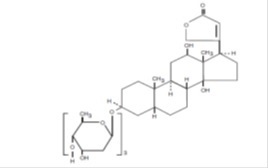
Active ingredient
Classification
Digitalis glycosidesCardiac Glycoside
Drug interactions
Digoxin has several drug interactions that can significantly affect its pharmacokinetics and clinical effects.
- majorAmiodarone — Increased digoxin concentration by 70%
- majorCaptopril — Increased digoxin concentration by 58%
- majorClarithromycin — Increased digoxin concentration significantly
- majorDronedarone — Increased digoxin concentration by 150%
- majorGentamicin — Increased digoxin concentration by 129-212%
- majorErythromycin — Increased digoxin concentration by 100%
- majorItraconazole — Increased digoxin concentration by 80%
- majorLapatinib — Increased digoxin concentration by 180%
- majorPropafenone — Increased digoxin concentration by 60-270%
- majorQuinidine — Increased digoxin concentration by 100%
- majorRanolazine — Increased digoxin concentration by 50%
- majorRitonavir — Increased digoxin concentration by 86%
- majorTelaprevir — Increased digoxin concentration by 50%
- majorTetracycline — Increased digoxin concentration by 100%
- majorVerapamil — Increased digoxin concentration by 50-75%
- majorAcarbose — Decreased digoxin concentration
- majorActivated charcoal — Decreased digoxin concentration
- majorAlbuterol — Decreased digoxin concentration
- majorAntacids — Decreased digoxin concentration
- majorCholestyramine — Decreased digoxin concentration
- majorColestipol — Decreased digoxin concentration
- majorMetoclopramide — Decreased digoxin concentration
- majorPhenytoin — Decreased digoxin concentration
- majorRifampin — Decreased digoxin concentration
- majorSt. John's Wort — Decreased digoxin concentration
- majorSucralfate — Decreased digoxin concentration
- majorSulfasalazine — Decreased digoxin concentration
- majorDofetilide — Increased risk of torsades de pointes
- majorSotalol — Increased risk of proarrhythmic events
- majorTeriparatide — Potential for digitalis toxicity due to hypercalcemia
- moderateThyroid supplement — Increased dose requirements of digoxin
- majorEpinephrine — Increased risk of cardiac arrhythmias
- majorNorepinephrine — Increased risk of cardiac arrhythmias
- majorDopamine — Increased risk of cardiac arrhythmias
- majorSuccinylcholine — May cause arrhythmias
- majorCalcium — Can produce serious arrhythmias
- moderateBeta-adrenergic blockers — Additive effects on AV node conduction
- moderateCalcium channel blockers — Additive effects on AV node conduction
- moderateIvabradine — Increased risk of bradycardia
Indications
INDICATIONS AND USAGE Digoxin is a cardiac glycoside indicated in adults for the treatment of mild to moderate heart failure and for the control of resting ventricular rate in patients with chronic atrial fibrillation. ( 1.1 , 1.3 ) In pediatric patients with heart failure, digoxin is indicated to increase myocardial contractility. ( 1.2 ) 1.1 Heart Failure in Adults Digoxin Oral Solution is indicated for the treatment of mild to moderate heart failure. Digoxin increases left ventricular ejection fraction and improves heart failure symptoms as evidenced by increased exercise capacity and decreased heart failure-related hospitalizations and emergency care, while having no effect on mortality. Where possible, digoxin should be used with a diuretic and an angiotensin-converting enzyme inhibitor, but an optimal order for starting these three drugs cannot be specified. 1.2 Heart Failure in Pediatric Patients Digoxin is indicated to increase myocardial contractility in pediatric patients with heart failure. 1.3 Atrial Fibrillation in Adults Digoxin Oral Solution is indicated for the control of resting ventricular response rate in patients with chronic atrial fibrillation. Digoxin should not be used for the treatment of multifocal atrial tachycardia.
Dosage
DOSAGE & ADMINISTRATION Digoxin dose is based on patient-specific factors (age, lean body weight, renal function, etc.). See full prescribing information. Monitor for toxicity and therapeutic effect. 2.1 Important Dosing and Administration Information In selecting a digoxin dosing regimen, it is important to consider factors that affect digoxin blood levels (e.g., body weight, age, renal function, concomitant drugs) since toxic levels of digoxin are only slightly higher than therapeutic levels. Dosing can be either initiated with a loading dose followed by maintenance dosing if rapid titration is desired or initiated with maintenance dosing without a loading dose. Consider interruption or reduction in digoxin dose prior to electrical cardioversion [see Warnings and Precautions (5.4) ] . Use digoxin solution to obtain the appropriate dose in infants, young pediatric patients, or patients with very low body weight. 2.2 Loading Dosing Regimen in Adults and Pediatric Patients For adults and pediatric patients if a loading dosage is to be given, administer half the total loading dose initially, then ¼ the loading dose every 6-8 hours twice, with careful assessment of clinical response and toxicity before each dose. The recommended loading dose is displayed in Table 1. Table 1. Recommended Digoxin Oral Loading Dose Age Total Oral Loading Dose (mcg/kg) Administer half the total loading dose initially, then ¼ the loading dose every 6 to 8 hours twice 5 to 10 years 20-45 Adults and pediatric patients over 10 years 10-15 mcg = microgram 2.3 Maintenance Dosing in Adults and Pediatric Patients Over 10 Years Old The maintenance dose is based on lean body weight, renal function, age, and concomitant products [see Clinical Pharmacology (12.3) ] . The recommended starting maintenance dose in adults and pediatric patients over 10 years old with normal renal function is given in Table 2. Doses may be increased every 2 weeks according to clinical response, serum drug levels, and toxicity. Table 2. Recommended Starting Digoxin Maintenance Dosage in Adults and Pediatric Patients Over 10 Years Old Age Total Oral Maintenance Dose, mcg/kg/day (given once daily) Adults and pediatric patients over 10 years 3.4-5.1 mcg = microgram Table 3 provides the recommended (once daily) maintenance dose for adults and pediatric patients over 10 years old (to be given once daily) according to lean body weight and renal function. The doses are based on studies in adult patients with heart failure. Alternatively, the maintenance dose may be estimated by the following formula (peak body stores lost each day through elimination): Total Maintenance Dose = Loading Dose (i.e., Peak Body Stores) x % Daily Loss/100 (% Daily Loss = 14 + Creatinine clearance/5) Reduce the dose of digoxin in patients whose lean weight is an abnormally small fraction of their total body mass because of obesity or edema. Table 3. Recommended Maintenance Dose (in micrograms given once daily) of Digoxin in Pediatric Patients Over 10 Years Old and Adults by Lean Body Weight and by Renal Functiona Corrected Creatinine Clearance b Lean Body Weight d Number of Days Before Steady State Achievedc kg 40 50 60 70 80 90 100 10 mL/min 62.5* 125 125 187.5 187.5 187.5 250 19 20 mL/min 125 125 125 187.5 187.5 250 250 16 30 mL/min 125 125 187.5 187.5 250 250 312.5 14 40 mL/min 125 187.5 187.5 250 250 312.5 312.5 13 50 mL/min 125 187.5 187.5 250 250 312.5 312.5 12 60 mL/min 125 187.5 250 250 312.5 312.5 375 11 70 mL/min 187.5 187.5 250 250 312.5 375 375 10 80 mL/min 187.5 187.5 250 312.5 312.5 375 437.5 9 90 mL/min 187.5 250 250 312.5 375 437.5 437.5 8 100 mL/min 187.5 250 312.5 312.5 375 437.5 500 7 a Doses are rounded to the nearest dose possible using whole digoxin tablets. Recommended doses approximately 30 percent lower than the calculated dose are designated with an *. Monitor digoxin levels in patients receiving these initial doses and increase dose if needed. b For adults , creatinine clearance was corrected to 70-kg body weight or 1.73 m 2 body surface area. If only serum creatinine concentrations (Scr) are available, a corrected Ccr may be estimated in men as (140 - Age)/Scr. For women, this result should be multiplied by 0.85. For pediatric patients, the modified Schwartz equation may be used. The formula is based on height in cm and Scr in mg/dL where k is a constant. Ccr is corrected to 1.73 m2 body surface area. During the first year of life, the value of k is 0.33 for pre-term babies and 0.45 for term infants. The k is 0.55 for pediatric patients and adolescent girls and 0.7 for adolescent boys. GFR (mL/min/1.73 m 2 ) = (k x Height)/Scr c If no loading dose administered. d The doses listed assume average body composition. 2.4 Maintenance Dosing in Pediatric Patients Less Than 10 Years Old The starting maintenance dose for heart failure in pediatric patients less than 10 years old is based on lean body weight, renal function, age, and concomitant products [see Clinical Pharmacology (12.3) ] . The recommended starting maintenance dose for pediatric patients between 5 years and 10 years old is given in Table 4. These recommendations assume the presence of normal renal function. Table 4. Recommended Starting Digoxin Oral Maintenance Dosage in Pediatric Patients between 5 and 10 Years Old Age Oral Maintenance Dose, mcg/kg/dose 5 years to 10 years 3.2-6.4 Twice daily Table 5 provides average daily maintenance dose requirements for pediatric patients between 5 and 10 years old (to be given twice daily) with heart failure based on age, lean body weight, and renal function. Table 5. Recommended Maintenance Dose (in micrograms given TWICE daily) of Digoxin in Pediatric Patients between 5 and 10 Years of Agea Based upon Lean Body Weight and Renal Function a,b Corrected Creatinine Clearancec Lean Body Weight Number of Days Before Steady State Achieved d kg 20 30 40 50 60 10 mL/min - 62.5 62.5* 125 125 19 20 mL/min 62.5 62.5 125 125 125 16 30 mL/min 62.5 62.5* 125 125 187.5 14 40 mL/min 62.5 62.5* 125 187.5 187.5 13 50 mL/min 62.5 125 125 187.5 187.5 12 60 mL/min 62.5 125 125 187.5 250 11 70 mL/min 62.5 125 187.5 187.5 250 10 80 mL/min 62.5* 125 187.5 187.5 250 9 90 mL/min 62.5* 125 187.5 250 250 8 100 mL/min 62.5* 125 187.5 250 312.5 7 a Recommended are doses to be given twice daily. b The doses are rounded to the nearest dose possible using whole digoxin tablets. Recommended doses approximately 30 percent lower than the calculated dose are designated with an *. Monitor digoxin levels in patients receiving these initial doses and increase dose if needed. c The modified Schwartz equation may be used to estimate creatinine clearance. See footnote b under Table 3. d If no loading dose administered. 2.5 Monitoring to Assess Safety, Efficacy, and Therapeutic Blood Levels Monitor for signs and symptoms of digoxin toxicity and clinical response. Adjust dose based on toxicity, efficacy, and blood levels. Serum digoxin levels less than 0.5 ng/mL have been associated with diminished efficacy, while levels above 2 ng/mL have been associated with increased toxicity without increased benefit. Interpret the serum digoxin concentration in the overall clinical context, and do not use an isolated measurement of serum digoxin concentration as the basis for increasing or decreasing the digoxin dose. Serum digoxin concentrations may be falsely elevated by endogenous digoxin-like substances [see Drug Interactions (7.4) ] . If the assay is sensitive to these substances, consider obtaining a baseline digoxin level before starting digoxin and correct post-treatment values by the reported baseline level. Obtain serum digoxin concentrations just before the next scheduled digoxin dose or at least 6 hours after the last dose. The digoxin concentration is likely to be 10-25% lower when sampled right before the next dose (24 hours after dosing) compared to sampling 8 hours after dosing (using once-daily dosing). However, there will be only minor differences in
Warnings
WARNINGS AND PRECAUTIONS • Accessory AV Pathway: Increased risk of rapid ventricular response leading to ventricular fibrillation. ( 5.1 ) • Sinus Node Disease and AV Block: Digoxin use can exacerbate the condition and may cause advanced or complete heart block. ( 5.2 ) • Misidentification of Digoxin Toxicity: Signs and symptoms of digoxin toxicity may be mistaken for worsening symptoms of congestive heart failure. ( 5.3 ) • Preserved Left Ventricular Systolic Function: Patients with heart failure with preserved left ventricular ejection fraction may be more susceptible to digoxin toxicity. ( 5.4 ) • Impaired Renal Function: Renal impairment results in increased digoxin exposure and requires dosage adjustments. ( 5.5 ) • Electrolyte Disorders: Toxicity is increased by hypokalemia, hypomagnesemia, and hypercalcemia. ( 5.6 ) • Hypermetabolic States: In patients with atrial arrhythmias associated with hypermetabolic states, control of resting ventricular rate is particularly resistant to digoxin treatment. ( 5.8 ) • The use of digoxin may result in potentially detrimental increases in coronary vascular resistance. ( 5.9 ) • Avoid digoxin in patients with myocarditis. ( 5.10 ) 5.1 Use in Patients with Accessory AV Pathway (Wolff-Parkinson-White Syndrome) Patients with Wolff-Parkinson-White syndrome who develop atrial fibrillation are at high risk of ventricular fibrillation. Treatment of these patients with digoxin leads to greater slowing of conduction in the atrioventricular node than in accessory pathways, and the risks of rapid ventricular response leading to ventricular fibrillation are thereby increased. 5.2 Use in Patients with Sinus Node Disease and AV Block Because digoxin slows sinoatrial and AV conduction, the drug commonly prolongs the PR interval. Digoxin may cause severe sinus bradycardia or sinoatrial block particularly in patients with pre-existing sinus node disease and may cause advanced or complete heart block in patients with pre-existing incomplete AV block. In such patients consideration should be given to the insertion of a pacemaker before treatment with digoxin. 5.3 Misidentification of Digoxin Toxicity Some signs and symptoms (anorexia, nausea, vomiting, and certain arrhythmias) can equally result from digoxin toxicity as from congestive heart failure. Misidentification of their etiology might lead the clinician to continue or increase digoxin dosing, when dosing should actually be suspended. When the etiology of these signs and symptoms is not obvious, measurement of serum digoxin levels may be helpful. 5.4 Use in Patients with Preserved Left Ventricular Systolic Function Patients with certain disorders involving heart failure associated with preserved left ventricular ejection fraction may not benefit from digoxin treatment and may be particularly susceptible to adverse reactions when they are treated with digoxin. In patients with hypertrophic cardiomyopathy (formerly called idiopathic hypertrophic subaortic stenosis), the positive inotropic effect of digoxin leads to an increased subvalvular outflow gradient and therefore, may compromise cardiac output. Digoxin is rarely beneficial in patients with this condition. Chronic constrictive pericarditis is not generally associated with any inotropic defect, so heart failure of this etiology is unlikely to respond to treatment with digoxin. By slowing the resting heart rate, digoxin may actually decrease cardiac output in these patients. Digoxin as an inotropic agent is of limited value in patients with restrictive cardiomyopathies, although it has been used for ventricular rate control in the subgroup of patients with atrial fibrillation. In addition, patients with amyloid heart disease may be more susceptible to toxicity from digoxin at therapeutic levels because of an increased binding of digoxin to extracellular amyloid fibrils. 5.5 Use in Patients with Impaired Renal Function Digoxin is primarily excreted by the kidneys; therefore, patients with impaired renal function require smaller than usual maintenance doses of digoxin [see Dosage and Administration (2.4) ] . Because of the prolonged elimination half-life, a longer period of time is required to achieve an initial or new steady-state serum concentration in patients with renal impairment than in patients with normal renal function. If appropriate care is not taken to reduce the dose of digoxin, such patients are at high risk for toxicity, and toxic effects will last longer in such patients than in patients with normal renal function. 5.6 Use in Patients with Electrolyte Disorders In patients with hypokalemia or hypomagnesemia, toxicity may occur at concentrations within therapeutic range because potassium or magnesium depletion sensitizes the myocardium to digoxin. Therefore, it is desirable to maintain normal serum potassium and magnesium concentrations in patients being treated with digoxin. Serum potassium levels should be carefully monitored when digoxin is given to patients at high risk of hypokalemia ( e.g. , those receiving diuretics, corticosteroids, or other drugs that commonly lead to potassium loss; those with gastrointestinal losses through diarrhea, vomiting, or nasogastric suction; or those with potassium-losing endocrinopathies or nephropathies). Digoxin toxicity is also more likely in the presence of hypomagnesemia. Hypomagnesemia is common in most of the same conditions in which hypokalemia appears. Most notably, it is commonly seen in alcoholics and in patients with diabetes mellitus or hypercalcemia. Because digoxin’s therapeutic and toxic effects are all largely mediated by intracellular calcium distribution, they are affected by abnormalities in serum calcium levels. Hypercalcemia increases the risk of digoxin toxicity, while digoxin may be therapeutically ineffective in the presence of hypocalcemia. 5.7 Use During Electrical Cardioversion Reduction of digoxin dosage may be desirable prior to electrical cardioversion to avoid induction of ventricular arrhythmias, but the physician must consider the consequences of a rapid increase in ventricular response to atrial fibrillation if digoxin is withheld 1 to 2 days prior to cardioversion. If there is a suspicion that digitalis toxicity exists, elective cardioversion should be delayed. If it is not prudent to delay cardioversion, the energy level selected should be minimal at first and carefully increased in an attempt to avoid precipitating ventricular arrhythmias. 5.8 Use in Thyroid Disorders and Hypermetabolic States Hypothyroidism may reduce the requirements for digoxin. Heart failure and atrial arrhythmias resulting from hypermetabolic or hyperdynamic states ( e.g. , hyperthyroidism, hypoxia, or arteriovenous shunt) are best treated by addressing the underlying condition. Atrial arrhythmias associated with hypermetabolic states ( e.g. , hyperthyroidism) are particularly resistant to digoxin treatment. Large doses of digoxin are not recommended as the only treatment of these arrhythmias and care must be taken to avoid toxicity if large doses of digoxin are required. In hypothyroidism, the digoxin requirements are reduced. Digoxin responses are normal in patients with compensated thyroid disease. 5.9 Use in Patients with Acute Myocardial Infarction In patients with acute myocardial infarction, particularly if they have ongoing ischemia, the use of inotropic drugs, such as digoxin, may result in undesirable increases in myocardial oxygen demand and ischemia. Moreover, the use of digoxin may result in potentially detrimental increases in coronary vascular resistance mediated through alpha adrenergic receptor stimulation. 5.10 Use in Patients with Myocarditis Digoxin can precipitate vasoconstriction and may promote production of pro-inflammatory cytokines. Therefore, avoid digoxin in patients with myocarditis. 5.11 ECG Changes During Exercise The use of therapeutic doses of digoxin may cause prolongation of the PR interval and depression of the ST segment
Contraindications
CONTRAINDICATIONS Digoxin is contraindicated in patients with: • Ventricular fibrillation [see Warnings and Precautions (5.1)] • Known hypersensitivity to digoxin (reactions seen include unexplained rash, swelling of the mouth, lips or throat or a difficulty in breathing). A hypersensitivity reaction to other digitalis preparations usually constitutes a contraindication to digoxin. • Ventricular fibrillation. ( Error! Hyperlink reference not valid. ) • Known hypersensitivity to digoxin or other forms of digitalis. ( 4 )
Mechanism of action
CLINICAL PHARMACOLOGY 12.1 Mechanism of Action All of digoxin’s actions are mediated through its effects on Na-K ATPase. This enzyme, the “sodium pump,” is responsible for maintaining the intracellular milieu throughout the body by moving sodium ions out of and potassium ions into cells. By inhibiting Na-K ATPase, digoxin causes increased availability of intracellular calcium in the myocardium and conduction system, with consequent increased inotropy, increased automaticity, and reduced conduction velocity indirectly causes parasympathetic stimulation of the autonomic nervous system, with consequent effects on the sino-atrial (SA) and atrioventricular (AV) nodes reduces catecholamine reuptake at nerve terminals, rendering blood vessels more sensitive to endogenous or exogenous catecholamines increases baroreceptor sensitization, with consequent increased carotid sinus nerve activity and enhanced sympathetic withdrawal for any given increment in mean arterial pressure increases (at higher concentrations) sympathetic outflow from the central nervous system (CNS) to both cardiac and peripheral sympathetic nerves allows (at higher concentrations) progressive efflux of intracellular potassium, with consequent increase in serum potassium levels. The cardiologic consequences of these direct and indirect effects are an increase in the force and velocity of myocardial systolic contraction (positive inotropic action), a slowing of the heart rate (negative chronotropic effect), decreased conduction velocity through the AV node, and a decrease in the degree of activation of the sympathetic nervous system and renin-angiotensin system (neurohormonal deactivating effect). 12.2 Pharmacodynamics The times to onset of pharmacologic effect and to peak effect of preparations of digoxin are shown in Table 7. Table 7. Times to Onset of Pharmacologic Effect and to Peak Effect of Preparations of Digoxin Product Time to Onset of Effect a Time to Peak Effect a Digoxin Tablets 0.5-2 hours 2-6 hours Digoxin Injection/IV b 5-30 minutes 1-4 hours a Documented for ventricular response rate in atrial fibrillation, inotropic effects and electrocardiographic changes. b Depending upon rate of infusion. Hemodynamic Effects: Short- and long-term therapy with the drug increases cardiac output and lowers pulmonary artery pressure, pulmonary capillary wedge pressure, and systemic vascular resistance in patients with heart failure. These hemodynamic effects are accompanied by an increase in the left ventricular ejection fraction and a decrease in end-systolic and end-diastolic dimensions. ECG Changes: The use of therapeutic doses of digoxin may cause prolongation of the PR interval and depression of the ST segment on the electrocardiogram. Digoxin may produce false positive ST-T changes on the electrocardiogram during exercise testing. These electrophysiologic effects are not indicative of toxicity. Digoxin does not significantly reduce heart rate during exercise. 12.3 Pharmacokinetics Note: The following data are from studies performed in adults, unless otherwise stated. Absorption: Following oral administration, peak serum concentrations of digoxin occur at 1 to 3 hours. Absorption of digoxin from Digoxin Tablets has been demonstrated to be 60-80% complete compared to an identical intravenous dose of digoxin (absolute bioavailability). When digoxin tablets are taken after meals, the rate of absorption is slowed, but the total amount of digoxin absorbed is usually unchanged. When taken with meals high in bran fiber, however, the amount absorbed from an oral dose may be reduced. Comparisons of the systemic availability and equivalent doses for oral preparations of digoxin are shown in Dosage and Administration ( 2.6 ). Digoxin is a substrate for P-glycoprotein. As an efflux protein on the apical membrane of enterocytes, P-glycoprotein may limit the absorption of digoxin. In some patients, orally administered digoxin is converted to inactive reduction products (e.g., dihydrodigoxin) by colonic bacteria in the gut. Data suggest that 1 in 10 patients treated with digoxin tablets, colonic bacteria will degrade 40% or more of the ingested dose. As a result, certain antibiotics may increase the absorption of digoxin in such patients. Although inactivation of these bacteria by antibiotics is rapid, the serum digoxin concentration will rise at a rate consistent with the elimination half-life of digoxin. Serum digoxin concentration relates to the extent of bacterial inactivation, and may be as much as doubled in some cases [see Drug Interactions (7.2) ] . Patients with malabsorption syndromes (e.g., short bowel syndrome, celiac sprue, jejunoileal bypass) may have a reduced ability to absorb orally administered digoxin. Distribution: Following drug administration, a 6-8 hour tissue distribution phase is observed. This is followed by a much more gradual decline in the serum concentration of the drug, which is dependent on the elimination of digoxin from the body. The peak height and slope of the early portion (absorption/distribution phases) of the serum concentration-time curve are dependent upon the route of administration and the absorption characteristics of the formulation. Clinical evidence indicates that the early high serum concentrations do not reflect the concentration of digoxin at its site of action, but that with chronic use, the steady-state post-distribution serum concentrations are in equilibrium with tissue concentrations and correlate with pharmacologic effects. In individual patients, these post-distribution serum concentrations may be useful in evaluating therapeutic and toxic effects [see Dosage and Administration (2.1) ] . Digoxin is concentrated in tissues and therefore has a large apparent volume of distribution (approximately 475-500 L). Digoxin crosses both the blood-brain barrier and the placenta. At delivery, the serum digoxin concentration in the newborn is similar to the serum concentration in the mother. Approximately 25% of digoxin in the plasma is bound to protein. Serum digoxin concentrations are not significantly altered by large changes in fat tissue weight, so that its distribution space correlates best with lean (i.e., ideal) body weight, not total body weight. Metabolism: Only a small percentage (13%) of a dose of digoxin is metabolized in healthy volunteers. The urinary metabolites, which include dihydrodigoxin, digoxigenin bisdigitoxoside, and their glucuronide and sulfate conjugates are polar in nature and are postulated to be formed via hydrolysis, oxidation, and conjugation. The metabolism of digoxin is not dependent upon the cytochrome P-450 system, and digoxin is not known to induce or inhibit the cytochrome P-450 system. Excretion: Elimination of digoxin follows first-order kinetics (that is, the quantity of digoxin eliminated at any time is proportional to the total body content). Following intravenous administration to healthy volunteers, 50-70% of a digoxin dose is excreted unchanged in the urine. Renal excretion of digoxin is proportional to creatinine clearance and is largely independent of urine flow. In healthy volunteers with normal renal function, digoxin has a half-life of 1.5-2 days. The half-life in anuric patients is prolonged to 3.5-5 days. Digoxin is not effectively removed from the body by dialysis, exchange transfusion, or during cardiopulmonary bypass because most of the drug is bound to extravascular tissues. Special Populations: Geriatrics: Because of age-related declines in renal function, elderly patients would be expected to eliminate digoxin more slowly than younger subjects. Elderly patients may also exhibit a lower volume of distribution of digoxin due to age-related loss of lean muscle mass. Thus, the dosage of digoxin should be carefully selected and monitored in elderly patients [see Use in Specific Populations (8.5) ] . Gender: In a study of 184 patients, the clearance of digoxin was 12% lower in female than in male patient
Source: RxNorm + openFDA + RxClass + FAERS · 2026
Look up another medication