Pasireotide
Managing this medication for someone you care for? Eleplan keeps diagnoses, medications and appointments in one plan.
Start free with EleplanMedication reference
Pasireotide
Somatostatin Analog [EPC] — SUBCUTANEOUS
Pasireotide — Somatostatin Analog [EPC]. INDICATIONS AND USAGE SIGNIFOR LAR is a somatostatin analog indicated for the treatment of: Patients with acromegaly who have had an inadequate…
Brand names
SigniforSignifor LAR
Active ingredients
PASIREOTIDE
Indications
INDICATIONS AND USAGE SIGNIFOR LAR is a somatostatin analog indicated for the treatment of: Patients with acromegaly who have had an inadequate response to surgery and/or for whom surgery is not an option. ( 1.1 ) Patients with Cushing's disease for whom pituitary surgery is not an option or has not been curative. ( 1.2 ) 1.1 Acromegaly SIGNIFOR LAR is indicated for the treatment of patients with acromegaly who have had an inadequate response to surgery and/or for whom surgery is not an option. 1.2 Cushing's Disease SIGNIFOR LAR is indicated for the treatment of patients with Cushing's disease for whom pituitary surgery is not an option or has not been curative.
Dosage
DOSAGE AND ADMINISTRATION Evaluate fasting plasma glucose (FPG), hemoglobin A1c (HbA1c), liver enzyme tests, electrocardiogram (ECG), serum magnesium, and serum potassium prior to starting. ( 2.1 ) Optimize glucose control in patients with poorly controlled diabetes mellitus prior to starting. ( 2.1 ) Must be administered by a health care professional only by intramuscular injection in the right or left gluteus immediately after reconstitution. ( 2.2 ) Initial Dose: Acromegaly: The initial dose is 40 mg by intramuscular injection once every 4 weeks (every 28 days). ( 2.3 ) Cushing's Disease: The initial dose is 10 mg by intramuscular injection once every 4 weeks (every 28 days). ( 2.3 ) Adjust dose based on response and tolerability. ( 2.4 ) Patients with Hepatic Impairment: Child-Pugh B : Acromegaly: Recommended initial dose is 20 mg once every 4 weeks and maximum dose is 40 mg once every 4 weeks ( 2.5 , 8.6 ) Cushing's Disease: Recommended initial dose is 10 mg once every 4 weeks and maximum dose is 20 mg once every 4 weeks ( 2.5 , 8.6 ) Child-Pugh C : Avoid use in these patients ( 2.5 , 8.6 ) Follow reconstitution and administration instructions. ( 2.6 ) 2.1 Recommended Baseline Evaluations Prior to Initiation of SIGNIFOR LAR Prior to the initiation of SIGNIFOR LAR, it is recommended that patients have the following baseline evaluations: Fasting plasma glucose (FPG) and hemoglobin A1c (HbA1c) [see Warnings and Precautions (5.1)] Liver tests [see Warnings and Precautions (5.3)] Electrocardiogram (ECG), serum potassium and serum magnesium levels [see Warnings and Precautions (5.2)] Patients with poorly controlled diabetes mellitus, who have inadequate glucose control, should have anti-diabetic therapy optimized prior to starting SIGNIFOR LAR [see Warnings and Precautions (5.1)] . 2.2 Important Administration Instructions SIGNIFOR LAR must be reconstituted by a trained healthcare professional immediately before use. Illustrations on reconstitution are found in Instructions for Use [see Dosage and Administration (2.6)] . SIGNIFOR LAR must be inspected visually before use. The suspension should appear free of foreign particulates and should be homogeneous after mixing. SIGNIFOR LAR must be administered by a trained healthcare professional only by intramuscular injection in the right or left gluteus immediately after reconstitution. SIGNIFOR LAR must never be administered intravenously. 2.3 Recommended Initial Dose Acromegaly The recommended initial dose of SIGNIFOR LAR for the treatment of acromegaly is 40 mg administered by intramuscular injection once every 4 weeks (every 28 days) [see Dosage and Administration (2.6) ]. Cushing's Disease The recommended initial dose of SIGNIFOR LAR for the treatment of Cushing's disease is 10 mg administered by intramuscular injection once every 4 weeks (every 28 days) [see Dosage and Administration (2.6) ]. 2.4 Dose Adjustment and Monitoring Acromegaly The dose may be increased to a maximum of 60 mg for patients who have not normalized growth hormone (GH) and/or age and sex adjusted insulin-like growth factor-1 (IGF-1) levels after 3 months of treatment with SIGNIFOR LAR at 40 mg and who tolerate this dose. Management of SIGNIFOR LAR-related adverse reactions or over-response to treatment (age and sex adjusted IGF-1 less than the lower limit of normal) may require dose reduction. The dose may be decreased, either temporarily or permanently, by 20 mg decrements [see Warnings and Precautions (5)] . Cushing's Disease Following 4 months of treatment with the initial dose of 10 mg once every 28 days, the dose may be increased for patients who have not normalized 24-hour urinary free cortisol (UFC) and who tolerate this dose, up to a maximum dose of 40 mg once every 28 days. Management of suspected adverse reactions or over-response to treatment (e.g., cortisol levels less than the lower limit of the normal range or in the low part of the normal range in patients with symptoms suggestive of adrenal insufficiency) may require dose reduction to the previous tolerated dose, dose interruption, or drug discontinuation of SIGNIFOR LAR. For patients treated with 10 mg once every 28 days, the dose may be either interrupted or discontinued [see Warnings and Precautions (5)] . 2.5 Dose in Patients With Hepatic Impairment For patients with moderately impaired hepatic function (Child-Pugh B) [see Use in Specific Populations (8.6) ] : Acromegaly: The recommended initial dose for acromegaly patients with moderately impaired hepatic function is 20 mg once every 4 weeks and the maximum recommended dose is 40 mg once every 4 weeks. Cushing's Disease: The recommended initial dose for Cushing's disease patients with moderately impaired hepatic function is 10 mg once every 4 weeks and the maximum recommended dose is 20 mg once every 4 weeks. Avoid use in patients with severe hepatic impairment (Child-Pugh C) [see Use in Specific Populations (8.6)] . 2.6 Reconstitution and Intramuscular Injection Instructions After reconstitution of the SIGNIFOR LAR vial with the provided 2 mL diluent, the intramuscular injectable suspension will have a final concentration of: Strength per Vial Final Concentration When Reconstituted (total product strength per total volume) Final Concentration When Reconstituted (per mL) 10 mg 10 mg/2 mL 5 mg/mL 20 mg 20 mg/2 mL 10 mg/mL 30 mg 30 mg/2 mL 15 mg/mL 40 mg 40 mg/2 mL 20 mg/mL 60 mg 60 mg/2 mL 30 mg/mL The entire contents of the reconstituted solution should be administered immediately. PAY PARTICULAR ATTENTION: There are 2 critical steps in the reconstitution of SIGNIFOR LAR. Not following these 2 steps could result in failure to deliver the drug appropriately . 1) The injection kit must reach room temperature (see Step 1 in Instructions for Use) . Remove the SIGNIFOR LAR injection kit from refrigerated storage and let the kit stand at room temperature for a minimum of 30 minutes before reconstitution, but do not exceed 24 hours. 2) After adding the diluent solution, shake the vial moderately in a horizontal direction for a minimum of 30 seconds until uniform suspension is formed (see Step 4 in Instructions for Use) . The following items are included in the injection kit : a) One vial containing SIGNIFOR LAR powder b) One prefilled syringe containing the diluent solution for reconstitution c) One vial adapter for drug product reconstitution d) One safety injection needle (20G x 1.5") Figure 1. Items Included in Injection Kit SIGNIFOR LAR suspension must only be reconstituted immediately before administration. Follow the directions in the Instructions for Use to ensure proper reconstitution of SIGNIFOR LAR before intramuscular injection. SIGNIFOR LAR should only be administered by a trained healthcare professional. Instructions for Use Step 1 Remove the SIGNIFOR LAR for injectable suspension kit from refrigerated storage. PAY PARTICULAR ATTENTION: It is essential to start the reconstitution process only after the injection kit has reached room temperature. Let the kit stand at room temperature for at least 30 minutes before starting reconstitution, but not more than 24 hours. Note: The kit can be re-refrigerated if needed. Step 2 Remove the plastic cap from the vial and clean the rubber stopper with an alcohol wipe. Remove the lid film of the vial adapter packaging, but do NOT remove the vial adapter from its packaging. Holding the vial adapter packaging, position the vial adapter on top of the vial and push it fully down so that it snaps in place. You will hear an audible "click" when the vial adapter snaps in place. Lift the packaging off the vial adapter with a vertical movement. Step 3 Remove the cap from the syringe prefilled with diluent solution and screw the syringe onto the vial adapter. Slowly push the plunger all the way down to transfer all the diluent solution in the vial. Step 4 ATTENTION: Keep the plunger pressed and shake the vial moderately in a horizontal direction for a minimum of 30 seconds s
Warnings
WARNINGS AND PRECAUTIONS Hypocortisolism : Decreases in circulating levels of cortisol may occur resulting in biochemical and/or clinical hypocortisolism. SIGNIFOR dose reduction or interruption and/or adding a low-dose short-term glucocorticoid may be necessary ( 5.1 ) Hyperglycemia and Diabetes (occurs with initiation) : Intensive glucose monitoring is recommended and may require initiation or adjustment of anti-diabetic treatment per standard of care ( 5.2 ) Bradycardia and QT Prolongation : Use with caution in at-risk patients; ECG testing prior to dosing and on treatment ( 5.3 , 7.1 ) Liver Test Elevations : Evaluate liver tests prior to and during treatment ( 5.4 ) Cholelithiasis and Complications of Cholelithiasis : Monitor periodically. Discontinue if complications of cholelithiasis are suspected ( 5.5 ) Steatorrhea and Malabsorption of Dietary Fats : New onset steatorrhea, stool discoloration, loose stools, abdominal bloating, and weight loss may occur. If new occurrence or worsening of these symptoms are reported, evaluate for potential pancreatic exocrine insufficiency ( 5.7 ) 5.1 Hypocortisolism Treatment with SIGNIFOR leads to suppression of adrenocorticotropic hormone (ACTH) secretion in Cushing's disease. Suppression of ACTH may lead to a decrease in circulating levels of cortisol and potentially hypocortisolism. Monitor and instruct patients on the signs and symptoms associated with hypocortisolism (e.g., weakness, fatigue, anorexia, nausea, vomiting, hypotension, hyponatremia, or hypoglycemia). If hypocortisolism occurs, consider temporary dose reduction or interruption of treatment with SIGNIFOR, as well as temporary, exogenous glucocorticoid replacement therapy. 5.2 Hyperglycemia and Diabetes Blood glucose elevations have been seen in healthy volunteers and patients treated with SIGNIFOR. In the clinical study [see Clinical Studies (14)] , patients developed pre-diabetes and diabetes. Nearly all patients in the study, including those with normal glucose status at baseline, pre-diabetes, and diabetes, developed worsening glycemia in the first two weeks of treatment. Cushing's disease patients with poor glycemic control (HbA1c > 8%) may be at a higher risk of developing severe hyperglycemia and associated complications, e.g., ketoacidosis. Assess the patient's glycemic status prior to starting treatment with SIGNIFOR. In patients with uncontrolled diabetes mellitus, optimize anti-diabetic therapy prior to SIGNIFOR initiation. Glycemic monitoring should be done every week for the first two to three months and periodically thereafter, as well as over the first two to four weeks after any dose increase. If hyperglycemia develops, initiate or adjust anti-diabetic treatment per standard of care. If uncontrolled hyperglycemia persists despite appropriate treatment, reduce the dose or discontinue SIGNIFOR and perform glycemic monitoring according to clinical practice. Patients who were initiated on anti-diabetic treatment as a result of SIGNIFOR require closer monitoring after discontinuation of SIGNIFOR, especially if the anti-diabetic therapy has a risk of causing hypoglycemia. 5.3 Bradycardia and QT Prolongation Bradycardia Bradycardia has been reported with the use of SIGNIFOR [see Adverse Reactions (6)] . Patients with cardiac disease and/or risk factors for bradycardia, such as history of clinically significant bradycardia, high-grade heart block, or concomitant use of drugs associated with bradycardia, should be carefully monitored. Dose adjustments of beta-blockers, calcium channel blockers, or correction of electrolyte disturbances may be necessary. QT Prolongation SIGNIFOR is associated with QT prolongation. In two thorough QT studies with SIGNIFOR, QT prolongation occurred at therapeutic and supra-therapeutic doses. SIGNIFOR should be used with caution in patients who are at significant risk of developing prolongation of QTc, such as those: with congenital long QT prolongation. with uncontrolled or significant cardiac disease, including recent myocardial infarction, congestive heart failure, unstable angina, or clinically significant bradycardia. on anti-arrhythmic therapy or other substances that are known to lead to QT prolongation. with hypokalemia and/or hypomagnesemia. A baseline ECG is recommended prior to initiating therapy with SIGNIFOR and monitoring for an effect on the QTc interval is advisable. Hypokalemia and hypomagnesemia must be corrected prior to SIGNIFOR administration and should be monitored periodically during therapy. 5.4 Liver Test Elevations In the Phase III trial, 5% of patients had an alanine aminotransferase (ALT) or aspartate aminotransferase (AST) level greater than 3 times the upper limit of normal (ULN). In the entire clinical development program of SIGNIFOR, there were 4 cases of concurrent elevations in ALT greater than 3 x ULN and bilirubin greater than 2 x ULN: one patient with Cushing's disease and 3 healthy volunteers [see Adverse Reactions (6)] . In these cases, total bilirubin elevations were seen either concomitantly or preceding the transaminase elevation. Monitoring of liver tests should be done after 1- to 2 weeks on treatment, then monthly for 3 months, and every 6 months thereafter. If ALT is normal at baseline and elevations of ALT of 3-5 times the ULN are observed on treatment, repeat the test within a week or within 48 hours if exceeding 5 times ULN. If ALT is abnormal at baseline and elevations of ALT of 3 to 5 times the baseline values are observed on treatment, repeat the test within a week or sooner if exceeding 5 times ULN. Tests should be done in a laboratory that can provide same-day results. If the values are confirmed or rising, interrupt SIGNIFOR treatment and investigate for probable cause of the findings, which may or may not be SIGNIFOR-related. Serial measures of ALT, AST, alkaline phosphatase, and total bilirubin, should be done weekly, or more frequently, if any value exceeds 5 times the baseline value in case of abnormal baselines, or 5 times the ULN in case of normal baselines. If resolution of abnormalities to normal or near normal occurs, resuming treatment with SIGNIFOR may be done cautiously, with close observation, and only if some other likely cause has been found. 5.5 Cholelithiasis and Complications of Cholelithiasis Cholelithiasis has been frequently reported in clinical studies with SIGNIFOR [see Adverse Reactions (6)] . There have been postmarketing reports of cholelithiasis (gallstones) resulting in complications, including cholecystitis or cholangitis and requiring cholecystectomy in patients taking SIGNIFOR. Ultrasonic examination of the gallbladder before, and periodically during SIGNIFOR therapy is recommended. If complications of cholelithiasis are suspected, discontinue SIGNIFOR and treat appropriately. 5.6 Monitoring for Deficiency of Pituitary Hormones As the pharmacological activity of SIGNIFOR mimics that of somatostatin, inhibition of pituitary hormones, other than ACTH, may occur. Monitoring of pituitary function [e.g., thyroid-stimulating harmone (TSH)/free T 4 , GH/IGF-1] should occur prior to initiation of therapy with SIGNIFOR and periodically during treatment should be considered as clinically appropriate. Patients who have undergone transsphenoidal surgery and pituitary irradiation are particularly at increased risk for deficiency of pituitary hormones. 5.7 Steatorrhea and Malabsorption of Dietary Fats New onset steatorrhea, stool discoloration and loose stools have been reported in patients receiving somatostatin analogs, including pasireotide products. Somatostatin analogs reversibly inhibit secretion of pancreatic enzymes and bile acids, which may result in malabsorption of dietary fats and subsequent symptoms of steatorrhea, loose stools, abdominal bloating, and weight loss. If new occurrence or worsening of these symptoms are reported in patients receiving SIGNIFOR, evaluate patients for potential pancreatic exocrine insufficienc
Contraindications
CONTRAINDICATIONS None. None. ( 4 )
Drug interactions
DRUG INTERACTIONS Drugs that Prolong QT : Use with caution in patients who are at significant risk of developing QTc prolongation ( 5.3 , 7.1 ) Cyclosporine : Consider additional monitoring ( 7.2 ) Bromocriptine : Consider bromocriptine dose reduction ( 7.2 ) 7.1 Effects of Other Drugs on SIGNIFOR Drugs That Prolong QT Coadministration of drugs that prolong the QT interval with SIGNIFOR may have additive effects on the prolongation of the QT interval. Caution is required when coadministering SIGNIFOR with drugs that may prolong the QT interval [see Warnings and Precautions (5.3)] . 7.2 Effects of SIGNIFOR on Other Drugs Cyclosporine Concomitant administration of cyclosporine with pasireotide may decrease the relative bioavailability of cyclosporine and, therefore, dose adjustment of cyclosporine to maintain therapeutic levels may be necessary. Bromocriptine Coadministration of somatostatin analogues with bromocriptine may increase the blood levels of bromocriptine. Dose reduction of bromocriptine may be necessary.
Adverse reactions
ADVERSE REACTIONS Clinically significant adverse reactions that appear in other sections of the labeling include: Hypocortisolism [see Warnings and Precautions (5.1)] Hyperglycemia and Diabetes [see Warnings and Precautions (5.2)] Bradycardia and QT prolongation [see Warnings and Precautions (5.3)] Liver Test Elevations [see Warnings and Precautions (5.4)] Cholelithiasis and Complications of Cholelithiasis [see Warnings and Precautions (5.5)] Pituitary Hormone Deficiency [see Warnings and Precautions (5.6)] Steatorrhea and Malabsorption of Dietary Fats [see Warnings and Precautions (5.7) ] Most common adverse reactions occurring in ≥ 20% of patients are diarrhea, nausea, hyperglycemia, cholelithiasis, headache, abdominal pain, fatigue, and diabetes mellitus ( 6 ) To report SUSPECTED ADVERSE REACTIONS, contact Recordati Rare Diseases at 1-888-575-8344 or FDA at 1-800-FDA-1088 or www.fda.gov/medwatch . 6.1 Clinical Trials Experience Because clinical trials are conducted under widely varying conditions, adverse reaction rates observed in clinical trials of a drug cannot be directly compared to rates in clinical trials of another drug and may not reflect the rates observed in practice. A total of 162 Cushing's disease patients were exposed to SIGNIFOR in the Phase III study [see Clinical Studies (14)] . At study entry, patients were randomized to receive twice a day doses of either 0.6 mg or 0.9 mg of SIGNIFOR given subcutaneously. The mean age of patients was approximately 40 years old with a predominance of female patients (78%). The majority of the patients had persistent or recurrent Cushing's disease (83%) and few patients (≤ 5%) in either treatment group had received previous pituitary irradiation. The median exposure to the treatment was 10.4 months (0.03-37.8) with 68% of patients having at least 6-months exposure. In the Phase III trial, adverse reactions were reported in 98% of patients. The most common adverse reactions (frequency ≥ 20% in either group) were diarrhea, nausea, hyperglycemia, cholelithiasis, headache, abdominal pain, fatigue, and diabetes mellitus. There were no deaths during the study. Serious adverse events were reported in 25% of patients. Adverse events leading to study discontinuation were reported in 17% of patients. Adverse reactions with an overall frequency higher than 5% are presented in Table 1 by randomized dose group and overall. Adverse reactions are ranked by frequency, with the most frequent reactions listed first. Table 1 - Adverse Reactions [n (%)] With an Overall Frequency of More Than 5% in the Combined Dose Group in the Phase III Study in Cushing's Disease Patients SIGNIFOR 0.6 mg twice a day N = 82 SIGNIFOR 0.9 mg twice a day N = 80 Overall N = 162 Diarrhea 48 (59) 46 (58) 94 (58) Nausea 38 (46) 46 (58) 84 (52) Hyperglycemia 31 (38) 34 (43) 65 (40) Cholelithiasis 25 (30) 24 (30) 49 (30) Headache 23 (28) 23 (29) 46 (28) Abdominal pain 19 (23) 20 (25) 39 (24) Fatigue 12 (15) 19(24) 31 (19) Diabetes mellitus 13 (16) 16 (20) 29 (18) Injection-site reactions 14 (17) 14 (18) 28 (17) Nasopharyngitis 10 (12) 11 (14) 21 (13) Alopecia 10 (12) 10 (13) 20 (12) Asthenia 13 (16) 5 (6) 18 (11) Glycosylated hemoglobin increased 10 (12) 8 (10) 18 (11) Alanine aminotransferase increased 11 (13) 6 (8) 17 (10) Gamma-glutamyl transferase increased 10 (12) 7 (9) 17 (10) Edema peripheral 9 (11) 8 (10) 17 (10) Abdominal pain upper 10 (12) 6 (8) 16 (10) Decreased appetite 7 (9) 9 (11) 16 (10) Hypercholesterolemia 7 (9) 9 (11) 16 (10) Hypertension 8 (10) 8 (10) 16 (10) Dizziness 8 (10) 7 (9) 15 (9) Hypoglycemia 12 (15) 3 (4) 15 (9) Type 2 diabetes mellitus 10 (12) 5 (6) 15 (9) Anxiety 5 (6) 9 (11) 14 (9) Influenza 9 (11) 5 (6) 14 (9) Insomnia 3 (4) 11 (14) 14 (9) Myalgia 10 (12) 4 (5) 14 (9) Arthralgia 5 (6) 8 (10) 13 (8) Pruritus 6 (7) 7 (9) 13 (8) Lipase increased 7 (9) 5 (6) 12 (7) Constipation 7 (9) 4 (5) 11 (7) Hypotension 5 (6) 6 (8) 11 (7) Vomiting 3 (4) 8 (10) 11 (7) Back pain 4 (5) 6 (8) 10 (6) Dry skin 5 (6) 5 (6) 10 (6) Electrocardiogram QT prolonged 5 (6) 5 (6) 10 (6) Hypokalemia 6 (7) 4 (5) 10 (6) Pain in extremity 6 (7) 4 (5) 10 (6) Sinus bradycardia 8 (10) 2 (3) 10 (6) Vertigo 4 (5) 6 (8) 10 (6) Abdominal distension 4 (5) 5 (6) 9 (6) Adrenal insufficiency 4 (5) 5 (6) 9 (6) Aspartate aminotransferase increased 6 (7) 3 (4) 9 (6) Blood glucose increased 6 (7) 3 (4) 9 (6) Other notable adverse reactions which occurred with a frequency less than 5% were: anemia (4%), blood amylase increased (2%), and prothrombin time prolonged (2%). Gastrointestinal Disorders Gastrointestinal disorders, predominantly diarrhea, nausea, abdominal pain, and vomiting were reported frequently in the Phase III trial (see Table 1). These events began to develop primarily during the first month of treatment with SIGNIFOR and required no intervention. Hyperglycemia and Diabetes Hyperglycemia-related terms were reported frequently in the Phase III trial. For all patients, these terms included: hyperglycemia (40%), diabetes mellitus (18%), increased HbA1c (11%), type 2 diabetes mellitus (9%). In general, increases in FPG and HbA1c were seen soon after initiation of SIGNIFOR and were sustained during the treatment period. In the SIGNIFOR 0.6 mg group, mean FPG levels increased from 98.6 mg/dL at baseline to 125.1 mg/dL at Month 6. In the SIGNIFOR 0.9 mg group, mean fasting FPG levels increased from 97.0 mg/dL at baseline to 128.0 mg/dL at Month 6. In the SIGNIFOR 0.6 mg group, HbA1c increased from 5.8% at baseline to 7.2% at Month 6. In the SIGNIFOR 0.9 mg group, HbA1c increased from 5.8% at baseline to 7.3% at Month 6 [see Warnings and Precautions (5.2)] . At one-month follow-up visits, following discontinuation of SIGNIFOR, mean FPG and HbA1c levels decreased but remained above baseline values. Long-term follow-up data are not available. Elevated Liver Tests In the Phase III trial, there were transient mean elevations in aminotransferase values in patients treated with SIGNIFOR. Mean values returned to baseline levels by Month 4 of treatment. The elevations were not associated with clinical symptoms of hepatic disease. In the clinical development program of SIGNIFOR, there were 4 patients with concurrent elevations in ALT greater than 3 x ULN and bilirubin greater than 2 x ULN: one patient with Cushing's disease and 3 healthy volunteers [see Warnings and Precautions (5.4)] . In all 4 cases, the elevations were noted within the first 10 days of treatment. In all of these cases, total bilirubin elevations were seen either concomitantly or preceding the transaminase elevation. The patient with Cushing's disease developed jaundice. All 4 cases had resolution of the laboratory abnormalities with discontinuation of SIGNIFOR. Hypocortisolism Cases of hypocortisolism were reported in the Phase III study in Cushing's disease patients [see Adverse Reactions (6), Clinical Studies (14)] . The majority of cases were manageable by reducing the dose of SIGNIFOR and/or adding low-dose, short-term glucocorticoid therapy [see Warnings and Precautions (5.1)] . Injection-Site Reactions Injection-site reactions were reported in 17% of patients enrolled in the Phase III trial in Cushing's disease. The events were most frequently reported as local pain, erythema, hematoma, hemorrhage, and pruritus. These events resolved spontaneously and required no intervention. Thyroid Function Hypothyroidism, with the use of SIGNIFOR, was reported for seven patients participating in the Phase III study in Cushing's disease. All seven patients presented with a TSH close to or below the lower limit at study entry, which precludes establishing a conclusive relationship between the adverse event and the use of SIGNIFOR. Other Abnormal Laboratory Findings Asymptomatic and reversible elevations in lipase and amylase were observed in patients receiving SIGNIFOR in clinical studies. Pancreatitis is a potential adverse reaction associated with the use of somatostatin analogs due to the associ
Mechanism of action
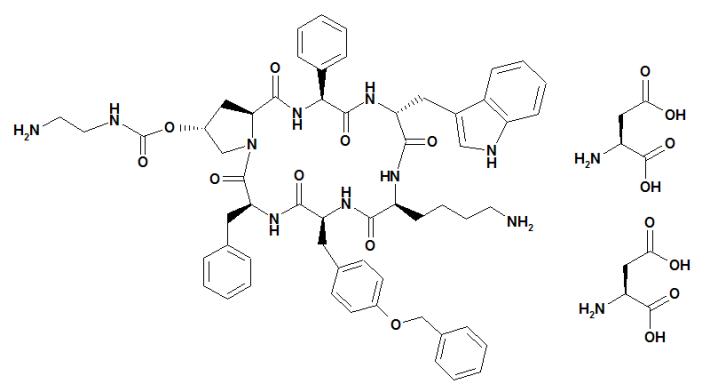
Mechanism of Action SIGNIFOR is an injectable cyclohexapeptide somatostatin analogue. Pasireotide exerts its pharmacological activity via binding to somatostatin receptors (SSTRs). Five human somatostatin receptor subtypes are known: SSTR 1, 2, 3, 4, and 5. These receptor subtypes are expressed in different tissues under normal physiological conditions. Corticotroph tumor cells from Cushing's disease patients frequently over-express SSTR5 whereas the other receptor subtypes are often not expressed or are expressed at lower levels. Pasireotide binds and activates the SSTRs resulting in inhibition of ACTH secretion, which leads to decreased cortisol secretion. The binding affinities of endogenous somatostatin and pasireotide are shown in Table 2. Table 2 - Binding Affinities of Somatostatin (SRIF-14) and Pasireotide to the Five Human Somatostatin Receptor Subtypes (SSTR1-5) Results are the mean ± SEM of IC50 values expressed as nmol/L. Compound SSTR1 SSTR2 SSTR3 SSTR4 SSTR5 Somatostatin (SRIF-14) 0.93 ± 0.12 0.15 ± 0.02 0.56 ± 0.17 1.5 ± 0.4 0.29 ± 0.04 Pasireotide 9.3 ± 0.1 1.0 ± 0.1 1.5 ± 0.3 > 100 0.16 ± 0.01
Available forms (16)
1 ML pasireotide 0.3 MG/ML Injection1 ML pasireotide 0.6 MG/ML Injection1 ML pasireotide 0.9 MG/ML Injectionpasireotide 10 MG Injectionpasireotide 20 MG Injectionpasireotide 30 MG Injectionpasireotide 40 MG Injectionpasireotide 60 MG Injection1 ML pasireotide 0.3 MG/ML Injection [Signifor]brand1 ML pasireotide 0.6 MG/ML Injection [Signifor]brand1 ML pasireotide 0.9 MG/ML Injection [Signifor]brandpasireotide 10 MG Injection [Signifor]brandpasireotide 20 MG Injection [Signifor]brandpasireotide 30 MG Injection [Signifor]brandpasireotide 40 MG Injection [Signifor]brandpasireotide 60 MG Injection [Signifor]brand
NDC examples
55292-13155292-13255292-13355292-13955292-14055292-141
Treats these conditions
Source: openFDA + RxNorm · 2026
Look up another medication