Paricalcitol
Managing this medication for someone you care for? Eleplan keeps diagnoses, medications and appointments in one plan.
Start free with EleplanMedication reference
Paricalcitol
Vitamin D2 Analog [EPC] — ORAL · INTRAVENOUS
Paricalcitol — Vitamin D2 Analog [EPC]. INDICATIONS AND USAGE Paricalcitol is a vitamin D analog indicated in adults for the prevention and treatment of secondary hyperparathyroidism…
Brand names
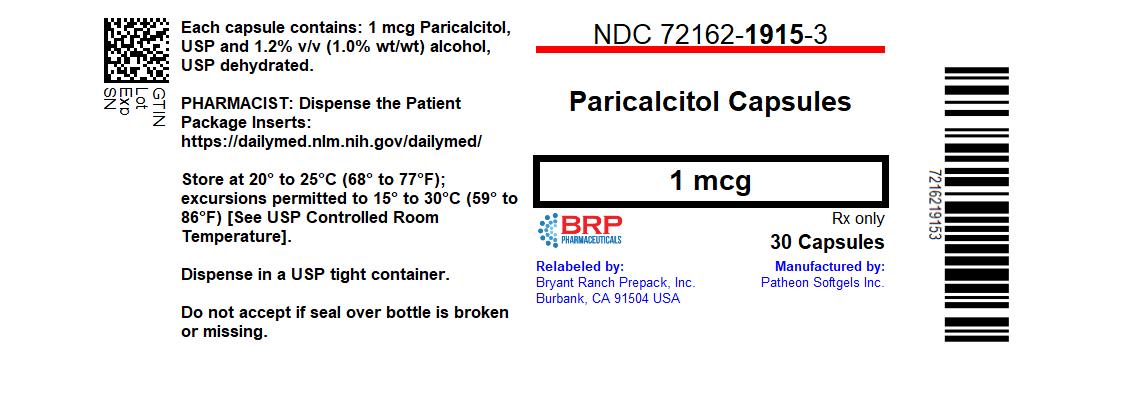
ParicalcitolZemplarPARICALCITOL
Active ingredients
PARICALCITOL
Indications
INDICATIONS AND USAGE Paricalcitol is a vitamin D analog indicated in adults for the prevention and treatment of secondary hyperparathyroidism associated with. · Chronic kidney disease (CKD) Stages 3 and 4 ( 1.1 ). · CKD Stage 5 in patients on hemodialysis or peritoneal dialysis ( 1.2 ). 1.1 Chronic Kidney Disease Stages 3 and 4 Paricalcitol capsules are indicated in adults for the prevention and treatment of secondary hyperparathyroidism associated with Chronic Kidney Disease (CKD) Stages 3 and 4. Pediatric use information for patients 10 to 16 years of age is approved for AbbVie Inc.’s Zemplar (paricalcitol) capsules. However, due to AbbVie Inc.’s marketing exclusivity rights, this drug product is not labeled with that pediatric information. 1.2 Chronic Kidney Disease Stage 5 Paricalcitol capsules are indicated in adults for the prevention and treatment of secondary hyperparathyroidism associated with CKD Stage 5 in patients on hemodialysis (HD) or peritoneal dialysis (PD). Pediatric use information for patients 10 to 16 years of age is approved for AbbVie Inc.’s Zemplar (paricalcitol) capsules. However, due to AbbVie Inc.’s marketing exclusivity rights, this drug product is not labeled with that pediatric information
Dosage
DOSAGE AND ADMINISTRATION Initial Dosage: CKD Stages 3 and 4 ( 2.1 , 2.3 ) Adult: Baseline iPTH ≤ 500 pg/mL 1 mcg orally daily or 2 mcg three times a week* Adult: Baseline iPTH > 500 pg/mL 2 mcg orally daily or 4 mcg three times a week* Pediatric: Ages 10 to 16 years 1 mcg orally three times a week* Dose Titration: CKD Stages 3 and 4 ( 2.1 , 2.3 ) Adult: iPTH same, increased or decreased by < 30% relative to baseline Increase dose by 1 mcg daily or 2 mcg three times a week* Adult: iPTH decreased by ≥ 30% and ≤ 60% relative to baseline Maintain dose Adult: iPTH decreased by > 60% or iPTH < 60 pg/mL relative to baseline Decrease dose by 1 mcg daily or 2 mcg three times a week* Pediatric: Ages 10 to 16 years Increase each dose by 1 mcg three times a week every 4 weeks or decrease each dose by 1 mcg three times a week at any time based on iPTH, serum calcium and phosphorus levels.* * Not more frequently than every other day when dosing three times a week. Initial Dosage: CKD Stage 5 ( 2.2 , 2.3 ) Adult Dose (micrograms) = baseline iPTH (pg/mL) divided by 80. Administer dose orally three times a week.* Pediatric: Ages 10 to 16 years Dose (micrograms) = baseline iPTH (pg/mL) divided by 120. Administer dose orally three times a week.* Dose Titration: CKD Stage 5 ( 2.2 , 2.3 ) Adult Dose in micrograms is based on most recent iPTH (pg/mL) divided by 80 with adjustments based on serum calcium and phosphorous levels. Dose three times a week.* Pediatric: Ages 10 to 16 years Increase each dose by 1 mcg three times a week every 4 weeks or decrease each dose by 2 mcg three times a week at any time based on iPTH, serum calcium and phosphorus levels.* * Not more frequently than every other day. CKD Stage 5: To avoid hypercalcemia only treat patients after their baseline serum calcium has been reduced to 9.5 mg/dL or lower ( 2.2 ). 2.1 Chronic Kidney Disease Stages 3 and 4 in Adults Administer paricalcitol capsules orally once daily or three times a week [see Clinical Studies (14.1) ]. When dosing three times weekly, do not administer more frequently than every other day. Initial Dose Table 1. Recommended Paricalcitol Capsules Starting Dose Based upon Baseline iPTH Level * To be administered not more often than every other day Baseline iPTH Level Daily Dose Three Times a Week Dose* Less than or equal to 500 pg/mL 1 mcg 2 mcg More than 500 pg/mL 2 mcg 4 mcg Dose Titration Table 2. Recommended Paricalcitol Capsules Dose Titration Base upon iPTH Level * To be administered not more often than every other day Dose Adjustment at 2 to 4 Week Intervals iPTH Level Relative to Baseline Paricalcitol Capsule Dose Daily Dosage Three Times a Week Dosage* The same, increased or decreased by less than 30% Increase dose by 1 mcg 2 mcg Decreased by more than or equal to 30% and less than or equal to 60% Maintain dose - - Decreased by more than 60% or iPTH less than 60 pg/mL Decrease dose by 1 mcg 2 mcg If a patient is taking the lowest dose, 1 mcg, on the daily regimen and a dose reduction is needed, the dose can be decreased to 1 mcg three times a week. If a further dose reduction is required, the drug should be withheld as needed and restarted at a lower dosing frequency. 2.2 Chronic Kidney Disease Stage 5 in Adults Initial Dose Administer the dose of paricalcitol capsules orally three times a week, no more frequently than every other day based upon the following formula: Dose (micrograms) = baseline iPTH (pg/mL) divided by 80 Treat patients only after their baseline serum calcium has been adjusted to 9.5 mg/dL or lower to minimize the risk of hypercalcemia [see Clinical Pharmacology (12.2) and Clinical Studies (14.2) ] . Dose Titration Individualize the dose of paricalcitol capsules based on iPTH, serum calcium and phosphorus levels. Titrate paricalcitol capsules dose based on the following formula: Dose (micrograms) = most recent iPTH level (pg/mL) divided by 80 If serum calcium is elevated, the dose should be decreased by 2 to 4 micrograms. As iPTH approaches the target range, small, individualized dose adjustments may be necessary in order to achieve a stable iPTH. In situations where monitoring of iPTH, Ca or P occurs less frequently than once per week, a more modest initial and dose titration ratio (e.g., iPTH divided by 100) may be warranted. 2.3 Pediatric Patients (Ages 10 to 16 Years) CKD Stages 3 and 4 Initial Dose Administer paricalcitol 1 mcg capsule orally three times a week, no more frequently than every other day. Dose Titration Individualize and titrate paricalcitol capsules dose based on iPTH, serum calcium and phosphorus levels to maintain an iPTH level within target range. Every 4 weeks, each administered paricalcitol capsules dose may be increased in 1 mcg increments, maintaining the three times per week regimen (e.g., increase from 1 mcg three times per week to 2 mcg three times per week). At any time, each administered dose may be decreased by 1 mcg. Paricalcitol capsules may be stopped if the patient requires reduction while receiving 1 mcg three times per week, resuming when appropriate. CKD Stage 5 Initial Dose Administer the dose of paricalcitol capsules orally three times a week, no more frequently than every other day based upon the following formula: Dose* (micrograms) = baseline iPTH (pg/mL) divided by 120 * Round down to the nearest whole number Dose Titration Subsequent dosing should be individualized and based on iPTH, serum calcium and phosphorus levels to maintain an iPTH level within target range. Every 4 weeks, each administered paricalcitol capsules dose may be increased in 1 mcg increments, maintaining the three times per week regimen (e.g., increase from 1 mcg three times per week to 2 mcg three times per week). At any time, each administered dose may be decreased by 2 mcg. Paricalcitol capsules may be stopped if the patient requires reduction while receiving 2 mcg three times per week or 1 mcg three times per week, resuming when appropriate. 2.4 Monitoring Monitor serum calcium and phosphorus levels closely after initiation of paricalcitol capsules, during dose titration periods and during co-administration with strong CYP3A inhibitors [see Warnings and Precautions (5.3) , Drug Interactions (7) , and Clinical Pharmacology (12.3) ] . If hypercalcemia is observed, the dose of paricalcitol capsules should be reduced or withheld until these parameters are normalized. 2.5 Administration Paricalcitol capsules may be taken without regard to food.
Warnings
WARNINGS AND PRECAUTIONS Hypercalcemia : The risk may be increased when Paricalcitol Injection is used concomitantly with high dose calcium preparations, thiazide diuretics, or metabolically inactive or active forms of vitamin D. Monitor serum calcium when using Paricalcitol Injection and adjust dose accordingly. ( 5.1 ) Digitalis Toxicity : Hypercalcemia increases the risk of digitalis toxicity. In patients using Paricalcitol Injection concomitantly with digitalis compounds, monitor both serum calcium and patients for signs and symptoms of digitalis toxicity and increase frequency of monitoring when initiating or adjusting the dose of Paricalcitol Injection. ( 5.2 ) Risk of Increased Paricalcitol Levels With Concomitant Use of Strong CYP3A Inhibitors : Use of Paricalcitol Injection with strong CYP3A inhibitors increases the concentration of paricalcitol in the blood. In patients on Paricalcitol Injection who are initiating or discontinuing drugs known to be strong CYP3A inhibitors, monitor serum calcium and PTH more frequently and adjust Paricalcitol Injection dose as required. ( 5.3 ) Adynamic Bone Disease : May develop if PTH levels are suppressed to abnormally low levels. Monitor PTH levels and adjust Paricalcitol Injection accordingly. ( 5.4 ) 5.1 Hypercalcemia Hypercalcemia may occur during Paricalcitol Injection treatment and may be exacerbated by concomitant administration of high doses of calcium containing preparations, thiazide diuretics, or vitamin D (i.e., all forms). Acute hypercalcemia may exacerbate tendencies for cardiac arrhythmias and seizures and may potentiate the effect of digitalis on the heart. Chronic hypercalcemia can lead to generalized vascular calcification and other soft-tissue calcification. Hypercalcemia may be so severe as to require emergency attention. High intake of calcium and phosphate concomitantly with vitamin D compounds may lead to hypercalcemia, hypercalciuria, and hyperphosphatemia. Prevention of such adverse reactions requires frequent serum calcium monitoring and careful Paricalcitol Injection dose adjustments. Concomitant use with other active vitamin D analogues should be avoided during Paricalcitol Injection treatment to prevent hypercalcemia. Patients also should be informed about the symptoms of elevated calcium, which include feeling tired, difficulty thinking clearly, loss of appetite, nausea, vomiting, constipation, increased thirst, increased urination and weight loss. 5.2 Digitalis Toxicity Hypercalcemia of any cause increases the risk of digitalis toxicity. In patients using Paricalcitol Injection concomitantly with digitalis compounds, monitor both serum calcium and patients for signs and symptoms of digitalis toxicity and increase frequency of monitoring when initiating or adjusting the dose of Paricalcitol Injection [see Dosage and Administration ( 2 ) ]. 5.3 Risk of Increased Paricalcitol Levels With Concomitant Use of Strong CYP3A Inhibitors Concomitant use of Paricalcitol Injection with strong CYP3A inhibitors will increase the levels of paricalcitol in the blood. In patients on Paricalcitol Injection who are initiating or discontinuing therapy with drugs known to be strong CYP3A inhibitors, monitor serum calcium and PTH more frequently and adjust Paricalcitol Injection dose as required [see Drug Interactions ( 7.1 ), Clinical Pharmacology ( 12.3 ) ]. 5.4 Adynamic Bone Disease Adynamic bone disease with subsequent increased risk of fractures may develop if PTH levels are suppressed to abnormally low levels. Monitor PTH levels and adjust Paricalcitol Injection dose [see Dosage and Administration ( 2 ) ].
Contraindications
CONTRAINDICATIONS Paricalcitol Injection is contraindicated in patients with: Hypercalcemia [see Warnings and Precautions (5.1) ] Vitamin D toxicity [see Warnings and Precautions (5.1) ] Known hypersensitivity to paricalcitol or any of the inactive ingredients in Paricalcitol Injection. Hypersensitivity adverse reactions have been reported [e.g., angioedema (including laryngeal edema) and urticaria] [see Adverse Reactions (6.2) ] . Hypercalcemia ( 4 ) Vitamin D toxicity ( 4 ) Known hypersensitivity to paricalcitol or any other inactive ingredient. ( 4 )
Drug interactions
DRUG INTERACTIONS Table 4 includes clinically significant drug interactions with Paricalcitol Injection. Table 4: Clinically Significant Drug Interactions with Paricalcitol Injection Drugs that May Increase the risk of Hypercalcemia Clinical Impact Concomitant administration of high doses of calcium-containing preparations or other vitamin D compounds may increase the risk of hypercalcemia. Thiazide diuretics are known to induce hypercalcemia by reducing excretion of calcium in the urine. Examples Calcium-containing products, other vitamin D compounds or thiazide diuretics Intervention Monitor calcium more frequently and adjust Paricalcitol Injection dose as needed [see Warnings and Precautions (5.1) ] . Digitalis Compounds Clinical Impact Paricalcitol Injection can cause hypercalcemia which can potentiate the risk of digitalis toxicity. Intervention Monitor patients for signs and symptoms of digitalis toxicity and increase frequency of serum calcium monitoring when initiating or adjusting the dose of Paricalcitol Injection in patients receiving digitalis compounds [see Warnings and Precautions (5.2) ] . Strong CYP3A Inhibitors Clinical Impact Paricalcitol Injection is partially metabolized by CYP3A. Exposure of Paricalcitol Injection will increase upon coadministration with strong CYP3A inhibitors [see Clinical Pharmacology (12.3) ] . Examples Clarithromycin, conivaptan, grapefruit juice, indinavir, itraconazole, ketoconazole, lopinavir/ritonavir, mibefradil, nefazodone, nelfinavir, posaconazole, ritonavir, saquinavir, and voriconazole Intervention If a patient initiates or discontinues therapy with a strong CYP3A4 inhibitor, dose adjustment of Paricalcitol Injection may be necessary. Monitor intact PTH and serum calcium concentrations closely. Strong CYP3A Inhibitors: Co-administration with strong CYP3A inhibitors (e.g., ketoconazole) increases Paricalcitol Injection exposure. Dose adjustment may be necessary. Closely monitor intact PTH and serum calcium. ( 2.4 , 7 )
Adverse reactions
ADVERSE REACTIONS Because clinical studies are conducted under widely varying conditions, adverse reaction rates observed in the clinical studies of a drug cannot be directly compared to rates in the clinical studies of another drug and may not reflect the rates observed in practice. The most common adverse reactions (> 5% and more frequent than placebo) include diarrhea, nasopharyngitis, dizziness, vomiting, hypertension, hypersensitivity, nausea, and edema (6). To report SUSPECTED ADVERSE REACTIONS, contact Aurobindo Pharma USA, Inc. at 1-800-850-2876 or FDA at 1-800-FDA-1088 or www.fda.gov/medwatch 6.1 Clinical Trials Experience CKD Stages 3 and 4 Adults The safety of paricalcitol capsules has been evaluated in three 24-week (approximately six-month), double-blind, placebo-controlled, multicenter clinical studies involving 220 CKD Stages 3 and 4 patients. Six percent (6%) of paricalcitol capsules treated patients and 4% of placebo treated patients discontinued from clinical studies due to an adverse event. Adverse events occurring in the paricalcitol capsules group at a frequency of 2% or greater and more frequently than in the placebo group are presented in Table 3: Table 3. Adverse Reactions by Body System Occurring in ≥ 2% of Subjects in the Paricalcitol-Treated Group of Three, Double-Blind, Placebo-Controlled CKD Stages 3 and 4 Studies Number (%) of Subjects Adverse Event a Paricalcitol Capsules (n = 107) Placebo (n = 113) Overall 88 (82%) 86 (76%) Ear and Labyrinth Disorders Vertigo 5 (5%) 0 (0%) Gastrointestinal Disorders Abdominal Discomfort 4 (4%) 1 (1%) Constipation 4 (4%) 4 (4%) Diarrhea 7 (7%) 5 (4%) Nausea 6 (6%) 4 (4%) Vomiting 5 (5%) 5 (4%) General Disorders and Administration Site Conditions Chest Pain 3 (3%) 1 (1%) Edema 6 (6%) 5 (4%) Pain 4 (4%) 4 (4%) Immune System Disorders Hypersensitivity 6 (6%) 2 (2%) Infections and Infestations Fungal Infection 3 (3%) 0 (0%) Gastroenteritis 3 (3%) 3 (3%) Infection 3 (3%) 3 (3%) Sinusitis 3 (3%) 1 (1%) Urinary Tract Infection 3 (3%) 1 (1%) Viral Infection 8 (7%) 8 (7%) Metabolism and Nutrition Disorders Dehydration 3 (3%) 1 (1%) Musculoskeletal and Connective Tissue Disorders Arthritis 5 (5%) 0 (0%) Back Pain 3 (3%) 1 (1%) Muscle Spasms 3 (3%) 0 (0%) Nervous System Disorders Dizziness 5 (5%) 5 (4%) Headache 5 (5%) 5 (4%) Syncope 3 (3%) 1 (1%) Psychiatric Disorders Depression 3 (3%) 0 (0%) Respiratory, Thoracic and Mediastinal Disorders Cough 3 (3%) 2 (2%) Oropharyngeal Pain 4 (4%) 0 (0%) Skin and Subcutaneous Tissue Disorders Pruritus 3 (3%) 3 (3%) Rash 4 (4%) 1 (1%) Skin Ulcer 3 (3%) 0 (0%) Vascular Disorders Hypertension 7 (7%) 4 (4%) Hypotension 5 (5%) 3 (3%) a. Includes only events more common in the paricalcitol treatment group. Additional Adverse Reactions The following additional adverse reactions occurred in <2% of the paricalcitol-treated patients in the above double-blind, placebo-controlled clinical trial. Gastrointestinal Disorders: Dry mouth Investigations: Hepatic enzyme abnormal Nervous System Disorders: Dysgeusia Skin and Subcutaneous Tissue Disorders: Urticaria Pediatric patients 10 to 16 years of age The safety of paricalcitol capsules has been evaluated in one multicenter clinical study involving CKD Stages 3 and 4 patients ages 10 to 16 years. A 12-week double-blind, placebo-controlled phase was followed by an open-label phase during which all patients received paricalcitol capsules. During the 12-week blinded phase, a total of 18 patients received paricalcitol capsules and 18 patients received placebo. Adverse events occurring more frequently in the paricalcitol capsules group than in the placebo group are presented in Table 4. Table 4. Adverse Reactions by Body System Occurring in the Double-Blind, Placebo-Controlled, CKD Stages 3 and 4 Study in Patients Ages 10 to 16 Years Number (%) of Subjects Adverse Event a Paricalcitol Capsules (n = 18) Placebo (n = 18) Overall 7 (39%) 16 (89%) Gastrointestinal Disorders Nausea 1 (6%) 0 (0%) Infections and Infestations Conjunctivitis 1 (6%) 0 (0%) Rhinitis 3 (17%) 0 (0%) Renal and Urinary Disorders Micturition Urgency 1 (6%) 0 (0%) Respiratory, Thoracic and Mediastinal Disorders Asthma 1 (6%) 0 (0%) a. Includes only events more common in the paricalcitol treatment group. Additional Adverse Reactions The following adverse reactions have occurred in paricalcitol capsules-treated patients: Gastrointestinal Disorders: Abdominal pain, constipation, vomiting Metabolism and Nutrition Disorders: Hypercalcemia and hyperphosphatemia Nervous System Disorders: Headache CKD Stage 5 Adults The safety of paricalcitol capsules has been evaluated in one 12-week, double-blind, placebo-controlled, multicenter clinical study involving 88 CKD Stage 5 patients. Sixty-one patients received paricalcitol capsules and 27 patients received placebo. The proportion of patients who terminated prematurely from the study due to adverse events was 7% for paricalcitol capsules treated patients and 7% for placebo patients. Adverse events occurring in the paricalcitol capsules group at a frequency of 2% or greater and more frequently than in the placebo group are as follows: Table 5. Adverse Reactions by Body System Occurring in ≥ 2% of Subjects in the Paricalcitol-Treated Group, Double-Blind, Placebo-Controlled CKD Stage 5 Study Number (%) of Subjects Adverse Events a Paricalcitol Capsules (n=61) Placebo (n = 27) Overall 43 (70%) 19 (70%) Gastrointestinal Disorders Constipation 3 (5%) 0 (0%) Diarrhea 7 (11%) 3 (11%) Vomiting 4 (7%) 0 (0%) General Disorders and Administration Site Conditions Fatigue 2 (3%) 0 (0%) Edema Peripheral 2 (3%) 0 (0%) Infections and Infestations Nasopharyngitis 5 (8%) 2 (7%) Peritonitis 3 (5%) 0 (0%) Sinusitis 2 (3%) 0 (0%) Urinary Tract Infection 2 (3%) 0 (0%) Metabolism and Nutrition Disorders Fluid Overload 3 (5%) 0 (0%) Hypoglycemia 2 (3%) 0 (0%) Nervous System Disorders Dizziness 4 (7%) 0 (0%) Headache 2 (3%) 0 (0%) Psychiatric Disorders Anxiety 2 (3%) 0 (0%) Insomnia 3 (5%) 0 (0%) Renal and Urinary Disorders Renal Failure Chronic 2 (3%) 0 (0%) a. Includes only events more common in the paricalcitol treatment group. Additional Adverse Reactions The following adverse reactions occurred in <2% of the paricalcitol-treated patients in the above double-blind, placebo-controlled clinical trial. Gastrointestinal Disorders: Gastroesophageal reflux disease Metabolism and Nutrition Disorders: Decreased appetite, hypercalcemia, hypocalcemia Reproductive System and Breast Disorders: Breast tenderness Skin and Subcutaneous Tissue Disorders: Acne Pediatric patients 10 to 16 years of age The safety of paricalcitol capsules has been evaluated in one 12-week, open-label, single-arm, multicenter clinical studies involving 13 CKD Stage 5 patients ages 10 to 16 years of age receiving peritoneal dialysis or hemodialysis. The following adverse reactions were reported: Gastrointestinal Disorders: Abdominal pain, diarrhea, nausea, vomiting Metabolism and Nutrition Disorders: Hypercalcemia, hyperphosphatemia Three of 13 patients (23%) had hypercalcemia defined as at least 2 consecutive serum calcium values >10.2 mg/dL (2.55 mmol/L). 6.2 Postmarketing Experience The following adverse reactions have been identified during post-approval use of paricalcitol capsules. Because these reactions are reported voluntarily from a population of uncertain size, it is not always possible to reliably estimate their frequency or establish a causal relationship to drug exposure. Immune System Disorders : Angioedema (including laryngeal edema) Investigations: Blood creatinine increased
Mechanism of action
CLINICAL PHARMACOLOGY Secondary hyperparathyroidism is characterized by an elevation in parathyroid hormone (PTH) associated with inadequate levels of active vitamin D hormone. The source of vitamin D in the body is from synthesis in the skin as vitamin D 3 and from dietary intake as either vitamin D 2 or D 3 . Both vitamin D 2 and D 3 require two sequential hydroxylations in the liver and the kidney to bind to and to activate the vitamin D receptor (VDR). The endogenous VDR activator, calcitriol [1,25(OH) 2 D 3 ], is a hormone that binds to VDRs that are present in the parathyroid gland, intestine, kidney, and bone to maintain parathyroid function and calcium and phosphorus homeostasis, and to VDRs found in many other tissues, including prostate, endothelium and immune cells. VDR activation is essential for the proper formation and maintenance of normal bone. In the diseased kidney, the activation of vitamin D is diminished, resulting in a rise of PTH, subsequently leading to secondary hyperparathyroidism and disturbances in the calcium and phosphorus homeostasis. Decreased levels of 1,25(OH) 2 D 3 have been observed in early stages of chronic kidney disease. The decreased levels of 1,25(OH) 2 D 3 and resultant elevated PTH levels, both of which often precede abnormalities in serum calcium and phosphorus, affect bone turnover rate and may result in renal osteodystrophy. 12.1 Mechanism of Action Paricalcitol is a synthetic, biologically active vitamin D 2 analog of calcitriol. Preclinical and in vitro studies have demonstrated that paricalcitol's biological actions are mediated through binding of the VDR, which results in the selective activation of vitamin D responsive pathways. Vitamin D and paricalcitol have been shown to reduce parathyroid hormone levels by inhibiting PTH synthesis and secretion. 12.2 Pharmacodynamics Paricalcitol decreases serum intact parathyroid hormone (iPTH) and increases serum calcium and serum phosphorous in both HD and PD patients. This observed relationship was quantified using a mathematical model for HD and PD patient populations separately. Computer-based simulations of 100 trials in HD or PD patients (N = 100) using these relationships predict slightly lower efficacy (at least two consecutive ≥ 30% reductions from baseline iPTH) with lower hypercalcemia rates (at least two consecutive serum calcium ≥ 10.5 mg/dL) for lower iPTH-based dosing regimens. Further lowering of hypercalcemia rates was predicted if the treatment with paricalcitol is initiated in patients with lower serum calcium levels at screening. Based on these simulations, a dosing regimen of iPTH/80 with a screening serum calcium ≤ 9.5 mg/dL, approximately 76.5% (95% CI: 75.6% – 77.3%) of HD patients are predicted to achieve at least two consecutive weekly ≥ 30% reductions from baseline iPTH over a duration of 12 weeks. The predicted incidence of hypercalcemia is 0.8% (95% CI: 0.7% – 1.0%). In PD patients, with this dosing regimen, approximately 83.3% (95% CI: 82.6% – 84.0%) of patients are predicted to achieve at least two consecutive weekly ≥ 30% reductions from baseline iPTH. The predicted incidence of hypercalcemia is 12.4% (95% CI: 11.7% - 13.0%) [ see Clinical Studies ( 14.2 ) and Dosage and Administration ( 2.2 )]. 12.3 Pharmacokinetics Absorption The mean absolute bioavailability of paricalcitol capsules under low-fat fed condition ranged from 72% to 86% in healthy adult volunteers, CKD Stage 5 patients on HD, and CKD Stage 5 patients on PD. A food effect study in healthy adult volunteers indicated that the C max and AUC 0-∞ were unchanged when paricalcitol was administered with a high fat meal compared to fasting. Food delayed T max by about 2 hours. The AUC 0-∞ of paricalcitol increased proportionally over the dose range of 0.06 to 0.48 mcg/kg in healthy adult volunteers. Distribution Paricalcitol is extensively bound to plasma proteins (≥ 99.8%). The mean apparent volume of distribution following a 0.24 mcg/kg dose of paricalcitol in healthy adult volunteers was 34 L. The mean apparent volume of distribution following a 4 mcg dose of paricalcitol in CKD Stage 3 and a 3 mcg dose in CKD Stage 4 patients is between 44 and 46 L. Metabolism After oral administration of a 0.48 mcg/kg dose of 3 H-paricalcitol, parent drug was extensively metabolized, with only about 2% of the dose eliminated unchanged in the feces, and no parent drug was found in the urine. Several metabolites were detected in both the urine and feces. Most of the systemic exposure was from the parent drug. Two minor metabolites, relative to paricalcitol, were detected in human plasma. One metabolite was identified as 24(R)-hydroxy paricalcitol, while the other metabolite was unidentified. The 24(R)-hydroxy paricalcitol is less active than paricalcitol in an in vivo rat model of PTH suppression. In vitro data suggest that paricalcitol is metabolized by multiple hepatic and non-hepatic enzymes, including mitochondrial CYP24, as well as CYP3A4 and UGT1A4. The identified metabolites include the product of 24(R)-hydroxylation, 24,26- and 24,28-dihydroxylation and direct glucuronidation. Elimination Paricalcitol is eliminated primarily via hepatobiliary excretion; approximately 70% of the radiolabeled dose is recovered in the feces and 18% is recovered in the urine. While the mean elimination half-life of paricalcitol is 4 to 6 hours in healthy adult volunteers, the mean elimination half-life of paricalcitol in CKD Stages 3, 4, and 5 (on HD and PD) patients ranged from 14 to 20 hours. Table 7. Paricalcitol Capsule Pharmacokinetic Parameters (mean ± SD) in CKD Stages 3, 4, and 5 Adult Patients Pharmacokinetic Parameters CKD Stage 3 n = 15* CKD Stage 4 n = 14* CKD Stage 5 HD** n = 14 CKD Stage 5 PD** n = 8 HD: hemodialysis; PD: peritoneal dialysis. * Four mcg paricalcitol capsules were given to CKD Stage 3 patients; three mcg paricalcitol capsules were given to CKD Stage 4 patients. ** CKD Stage 5 HD and PD patients received a 0.24 mcg/kg dose of paricalcitol as capsules. C max (ng/mL) 0.11 ± 0.04 0.06 ± 0.01 0.575 ± 0.17 0.413 ± 0.06 AUC 0-∞ (ng • h/mL) 2.42 ± 0.61 2.13 ± 0.73 11.67 ± 3.23 13.41 ± 5.48 CL/F (L/h) 1.77 ± 0.50 1.52 ± 0.36 1.82 ± 0.75 1.76 ± 0.77 V/F (L) 43.7 ± 14.4 46.4 ± 12.4 38 ± 16.4 48.7 ± 15.6 t 1/2 16.8 ± 2.65 19.7 ± 7.2 13.9 ± 5.1 17.7 ± 9.6 Specific Populations Geriatric The pharmacokinetics of paricalcitol has not been investigated in geriatric patients greater than 65 years [ see Use in Specific Populations ( 8.5 ) ]. Pediatric Pediatric use information for patients 10 to 16 years of age is approved for AbbVie Inc.’s Zemplar (paricalcitol) capsules. However, due to AbbVie Inc.’s marketing exclusivity rights, this drug product is not labeled with that pediatric information. Gender The pharmacokinetics of paricalcitol following single doses over the 0.06 to 0.48 mcg/kg dose range was gender independent. Hepatic Impairment The disposition of paricalcitol (0.24 mcg/kg) was compared in patients with mild (n = 5) and moderate (n = 5) hepatic impairment (as indicated by the Child-Pugh method) and subjects with normal hepatic function (n = 10). The pharmacokinetics of unbound paricalcitol was similar across the range of hepatic function evaluated in this study. No dose adjustment is required in patients with mild and moderate hepatic impairment. The influence of severe hepatic impairment on the pharmacokinetics of paricalcitol has not been evaluated. Renal Impairment Following administration of paricalcitol capsules, the pharmacokinetic profile of paricalcitol for CKD Stage 5 on HD or PD was comparable to that in CKD 3 or 4 patients. Therefore, no special dose adjustments are required other than those recommended in the Dosage and Administration section [ see Dosage and Administration ( 2 ) ]. Drug Interactions An in vitro study indicates that paricalcitol is neither an inhibitor of CYP1A2, CYP2A6, CYP2B6, CYP2C8, CYP2C9, CYP2C19, CYP2D6, CYP2E1 or CYP3A nor an inducer of
Available forms (13)
1 ML paricalcitol 0.002 MG/ML Injection1 ML paricalcitol 0.005 MG/ML Injection2 ML paricalcitol 0.005 MG/ML Injectionparicalcitol 0.001 MG Oral Capsuleparicalcitol 0.002 MG/ML Injectable Solutionparicalcitol 0.002 MG Oral Capsuleparicalcitol 0.004 MG Oral Capsuleparicalcitol 0.005 MG/ML Injectable Solution1 ML paricalcitol 0.002 MG/ML Injection [Zemplar]brand1 ML paricalcitol 0.005 MG/ML Injection [Zemplar]brandparicalcitol 0.001 MG Oral Capsule [Zemplar]brandparicalcitol 0.002 MG Oral Capsule [Zemplar]brandparicalcitol 0.005 MG/ML Injectable Solution [Zemplar]brand
NDC examples
25000-01225000-01725000-0140074-90360074-43140074-431763629-245216729-31016729-3110143-95960143-96250143-9624
Indicated ICD-10 codes
Treats these conditions
Source: openFDA + RxNorm · 2026
Look up another medication