Norethindrone Acetate/ethinyl Estradiol and Ferrous Fumarate
Norethindrone Acetate/ethinyl Estradiol and Ferrous Fumarate. INDICATIONS AND USAGE Microgestin Fe 1/20 is indicated for the prevention of pregnancy in women who elect to use oral contraceptives as a method of…
Boxed warning
WARNING: CIGARETTE SMOKING AND SERIOUS CARDIOVASCULAR EVENTS Cigarette smoking increases the risk of serious cardiovascular events from combination oral contraceptive (COC) use. This risk increases with age, particularly in women over 35 years of age, and with the number of cigarettes smoked. For this reason, COCs, including Microgestin Fe 1/20, are contraindicated in women who are over 35 years of age and smoke (see CONTRAINDICATIONS and WARNINGS). Cigarette smoking increases the risk of serious cardiovascular side effects from oral contraceptive use. This risk increases with age and with heavy smoking (15 or more cigarettes per day) and is quite marked in women over 35 years of age. Women who use oral contraceptives are strongly advised not to smoke. Oral contraceptives, also known as "birth control pills" or "the pill," are taken to prevent pregnancy and, when taken correctly, have a failure rate of about 1% per year when used without missing any pills. The typical failure rate of large numbers of pill users is less than 3% per year when women who miss pills are included. For most women oral contraceptives are also free of serious or unpleasant side effects. However, forgetting to take pills considerably increases the chances of pregnancy. For the majority of women, oral contraceptives can be taken safely. But there are some women who are at high risk of developing certain serious diseases that can be life-threatening or may cause temporary or permanent disability. The risks associated with taking oral contraceptives increase significantly if you: Smoke Have high blood pressure, diabetes, high cholesterol Have or have had clotting disorders, heart attack, stroke, angina pectoris, cancer of the breast, jaundice, or malignant or benign liver tumors. You should not take the pill if you suspect you are pregnant or have unexplained vaginal bleeding. Cigarette smoking increases the risk of serious cardiovascular side effects from oral contraceptive use. This risk increases with age and with heavy smoking (15 or more cigarettes per day) and is quite marked in women over 35 years of age. Women who use oral contraceptives are strongly advised not to smoke. HOW TO TAKE THE PILL IMPORTANT POINTS TO REMEMBER BEFORE YOU START TAKING YOUR PILLS: 1. BE SURE TO READ THESE DIRECTIONS: Before you start taking your pills Anytime you are not sure what to do 2. THE RIGHT WAY TO TAKE THE PILL IS TO TAKE ONE PILL EVERY DAY AT THE SAME TIME. If you miss pills you could get pregnant. This includes starting the pack late. The more pills you miss, the more likely you are to get pregnant. 3. MANY WOMEN HAVE SPOTTING OR LIGHT BLEEDING, OR MAY FEEL SICK TO THEIR STOMACH, DURING THE FIRST 1-3 PACKS OF PILLS. If you do have spotting or light bleeding or feel sick to your stomach, do not stop taking the pill. The problem will usually go away. If it doesn't go away, check with your doctor or clinic. 4. MISSING PILLS CAN ALSO CAUSE SPOTTING OR LIGHT BLEEDING, even when you make up these missed pills. On the days you take 2 pills to make up for missed pills, you could also feel a little sick to your stomach. 5. IF YOU HAVE VOMITING OR DIARRHEA, for any reason, or IF YOU TAKE SOME MEDICINES, including some antibiotics, your birth control pills may not work as well. Use a back-up birth control method (such as condoms or foam) until you check with your doctor or clinic. 6. IF YOU HAVE TROUBLE REMEMBERING TO TAKE THE PILL, talk to your doctor or clinic about how to make pill-taking easier or about using another method of birth control. 7. IF YOU HAVE ANY QUESTIONS OR ARE UNSURE ABOUT THE INFORMATION IN THIS LEAFLET, call your doctor or clinic. BEFORE YOU START TAKING YOUR PILLS 1. DECIDE WHAT TIME OF DAY YOU WANT TO TAKE YOUR PILL. It is important to take it at about the same time every day. 2. LOOK AT YOUR PILL PACK: The 28-Day pill pack has 21 "active" pale yellow pills (with hormones) to take for 3 weeks, followed by 1 week of reminder brown pills (without hormones). 3. ALSO FIND: 1) where on the pack to start taking pills, 2) in what order to take the pills (follow the arrows), and 3) the week numbers as shown in the following pictures: Microgestin Fe 1/20 will contain: 21 PALE YELLOW PILLS for WEEKS 1, 2, and 3. WEEK 4 will contain BROWN PILLS ONLY 4. BE SURE YOU HAVE READY AT ALL TIMES: ANOTHER KIND OF BIRTH CONTROL (such as condoms or foam) to use as a back-up in case you miss pills. An EXTRA, FULL PILL PACK. WHEN TO START THE FIRST PACK OF PILLS You have a choice of which day to start taking your first pack of pills. Decide with your doctor or clinic which is the best day for you. Pick a time of day which will be easy to remember. DAY-1 START: 1. Pick the day label sticker that starts with the first day of your period. (This is the day you start bleeding or spotting, even if it is almost midnight when the bleeding begins.) 2. Place this day label sticker on the compact tablet dispenser over the area that has the days of the week (starting with Sunday) printed on the plastic. 3. Take the first "active" pale yellow pill of the first pack during the first 24 hours of your period . 4. You will not need to use a back-up method of birth control, since you are starting the pill at the beginning of your period. SUNDAY START: 1. Take the first "active" pale yellow pill of the first pack on the Sunday after your period starts, even if you are still bleeding. If your period begins on Sunday, start the pack that same day. 2. Use another method of birth control as a back-up method if you have sex anytime from the Sunday you start your first pack until the next Sunday (7 days). Condoms or foam are good back-up methods of birth control. WHAT TO DO DURING THE MONTH 1. TAKE ONE PILL AT THE SAME TIME EVERY DAY UNTIL THE PACK IS EMPTY. Do not skip pills even if you are spotting or bleeding between monthly periods or feel sick to your stomach (nausea). Do not skip pills even if you do not have sex very often. 2. WHEN Y OU FINISH A PACK OR SWITCH YOUR BRAND OF PILLS: 21 pills: Wait 7 days to start the next pack. You will probably have your period during that week. Be sure that no more than 7 days pass between 21-day packs. 28 pills: Start the next pack on the day after your last "reminder" pill. Do not wait any days between packs. WHAT TO DO IF YOU MISS PILLS If you MISS 1 pale yellow "active" pill: 1. Take it as soon as you remember. Take the next pill at your regular time. This means you may take 2 pills in 1 day. 2. You do not need to use a back-up birth control method if you have sex. If you MISS 2 pale yellow "active" pills in a row in WEEK 1 OR WEEK 2 of your pack: 1. Take 2 pills on the day you remember and 2 pills the next day. 2. Then take 1 pill a day until you finish the pack. 3. You COULD GET PREGNANT if you have sex in the 7 days after you miss pills. You MUST use another birth control method (such as condoms or foam) as a back-up method of birth control until you have taken a pale yellow "active" pill every day for 7 days. If you MISS 2 pale yellow "active" pills in a row in THE 3rd WEEK: 1. If you are a Day-1 Starter: THROW OUT the rest of the pill pack and start a new pack that same day. If you are a Sunday Starter: Keep taking 1 pill every day until Sunday. On Sunday, THROW OUT the rest of the pack and start a new pack of pills that same day. 2. You may not have your period this month, but this is expected. However, if you miss your period 2 months in a row, call your doctor or clinic because you might be pregnant. 3. You COULD GET PREGNANT if you have sex in the 7 days after you miss pills. You MUST use another birth control method (such as condoms or foam) as a back-up method of birth control until you have taken a pale yellow "active" pill every day for 7 days. If you MISS 3 OR MORE pale yellow "active" pills in a row (during the first 3 weeks): 1. If you are a Day-1 Starter: THROW OUT the rest of the pill pack and start a new pack that same day. If you are a Sunday Starter: Ke
Brand names
Microgestin Fe 1.5/30Microgestin Fe 1/20Mibelas 24 FeMicrogestin 24 Fe
INDICATIONS AND USAGE Microgestin Fe 1/20 is indicated for the prevention of pregnancy in women who elect to use oral contraceptives as a method of contraception. Oral contraceptives are highly effective. Table I lists the typical accidental pregnancy rates for users of combination oral contraceptives and other methods of contraception. The efficacy of these contraceptive methods, except sterilization, depends upon the reliability with which they are used. Correct and consistent use of methods can result in lower failure rates. Adapted from RA Hatcher et al, Reference 7. TABLE I LOWEST EXPECTED AND TYPICAL FAILURE RATES DURING THE FIRST YEAR OF CONTINUOUS USE OF A METHOD % of Women Experiencing an Unintended Pregnancy in the First Year of Continuous Use Method Lowest Expected* Typical** (No contraception) (85) (85) Oral contraceptives 3 combined 0.1 N/A*** progestin only 0.5 N/A*** Diaphragm with spermicidal cream or jelly 6 20 Spermicides alone (foam, creams, gels, vaginal suppositories, and vaginal film) 6 26 Vaginal Sponge nulliparous 9 20 parous 20 40 Implant 0.05 0.05 Injection: depot medroxyprogesterone acetate 0.3 0.3 IUD progesterone T 1.5 2.0 copper T 380A 0.6 0.8 LNg 20 0.1 0.1 Condom without spermicides female 5 21 male 3 14 Cervical Cap with spermicidal cream of jelly nulliparous 9 20 parous 26 40 Periodic abstinence (all methods) 1 to 9 25 Withdrawal 4 19 Female sterilization 0.5 0.5 Male sterilization 0.10 0.15 *The authors' best guess of the percentage of women expected to experience an accidental pregnancy among couples who initiate a method (not necessarily for the first time) and who use it consistently and correctly during the first year if they do not stop for any other reason. **This term represents "typical" couples who initiate use of a method (not necessarily for the first time), who experience an accidental pregnancy during the first year if they do not stop use for any other reason. ***N/A--Data not available
Dosage
DOSAGE AND ADMINISTRATION The tablet dispenser has been designed to make oral contraceptive dosing as easy and as convenient as possible. The tablets are arranged in either three or four rows of seven tablets each, with the days of the week appearing on the tablet dispenser above the first row of tablets. Note: Each tablet dispenser has been preprinted with the days of the week, starting with Sunday, to facilitate a Sunday-Start regimen. Six different day label stickers have been provided with the Detailed Patient & Brief Summary Patient Package Insert in order to accomodate a Day-1 Start regimen. If the patient is using the Day-1 Start regimen, she should place the self-adhesive day label sticker that corresponds to her starting day over the preprinted days. Important: The patient should be instructed to use an additional method of protection until after the first week of administration in the initial cycle when utilizing the Sunday-Start regimen. The possibility of ovulation and conception prior to initiation of use should be considered. Dosage and Administration for 28-Day Dosage Regimen To achieve maximum contraceptive effectiveness, Microgestin Fe 1/20 should be taken exactly as directed and at intervals not exceeding 24 hours. Microgestin Fe 1/20 provides a continuous administration regimen consisting of 21 light-colored (pale yellow) tablets of norethindrone acetate and ethinyl estradiol and 7 brown non-hormone containing tablets of ferrous fumarate. The ferrous fumarate tablets are present to facilitate ease of drug administration via a 28-day regimen and do not serve any therapeutic purpose. There is no need for the patient to count days between cycles because there are no "off-tablet days.'' A. Sunday-Start Regimen: The patient begins taking the first light-colored tablet from the top row of the dispenser (labeled Sunday) on the first Sunday after menstrual flow begins. When the menstrual flow begins on Sunday, the first light-colored tablet is taken on the same day. The patient takes one light-colored tablet daily for 21 days. The last light-colored tablet in the dispenser will be taken on a Saturday. Upon completion of all 21 light-colored tablets, and without interruption, the patient takes one brown tablet daily for 7 days. Upon completion of this first course of tablets, the patient begins a second course of 28-day tablets, without interruption, the next day (Sunday), starting with the Sunday light-colored tablet in the top row. Adhering to this regimen of one light-colored tablet daily for 21 days, followed without interruption by one brown tablet daily for seven days, the patient will start all subsequent cycles on a Sunday. B. Day-1 Start Regimen: The first day of menstrual flow is Day 1. The patient places the self-adhesive day label sticker that corresponds to her starting day over the preprinted days on the tablet dispenser. She starts taking one light-colored tablet daily, beginning with the first light-colored tablet in the top row. After the last light-colored tablet (at the end of the third row) has been taken, the patient will then take the brown tablets for a week (7 days). For all subsequent cycles, the patient begins a new 28 tablet regimen on the eighth day after taking her last light-colored tablet, again starting with the first tablet in the top row after placing the appropriate day label sticker over the preprinted days on the tablet dispenser. Following this regimen of 21 light-colored tablets and 7 brown tablets, the patient will start all subsequent cycles on the same day of the week as the first course. Tablets should be taken regularly with a meal or at bedtime. It should be stressed that efficacy of medication depends on strict adherence to the dosage schedule. Special Notes on Administration Menstruation usually begins two or three days, but may begin as late as the fourth or fifth day, after the brown tablets have been started. In any event, the next course of tablets should be started without interruption. If spotting occurs while the patient is taking light-colored tablets, continue medication without interruption. If the patient forgets to take one or more light-colored tablets, the following is suggested: One tablet is missed take tablet as soon as remembered take next tablet at the regular time Two consecutive tablets are missed (week 1 or week 2) take two tablets as soon as remembered take two tablets the next day use another birth control method for seven days following the missed tablets Two consecutive tablets are missed (week 3) Sunday-Start Regimen: take one tablet daily until Sunday discard remaining tablets start new pack of tablets immediately (Sunday) use another birth control method for seven days following the missed tablets Day-1 Start Regimen: discard remaining tablets start new pack of tablets that same day use another birth control method for seven days following the missed tablets Three (or more) consecutive tablets are missed Sunday-Start Regimen: take one tablet daily until Sunday discard remaining tablets start new pack of tablets immediately (Sunday) use another birth control method for seven days following the missed tablets Day-1 Start Regimen: discard remaining tablets start new pack of tablets that same day use another birth control method for seven days following the missed tablets The possibility of ovulation occurring increases with each successive day that scheduled light-colored tablets are missed. While there is little likelihood of ovulation occurring if only one light-colored tablet is missed, the possibility of spotting or bleeding is increased. This is particularly likely to occur if two or more consecutive light-colored tablets are missed. If the patient forgets to take any of the seven brown tablets in week four, those brown tablets that were missed are discarded and one brown tablet is taken each day until the pack is empty. A back-up birth control method is not required during this time. A new pack of tablets should be started no later than the eighth day after the last light-colored tablet was taken. In the rare case of bleeding which resembles menstruation, the patient should be advised to discontinue medication and then begin taking tablets from a new tablet dispenser on the next Sunday or the first day (Day-1), depending on her regimen. Persistent bleeding which is not controlled by this method indicates the need for reexamination of the patient, at which time nonfunctional causes should be considered. Use of Oral Contraceptives in the Event of a Missed Menstrual Period 1. If the patient has not adhered to the prescribed dosage regimen, the possibility of pregnancy should be considered after the first missed period and oral contraceptives should be withheld until pregnancy has been ruled out. 2. If the patient has adhered to the prescribed regimen and misses two consecutive periods, pregnancy should be ruled out before continuing the contraceptive regimen. After several months on treatment, bleeding may be reduced to a point of virtual absence. This reduced flow may occur as a result of medication, in which event it is not indicative of pregnancy.
Warnings
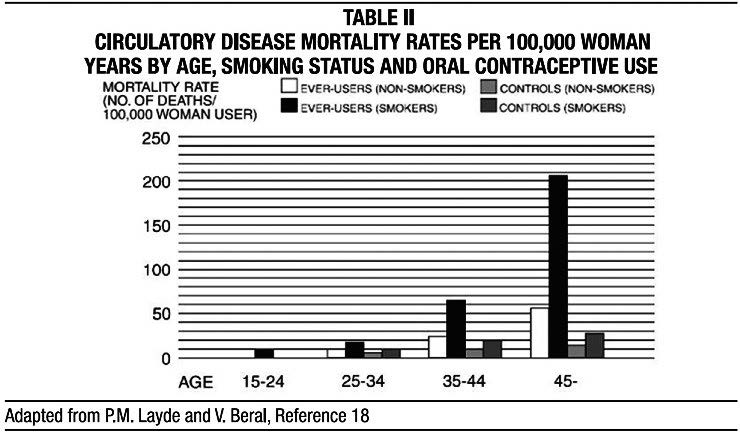
WARNINGS The use of oral contraceptives is associated with increased risks of several serious conditions including myocardial infarction, thromboembolism, stroke, hepatic neoplasia, and gallbladder disease, although the risk of serious morbidity or mortality is very small in healthy women without underlying risk factors. The risk of morbidity and mortality increases significantly in the presence of other underlying risk factors such as hypertension, hyperlipidemias, obesity, and diabetes. Practitioners prescribing oral contraceptives should be familiar with the following information relating to these risks. The information contained in this package insert is principally based on studies carried out in patients who used oral contraceptives with higher formulations of estrogens and progestogens than those in common use today. The effect of long-term use of the oral contraceptives with lower formulations of both estrogens and progestogens remains to be determined. Throughout this labeling, epidemiological studies reported are of two types: retrospective or case control studies and prospective or cohort studies. Case control studies provide a measure of the relative risk of a disease, namely, a ratio of the incidence of a disease among oral contraceptive users to that among nonusers. The relative risk does not provide information on the actual clinical occurrence of a disease. Cohort studies provide a measure of attributable risk, which is the difference in the incidence of disease between oral contraceptive users and nonusers. The attributable risk does provide information about the actual occurrence of a disease in the population (adapted from References 8 and 9 with the author's permission). For further information, the reader is referred to a text on epidemiological methods. 1. Thromboembolic Disorders and Other Vascular Problems a. Myocardial infarction An increased risk of myocardial infarction has been attributed to oral contraceptive use. This risk is primarily in smokers or women with other underlying risk factors for coronary artery disease such as hypertension, hypercholesterolemia, morbid obesity, and diabetes. The relative risk of heart attack for current oral contraceptive users has been estimated to be two to six ( 10-16 ). The risk is very low under the age of 30. Smoking in combination with oral contraceptive use has been shown to contribute substantially to the incidence of myocardial infarctions in women in their mid-thirties or older with smoking accounting for the majority of excess cases ( 17 ). Mortality rates associated with circulatory disease have been shown to increase substantially in smokers over the age of 35 and non-smokers over the age of 40 (Table II) among women who use oral contraceptives. Oral contraceptives may compound the effects of well-known risk factors, such as hypertension, diabetes, hyperlipidemias, age and obesity ( 19 ). In particular, some progestogens are known to decrease HDL cholesterol and cause glucose intolerance, while estrogens may create a state of hyperinsulinism ( 20-24 ). Oral contraceptives have been shown to increase blood pressure among users (see section 9 in WARNINGS ). Similar effects on risk factors have been associated with an increased risk of heart disease. Oral contraceptives must be used with caution in women with cardiovascular disease risk factors. 4 b. Thromboembolism An increased risk of thromboembolic and thrombotic disease associated with the use of oral contraceptives is well established. Case control studies have found the relative risk of users compared to non-users to be 3 for the first episode of superficial venous thrombosis, 4 to 11 for deep vein thrombosis or pulmonary embolism, and 1.5 to 6 for women with predisposing conditions for venous thromboembolic disease ( 9,10, 25-30 ). Cohort studies have shown the relative risk to be somewhat lower, about 3 for new cases and about 4.5 for new cases requiring hospitalization ( 31 ). The risk of thromboembolic disease due to oral contraceptives is not related to length of use and disappears after pill use is stopped ( 8 ). A two- to four-fold increase in relative risk of postoperative thromboembolic complications has been reported with the use of oral contraceptives ( 15,32 ). The relative risk of venous thrombosis in women who have predisposing conditions is twice that of women without such medical conditions ( 15,32 ). If feasible, oral contraceptives should be discontinued at least four weeks prior to and for two weeks after elective surgery of a type associated with an increase in risk of thromboembolism and during and following prolonged immobilization. Since the immediate postpartum period is also associated with an increased risk of thromboembolism, oral contraceptives should be started no earlier than four to six weeks after delivery in women who elect not to breastfeed. c. Cerebrovascular disease Oral contraceptives have been shown to increase both the relative and attributable risks of cerebrovascular events (thrombotic and hemorrhagic strokes), although, in general, the risk is greatest among older (greater than 35 years), hypertensive women who also smoke. Hypertension was found to be a risk factor for both users and nonusers, for both types of strokes, while smoking interacted to increase the risk for hemorrhagic strokes ( Error! Hyperlink reference not valid. ). In a large study, the relative risk of thrombotic strokes has been shown to range from 3 for normotensive users to 14 for users with severe hypertension ( 36 ). The relative risk of hemorrhagic stroke is reported to be 1.2 for non-smokers who used oral contraceptives, 2.6 for smokers who did not use oral contraceptives, 7.6 for smokers who used oral contraceptives, 1.8 for normotensive users, and 25.7 for users with severe hypertension ( 36 ). The attributable risk is also greater in older women ( 9 ). d. Dose-related risk of vascular disease from oral contraceptives A positive association has been observed between the amount of estrogen and progestogen in oral contraceptives and the risk of vascular disease ( 37-39 ). A decline in serum high-density lipoproteins (HDL) has been reported with many progestational agents ( 20-22 ). A decline in serum high-density lipoproteins has been associated with an increased incidence of ischemic heart disease. Because estrogens increase HDL cholesterol, the net effect of an oral contraceptive depends on a balance achieved between doses of estrogen and progestin and the nature of the progestin used in the contraceptives. The amount and activity of both hormones should be considered in the choice of an oral contraceptive. Minimizing exposure to estrogen and progestogen is in keeping with good principles of therapeutics. For any particular oral contraceptive, the dosage regimen prescribed should be one which contains the least amount of estrogen and progestogen that is compatible with the needs of the individual patient. New acceptors of oral contraceptive agents should be started on preparations containing the lowest dose of estrogen which produces satisfactory results for the patient. e. Persistence of risk of vascular disease There are two studies which have shown persistence of risk of vascular disease for ever-users of oral contraceptives. In a study in the United States, the risk of developing myocardial infarction after discontinuing oral contraceptives persists for at least 9 years for women 40-49 years who had used oral contraceptives for 5 or more years, but this increased risk was not demonstrated in other age groups ( 14 ). In another study in Great Britain, the risk of developing cerebrovascular disease persisted for at least 6 years after discontinuation of oral contraceptives, although excess risk was very small ( 40 ). However, both studies were performed with oral contraceptive formulations containing 50 mcg or higher of estrogens. 2. Estimates of Mortality from Contraceptive Use One study gathered data
Contraindications
CONTRAINDICATIONS A high risk of arterial or venous thrombotic diseases (4) Liver tumors or liver disease (4) Undiagnosed abnormal uterine bleeding (4) Breast cancer or other estrogen- or progestin-sensitive cancer (4) Pregnancy (4) Co-administration with Hepatitis C drug combinations containing ombitasvir/paritaprevir/ritonavir, with or without dasabuvir (4) Do not prescribe Microgestin 24 Fe to women who are known to have the following conditions: A high risk of arterial or venous thrombotic diseases. Examples include women who are known to: Smoke, if over age 35 [ see Boxed Warning and Warnings and Precautions (5.1) ] Have deep vein thrombosis or pulmonary embolism, now or in the past [see Warnings and Precautions (5.1) ] Have inherited or acquired hypercoagulopathies [see Warnings and Precautions (5.1) ] Have cerebrovascular disease [see Warnings and Precautions (5.1) ] Have coronary artery disease [see Warnings and Precautions (5.1) ] Have thrombogenic valvular or thrombogenic rhythm diseases of the heart (for example, subacute bacterial endocarditis with valvular disease, or atrial fibrillation) [see Warnings and Precautions (5.1) ] Have uncontrolled hypertension [see Warnings and Precautions (5.4) ] Have diabetes mellitus with vascular disease [see Warnings and Precautions (5.6) ] Have headaches with focal neurological symptoms or have migraine headaches with aura [see Warnings and Precautions (5.7) ] Women over age 35 with any migraine headaches [see Warnings and Precautions (5.7) ] Liver tumors, benign or malignant, or liver disease [see Warnings and Precautions (5.2) ] Undiagnosed abnormal uterine bleeding [see Warnings and Precautions (5.8) ] Pregnancy, because there is no reason to use COCs during pregnancy [ see Warnings and Precautions (5.9) and Use in Specific Populations (8.1) ] Breast cancer or other estrogen- or progestin-sensitive cancer, now or in the past [see Warnings and Precautions (5.11) ] Use of Hepatitis C drug combinations containing ombitasvir/paritaprevir/ritonavir, with or without dasabuvir, due to the potential for ALT elevations [see Warnings and Precautions (5.3) ]
Drug interactions
DRUG INTERACTIONS Drugs or herbal products that induce certain enzymes (for example CYP3A4) may decrease the effectiveness of COCs or increase breakthrough bleeding. Counsel patients to use a back-up method or alternative method of contraception when enzyme inducers are used with COCs. (7.1) Consult the labeling of concurrently used drugs to obtain further information about interactions with oral contraceptives or the potential for enzyme alterations. 7.1 Effects of Other Drugs on Combined Oral Contraceptives Substances decreasing the plasma concentrations of COCs and potentially diminishing the efficacy of COCs: Drugs or herbal products that induce certain enzymes, including cytochrome P450 3A4 (CYP3A4), may decrease the plasma concentrations of COCs and potentially diminish the effectiveness of COCs or increase breakthrough bleeding. Some drugs or herbal products that may decrease the effectiveness of oral contraceptives including phenytoin, barbiturates, carbamazepine, bosentan, felbamate, griseofulvin, oxcarbazepine, rifampicin, topiramate, rifabutin, rufinamide, aprepitant, and products containing St. John's wort. Interactions between COCs and other drugs may lead to breakthrough bleeding and/or contraceptive failure. Counsel women to use an alternative method of contraception or a back-up method when enzyme inducers are used with COCs, and to continue back-up contraception for 28 days after discontinuing the enzyme inducer to ensure contraceptive reliability. Substances increasing the plasma concentrations of COCs: Co-administration of atorvastatin or rosuvastatin and certain COCs containing ethinyl estradiol (EE) increase AUC values for EE by approximately 20-25%. Ascorbic acid and acetaminophen may increase plasma EE concentrations, possibly by inhibition of conjugation. CYP3A4 inhibitors such as itraconazole, voriconazole, fluconazole, grapefruit juice, or ketoconazole may increase plasma hormone concentrations. Human immunodeficiency virus (HIV)/Hepatitis C virus (HCV) protease inhibitors and non-nucleoside reverse transcriptase inhibitors: Significant changes (increase or decrease) in the plasma concentrations of estrogen and/or progestin have been noted in some cases of co-administration with HIV protease inhibitors (decrease [e.g., nelfinavir, ritonavir, darunavir/ritonavir, (fos)amprenavir/ritonavir, lopinavir/ritnoavir, and tipranavir/ritonavir] or increase [e.g., indinavir and atazanavir/ritonavir])/HCV protease inhibitors or with non-nucleoside reverse transcriptase inhibitors (decrease [e.g., nevirapine] or increase [e.g., etravirine]). 7.2 Effects of Combined Oral Contraceptives on Other Drugs COCs containing EE may inhibit the metabolism of other compounds (e.g., cyclosporine, prednisolone, theophylline, tizanidine, and voriconazole) and increase their plasma concentrations. COCs have been shown to decrease plasma concentrations of acetaminophen, clofibric acid, morphine, salicylic acid, and temazepam. Significant decrease in plasma concentration of lamotrigine has been shown, likely due to induction of lamotrigine glucuronidation. This may reduce seizure control; therefore, dosage adjustments of lamotrigine may be necessary. Women on thyroid hormone replacement therapy may need increased doses of thyroid hormone because the serum concentration of thyroid-binding globulin increases with use of COCs [see Warnings and Precautions (5.12) ]. 7.3 Concomitant Use with HCV Combination Therapy – Liver Enzyme Elevation Do not co-administer Microgestin 24 Fe with HCV drug combinations containing ombitasvir/ paritaprevir/ritonavir, with or without dasabuvir, due to potential for ALT elevations [see Warnings and Precautions (5.3) ]. 7.4 Interactions with Laboratory Tests The use of contraceptive steroids may influence the results of certain laboratory tests, such as coagulation factors, lipids, glucose tolerance, and binding proteins.
Adverse reactions
ADVERSE REACTIONS The most common adverse reactions in clinical trials (greater than or equal to 2%) were: headache, vaginal candidiasis, nausea, menstrual cramps, breast tenderness, bacterial vaginitis, abnormal cervical smear, acne, mood swings, and weight gain. ( 6.1 ) To report SUSPECTED ADVERSE REACTIONS, contact Lupin Pharmaceuticals, Inc. at 1-800-399-2561 or FDA at 1-800-FDA-1088 or www.fda.gov/medwatch. The following serious adverse reactions with the use of COCs are discussed elsewhere in the labeling: Serious cardiovascular events and stroke [see BOXED WARNING and WARNINGS AND PRECAUTIONS ( 5.1 )] Vascular events [see WARNINGS AND PRECAUTIONS ( 5.1 )] Liver disease [see WARNINGS AND PRECAUTIONS ( 5.2 )] Adverse reactions commonly reported by COC users are: Irregular uterine bleeding Nausea Breast tenderness Headache 6.1 Clinical Trial Experience Because clinical trials are conducted under widely varying conditions, adverse reaction rates observed in the clinical trials of a drug cannot be directly compared to the rates in the clinical trials of another drug and may not reflect the rates observed in practice. The data presented in Section 6.1 are from a clinical trial conducted with a 24-day regimen of norethindrone acetate 1 mg/ethinyl estradiol 0.020 mg tablets. Mibelas 24 Fe is bioequivalent to these norethindrone acetate/ethinyl estradiol tablets. Common Adverse Reactions (Greater Than or Equal to 2% of all Treated Subjects) The most common adverse reactions reported by at least 2% of the 743 women using norethindrone acetate/ethinyl estradiol tablets were the following, in order of decreasing incidence: headache (6.3%), vaginal candidiasis (6.1%), nausea (4.6%), menstrual cramps (4.4%), breast tenderness (3.4%), bacterial vaginitis (3.1%), abnormal cervical smear (3.1%), acne (2.7%), mood swings (2.2%), and weight gain (2.0%). Adverse Reactions Leading to Study Discontinuation Among the 743 women using norethindrone acetate/ethinyl estradiol tablets, 46 women (6.2%) withdrew because of an adverse event. Adverse events occurring in 3 or more subjects leading to discontinuation of treatment were, in decreasing order: abnormal or irregular bleeding (1.3%), nausea (0.8%), menstrual cramps (0.5%), and increased blood pressure (0.4%). 6.2 Postmarketing Experience Five studies that compared breast cancer risk between ever-users (current or past use) of COCs and never-users of COCs reported no association between ever use of COCs and breast cancer risk, with effect estimates ranging from 0.90 - 1.12 (Figure 1). Three studies compared breast cancer risk between current or recent COC users (<6 months since last use) and never users of COCs (Figure 1). One of these studies reported no association between breast cancer risk and COC use. The other two studies found an increased relative risk of 1.19 - 1.33 with current or recent use. Both of these studies found an increased risk of breast cancer with current use of longer duration, with relative risks ranging from 1.03 with less than one year of COC use to approximately 1.4 with more than 8-10 years of COC use. Figure 1 RR = relative risk; OR = odds ratio; HR = hazard ratio. "ever COC" are females with current or past COC use; "never COC use" are females that neverused COCs. The following adverse reactions have been identified during post approval use of a 24-day regimen of norethindrone acetate 1 mg/ethinyl estradiol 0.020 mg tablets. Because these reactions are reported voluntarily from a population of uncertain size, it is not always possible to reliably estimate their frequency or evaluate a causal relationship to drug exposure. Adverse reactions are grouped into System Organ Classes. Vascular Disorders Thrombosis/embolism (coronary artery, pulmonary, cerebral, deep vein). Hepatobiliary Disorders Cholelithiasis, cholecystitis, hepatic adenoma, hemangioma of liver. Immune System Disorders Hypersensitivity reaction. Skin and Subcutaneous Disorders Alopecia, rash (generalized and allergic), pruritus, skin discoloration. GI Disorders Nausea, vomiting, abdominal pain. Musculoskeletal and Connective Tissue Disorders Myalgia. Eye Disorders Blurred vision, visual impairment, corneal thinning, change in corneal curvature (steepening). Infections and Infestations Fungal infection, vaginal infection. Investigations Change in weight or appetite (increase or decrease), fatigue, malaise, peripheral edema, blood pressure increased. Nervous System Disorders Headache, dizziness, migraine, loss of consciousness. Psychiatric Disorders Mood swings, depression, insomnia, anxiety, suicidal ideation, panic attack, changes in libido. Renal and Urinary Disorders Cystitis-like syndrome. Reproductive System and Breast Disorders Breast changes (tenderness, pain, enlargement, and secretion), premenstrual syndrome, dysmenorrhea. Cardiovascular Chest pain, palpitations, tachycardia, myocardial infarction. Figure 1
Mechanism of action
CLINICAL PHARMACOLOGY Combination oral contraceptives act by suppression of gonadotropins. Although the primary mechanism of this action is inhibition of ovulation, other alterations include changes in the cervical mucus (which increase the difficulty of sperm entry into the uterus) and the endometrium (which reduce the likelihood of implantation). Pharmacokinetics The pharmacokinetics of Microgestin Fe 1.5/30 have not been characterized; however, the following pharmacokinetic information regarding norethindrone acetate and ethinyl estradiol is taken from the literature. Absorption Norethindrone acetate appears to be completely and rapidly deacetylated to norethindrone after oral administration, since the disposition of norethindrone acetate is indistinguishable from that of orally administered norethindrone ( 1 ). Norethindrone acetate and ethinyl estradiol are subject to first-pass metabolism after oral dosing, resulting in an absolute bioavailability of approximately 64% for norethindrone and 43% for ethinyl estradiol ( 1-3 ). Distribution Volume of distribution of norethindrone and ethinyl estradiol ranges from 2 to 4 L/kg ( 1-3 ). Plasma protein binding of both steroids is extensive (greater than 95%); norethindrone binds to both albumin and sex hormone binding globulin, whereas ethinyl estradiol binds only to albumin ( 4 ). Metabolism Norethindrone undergoes extensive biotransformation, primarily via reduction, followed by sulfate and glucuronide conjugation. The majority of metabolites in the circulation are sulfates, with glucuronides accounting for most of the urinary metabolites ( 5 ). A small amount of norethindrone acetate is metabolically converted to ethinyl estradiol. Ethinyl estradiol is also extensively metabolized, both by oxidation and by conjugation with sulfate and glucuronide. Sulfates are the major circulating conjugates of ethinyl estradiol and glucuronides predominate in urine. The primary oxidative metabolite is 2-hydroxy ethinyl estradiol, formed by the CYP3A4 isoform of cytochrome P450. Part of the first-pass metabolism of ethinyl estradiol is believed to occur in gastrointestinal mucosa. Ethinyl estradiol may undergo enterohepatic circulation ( 6 ). Excretion Norethindrone and ethinyl estradiol are excreted in both urine and feces, primarily as metabolites (5,6) . Plasma clearance values for norethindrone and ethinyl estradiol are similar (approximately 0.4 L/hr/kg) ( 1-3 ). Special Population Race The effect of race on the disposition of Microgestin Fe 1.5/30 has not been evaluated. Renal Insufficiency The effect of renal disease on the disposition of Microgestin Fe 1.5/30 has not been evaluated. In premenopausal women with chronic renal failure undergoing peritoneal dialysis who received multiple doses of an oral contraceptive containing ethinyl estradiol and norethindrone, plasma ethinyl estradiol concentrations were higher and norethindrone concentrations were unchanged compared to concentrations in premenopausal women with normal renal function. Hepatic Insufficiency The effect of hepatic disease on the disposition of Microgestin Fe 1.5/30 has not been evaluated. However, ethinyl estradiol and norethindrone may be poorly metabolized in patients with impaired liver function. Drug-Drug Interactions Numerous drug-drug interactions have been reported for oral contraceptives. A summary of these is found under PRECAUTIONS, Drug Interactions.
A drug lookup is just the start. Eleplan keeps the whole care plan in one place.
Medications, diagnoses, documents, appointments, and the whole care team — organized and always in sync, with Ellie, your AI care assistant, on top of it. Free to start.