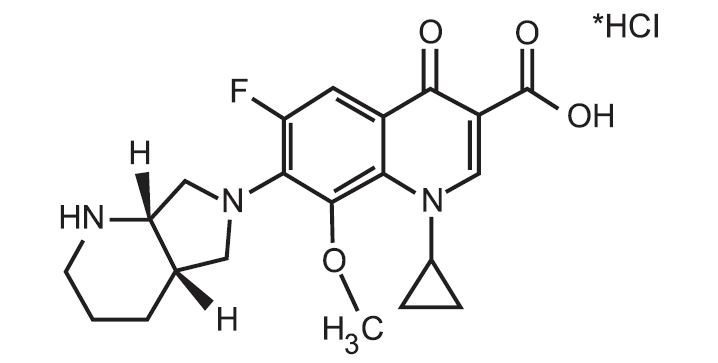
Moxifloxacin. INDICATIONS AND USAGE Moxifloxacin injection is a fluoroquinolone antibacterial drug indicated for treating infections in adults ≥ 18 years of age…
Boxed warning
WARNING: TENDON EFFECTS and MYASTHENIA GRAVIS WARNING: SERIOUS ADVERSE REACTIONS INCLUDING TENDINITIS, TENDON RUPTURE, PERIPHERAL NEUROPATHY, CENTRAL NERVOUS SYSTEM EFFECTS AND EXACERBATION OF MYASTHENIA GRAVIS • Fluoroquinolones, including moxifloxacin hydrochloride, have been associated with disabling and potentially irreversible serious adverse reactions that have occurred together [see Warnings and Precautions (5.1)], including: • Tendinitis and tendon rupture [see Warnings and Precautions (5.2)] • Peripheral neuropathy [see Warnings and Precautions (5.3)] • Central nervous system effects [see Warnings and Precautions (5.4)] Discontinue moxifloxacin hydrochloride immediately and avoid the use of fluoroquinolones, including moxifloxacin hydrochloride, in patients who experience any of these serious adverse reactions [see Warnings and Precautions (5.1)]. • Fluoroquinolones, including moxifloxacin hydrochloride, may exacerbate muscle weakness in patients with myasthenia gravis. Avoid moxifloxacin hydrochloride in patients with known history of myasthenia gravis [see Warnings and Precautions (5.5)]. • Because fluoroquinolones, including moxifloxacin hydrochloride, have been associated with serious adverse reactions [see Warnings and Precautions (5.1 to 5.14)], reserve moxifloxacin hydrochloride for use in patients who have no alternative treatment options for the following indications: • Acute bacterial sinusitis [see Indications and Usage (1.6)] • Acute bacterial exacerbation of chronic bronchitis [see Indications and Usage (1.7)] WARNING: SERIOUS ADVERSE REACTIONS INCLUDING TENDINITIS, TENDON RUPTURE, PERIPHERAL NEUROPATHY, CENTRAL NERVOUS SYSTEM EFFECTS and EXACERBATION OF MYASTHENIA GRAVIS See full prescribing information for complete boxed warning • Fluoroquinolones, including moxifloxacin hydrochloride, have been associated with disabling and potentially irreversible serious adverse reactions that have occurred together (5.1) including: • Tendinitis and tendon rupture (5.2) • Peripheral Neuropathy (5.3) • Central nervous system effects (5.4) Discontinue moxifloxacin hydrochloride immediately and avoid the use of fluoroquinolones, including moxifloxacin hydrochloride, in patients who experience any of these serious adverse reactions (5.1) • Fluoroquinolones, including moxifloxacin hydrochloride, may exacerbate muscle weakness in patients with myasthenia gravis. Avoid moxifloxacin hydrochloride in patients with known history of myasthenia gravis (5.5). • Because fluoroquinolones, including moxifloxacin hydrochloride, have been associated with serious adverse reactions (5.1 to 5.14), reserve moxifloxacin hydrochloride for use in patients who have no alternative treatment options for the following indications: • Acute bacterial sinusitis (1.6) • Acute bacterial exacerbation of chronic bronchitis (1.7)
INDICATIONS AND USAGE Moxifloxacin injection is a fluoroquinolone antibacterial drug indicated for treating infections in adults ≥ 18 years of age caused by designated, susceptible bacteria. ( 1 , 12.4 ) Community Acquired Pneumonia ( 1.1 ) Skin and Skin Structure Infections: Uncomplicated ( 1.2 ) and Complicated ( 1.3 ) Complicated Intra-Abdominal Infections ( 1.4 ) Acute Bacterial Sinusitis ( 1.5 ) Acute Bacterial Exacerbation of Chronic Bronchitis ( 1.6 ) 1.1 Community Acquired Pneumonia Moxifloxacin Injection is indicated in adults (18 years of age or older) for the treatment of Community Acquired Pneumonia caused by susceptible isolates of Streptococcus pneumoniae (including multi-drug resistant isolates*), Haemophilus influenzae, Moraxella catarrhalis, methicillin-susceptible Staphylococcus aureus, Klebsiella pneumoniae, Mycoplasma pneumoniae, or Chlamydophila pneumoniae . * MDRSP, Multi-drug resistant Streptococcus pneumoniae includes isolates previously known as PRSP (Penicillin-resistant S. pneumoniae ), and are isolates resistant to two or more of the following antibiotics: penicillin (minimum inhibitory concentrations [MIC] ≥ 2 mcg/mL), 2nd generation cephalosporins (for example, cefuroxime), macrolides, tetracyclines, and trimethoprim/sulfamethoxazole [see Clinical Studies (14.2) ] . 1.2 Uncomplicated Skin and Skin Structure Infections Moxifloxacin Injection is indicated in adults (18 years of age or older) for the treatment of Uncomplicated Skin and Skin Structure Infections caused by susceptible isolates of methicillin-susceptible Staphylococcus aureus or Streptococcus pyogenes [see Clinical Studies (14.5) ]. 1.3 Complicated Skin and Skin Structure Infections Moxifloxacin Injection is indicated in adults (18 years of age or older) for the treatment of Complicated Skin and Skin Structure Infections caused by susceptible isolates of methicillin-susceptible Staphylococcus aureus, Escherichia coli, Klebsiella pneumoniae, or Enterobacter cloacae [see Clinical Studies (14.6) ]. 1.4 Complicated Intra-Abdominal Infections Moxifloxacin Injection is indicated in adults (18 years of age or older) for the treatment of Complicated Intra-Abdominal Infections including polymicrobial infections such as abscess caused by susceptible isolates of Escherichia coli, Bacteroides fragilis, Streptococcus anginosus, Streptococcus constellatus, Enterococcus faecalis, Proteus mirabilis, Clostridium perfringens, Bacteroides thetaiotaomicron, or Peptostreptococcus species [see Clinical Studies (14.7) ] . 1.5 Acute Bacterial Sinusitis Moxifloxacin Injection is indicated in adults (18 years of age or older) for the treatment of Acute Bacterial Sinusitis (ABS) caused by susceptible isolates of Streptococcus pneumoniae, Haemophilus influenzae , or Moraxella catarrhalis [see Clinical Studies (14.4) ] . Because fluoroquinolones, including Moxifloxacin Injection, have been associated with serious adverse reactions [see Warnings and Precautions (5.1 to 5.13) ] and for some patients ABS is self-limiting, reserve Moxifloxacin Injection for treatment of ABS in patients who have no alternative treatment options. 1.6 Acute Bacterial Exacerbation of Chronic Bronchitis Moxifloxacin Injection is indicated in adults (18 years of age or older) for the treatment of Acute Bacterial Exacerbation of Chronic Bronchitis (ABECB) caused by susceptible isolates of Streptococcus pneumoniae, Haemophilus influenzae, Haemophilus parainfluenzae, Klebsiella pneumoniae, methicillin-susceptible Staphylococcus aureus, or Moraxella catarrhalis [see Clinical Studies (14.1) ]. Because fluoroquinolones, including Moxifloxacin Injection, have been associated with serious adverse reactions [see Warnings and Precautions (5.1 to 5.13) ] and for some patients ABECB is self-limiting, reserve Moxifloxacin Injection for treatment of ABECB in patients who have no alternative treatment options. 1.7 Usage To reduce the development of drug-resistant bacteria and maintain the effectiveness of moxifloxacin injection and other antibacterial drugs, moxifloxacin injection should be used only to treat or prevent infections that are proven or strongly suspected to be caused by susceptible bacteria. When culture and susceptibility information are available, they should be considered in selecting or modifying antibacterial therapy. In the absence of such data, local epidemiology and susceptibility patterns may contribute to the empiric selection of therapy. Culture and Susceptibility Testing Appropriate culture and susceptibility tests should be performed before treatment in order to isolate and identify organisms causing infection and to determine their susceptibility to moxifloxacin [see Clinical Pharmacology (12.4) ] . Therapy with moxifloxacin may be initiated before results of these tests are known; once results become available, appropriate therapy should be continued. 1.1 Community Acquired Pneumonia Moxifloxacin Injection is indicated in adults (18 years of age or older) for the treatment of Community Acquired Pneumonia caused by susceptible isolates of Streptococcus pneumoniae (including multi-drug resistant isolates*), Haemophilus influenzae, Moraxella catarrhalis, methicillin-susceptible Staphylococcus aureus, Klebsiella pneumoniae, Mycoplasma pneumoniae, or Chlamydophila pneumoniae . * MDRSP, Multi-drug resistant Streptococcus pneumoniae includes isolates previously known as PRSP (Penicillin-resistant S. pneumoniae ), and are isolates resistant to two or more of the following antibiotics: penicillin (minimum inhibitory concentrations [MIC] ≥ 2 mcg/mL), 2nd generation cephalosporins (for example, cefuroxime), macrolides, tetracyclines, and trimethoprim/sulfamethoxazole [see Clinical Studies (14.2) ] . 1.2 Uncomplicated Skin and Skin Structure Infections Moxifloxacin Injection is indicated in adults (18 years of age or older) for the treatment of Uncomplicated Skin and Skin Structure Infections caused by susceptible isolates of methicillin-susceptible Staphylococcus aureus or Streptococcus pyogenes [see Clinical Studies (14.5) ].
Dosage
DOSAGE AND ADMINISTRATION Type of Infection Dose Every 24 hours Duration (days) Community Acquired Pneumonia ( 1.1 ) 400 mg 7 to 14 Uncomplicated Skin and Skin Structure Infections (SSSI) ( 1.2 ) 400 mg 7 Complicated SSSI ( 1.3 ) 400 mg 7 to 21 Complicated Intra-Abdominal Infections ( 1.4 ) 400 mg 5 to 14 Acute Bacterial Sinusitis ( 1.5 ) 400 mg 10 Acute Bacterial Exacerbation of Chronic Bronchitis ( 1.6 ) 400 mg 5 No dosage adjustment in patients with renal or hepatic impairment. ( 8.6 , 8.7 ) Moxifloxacin Injection: Slow Intravenous infusion over 60 minutes. Avoid rapid or bolus Intravenous infusion. ( 2.2 ) Do not mix with other medications in intravenous bag or in intravenous line. ( 2.2 ) 2.1 Dosage in Adult Patients The dose of Moxifloxacin Injection is 400 mg intravenously once every 24 hours. The duration of therapy depends on the type of infection as described in Table 1 . Table 1: Dosage and Duration of Therapy in Adult Patients a Due to the designated pathogens [see Indications and Usage ( 1 ), for IV use , see Use in Specific Populations ( 8.5 )] . b Sequential therapy (intravenous to oral) may be instituted at the discretion of the physician. Type of Infection a Dose Every 24 hours Duration b (days) Community Acquired Pneumonia ( 1.1 ) 400 mg 7 to 14 Uncomplicated Skin and Skin Structure Infections (SSSI) ( 1.2 ) 400 mg 7 Complicated SSSI ( 1.3 ) 400 mg 7 to 21 Complicated Intra-Abdominal Infections ( 1.4 ) 400 mg 5 to 14 Acute Bacterial Sinusitis ( 1.5 ) 400 mg 10 Acute Bacterial Exacerbation of Chronic Bronchitis ( 1.6 ) 400 mg 5 When switching from intravenous to oral formulation, no dosage adjustment is necessary [see Clinical Pharmacology ( 12.4 )] . Patients whose therapy is started with Moxifloxacin Injection may be switched to moxifloxacin tablets when clinically indicated at the discretion of the physician. 2.2 Administration Instructions Moxifloxacin Injection Solution for Infusion Parenteral drug products should be inspected visually for particulate matter and discoloration prior to administration, whenever solution and container permit. Moxifloxacin Injection should be administered by intravenous infusion only. It is not intended for intra-arterial, intramuscular, intrathecal, intraperitoneal, or subcutaneous administration. Moxifloxacin Injection should be administered by intravenous infusion over a period of 60 minutes by direct infusion or through a Y-type intravenous infusion set which may already be in place. Caution: rapid or bolus intravenous infusion must be avoided. Because only limited data are available on the compatibility of moxifloxacin intravenous injection with other intravenous substances, additives or other medications should not be added to Moxifloxacin Injection or infused simultaneously through the same intravenous line. If the same intravenous line or a Y-type line is used for sequential infusion of other drugs, or if the “piggyback” method of administration is used, the line should be flushed before and after infusion of Moxifloxacin Injection with an infusion solution compatible with moxifloxacin injection as well as with other drug(s) administered via this common line. Moxifloxacin Injection is compatible with the following intravenous solutions at ratios from 1:10 to 10:1 0.9% Sodium Chloride Injection, USP Sterile Water for Injection, USP 1 molar Sodium Chloride Injection 10% Dextrose for Injection, USP 5% Dextrose Injection, USP Lactated Ringer's for Injection 2.3 Preparation for Administration of Moxifloxacin Injection To prepare Moxifloxacin Injection premix in flexible bags: Close flow control clamp of administration set. Remove cover from port at bottom of container. Insert piercing pin from an appropriate transfer set (for example, one that does not require excessive force, such as ISO compatible administration set) into port with a gentle twisting motion until pin is firmly seated. NOTE: Refer to complete directions that have been provided with the administration set. Because the premix flexible bags are for single-dose only, any unused portion should be discarded.
Warnings
WARNINGS AND PRECAUTIONS Prolongation of the QT interval and isolated cases of torsade de pointes has been reported. Avoid use in patients with known prolongation, proarrhythmic conditions such as clinically significant bradycardia or acute myocardial ischemia, hypokalemia, hypomagnesemia, and with drugs that prolong the QT interval. ( 5.6 , 7.5 , 8.5 ) Hypersensitivity and other serious reactions: Serious and sometimes fatal reactions, including anaphylactic reactions, may occur after first or subsequent doses of moxifloxacin hydrochloride. Discontinue moxifloxacin hydrochloride at first sign of skin rash, jaundice or any other sign of hypersensitivity. ( 5.7 , 5.8 ) Clostridioides difficile -Associated Diarrhea: Evaluate if diarrhea occurs. ( 5.10 ) 5.1 Disabling and Potentially Irreversible Serious Adverse Reactions Including Tendinitis and Tendon Rupture, Peripheral Neuropathy, and Central Nervous System Effects Fluoroquinolones, including moxifloxacin hydrochloride, have been associated with disabling and potentially irreversible serious adverse reactions from different body systems that can occur together in the same patient. Commonly seen adverse reactions include tendinitis, tendon rupture, arthralgia, myalgia, peripheral neuropathy, and central nervous system effects (hallucinations, anxiety, depression, insomnia, severe headaches, and confusion). These reactions can occur within hours to weeks after starting moxifloxacin hydrochloride. Patients of any age or without pre-existing risk factors have experienced these adverse reactions [see Warnings and Precautions (5.2, 5.3, 5.4) ] . Discontinue moxifloxacin hydrochloride immediately at the first signs or symptoms of any serious adverse reaction. In addition, avoid the use of fluoroquinolones, including moxifloxacin hydrochloride, in patients who have experienced any of these serious adverse reactions associated with fluoroquinolones. 5.2 Tendinitis and Tendon Rupture Fluoroquinolones, including moxifloxacin hydrochloride, have been associated with an increased risk of tendinitis and tendon rupture in all ages [see Warnings and Precautions (5.1) and Adverse Reactions (6.2) ] . This adverse reaction most frequently involves the Achilles tendon, and has also been reported with the rotator cuff (the shoulder), the hand, the biceps, the thumb, and other tendons. Tendinitis or tendon rupture can occur within hours or days of starting moxifloxacin or as long as several months after completion of therapy. Tendinitis and tendon rupture can occur bilaterally. The risk of developing fluoroquinolone-associated tendinitis and tendon rupture is increased in patients over 60 years of age, in patients taking corticosteroid drugs, and in patients with kidney, heart or lung transplants. Other factors that may independently increase the risk of tendon rupture include strenuous physical activity, renal failure, and previous tendon disorders such as rheumatoid arthritis. Tendinitis and tendon rupture have also occurred in patients taking fluoroquinolones who do not have the above risk factors. Discontinue moxifloxacin hydrochloride immediately if the patient experiences pain, swelling, inflammation or rupture of a tendon. Patients should be advised to rest at the first sign of tendinitis or tendon rupture, and to contact their healthcare provider regarding changing to a non-quinolone antimicrobial drug. Avoid fluoroquinolones, including moxifloxacin hydrochloride, in patients who have a history of tendon disorders or who have experienced tendinitis or tendon rupture [see Adverse Reactions (6.2) ]. 5.3 Peripheral Neuropathy Fluoroquinolones, including moxifloxacin hydrochloride, have been associated with an increased risk of peripheral neuropathy. Cases of sensory or sensorimotor axonal polyneuropathy affecting small and/or large axons resulting in paresthesias, hypoesthesias, dysesthesias and weakness have been reported in patients receiving fluoroquinolones including moxifloxacin hydrochloride. Symptoms may occur soon after initiation of moxifloxacin hydrochloride and may be irreversible in some patients [see Warnings and Precautions (5.1) and Adverse Reactions (6.1 , 6.2) ] . Discontinue moxifloxacin hydrochloride immediately if the patient experiences symptoms of peripheral neuropathy including pain, burning, tingling, numbness, and/or weakness or other alterations of sensation including light touch, pain, temperature, position sense, and vibratory sensation . Avoid fluoroquinolones, including moxifloxacin hydrochloride, in patients who have previously experienced peripheral neuropathy. 5.4 Central Nervous System Effects Psychiatric Adverse Reactions Fluoroquinolones, including moxifloxacin hydrochloride, have been associated with an increased risk of psychiatric adverse reactions, including: toxic psychosis, hallucinations, or paranoia; depression or suicidal thoughts or acts; anxiety, agitation, or nervousness; confusion, delirium, disorientation, or disturbances in attention; insomnia or nightmares; memory impairment. These adverse reactions may occur following the first dose. If these reactions occur in patients receiving moxifloxacin hydrochloride, discontinue moxifloxacin hydrochloride immediately and institute appropriate measures [see Adverse Reactions (6.1 , 6.2) ] . Central Nervous System Adverse Reactions Fluoroquinolones, including moxifloxacin hydrochloride, have been associated with an increased risk of seizures (convulsions), increased intracranial pressure (including pseudotumor cerebri), dizziness, and tremors. As with all fluoroquinolones, use moxifloxacin hydrochloride with caution in patients with known or suspected CNS disorders (for example, severe cerebral arteriosclerosis, epilepsy) or in the presence of other risk factors that may predispose to seizures or lower the seizure threshold. These adverse reactions may occur following the first dose. If these reactions occur in patients receiving moxifloxacin hydrochloride, discontinue moxifloxacin hydrochloride immediately and institute appropriate measures [see Drug Interactions (7.4) Adverse Reactions (6.1 , 6.2 ), and Patient Counseling Information (17) ]. 5.5 Exacerbation of Myasthenia Gravis Fluoroquinolones, including moxifloxacin hydrochloride, have neuromuscular blocking activity and may exacerbate muscle weakness in patients with myasthenia gravis. Postmarketing serious adverse reactions, including deaths and requirement for ventilatory support, have been associated with fluoroquinolone use in patients with myasthenia gravis. Avoid moxifloxacin hydrochloride in patients with known history of myasthenia gravis . 5.6 QT Prolongation Moxifloxacin hydrochloride has been shown to prolong the QT interval of the electrocardiogram in some patients. Following oral dosing with 400 mg of moxifloxacin hydrochloride the mean (± SD) change in QTc from the pre-dose value at the time of maximum drug concentration was 6 msec (± 26) (n = 787). Following a course of daily intravenous dosing (400 mg; 1 hour infusion each day) the mean change in QTc from the Day 1 pre-dose value was 10 msec (±22) on Day 1 (n=667) and 7 msec (± 24) on Day 3 (n = 667). Avoid moxifloxacin hydrochloride in patients with the following risk factors due to the lack of clinical experience with the drug in these patient populations: Known prolongation of the QT interval Ventricular arrhythmias including torsade de pointes because QT prolongation may lead to an increased risk for these conditions Ongoing proarrhythmic conditions, such as clinically significant bradycardia and acute myocardial ischemia, Uncorrected hypokalemia or hypomagnesemia Class IA (for example, quinidine, procainamide) or Class III (for example, amiodarone, sotalol) antiarrhythmic agents Other drugs that prolong the QT interval such as cisapride, erythromycin, antipsychotics, and tricyclic antidepressants Elderly patients using intravenous moxifloxacin hydrochloride may be more susceptible to drug-associat
Contraindications
CONTRAINDICATIONS Moxifloxacin ophthalmic solution is contraindicated in patients with a history of hypersensitivity to moxifloxacin, to other quinolones, or to any of the components in this medication. . Moxifloxacin ophthalmic solution is contraindicated in patients with a history of hypersensitivity to moxifloxacin, to other quinolones, or to any of the components in this medication. ( 4 )
Drug interactions
DRUG INTERACTIONS Interacting Drug Interaction Multivalent cation-containing products including: antacids, sucralfate, multivitamins Decreased moxifloxacin hydrochloride absorption. Take moxifloxacin tablet at least 4 hours before or 8 hours after these products. ( 2.2 , 7.1 , 12.3 ) Warfarin Anticoagulant effect of warfarin may be enhanced. Monitor prothrombin time/INR, watch for bleeding. ( 6.4 , 7.2 , 12.3 ) Class IA and Class III antiarrhythmics: Proarrhythmic effect may be enhanced. Avoid concomitant use. ( 5.3 , 7.5 ) Antidiabetic agents Carefully monitor blood glucose ( 5.10 , 7.3 ) 7.1 Antacids, Sucralfate, Multivitamins and Other Products Containing Multivalent Cations Fluoroquinolones, including moxifloxacin hydrochloride, form chelates with alkaline earth and transition metal cations. Oral administration of moxifloxacin hydrochloride with antacids containing aluminum or magnesium, with sucralfate, with metal cations such as iron, or with multivitamins containing iron or zinc, or with formulations containing divalent and trivalent cations such as didanosine buffered tablets for oral suspension or the pediatric powder for oral solution, may substantially interfere with the absorption of moxifloxacin hydrochloride, resulting in systemic concentrations considerably lower than desired. Therefore, moxifloxacin hydrochloride should be taken at least 4 hours before or 8 hours after these agents [see Dosage and Administration (2.2) and Clinical Pharmacology (12.3)]. 7.2 Warfarin Fluoroquinolones, including moxifloxacin hydrochloride, have been reported to enhance the anticoagulant effects of warfarin or its derivatives in the patient population. In addition, infectious disease and its accompanying inflammatory process, age, and general status of the patient are risk factors for increased anticoagulant activity. Therefore the prothrombin time, International Normalized Ratio (INR), or other suitable anticoagulation tests should be closely monitored if moxifloxacin hydrochloride is administered concomitantly with warfarin or its derivatives [see Adverse Reactions (6.2) and Clinical Pharmacology (12.3)]. 7.3 Antidiabetic Agents Disturbances of blood glucose, including hyperglycemia and hypoglycemia, have been reported in patients treated concomitantly with fluoroquinolones and an antidiabetic agent. Therefore, careful monitoring of blood glucose is recommended when these agents are co-administered. If a hypoglycemic reaction occurs, moxifloxacin hydrochloride should be discontinued and appropriate therapy should be initiated immediately. [See Warnings and Precautions (5.10) , Adverse Reactions (6.2) , and Patient Counseling Information (17) .] 7.4 Nonsteroidal Anti-Inflammatory Drugs (NSAIDs) The concomitant administration of a nonsteroidal anti-inflammatory drug (NSAID) with a fluoroquinolone, including moxifloxacin hydrochloride, may increase the risks of CNS stimulation and convulsions [see Warnings and Precautions (5.4)]. 7.5 Drugs that Prolong QT There is limited information available on the potential for a pharmacodynamic interaction in humans between moxifloxacin hydrochloride and other drugs that prolong the QTc interval of the electrocardiogram. Sotalol, a Class III antiarrhythmic, has been shown to further increase the QTc interval when combined with high doses of intravenous (IV) moxifloxacin in dogs. Therefore, moxifloxacin hydrochloride should be avoided with Class IA and Class III antiarrhythmics. [See Warnings and Precautions (5.3) , Nonclinical Toxicology (13.2) , and Patient Counseling Information (17) .]
Adverse reactions
ADVERSE REACTIONS The following serious and otherwise important adverse reactions are discussed in greater detail in the warnings and precautions section of the label: Disabling and Potentially Irreversible Serious Adverse Reactions Including Tendinitis and Tendon Rupture, Peripheral Neuropathy, and Central Nervous System Effects [see Warnings and Precautions (5.1) ] Tendinitis and Tendon Rupture [see Warnings and Precautions (5.2) ] Peripheral Neuropathy [see Warnings and Precautions (5.3) ] Central Nervous System Effects [see Warnings and Precautions (5.4) ] Exacerbation of Myasthenia Gravis [see Warnings and Precautions (5.5) ] QT Prolongation [see Warnings and Precautions (5.6) ] Other Serious and Sometimes Fatal Adverse Reactions [see Warnings and Precautions (5.7) ] Risk of Aortic Aneurysm and Dissection [see Warnings and Precautions (5.9) ] Hypersensitivity Reactions [see Warnings and Precautions (5.8) ] Clostridioides difficile -Associated Diarrhea [see Warnings and Precautions (5.10) ] Blood Glucose Disturbances [see Warnings and Precautions (5.12) ] Photosensitivity/Phototoxicity [see Warnings and Precautions (5.13) ] Development of Drug Resistant Bacteria [see Warnings and Precautions (5.14) ] Most common reactions (3% or greater) were nausea, diarrhea, headache, and dizziness. ( 6 ) To report SUSPECTED ADVERSE REACTIONS, contact Aurobindo Pharma USA, Inc. at 1-866-850-2876 or FDA at 1-800-FDA-1088 or www.fda.gov/medwatch . 6.1 Clinical Trials Experience Because clinical trials are conducted under widely varying conditions, adverse reaction rates observed in the clinical trials of a drug cannot be directly compared to rates in the clinical trials of another drug and may not reflect the rates observed in practice. The data described below reflect exposure to moxifloxacin hydrochloride in 14981 patients in 71 active controlled Phase II to IV clinical trials in different indications [see Indications and Usage (1) ] . The population studied had a mean age of 50 years (approximately 73% of the population was less than 65 years of age), 50% were male, 63% were Caucasian, 12% were Asian and 9% were Black. Patients received moxifloxacin 400 mg once daily oral, intravenous, or sequentially (intravenous followed by oral). Treatment duration was usually 6 to 10 days, and the mean number of days on therapy was 9 days. Discontinuation of moxifloxacin due to adverse reactions occurred in 5% of patients overall, 4% of patients treated with 400 mg PO, 4% with 400 mg intravenous and 8% with sequential therapy 400 mg oral/intravenous. The most common adverse reactions (>0.3%) leading to discontinuation with the 400 mg oral doses were nausea, diarrhea, dizziness, and vomiting. The most common adverse reaction leading to discontinuation with the 400 mg intravenous dose was rash. The most common adverse reactions leading to discontinuation with the 400 mg intravenous/oral sequential dose were diarrhea, pyrexia. Adverse reactions occurring in 1% of moxifloxacin hydrochloride-treated patients and less common adverse reactions, occurring in 0.1 to 1% of moxifloxacin hydrochloride-treated patients, are shown in Tables 2 and Table 3, respectively. The most common adverse drug reactions (3%) are nausea, diarrhea, headache, and dizziness. Table 2: Common (1% or more) Adverse Reactions Reported in Active-Controlled Clinical Trials with Moxifloxacin Hydrochloride System Organ Class Adverse Reactions % (N=14,981) Blood and Lymphatic System Disorders Anemia 1 Gastrointestinal Disorders Nausea 7 Diarrhea 6 Vomiting 2 Constipation 2 Abdominal pain 2 Dyspepsia 1 General Disorders and Administration Site Conditions Pyrexia 1 Investigations Alanine aminotransferase increased 1 Metabolism and Nutritional Disorder Hypokalemia 1 Nervous System Disorders Headache 4 Dizziness 3 Psychiatric Disorders Insomnia 2 Table 3: Less Common (0.1 to less than 1%) Adverse Reactions Reported in Active-Controlled Clinical Trials with Moxifloxacin Hydrochloride (N=14,981) System Organ Class Adverse Reactions Blood and Lymphatic System Disorders Thrombocythemia Eosinophilia Neutropenia Thrombocytopenia Leukopenia Leukocytosis Cardiac Disorders Atrial fibrillation Palpitations Tachycardia Angina pectoris Cardiac failure Cardiac arrest Bradycardia Ear and Labyrinth Disorders Vertigo Tinnitus Eye Disorders Vision blurred Gastrointestinal Disorders Dry mouth Abdominal discomfort Flatulence Abdominal distention Gastritis Gastroesophageal reflux disease General Disorders and Administration Site Conditions Fatigue Chest pain Asthenia Pain Malaise Infusion site extravasation Edema Chills Chest discomfort Facial pain Hepatobiliary disorders Hepatic function abnormal Infections and Infestations Candidiasis Vaginal infection Fungal infection Gastroenteritis Investigations Aspartate aminotransferase increased Gamma-glutamyltransferase increased Blood alkaline phosphatase increased Electrocardiogram QT prolonged Blood lactate dehydrogenase increased Blood amylase increased Lipase increased Blood creatinine increased Blood urea increased Hematocrit decreased Prothrombin time prolonged Eosinophil count increased Activated partial thromboplastin time prolonged Blood triglycerides increased Blood uric acid increased Metabolism and Nutrition Disorders Hyperglycemia Anorexia Hyperlipidemia Decreased appetite Dehydration Musculoskeletal and Connective Tissue Disorders Back pain Pain in extremity Arthralgia Muscle spasms Musculoskeletal pain Nervous System Disorders Dysgeusia Somnolence Tremor Lethargy Paresthesia Hypoesthesia Syncope Psychiatric Disorders Anxiety Confusional state Agitation Depression Nervousness Restlessness Hallucination Disorientation Renal and Urinary Disorders Renal failure Dysuria Reproductive System and Breast Disorders Vulvovaginal pruritus Respiratory, Thoracic, and Mediastinal Disorders Dyspnea Asthma Wheezing Bronchospasm Skin and Subcutaneous Tissue Disorders Rash Pruritus Hyperhidrosis Erythema Urticaria Dermatitis allergic Night sweats Vascular Disorders Hypertension Hypotension Phlebitis Laboratory Changes Changes in laboratory parameters, which are not listed above and which occurred in 2% or more of patients and at an incidence greater than in controls included: increases in mean corpuscular hemoglobin (MCH), neutrophils, white blood cells (WBCs), prothrombin time (PT) ratio, ionized calcium, chloride, albumin, globulin, bilirubin; decreases in hemoglobin, red blood cells (RBCs), neutrophils, eosinophils, basophils, glucose, oxygen partial pressure (pO 2 ), bilirubin, and amylase. It cannot be determined if any of the above laboratory abnormalities were caused by the drug or the underlying condition being treated. 6.2 Postmarketing Experience Table 4 below lists adverse reactions that have been identified during post-approval use of moxifloxacin hydrochloride. Because these reactions are reported voluntarily from a population of uncertain size, it is not always possible to reliably estimate their frequency or establish a causal relationship to drug exposure. Table 4: Postmarketing Reports of Adverse Drug Reactions System Organ Class Adverse Reactions Blood and Lymphatic System Disorders Agranulocytosis Pancytopenia [see Warnings and Precautions (5.7) ] Cardiac Disorders Ventricular tachyarrhythmias (including in very rare cases cardiac arrest and torsade de pointes, and usually in patients with concurrent severe underlying proarrhythmic conditions) Acute myocardial ischemia with or without myocardial infarction occurring as part of an allergic reaction Ear and Labyrinth Disorders Hearing impairment, including deafness (reversible in majority of cases) Eye Disorders Vision loss (especially in the course of CNS reactions, transient in majority of cases) Hepatobiliary Disorders Hepatitis (predominantly cholestatic) Hepatic failure (including fatal cases) Jaundice Acute hepatic necrosis [see Warnings and Precautions (5.7) ] Immune System Disorders Anaphylactic reaction Anaphylactic sh
Mechanism of action
CLINICAL PHARMACOLOGY 12.1 Mechanism of Action Moxifloxacin is a member of the fluoroquinolone class of anti-infective drugs [see Microbiology ( 12.4 )]. 12.3 Pharmacokinetics Plasma concentrations of moxifloxacin were measured in healthy adult male and female subjects who received bilateral topical ocular doses of moxifloxacin ophthalmic solution 3 times a day. The mean steady-state C max (2.7 ng/mL) and AUC 0-∞ (41.9 ng●hr/mL) values were 1600 and 1100 times lower than the mean C max and AUC reported after therapeutic 400 mg doses of moxifloxacin. The plasma half-life of moxifloxacin was estimated to be 13 hours. 12.4 Microbiology The antibacterial action of moxifloxacin results from inhibition of the topoisomerase II (DNA gyrase) and topoisomerase IV. DNA gyrase is an essential enzyme that is involved in the replication, transcription and repair of bacterial DNA. Topoisomerase IV is an enzyme known to play a key role in the partitioning of the chromosomal DNA during bacterial cell division. The mechanism of action for quinolones, including moxifloxacin, is different from that of macrolides, aminoglycosides, or tetracyclines. Therefore, moxifloxacin may be active against pathogens that are resistant to these antibiotics and these antibiotics may be active against pathogens that are resistant to moxifloxacin. There is no cross-resistance between moxifloxacin and the aforementioned classes of antibiotics. Cross-resistance has been observed between systemic moxifloxacin and some other quinolones. In vitro resistance to moxifloxacin develops via multiple-step mutations. Resistance to moxifloxacin occurs in vitro at a general frequency of between 1.8 x 10 -9 to less than 1 x 10 -11 for gram-positive bacteria. Moxifloxacin has been shown to be active against most strains of the following microorganisms, both in vitro and in clinical infections as described in the Indications and Usage section: Aerobic Gram-Positive Microorganisms Corynebacterium species* Micrococcus luteus* Staphylococcus aureus Staphylococcus epidermidis Staphylococcus haemolyticus Staphylococcus hominis Staphylococcus warneri* Streptococcus pneumoniae Streptococcus viridans group Aerobic Gram-Negative Microorganisms Acinetobacter lwoffii* Haemophilus influenza Haemophilus parainfluenzae* Other Microorganisms Chlamydia trachomatis *Efficacy for this organism was studied in fewer than 10 infections. The following in vitro data are also available, but their clinical significance in ophthalmic infections is unknown . The safety and effectiveness of moxifloxacin ophthalmic solution in treating ophthalmological infections due to these microorganisms have not been established in adequate and well-controlled trials. The following organisms are considered susceptible when evaluated using systemic breakpoints. However, a correlation between the in vitro systemic breakpoint and ophthalmological efficacy has not been established. The list of organisms is provided as guidance only in assessing the potential treatment of conjunctival infections. Moxifloxacin exhibits in vitro minimal inhibitory concentrations (MICs) of 2 microgram/mL or less (systemic susceptible breakpoint) against most (greater than or equal to 90%) strains of the following ocular pathogens. Aerobic Gram-Positive Microorganisms Listeria monocytogenes Staphylococcus saprophyticus Streptococcus agalactiae Streptococcus mitis Streptococcus pyogenes Streptococcus Group C, G, and F Aerobic Gram-Negative Microorganisms Acinetobacter baumannii Acinetobacter calcoaceticus Citrobacter freundii Citrobacter koseri Enterobacter aerogenes Enterobacter cloacae Escherichia coli Klebsiella oxytoca Klebsiella pneumoniae Moraxella catarrhalis Morganella morganii Neisseria gonorrhoeae Proteus mirabilis Proteus vulgaris Pseudomonas stutzeri Anaerobic Microorganisms Clostridium perfringens Fusobacterium species Prevotella species Propionibacterium acnes Other Microorganisms Chlamydia pneumoniae Legionella pneumophila Mycobacterium avium Mycobacterium marinum Mycoplasma pneumoniae