Lidocaine Hcl 5 % , Hydrocortisone Acetate 1%
Managing this medication for someone you care for? Eleplan keeps diagnoses, medications and appointments in one plan.
Start free with EleplanMedication reference
Lidocaine Hcl 5 % , Hydrocortisone Acetate 1%
TOPICAL
Lidocaine Hcl 5 % , Hydrocortisone Acetate 1%. INDICATIONS: The product is used for the anti-inflammatory and anesthetic relief of redness, pain, itching, and discoloration due to inflammation…
Brand names
Lidotral 5 Percent and Hydrocortisone 1 Percent with Peptides and Arnica
Active ingredients
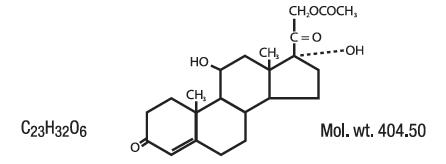
HYDROCORTISONE ACETATELIDOCAINE HYDROCHLORIDE
Indications
INDICATIONS: The product is used for the anti-inflammatory and anesthetic relief of redness, pain, itching, and discoloration due to inflammation and skin burns. For the relief of redness, pain, itching, discoloration, inflammation and mild skin burns associated with radiation. For use after radiation treatment, cosmetic procedures, sun exposure, and for inflammatory skin conditions.
Dosage
DOSAGE AND ADMINISTRATION: Apply product to the affected area(s) twice daily or as directed by a licensed healthcare practitioner. If the condition does not respond to repeated courses of product or should worsen, discontinue use and seek the advice of your physician. Wash hands before and after application.
Warnings
WARNINGS: CONCERNS RELATED TO ADVERSE EFFECTS: Methemoglobinemia: Has been reported with local anesthetics; clinically significant methemoglobinemia requires immediate treatment along with discontinuation of the anesthetic and other oxidizing agents. Onset may be immediate or delayed (hours) after anesthetic exposure. Patients with G6PD deficiency, congenital or idiopathic methemoglobinemia, cardiac or pulmonary compromise, exposure to oxidizing agents or their metabolites, or infants <6 months of age are more susceptible and should be closely monitored for signs and symptoms of methemoglobinemia (including pale, gray, or blue-colored skin (cyanosis), headache, rapid pulse, shortness of breath, lightheadedness, fatigue). WARNINGS: For external use only. Not for ophthalmic use. Stop use and ask a doctor if condition worsens or symptoms last more than 7 days or clear up and occur again within a few days. Do not apply to wounds or damaged skin. Do not use in large quantities, particularly over raw surfaces or blistered areas. If swallowed, get medical help or contact a Poison Control Center right away. Keep out of reach of children. Topical formulations of lidocaine may be absorbed to a greater extent through mucous membranes and abraded, fissured or irritated skin than through intact skin. Product should not be ingested or applied into the mouth, inside of the nose or in the eyes. Product should not be used in the ears. Any situation where lidocaine penetrates beyond the tympanic membrane into the middle ear is contraindicated because of ototoxicity associated with lidocaine observed in animals when instilled in the middle ear. Product should not come into contact with the eye or be applied into the eye because of the risk of severe eye irritation and the loss of eye surface sensation, which reduces protective reflexes and can lead to corneal irritation and possibly abrasion. If eye contact occurs, rinse out the eye immediately with saline or water and protect the eye surface until sensation is restored.
Contraindications
CONTRAINDICATIONS: Product should not be used in patients with a history of sensitivity to any of its ingredients or adverse reactions to lidocaine or amide anesthetics, which usually do not cross-react with “caine” ester type anesthetics. If excessive irritation and significant worsening occur, discontinue use and seek the advice of your physician. Product and topical lidocaine should be used cautiously in those with impaired liver function, as well as the very ill or very elderly and those with significant liver disease. Product should be used with caution in patients receiving antiarrhythmic drugs of Class I since the adverse effects are additive and generally synergistic. Product is contraindicated for tuberculous or fungal lesions or skin vaccinia, varicella and acute herpes simplex. Topical corticosteroids are contraindicated in those patients with a history of hypersensitivity to any of the components of the preparation.
Adverse reactions
ADVERSE REACTIONS: During or immediately following application of product, there may be transient stinging or burning from open areas of skin, or transient blanching (lightening), or erythema (redness) of the skin.
Mechanism of action
Mechanism of Action: Product releases lidocaine to stabilize the neuronal membrane by inhibiting the ionic fluxes required for initiation and conduction of impulses, thereby affecting local anesthetic action. Hydrocortisone acetate providesrelief of inflammatory and pruritic manifestations of corticosteroid responsive dermatoses.
NDC examples
59088-319
Source: openFDA + RxNorm · 2026
Look up another medication