Hydroquinone
Managing this medication for someone you care for? Eleplan keeps diagnoses, medications and appointments in one plan.
Start free with EleplanMedication reference
Hydroquinone
Melanin Synthesis Inhibitor [EPC] — TOPICAL
Hydroquinone — Melanin Synthesis Inhibitor [EPC]. INDICATIONS AND USAGE Pigment Control Creme is indicated in the gradual bleaching of hyperpigmentation, skin conditions such as chloasma, melasma…
Brand names
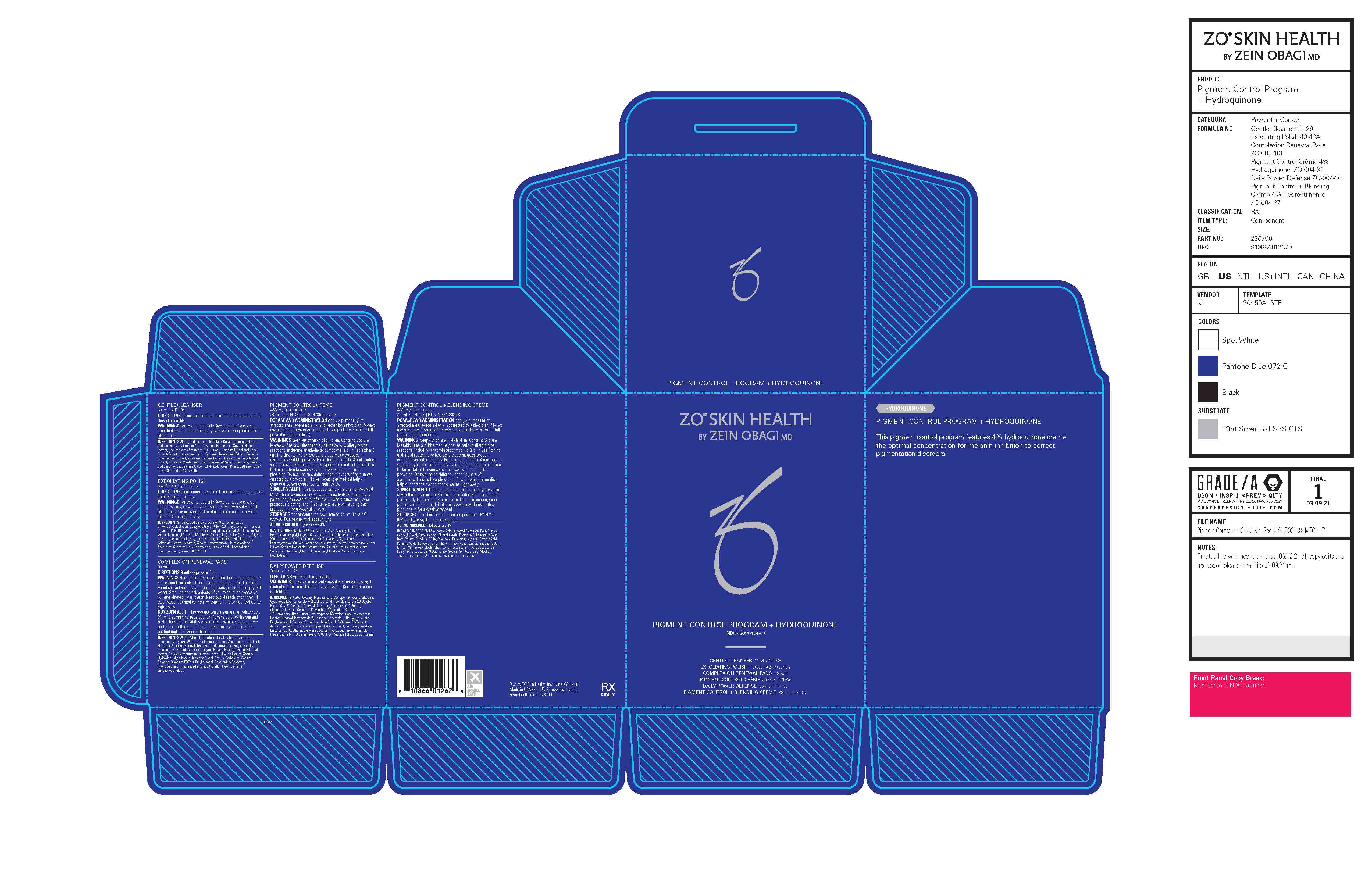
OBAGI-C Rx system C-CLARIFYING SERUM NORMAL TO oily SKIN LIGHTENING SERUM WITH VITAMIN CZO Skin Health Pigment Control Program Plus HydroquinoneHydroquinone 4%Hydro-QHYDROQUINONE 4%Obagi-C Rx system C-Therapy Night Skin Lightening with Vitamins C and EZO Skin Health Pigment Control Creme HydroquinoneOBAGI C RX system C CLARIFYING SERUM
Active ingredients
HYDROQUINONE
Indications
INDICATIONS AND USAGE Pigment Control Creme is indicated in the gradual bleaching of hyperpigmentation, skin conditions such as chloasma, melasma, freckles, senile lentigines, and other unwanted areas of melanin hyperpigmentation. INDICATIONS AND USAGE For the gradual bleaching of hyperpigmented skin conditions such as cholasma, melasma, freckles, senile lentigines, and other unwanted areas of melanin hyperpigmentation.
Dosage
DRUG DOSAGE AND ADMINISTRATION A thin layer of Pigment Control Creme (Hydroquinone USP, 4%) should be applied to the affected area twice daily or as directed by a physician. If no improvement is seen after 8-12 weeks of treatment, use of this product should be discontinued. There is no recommended dosage for pediatric patients under 12 years of age except under the advice and supervision of a physician. DRUG DOSAGE AND ADMINISTRATION A thin application of Pigment Control + Blending Creme should be applied to the affected area twice daily or as directed by a physician. Consult product label for instructions on whether to rub in or not. There is no recommendation for children under 12 years of age except under the advice and supervision of a physician.
Warnings
WARNINGS Hydroquinone is a skin bleaching agent which may produce undesired effects if not used as directed. The physician should be familiar with the contents of this insert before prescribing or dispensing this product. Contains sodium metabisulfite, a sulfite that may cause allergic-type reactions including anaphylactic symptoms and life-threatening or less severe asthmatic episodes in certain susceptible people. The overall prevalence of sulfite sensitivity in the general population is unknown and probably low. Sulfite sensitivity is seen more frequently in asthmatic than in non-asthmatic people. Avoid unnecessary sun exposure, use an effective broad-spectrum sunscreen agent or protective clothing should be worn to cover bleached skin to prevent re-pigmentation from occurring. Hydroquinone may produce exogenous ochronosis, a gradual blue-black darkening of the skin. If this condition occurs, discontinue treatment and consult your physician. Avoid contact with eyes and mucous membranes. Keep out of reach of children. In case of accidental ingestion, call a physician or a poison control center immediately. WARNINGS Hydroquinone is a skin bleaching agent which may produce undesired effects if not used as directed. The physician should be familiar with the contents of this insert before prescribing or dispensing this product. Contains sodium metabisulfite, a sulfite that may cause allergic-type reactions including anaphylactic symptoms and life-threatening or less severe asthmatic episodes in certain susceptible people. The overall prevalence of sulfite sensitivity in the general population is unknown and probably low. Sulfite sensitivity is seen more frequently in asthmatic than in non-asthmatic people. Avoid unnecessary sun exposure, use an effective broad-spectrum sunscreen agent or protective clothing should be worn to cover bleached skin to prevent re-pigmentation from occurring. Hydroquinone may produce exogenous ochronosis, a gradual blue-black darkening of the skin. If this condition occurs, discontinue treatment and consult your physician. Avoid contact with eyes and mucous membranes. Keep out of reach of children. In case of accidental ingestion, call a physician or a poison control center immediately.
Contraindications
CONTRAINDICATIONS Prior history of sensitivity or allergic reaction to this product or any of its ingredients. The safety of topical Hydroquinone use during pregnancy or in children (12 years and under) has not been established. CONTRAINDICATIONS Prior history of sensitivity or allergic reaction to hydroquinone or to any other ingredient in this product. The safety of topical hydroquinone use during pregnancy or in children (12 years and under) has not been established.
Drug interactions
Drug Interactions Patients are cautioned on concomitant use of medications that are known to be photosensitizing. Drug Interactions Patients are cautioned on concomitant use of medications that are known to be photosensitizing.
Adverse reactions
Adverse Reactions The following reactions have been reported: dryness and fissuring of paranasal and infraorbital areas, erythema, and stinging. Occasional hypersensitivity (localized contact dermatitis) may develop. If this occurs, the medication should be discontinued, and the physician notified immediately. Adverse Reactions The following reactions have been reported: dryness and fissuring of paranasal and infraorbital areas, erythema, and stinging. Occasional hypersensitivity (localized contact dermatitis) may develop. If this occurs, the medication should be discontinued, and the physician notified immediately.
Mechanism of action
CLINICAL PHARMACOLOGY Topical application of hydroquinone produces a reversible depigmentation of the skin by inhibition of the enzymatic oxidation of tyrosine to 3,4-dihydroxyphenylalanine (DOPA) and suppression of other melanocyte metabolic processes. Exposure to sunlight or ultraviolet light will cause re-pigmentation of bleached areas, which may be prevented by the use of the sunscreen agents. CLINICAL PHARMACOLOGY Topical application of hydroquinone produces a reversible depigmentation of the skin by inhibition of the enzymatic oxidation of tyrosine to 3,4-dihydroxyphenylalanine (DOPA) and suppression of other melanocyte metabolic processes. Exposure to sunlight or ultraviolet light will cause re-pigmentation of bleached areas, which may be prevented by the use of the sunscreen agents.
Available forms (13)
hydroquinone 0.02 MG/MG Topical Gelhydroquinone 0.04 MG/MG Topical Gelhydroquinone 20 MG/ML Topical Creamhydroquinone 20 MG/ML Topical Lotionhydroquinone 20 MG/ML Topical Solutionhydroquinone 30 MG/ML Topical Solutionhydroquinone 40 MG/ML Topical Creamhydroquinone 40 MG/ML Topical Lotionhydroquinone 40 MG/ML Topical Solutionhydroquinone 40 MG/ML Topical Cream [EpiQuin Micro]brandhydroquinone 40 MG/ML Topical Cream [Lustra]brandhydroquinone 40 MG/ML Topical Cream [Remergent HQ]brandhydroquinone 40 MG/ML Topical Lotion [Neova Complex HQ Plus]brand
NDC examples
62032-12242851-20050405-80030815-004042192-15175834-13762032-10542851-03762032-106
Indicated ICD-10 codes
Treats these conditions
Common side effects
Source: openFDA + RxNorm · 2026
Look up another medication