Doxazosin
Managing this medication for someone you care for? Eleplan keeps diagnoses, medications and appointments in one plan.
Start free with EleplanMedication reference
Doxazosin
ORAL
Doxazosin. INDICATIONS AND USAGE A. Benign Prostatic Hyperplasia (BPH). Doxazosin Tablets, USP are indicated for the treatment of both the urinary outflow…
Brand names
DoxazosinCarduraDoxazosin mesylateCardura XLDoxazosin Mesylate
Active ingredients
DOXAZOSIN MESYLATE
Indications
INDICATIONS AND USAGE A. Benign Prostatic Hyperplasia (BPH). Doxazosin Tablets, USP are indicated for the treatment of both the urinary outflow obstruction and obstructive and irritative symptoms associated with BPH: obstructive symptoms (hesitation, intermittency, dribbling, weak urinary stream, incomplete emptying of the bladder) and irritative symptoms (nocturia, daytime frequency, urgency, burning). Doxazosin Tablets, USP may be used in all BPH patients whether hypertensive or normotensive. In patients with hypertension and BPH, both conditions were effectively treated with Doxazosin Tablets, USP monotherapy. Doxazosin Tablets, USP provide rapid improvement in symptoms and urinary flow rate in 66 to 71% of patients. Sustained improvements with Doxazosin Tablets, USP were seen in patients treated for up to 14 weeks in double-blind studies and up to 2 years in open-label studies. B. Hypertension. Doxazosin Tablets, USP are indicated for the treatment of hypertension, to lower blood pressure. Lowering blood pressure reduces the risk of fatal and nonfatal cardiovascular events, primarily strokes and myocardial infarctions. These benefits have been seen in controlled trials of antihypertensive drugs from a wide variety of pharmacologic classes, including this drug. Control of high blood pressure should be part of comprehensive cardiovascular risk management, including, as appropriate, lipid control, diabetes management, antithrombotic therapy, smoking cessation, exercise, and limited sodium intake. Many patients will require more than one drug to achieve blood pressure goals. For specific advice on goals and management, see published guidelines, such as those of the National High Blood Pressure Education Program’s Joint National Committee on Prevention, Detection, Evaluation, and Treatment of High Blood Pressure (JNC). Numerous antihypertensive drugs, from a variety of pharmacologic classes and with different mechanisms of action, have been shown in randomized controlled trials to reduce cardiovascular morbidity and mortality, and it can be concluded that it is blood pressure reduction, and not some other pharmacologic property of the drugs, that is largely responsible for those benefits. The largest and most consistent cardiovascular outcome benefit has been a reduction in the risk of stroke, but reductions in myocardial infarction and cardiovascular mortality also have been seen regularly. Elevated systolic or diastolic pressure causes increased cardiovascular risk, and the absolute risk increase per mmHg is greater at higher blood pressures, so that even modest reductions of severe hypertension can provide substantial benefit. Relative risk reduction from blood pressure reduction is similar across populations with varying absolute risk, so the absolute benefit is greater in patients who are at higher risk independent of their hypertension (for example, patients with diabetes or hyperlipidemia), and such patients would be expected to benefit from more aggressive treatment to a lower blood pressure goal. Some antihypertensive drugs have smaller blood pressure effects (as monotherapy) in black patients, and many antihypertensive drugs have additional approved indications and effects (e.g., on angina, heart failure, or diabetic kidney disease). These considerations may guide selection of therapy. Doxazosin Tablets, USP may be used alone or in combination with diuretics, beta-adrenergic blocking agents, calcium channel blockers, or angiotensin-converting enzyme inhibitors.
Dosage
DOSAGE AND ADMINISTRATION DOSAGE MUST BE INDIVIDUALIZED. The initial dosage of doxazosin tablets in patients with hypertension and/or BPH is 1 mg given once daily in the a.m. or p.m. This starting dose is intended to minimize the frequency of postural hypotension and first-dose syncope associated with doxazosin tablets. Postural effects are most likely to occur between 2 and 6 hours after a dose. Therefore, blood pressure measurements should be taken during this time period after the first dose and with each increase in dose. If doxazosin tablets administration is discontinued for several days, therapy should be restarted using the initial dosing regimen. Concomitant administration of doxazosin tablets with a PDE-5 inhibitor can result in additive blood pressure lowering effects and symptomatic hypotension; therefore, PDE-5 inhibitor therapy should be initiated at the lowest dose in patients taking doxazosin tablets. A. BENIGN PROSTATIC HYPERPLASIA 1 to 8 mg once daily The initial dosage of doxazosin tablet is 1 mg, given once daily in the a.m. or p.m. Depending on the individual patient's urodynamics and BPH symptomatology, dosage may then be increased to 2 mg and thereafter to 4 mg and 8 mg once daily, the maximum recommended dose for BPH. The recommended titration interval is 1 to 2 weeks. Blood pressure should be evaluated routinely in these patients. B. HYPERTENSION 1 to 16 mg once daily The initial dosage of doxazosin tablet is 1 mg given once daily. Depending on the individual patient's standing blood pressure response (based on measurements taken at 2 to 6 hours post-dose and 24 hours post-dose), dosage may then be increased to 2 mg and thereafter if necessary to 4 mg, 8 mg and 16 mg to achieve the desired reduction in blood pressure. Increases in dose beyond 4 mg increase the likelihood of excessive postural effects, including syncope, postural dizziness/vertigo and postural hypotension. At a titrated dose of 16 mg once daily, the frequency of postural effects is about 12% compared to 3% for placebo.
Warnings
WARNINGS AND PRECAUTIONS Postural hypotension with or without syncope may occur in the first few hours after administration. ( 5.1 ) Intraoperative Floppy Iris Syndrome has been observed during cataract surgery in some patients. Advise patients considering cataract surgery to tell their ophthalmologist that they have taken CARDURA XL tablets. ( 5.2 ) Caution should be used when administering to patients with preexisting severe gastrointestinal narrowing or coronary insufficiency. ( 5.3 , 5.7 ) Advise patients to be screened for the presence of prostate cancer prior to treatment and at regular intervals afterwards. ( 5.4 ) 5.1 Postural Hypotension Postural hypotension with or without symptoms (e.g., dizziness) may develop within a few hours following administration of CARDURA XL. However, infrequently, symptomatic postural hypotension has also been reported later than a few hours after dosing. As with other alpha-blockers, there is a potential for syncope, especially after the initial dose or after an increase in dosage strength. Patients should be warned of the possible occurrence of such events and should avoid situations where injury could result should syncope occur. Care should be taken when CARDURA XL is administered to patients with symptomatic hypotension or patients who have had a hypotensive response to other medications. 5.2 Cataract Surgery Intraoperative Floppy Iris Syndrome (IFIS) has been observed during cataract surgery in some patients on or previously treated with alpha 1 blockers. This variant of small pupil syndrome is characterized by the combination of a flaccid iris that billows in response to intraoperative irrigation currents, progressive intraoperative miosis despite preoperative dilation with standard mydriatic drugs, and potential prolapse of the iris toward the phacoemulsification incisions. The patient’s surgeon should be prepared for possible modifications to their surgical technique, such as the utilization of iris hooks, iris dilator rings, or viscoelastic substances. There does not appear to be a benefit from stopping alpha 1 blocker therapy prior to cataract surgery. 5.3 Gastrointestinal Disorders As with any other non-deformable material, caution should be used when administering CARDURA XL to patients with preexisting severe gastrointestinal narrowing (pathologic or iatrogenic). There have been rare reports of obstructive symptoms in patients with known strictures in association with the ingestion of another drug in this non-deformable extended-release formulation. Markedly increased GI retention times, as may occur in patients with chronic constipation, can increase systemic exposure to doxazosin and thereby potentially increase adverse reactions. 5.4 Prostate Cancer Carcinoma of the prostate causes many of the same symptoms associated with BPH and the two disorders frequently co-exist. Carcinoma of the prostate should therefore be ruled out prior to commencing therapy with CARDURA XL. 5.5 PDE-5 Inhibitors Concomitant administration of CARDURA XL with a PDE-5 inhibitor can result in additive blood pressure lowering effects and symptomatic hypotension. Pharmacodynamic interactions between CARDURA XL and antihypertensive medications or other vasodilating agents have not been determined. 5.6 Patients with Hepatic Impairment CARDURA XL is not recommended for patients with severe hepatic impairment and should be administered with caution to patients with mild or moderate hepatic impairment [see Use in Specific Populations (8.6) , Clinical Pharmacology (12.3) ] . 5.7 Patients with Coronary Insufficiency Patients with congestive heart failure, angina pectoris, or acute myocardial infarction within the last 6 months were excluded from the Phase 3 studies. If symptoms of angina pectoris should newly appear or worsen, CARDURA XL should be discontinued. 5.8 CYP 3A4 Inhibitors Caution should be exercised when concomitantly administering CARDURA XL with a strong CYP 3A4 inhibitor, such as atazanavir, clarithromycin, indinavir, itraconazole, ketoconazole, nefazodone, nelfinavir, ritonavir, saquinavir, telithromycin, or voriconazole. 5.9 Priapism Rarely (probably less frequently than once in every several thousand patients), alpha-1 antagonists, including doxazosin, have been associated with priapism (painful penile erection, sustained for hours and unrelieved by sexual intercourse or masturbation). Because this condition can lead to permanent impotence if not promptly treated, patients must be advised about the seriousness of the condition.
Contraindications
CONTRAINDICATIONS CARDURA XL is contraindicated in patients with a known hypersensitivity to doxazosin, other quinazolines (e.g., prazosin, terazosin), or any of the inert ingredients. Allergic reactions to doxazosin and other quinazolines have included skin rash, urticaria, pruritus, angioedema, and respiratory symptoms [see Adverse Reactions (6.2) ] . Patients with known sensitivity to doxazosin, other quinazolines, or any of the inert ingredients ( 4 )
Drug interactions
Drug/Laboratory Test Interactions Doxazosin does not affect the plasma concentration of prostate-specific antigen in patients treated for up to 3 years. Both doxazosin, an alpha 1 inhibitor, and finasteride, a 5-alpha reductase inhibitor, are highly protein-bound and hepatically metabolized. There is no definitive controlled clinical experience on the concomitant use of alpha 1 inhibitors and 5-alpha reductase inhibitors at this time. Drug Interactions Most (98%) of plasma doxazosin is protein bound. In vitro data in human plasma indicate that doxazosin has no effect on protein binding of digoxin, warfarin, phenytoin, or indomethacin. There is no information on the effect of other highly plasma protein- bound drugs on doxazosin binding. Doxazosin has been administered without any evidence of an adverse drug interaction to patients receiving thiazide diuretics, beta-blocking agents, and nonsteroidal anti-inflammatory drugs. In a placebo-controlled trial in normal volunteers, the administration of a single 1 mg dose of doxazosin on day 1 of a four-day regimen of oral cimetidine (400 mg twice daily) resulted in a 10% increase in mean AUC of doxazosin (p=0.006), and a slight but not statistically significant increase in mean C max and mean half-life of doxazosin. The clinical significance of this increase in doxazosin AUC is unknown. In clinical trials, doxazosin tablets have been administered to patients on a variety of concomitant medications; while no formal interaction studies have been conducted, no interactions were observed. Doxazosin tablets have been used with the following drugs or drug classes: 1) analgesic/anti-inflammatory (e.g., acetaminophen, aspirin, codeine and codeine combinations, ibuprofen, indomethacin); 2) antibiotics (e.g., erythromycin, trimethoprim and sulfamethoxazole, amoxicillin); 3) antihistamines (e.g., chlorpheniramine); 4) cardiovascular agents (e.g., atenolol, hydrochlorothiazide, propranolol); 5) corticosteroids; 6) gastrointestinal agents (e.g., antacids); 7) hypoglycemics and endocrine drugs; 8) sedatives and tranquilizers (e.g., diazepam); 9) cold and flu remedies. Concomitant administration of doxazosin with a phosphodiesterase-5 (PDE-5) inhibitor can result in additive blood pressure lowering effects and symptomatic hypotension (see DOSAGE AND ADMINISTRATION ).
Adverse reactions
ADVERSE REACTIONS A. Benign Prostatic Hyperplasia (BPH) The incidence of adverse events has been ascertained from worldwide clinical trials in 965 BPH patients. The incidence rates presented below (Table 3) are based on combined data from seven placebo-controlled trials involving once-daily administration of doxazosin in doses of 1 to 16 mg in hypertensives and 0.5 to 8 mg in normotensives. The adverse events when the incidence in the doxazosin group was at least 1% are summarized in Table 3. No significant difference in the incidence of adverse events compared to placebo was seen except for dizziness, fatigue, hypotension, edema, and dyspnea. Dizziness and dyspnea appeared to be dose-related. TABLE 3 ADVERSE REACTIONS DURING PLACEBO-CONTROLLED STUDIES BENIGN PROSTATIC HYPERPLASIA DOXAZOSIN PLACEBO Body System (N=665) (N=300) BODY AS A WHOLE Back Pain 1.8% 2.0% Chest Pain 1.2% 0.7% Fatigue 8.0% p ≤0.05 for treatment differences 1.7% Headache 9.9% 9.0% Influenza-like Symptoms 1.1% 1.0% Pain 2.0% 1.0% CARDIOVASCULAR SYSTEM Hypotension 1.7% 0.0% Palpitation 1.2% 0.3% DIGESTIVE SYSTEM Abdominal Pain 2.4% 2.0% Diarrhea 2.3% 2.0% Dyspepsia 1.7% 1.7% Nausea 1.5% 0.7% METABOLIC AND NUTRITIONAL DISORDERS Edema 2.7% 0.7% NERVOUS SYSTEM Dizziness Includes vertigo 15.6% 9.0% Mouth Dry 1.4% 0.3% Somnolence 3.0% 1.0% RESPIRATORY SYSTEM Dyspnea 2.6% 0.3% Respiratory Disorder 1.1% 0.7% SPECIAL SENSES Vision Abnormal 1.4% 0.7% UROGENITAL SYSTEM Impotence 1.1% 1.0% Urinary Tract Infection 1.4% 2.3% SKIN & APPENDAGES Sweating Increased 1.1% 1.0% PSYCHIATRIC DISORDERS Anxiety 1.1% 0.3% Insomnia 1.2% 0.3% In these placebo-controlled studies of 665 doxazosin patients treated for a mean of 85 days, additional adverse reactions have been reported. These are less than 1% and not distinguishable from those that occurred in the placebo group. Adverse reactions with an incidence of less than 1% but of clinical interest are (doxazosin vs. placebo): Cardiovascular System: angina pectoris (0.6% vs. 0.7%), postural hypotension (0.3% vs. 0.3%), syncope (0.5% vs. 0.0%), tachycardia (0.9% vs. 0.0%); Urogenital System: dysuria (0.5% vs. 1.3%); and Psychiatric Disorders: libido decreased (0.8% vs. 0.3%). The safety profile in patients treated for up to three years was similar to that in the placebo-controlled studies. The majority of adverse experiences with doxazosin were mild. B. Hypertension Doxazosin has been administered to approximately 4000 hypertensive patients, of whom 1679 were included in the hypertension clinical development program. In that program, minor adverse effects were frequent, but led to discontinuation of treatment in only 7% of patients. In placebo-controlled studies, adverse effects occurred in 49% and 40% of patients in the doxazosin and placebo groups, respectively, and led to discontinuation in 2% of patients in each group. The major reasons for discontinuation were postural effects (2%), edema, malaise/fatigue, and some heart rate disturbance, each about 0.7%. In controlled hypertension clinical trials directly comparing doxazosin to placebo, there was no significant difference in the incidence of side effects, except for dizziness (including postural), weight gain, somnolence, and fatigue/malaise. Postural effects and edema appeared to be dose-related. The prevalence rates presented below are based on combined data from placebo-controlled studies involving once-daily administration of doxazosin at doses ranging from 1 to 16 mg. Table 4 summarizes those adverse experiences (possibly/probably related) reported for patients in these hypertension studies where the prevalence rate in the doxazosin group was at least 0.5% or where the reaction is of particular interest. TABLE 4 ADVERSE REACTIONS DURING PLACEBO-CONTROLLED STUDIES HYPERTENSION DOXAZOSIN PLACEBO (N=339) (N=336) CARDIOVASCULAR SYSTEM Dizziness 19% 9% Vertigo 2% 1% Postural Hypotension 0.3% 0% Edema 4% 3% Palpitation 2% 3% Arrhythmia 1% 0% Hypotension 1% 0% Tachycardia 0.3% 1% Peripheral Ischemia 0.3% 0% SKIN & APPENDAGES Rash 1% 1% Pruritus 1% 1% MUSCULOSKELETAL SYSTEM Arthralgia/Arthritis 1% 0% Muscle Weakness 1% 0% Myalgia 1% 0% CENTRAL & PERIPHERAL N.S. Headache 14% 16% Paresthesia 1% 1% Kinetic Disorders 1% 0% Ataxia 1% 0% Hypertonia 1% 0% Muscle Cramps 1% 0% AUTONOMIC Mouth Dry 2% 2% Flushing 1% 0% SPECIAL SENSES Vision Abnormal 2% 1% Conjunctivitis/Eye Pain 1% 1% Tinnitus 1% 0.3% PSYCHIATRIC Somnolence 5% 1% Nervousness 2% 2% Depression 1% 1% Insomnia 1% 1% Sexual Dysfunction 2% 1% GASTROINTESTINAL Nausea 3% 4% Diarrhea 2% 3% Constipation 1% 1% Dyspepsia 1% 1% Flatulence 1% 1% Abdominal Pain 0% 2% Vomiting 0% 1% RESPIRATORY Rhinitis 3% 1% Dyspnea 1% 1% Epistaxis 1% 0% URINARY Polyuria 2% 0% Urinary Incontinence 1% 0% Micturition Frequency 0% 2% GENERAL Fatigue/Malaise 12% 6% Chest Pain 2% 2% Asthenia 1% 1% Face Edema 1% 0% Pain 2% 2% Additional adverse reactions have been reported, but these are, in general, not distinguishable from symptoms that might have occurred in the absence of exposure to doxazosin. The following adverse reactions occurred with a frequency of between 0.5% and 1%: syncope, hypoesthesia, increased sweating, agitation, increased weight. The following additional adverse reactions were reported by <0.5% of 3960 patients who received doxazosin in controlled or open, short- or long-term clinical studies, including international studies. Cardiovascular System: angina pectoris, myocardial infarction, cerebrovascular accident; Autonomic Nervous System: pallor; Metabolic: thirst, gout, hypokalemia; Hematopoietic: lymphadenopathy, purpura; Reproductive System: breast pain; Skin Disorders: alopecia, dry skin, eczema; Central Nervous System: paresis, tremor, twitching, confusion, migraine, impaired concentration; Psychiatric: paroniria, amnesia, emotional lability, abnormal thinking, depersonalization; Special Senses: parosmia, earache, taste perversion, photophobia, abnormal lacrimation; Gastrointestinal System: increased appetite, anorexia, fecal incontinence, gastroenteritis; Respiratory System: bronchospasm, sinusitis, coughing, pharyngitis; Urinary System: renal calculus; General Body System: hot flushes, back pain, infection, fever/rigors, decreased weight, influenza-like symptoms. Doxazosin has not been associated with any clinically significant changes in routine biochemical tests. No clinically relevant adverse effects were noted on serum potassium, serum glucose, uric acid, blood urea nitrogen, creatinine or liver function tests. Doxazosin has been associated with decreases in white blood cell counts (see PRECAUTIONS , Leukopenia/Neutropenia ). In post-marketing experience, the following additional adverse reactions have been reported: Autonomic Nervous System: priapism; Central Nervous System: hypoesthesia; Endocrine System: gynecomastia; Gastrointestinal System: vomiting; General Body System: allergic reaction; Heart Rate/Rhythm: bradycardia; Hematopoietic: leukopenia, thrombocytopenia; Liver/Biliary System: hepatitis, hepatitis cholestatic; Respiratory System: bronchospasm aggravated; Skin Disorders: urticaria; Special Senses: Intraoperative Floppy Iris Syndrome (see PRECAUTIONS , Cataract Surgery ); Urinary System: hematuria, micturition disorder, micturition frequency, nocturia. To report SUSPECTED ADVERSE REACTIONS contact AvKARE, Inc. at 1-855-361-3993; email drugsafety@avkare.com ; or FDA at 1-800-FDA-1088 or www.fda.gov/medwatch .
Mechanism of action
CLINICAL PHARMACOLOGY Pharmacodynamics A. Benign Prostatic Hyperplasia (BPH) Benign prostatic hyperplasia (BPH) is a common cause of urinary outflow obstruction in aging males. Severe BPH may lead to urinary retention and renal damage. A static and a dynamic component contribute to the symptoms and reduced urinary flow rate associated with BPH. The static component is related to an increase in prostate size caused, in part, by a proliferation of smooth muscle cells in the prostatic stroma. However, the severity of BPH symptoms and the degree of urethral obstruction do not correlate well with the size of the prostate. The dynamic component of BPH is associated with an increase in smooth muscle tone in the prostate and bladder neck. The degree of tone in this area is mediated by the alpha 1 adrenoceptor, which is present in high density in the prostatic stroma, prostatic capsule and bladder neck. Blockade of the alpha 1 receptor decreases urethral resistance and may relieve the obstruction and BPH symptoms. In the human prostate, doxazosin antagonizes phenylephrine (alpha 1 agonist)-induced contractions, in vitro, and binds with high affinity to the alpha 1c adrenoceptor. The receptor subtype is thought to be the predominant functional type in the prostate. Doxazosin acts within 1 to 2 weeks to decrease the severity of BPH symptoms and improve urinary flow rate. Since alpha 1 adrenoceptors are of low density in the urinary bladder (apart from the bladder neck), doxazosin should maintain bladder contractility. The efficacy of doxazosin was evaluated extensively in over 900 patients with BPH in double-blind, placebo-controlled trials. Doxazosin treatment was superior to placebo in improving patient symptoms and urinary flow rate. Significant relief with doxazosin was seen as early as one week into the treatment regimen, with doxazosin-treated patients (N=173) showing a significant (p<0.01) increase in maximum flow rate of 0.8 mL/sec compared to a decrease of 0.5 mL/sec in the placebo group (N=41). In long-term studies, improvement was maintained for up to 2 years of treatment. In 66 to 71% of patients, improvements above baseline were seen in both symptoms and maximum urinary flow rate. In three placebo-controlled studies of 14 to 16 weeks' duration, obstructive symptoms (hesitation, intermittency, dribbling, weak urinary stream, incomplete emptying of the bladder) and irritative symptoms (nocturia, daytime frequency, urgency, burning) of BPH were evaluated at each visit by patient-assessed symptom questionnaires. The bothersomeness of symptoms was measured with a modified Boyarsky questionnaire. Symptom severity/frequency was assessed using a modified Boyarsky questionnaire or an AUA-based questionnaire. Uroflowmetric evaluations were performed at times of peak (2 to 6 hours post-dose) and/or trough (24 hours post-dose) plasma concentrations of doxazosin. The results from the three placebo-controlled studies (N=609) showing significant efficacy with 4 mg and 8 mg doxazosin are summarized in Table 1. In all three studies, doxazosin resulted in statistically significant relief of obstructive and irritative symptoms compared to placebo. Statistically significant improvements of 2.3 to 3.3 mL/sec in maximum flow rate were seen with doxazosin in Studies 1 and 2, compared to 0.1 to 0.7 mL/sec with placebo. In one fixed-dose study (Study 2), doxazosin therapy (4 to 8 mg, once daily) resulted in a significant and sustained improvement in maximum urinary flow rate of 2.3 to 3.3 mL/sec (Table 1) compared to placebo (0.1 mL/sec). In this study, the only study in which weekly evaluations were made, significant improvement with doxazosin vs. placebo was seen after one week. The proportion of patients who responded with a maximum flow rate improvement of ≥3 mL/sec was significantly larger with doxazosin (34 to 42%) than placebo (13 to 17%). A significantly greater improvement was also seen in average flow rate with doxazosin (1.6 mL/sec) than with placebo (0.2 mL/sec). The onset and time course of symptom relief and increased urinary flow from Study 1 are illustrated in Figure 1. Figure 1 – Study 1 In BPH patients (N=450) treated for up to 2 years in open-label studies, doxazosin therapy resulted in significant improvement above baseline in urinary flow rates and BPH symptoms. The significant effects of doxazosin were maintained over the entire treatment period. Although blockade of alpha 1 adrenoceptors also lowers blood pressure in hypertensive patients with increased peripheral vascular resistance, doxazosin treatment of normotensive men with BPH did not result in a clinically significant blood pressure lowering effect (Table 2). The proportion of normotensive patients with a sitting systolic blood pressure less than 90 mmHg and/or diastolic blood pressure less than 60 mmHg at any time during treatment with doxazosin 1 to 8 mg once daily was 6.7% with doxazosin and not significantly different (statistically) from that with placebo (5%). TABLE 2 Mean Changes in Blood Pressure from Baseline to the Mean of the Final Efficacy Phase in Normotensives (Diastolic BP <90 mmHg) in Two Double-blind, Placebo-controlled U.S. Studies with doxazosin 1 to 8 mg once daily. PLACEBO (N=85) DOXAZOSIN (N=183) Sitting BP (mmHg) Baseline Change Baseline Change Systolic 128.4 −1.4 128.8 −4.9 p ≤0.05 compared to placebo Diastolic 79.2 −1.2 79.6 −2.4 Standing BP (mmHg) Baseline Change Baseline Change Systolic 128.5 −0.6 128.5 −5.3 Diastolic 80.5 −0.7 80.4 −2.6 Table 1 Figure 1 – Study 1 B. Hypertension The mechanism of action of doxazosin is selective blockade of the alpha 1 (postjunctional) subtype of adrenergic receptors. Studies in normal human subjects have shown that doxazosin competitively antagonized the pressor effects of phenylephrine (an alpha 1 agonist) and the systolic pressor effect of norepinephrine. Doxazosin and prazosin have similar abilities to antagonize phenylephrine. The antihypertensive effect of doxazosin results from a decrease in systemic vascular resistance. The parent compound doxazosin is primarily responsible for the antihypertensive activity. The low plasma concentrations of known active and inactive metabolites of doxazosin (2-piperazinyl, 6'- and 7'-hydroxy and 6- and 7-O-desmethyl compounds) compared to parent drug indicate that the contribution of even the most potent compound (6'-hydroxy) to the antihypertensive effect of doxazosin in man is probably small. The 6'- and 7'-hydroxy metabolites have demonstrated antioxidant properties at concentrations of 5 µM, in vitro . Administration of doxazosin results in a reduction in systemic vascular resistance. In patients with hypertension, there is little change in cardiac output. Maximum reductions in blood pressure usually occur 2 to 6 hours after dosing and are associated with a small increase in standing heart rate. Like other alpha 1 -adrenergic blocking agents, doxazosin has a greater effect on blood pressure and heart rate in the standing position. In a pooled analysis of placebo-controlled hypertension studies with about 300 hypertensive patients per treatment group, doxazosin, at doses of 1 to 16 mg given once daily, lowered blood pressure at 24 hours by about 10/8 mmHg compared to placebo in the standing position and about 9/5 mmHg in the supine position. Peak blood pressure effects (1 to 6 hours) were larger by about 50 to 75% (i.e., trough values were about 55 to 70% of peak effect), with the larger peak-trough differences seen in systolic pressures. There was no apparent difference in the blood pressure response of Caucasians and blacks or of patients above and below age 65. In these predominantly normocholesterolemic patients, doxazosin produced small reductions in total serum cholesterol (2 to 3%), LDL cholesterol (4%), and a similarly small increase in HDL/total cholesterol ratio (4%). The clinical significance of these findings is uncertain. In the same patient population, patients receiving do
Available forms (12)
24 HR doxazosin 4 MG Extended Release Oral Tablet24 HR doxazosin 8 MG Extended Release Oral Tabletdoxazosin 1 MG Oral Tabletdoxazosin 2 MG Oral Tabletdoxazosin 4 MG Oral Tabletdoxazosin 8 MG Oral Tablet24 HR doxazosin 4 MG Extended Release Oral Tablet [Cardura]brand24 HR doxazosin 8 MG Extended Release Oral Tablet [Cardura]branddoxazosin 1 MG Oral Tablet [Cardura]branddoxazosin 2 MG Oral Tablet [Cardura]branddoxazosin 4 MG Oral Tablet [Cardura]branddoxazosin 8 MG Oral Tablet [Cardura]brand
NDC examples
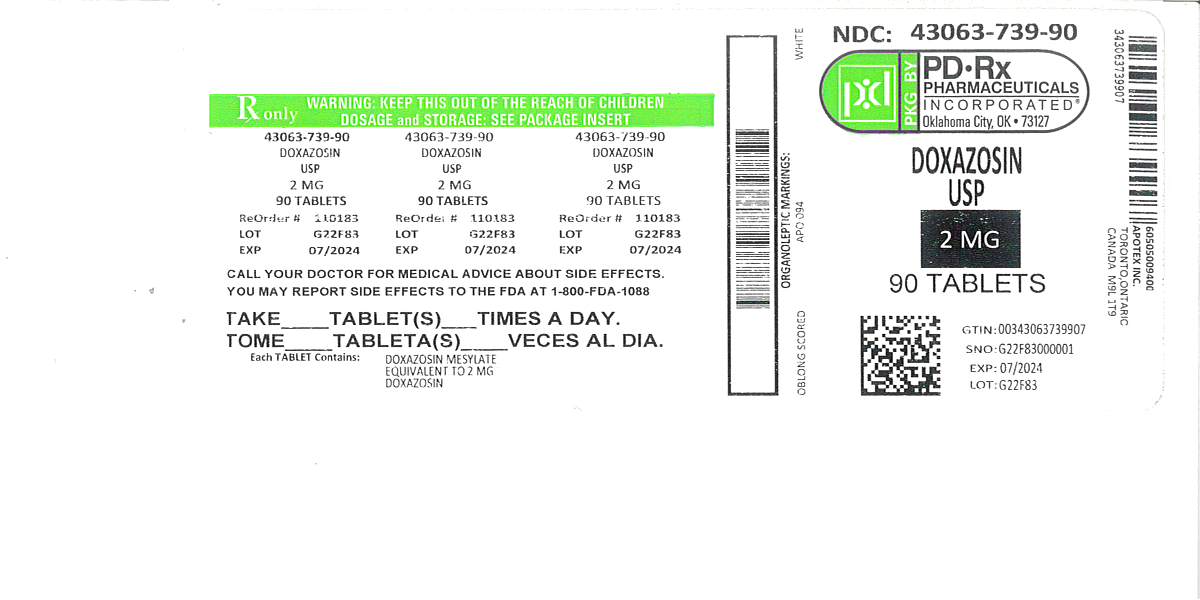
55154-799671610-83182804-08768788-841216729-21116729-41416729-21371610-87843063-73970518-366768071-38110904-5522
Treats these conditions
Assistance programs
Source: openFDA + RxNorm · 2026
Look up another medication