Dextrose Monohydrate, Sodium Lactate, Potassium Chloride, Magnesium Chloride, Potassium Phosphate, Monobasic, and Sodium Phosphate, Monobasic, Monohydrate
Managing this medication for someone you care for? Eleplan keeps diagnoses, medications and appointments in one plan.
Start free with EleplanMedication reference
Dextrose Monohydrate, Sodium Lactate, Potassium Chloride, Magnesium Chloride, Potassium Phosphate, Monobasic, and Sodium Phosphate, Monobasic, Monohydrate
INTRAVENOUS
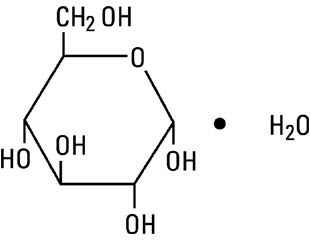
Dextrose Monohydrate, Sodium Lactate, Potassium Chloride, Magnesium Chloride, Potassium Phosphate, Monobasic, and Sodium Phosphate, Monobasic, Monohydrate. INDICATIONS AND USAGE Ionosol MB and 5% Dextrose Injection is indicated for intravenous administration to infants for treatment of dehydration…
Brand names
Ionosol MB and Dextrose
Active ingredients
DEXTROSE MONOHYDRATEMAGNESIUM CHLORIDEMONOBASIC POTASSIUM PHOSPHATEPOTASSIUM CHLORIDESODIUM LACTATESODIUM PHOSPHATE, MONOBASIC, MONOHYDRATE
Indications
INDICATIONS AND USAGE Ionosol MB and 5% Dextrose Injection is indicated for intravenous administration to infants for treatment of dehydration, acidosis, diarrhea, and burns, but only after administration of an initial priming solution: 15 mL of 5% dextrose and 0.45% Sodium Chloride Injection/kg of body weight. In adults, Ionosol MB and 5% Dextrose Injection is indicated postoperatively for intravenous fluid and electrolyte maintenance therapy, with a small amount of carbohydrate calories for reducing catabolism of endogenous protein reserves.
Dosage
DOSAGE AND ADMINISTRATION The dose is dependent upon the age, weight and clinical condition of the patient. In infants, Ionosol MB and 5% Dextrose Injection is given only after administration of an initial priming solution: 15 mL of half isotonic saline in 5% dextrose and 0.45% Sodium Chloride Injection/kg of body weight, administered to small infants at a maximum rate of 0.8 mL/minute. Infants typically tolerate not more than 150 to 200 mL of Ionosol MB and 5% Dextrose Injection per kg body weight/day. As reported in the literature, the dosage and constant infusion rate of intravenous dextrose must be selected with caution in pediatric patients, particularly neonates and low birth weight infants, because of the increased risk of hyperglycemia/hypoglycemia. In adults, intravenous infusions of Ionosol MB and 5% Dextrose Injection are given postoperatively, at a rate not greater than 4 mL/minute. Drug Interactions Additives may be incompatible. Consult with pharmacist, if available. When introducing additives, use aseptic technique, mix thoroughly and do not store. Parenteral drug products should be inspected visually for particulate matter and discoloration prior to administration. See PRECAUTIONS . INSTRUCTIONS FOR USE To Open: Tear outer wrap at notch and remove solution container. Some opacity of the plastic due to moisture absorption during sterilization process may be observed. This is normal and does not affect the solution quality or safety. The opacity will diminish gradually. If supplemental medication is desired, follow directions below before preparing for administration. To Add Medication Prepare additive port. Using aseptic technique and an additive delivery needle of appropriate length, puncture resealable additive port at target area, inner diaphragm and inject. Withdraw needle after injecting medication. The additive port may be protected by covering with an additive cap. Mix container contents thoroughly. To Administer Attach administration set per manufacturer's instructions. Regulate rate of administration per institutional policy. WARNING: Do not use flexible container in series connections.
Warnings
WARNINGS Solutions which contain potassium ions should be used with great care, if at all, in patients with hyperkalemia, severe renal failure and in conditions in which potassium retention is present. Solutions containing sodium ions should be used with great care, if at all, in patients with congestive heart failure, severe renal insufficiency and in clinical states in which there exists edema with sodium retention. In patients with diminished renal function, administration of solutions containing sodium or potassium ions may result in sodium or potassium retention. Solutions containing lactate ions should be used with great care, if at all, in patients with metabolic or respiratory alkalosis. The administration of lactate ions should be done with great care in those conditions in which there is an increased level or an impaired utilization of lactate ions, such as severe hepatic insufficiency. The intravenous administration of Ionosol MB and 5% Dextrose Injection can cause fluid and/or solute overloading resulting in dilution of serum electrolyte concentrations, overhydration, congested states or pulmonary edema. The risk of dilutional states is inversely proportional to the electrolyte concentrations of administered parenteral solutions. The risk of solute overload causing congested states with peripheral and pulmonary edema is directly proportional to the electrolyte concentrations of such solutions.
Contraindications
CONTRAINDICATIONS Solutions containing potassium are contraindicated in diseases where high potassium levels may be encountered.
Adverse reactions
ADVERSE REACTIONS Reactions which may occur because of the solution or the technique of administration include febrile response, infection at the site of injection, venous thrombosis or phlebitis extending from the site of injection, extravasation and hypervolemia. If an adverse reaction does occur, discontinue the infusion, evaluate the patient, institute appropriate therapeutic countermeasures and save the remainder of the fluid for examination if deemed necessary.
Mechanism of action
CLINICAL PHARMACOLOGY Ionosol MB and 5% Dextrose Injection contains a hypotonic concentration of electrolytes with dextrose. The letters "MB" mean "modified Butler's" solution; the modified solution contains 5 mEq less sodium, 5 mEq more potassium, and 3 mEq added magnesium, as compared with the original Butler's solution. The modified solution can be used in pediatric patients for treatment of dehydration, acidosis, diarrhea, or burns, and in adults for postoperative fluid and electrolyte therapy. Solutions containing dextrose restore blood glucose levels and provide calories. Carbohydrate in the form of dextrose may aid in minimizing liver glycogen depletion and exerts a protein-sparing action. Dextrose injected parenterally undergoes oxidation to carbon dioxide and water. The lactate anion provides an alkalizing effect resulting from simultaneous removal by the liver of lactate and hydrogen ions. In the liver, the lactate is metabolized to glycogen which is ultimately converted to carbon dioxide and water by oxidative metabolism. The lactate anion acts as a source (alternate) of bicarbonate when normal production and utilization of lactic acid is not impaired as a result of disordered lactate metabolism. Since metabolic conversion is dependent on the integrity of cellular oxidative processes, lactate may be inadequate or ineffective as a source of bicarbonate in patients suffering from acidosis associated with shock or other disorders involving reduced perfusion of body tissues. When oxidative activity is intact, one to two hours time is required for metabolism of lactate. Magnesium chloride in water dissociates to provide magnesium (Mg ++ ) and chloride (Cl‾) ions. Magnesium is the second most plentiful cation of the intracellular fluids. It is an important cofactor for enzymatic reactions and plays an important role in neurochemical transmission and muscular excitability. Normal plasma concentration ranges from 1.5 to 2.5 or 3.0 mEq/liter. Magnesium is excreted solely by the kidney at a rate proportional to the plasma concentration and glomerular filtration. Phosphate is one of the three major intracellular electrolytes (along with potassium and magnesium) and the largest anion component found within the cells. Its concentration and excretion are largely dependent on intake, acid-base balance and endocrine function. Its metabolism follows that of calcium in many respects. Phosphate anion in electrolyte solutions may help to repair phosphate deficiency. Potassium chloride in water dissociates to provide potassium (K + ) and chloride (Cl‾) ions. Potassium is the chief cation of body cells (160 mEq/liter of intracellular water). It is found in low concentration in plasma and extracellular fluids (3.5 to 5.0 mEq/liter in a healthy adult and child over 10 days old; 3.5 to 6.0 mEq/liter in a child less than 10 days old). Potassium plays an important role in electrolyte balance. Normally about 80 to 90% of the potassium intake is excreted in the urine; the remainder in the stools and to a small extent, in the perspiration. The kidney does not conserve potassium well so that during fasting or in patients on a potassium-free diet, potassium loss from the body continues resulting in potassium depletion. Water is an essential constituent of all body tissues and accounts for approximately 70% of total body weight. Average normal adult daily requirement ranges from two to three liters (1.0 to 1.5 liters each for insensible water loss by perspiration and urine production). Average normal pediatric daily requirements are based on the child's weight as described in the table below: Weight Fluid Requirements Up to 10 kg 100 mL/kg 11 to 20 kg 1,000 mL + 50 mL/kg for each kg above 10 kg Above 20 kg 1,500 mL + 20 mL/kg for each kg above 20 kg Water balance is maintained by various regulatory mechanisms. Water distribution depends primarily on the concentration of electrolytes in the body compartments, and sodium (Na + ) plays a major role in maintaining physiologic equilibrium. Ionosol MB and 5% Dextrose Injection contains a hypotonic electrolyte concentration. This should not be confused with the total tonicity (electrolytes plus nonelectrolytes) of solutions containing both electrolytes and dextrose. In general, solutions providing isotonic electrolyte concentrations are most applicable to replacement of acute deficits, whereas hypotonic electrolyte concentrations are best suited for parenteral maintenance of water requirements when only small quantities of electrolytes are desired.
NDC examples
0990-7372
Treats these conditions
Source: openFDA + RxNorm · 2026
Look up another medication