Butoconazole
Managing this medication for someone you care for? Eleplan keeps diagnoses, medications and appointments in one plan.
Start free with EleplanMedication reference
Butoconazole
VAGINAL
Butoconazole. INDICATIONS AND USAGE GYNAZOLE • 1 ® Butoconazole Nitrate Vaginal Cream USP, 2% is indicated for the local treatment of vulvovaginal candidiasis…
Brand names
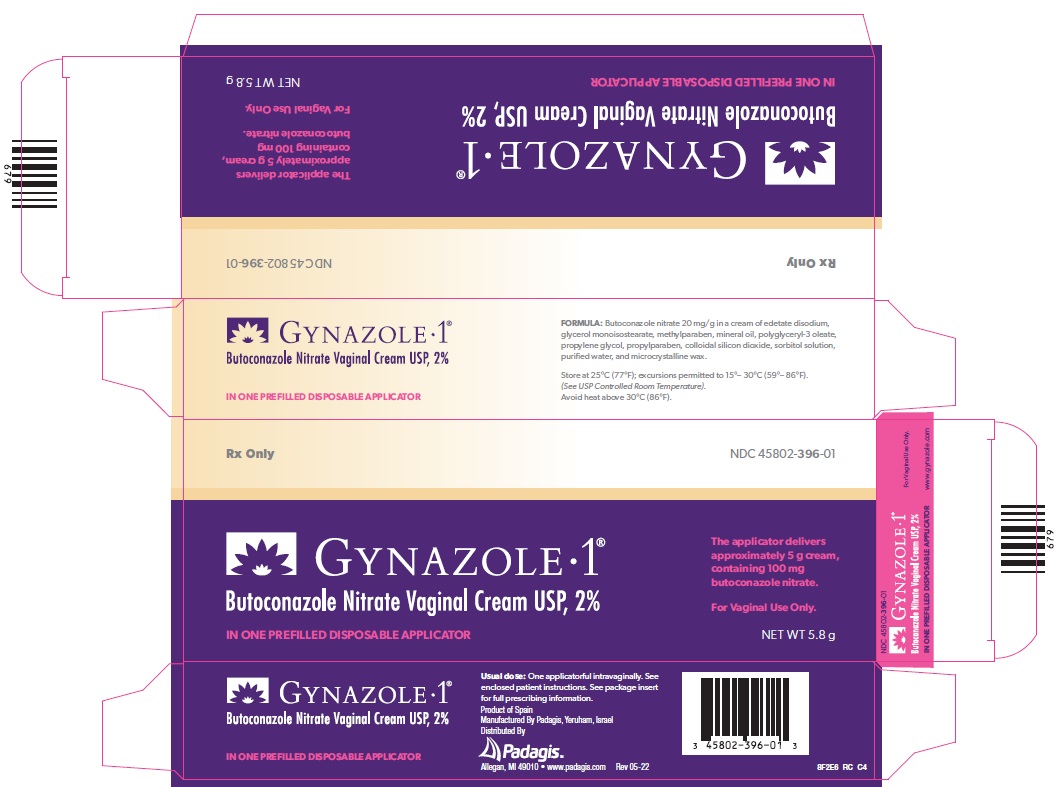
gynazole 1
Active ingredients
BUTOCONAZOLE NITRATE
Indications
INDICATIONS AND USAGE GYNAZOLE • 1 ® Butoconazole Nitrate Vaginal Cream USP, 2% is indicated for the local treatment of vulvovaginal candidiasis (infections caused by Candida ). The diagnosis should be confirmed by KOH smears and/or cultures (see CLINICAL STUDIES ). Note: GYNAZOLE • 1 ® Butoconazole Nitrate Vaginal Cream USP, 2% is safe and effective in non-pregnant women; however, the safety and effectiveness of this product in pregnant women has not been established (see PRECAUTIONS - Pregnancy ).
Dosage
DOSAGE AND ADMINISTRATION The recommended dose of GYNAZOLE • 1 ® Butoconazole Nitrate Vaginal Cream USP, 2% is one applicatorful of cream (approximately 5 grams of the cream) intravaginally. This amount of cream contains approximately 100 mg of butoconazole nitrate.
Warnings
WARNINGS This cream contains mineral oil. Mineral oil may weaken latex or rubber products such as condoms or vaginal contraceptive diaphragms; therefore, use of such products within 72 hours following treatment with GYNAZOLE•1 ® Butoconazole Nitrate Vaginal Cream USP, 2% is not recommended. Recurrent vaginal yeast infections, especially those that are difficult to eradicate, can be an early sign of infection with the human immunodeficiency virus (HIV) in women who are considered at risk for HIV infection.
Contraindications
CONTRAINDICATIONS GYNAZOLE • 1 ® Butoconazole Nitrate Vaginal Cream USP, 2% is contraindicated in patients with a history of hypersensitivity to any of the components of the product.
Adverse reactions
ADVERSE REACTIONS Of the 314 patients treated with GYNAZOLE • 1 ® Butoconazole Nitrate Vaginal Cream USP, 2% for 1 day in controlled clinical trials, 18 patients (5.7%) reported complaints such as vulvar/vaginal burning, itching, soreness and swelling, pelvic or abdominal pain or cramping, or a combination of two or more of these symptoms. In 3 patients (1%) these complaints were considered treatment-related. Five of the 18 patients reporting adverse events discontinued the study because of them.
Mechanism of action
CLINICAL PHARMACOLOGY Following vaginal administration of butoconazole nitrate vaginal cream, 2% to 3 women, 1.7% (range 1.3-2.2%) of the dose was absorbed on average. Peak plasma levels (13.6-18.6 ng radioequivalents/mL of plasma) of the drug and its metabolites are attained between 12 and 24 hours after vaginal administration. Microbiology - The exact mechanism of the antifungal action of butoconazole nitrate is unknown; however, it is presumed to function as other imidazole derivatives via inhibition of steroid synthesis. Imidazoles generally inhibit the conversion of lanosterol to ergosterol, resulting in a change in fungal cell membrane lipid composition. This structural change alters cell permeability and, ultimately, results in the osmotic disruption or growth inhibition of the fungal cell. Butoconazole nitrate is an imidazole derivative that has fungicidal activity in vitro against Candida spp. and has been demonstrated to be clinically effective against vaginal infections due to Candida albicans . Candida albicans has been identified as the predominant species responsible for vulvovaginal candidiasis.
Available forms (2)
NDC examples
45802-396
Indicated ICD-10 codes
Treats these conditions
Source: openFDA + RxNorm · 2026
Look up another medication