Benzoyl Peroxide
Managing this medication for someone you care for? Eleplan keeps diagnoses, medications and appointments in one plan.
Start free with EleplanMedication reference
Benzoyl Peroxide
Retinoid [EPC] — TOPICAL
Benzoyl Peroxide — Retinoid [EPC]. INDICATIONS AND USAGE Clindamycin Phosphate and Benzoyl Peroxide Gel, 1.2%/5% is a combination of clindamycin phosphate (a lincosamide…
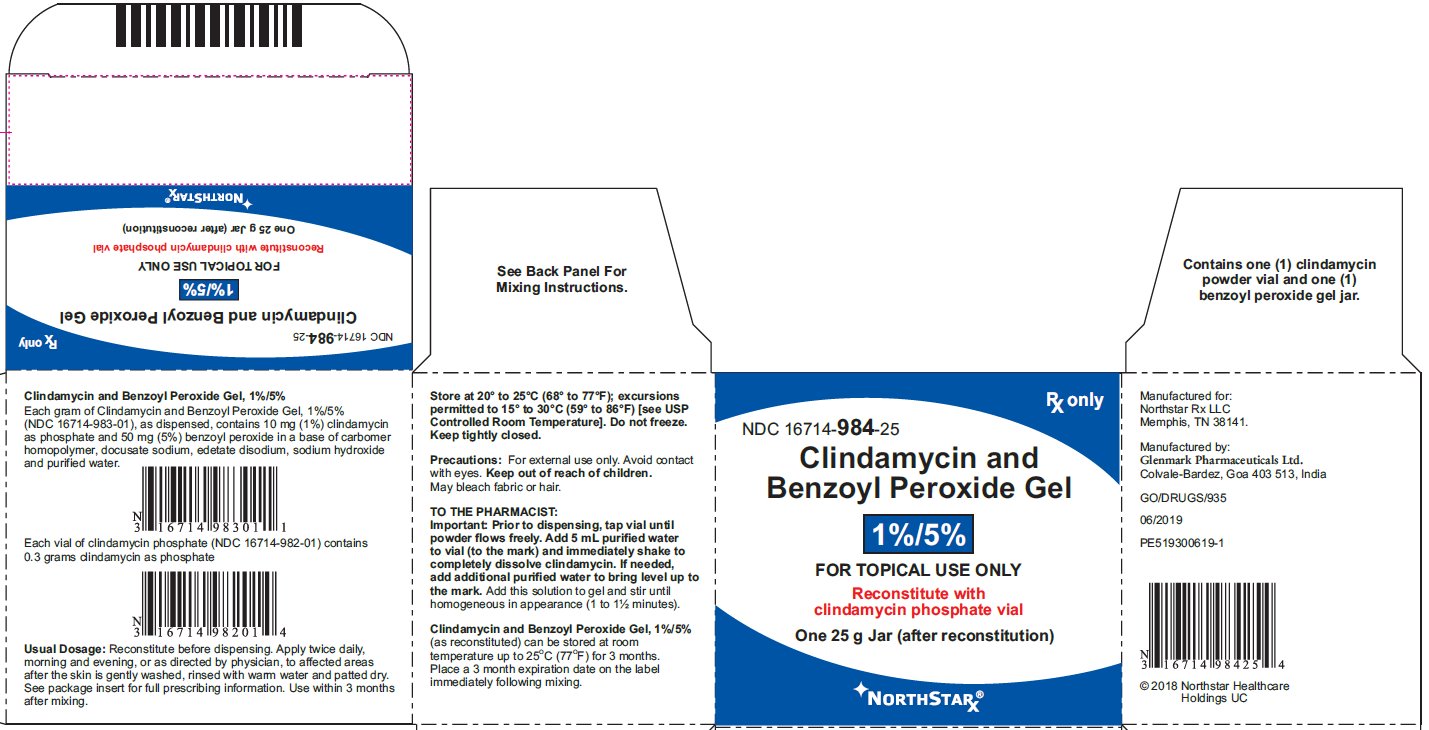
Brand names
clindamycin phosphate and benzoyl peroxideClindamycin Phosphate and Benzoyl PeroxideEPSOLAYEpsolayCabtreo
Active ingredients
BENZOYL PEROXIDECLINDAMYCIN PHOSPHATEADAPALENE
Indications
INDICATIONS AND USAGE Clindamycin Phosphate and Benzoyl Peroxide Gel, 1.2%/5% is a combination of clindamycin phosphate (a lincosamide antibacterial) and benzoyl peroxide indicated for the topical treatment of inflammatory acne vulgaris. ( 1.1 ) Limitation of Use: Clindamycin Phosphate and Benzoyl Peroxide Gel, 1.2%/5% has not been demonstrated to have any additional benefit when compared with benzoyl peroxide alone in the same vehicle when used for the treatment of non-inflammatory acne. ( 1.2 ) 1.1 Indication Clindamycin Phosphate and Benzoyl Peroxide Gel, 1.2%/5% is indicated for the topical treatment of inflammatory acne vulgaris in patients 12 years and older. 1.2 Limitations of Use Clindamycin Phosphate and Benzoyl Peroxide Gel, 1.2%/5% has not been demonstrated to have any additional benefit when compared with benzoyl peroxide alone in the same vehicle when used for the treatment of non-inflammatory acne.
Dosage
DOSAGE AND ADMINISTRATION Before applying Clindamycin Phosphate and Benzoyl Peroxide Gel, 1.2%/2.5%, wash your face gently with a mild soap, rinse with warm water, and pat your skin dry. Apply a pea-sized amount of Clindamycin Phosphate and Benzoyl Peroxide Gel, 1.2%/2.5% to the face once daily. Avoid the eyes, mouth, mucous membranes, or areas of broken skin. Use of Clindamycin Phosphate and Benzoyl Peroxide Gel, 1.2%/2.5% beyond 12 weeks has not been evaluated. Concomitant topical acne therapy should be used with caution because a possible cumulative irritancy effect may occur, especially with the use of peeling, desquamating, or abrasive agents. Clindamycin Phosphate and Benzoyl Peroxide Gel, 1.2%/2.5% is not for oral, ophthalmic, or intravaginal use. • Apply a pea-sized amount of Clindamycin Phosphate and Benzoyl Peroxide Gel, 1.2%/2.5% to the face once daily. (2) • Not for oral, ophthalmic, or intravaginal use. (2)
Warnings
WARNINGS AND PRECAUTIONS Hypersensitivity : If a serious hypersensitivity reaction occurs, discontinue CABTREO immediately and initiate appropriate therapy. ( 5.1 ) Colitis : Clindamycin can cause severe colitis, which may result in death. Discontinue CABTREO if diarrhea occurs. ( 5.2 ) Photosensitivity : Avoid or minimize exposure to sunlight and sunlamps. Wear sunscreen and protective clothing when sun exposure cannot be avoided. ( 5.3 ) Skin Irritation and Allergic Contact Dermatitis : Erythema, scaling, dryness, stinging/burning, irritant and allergic contact dermatitis may occur with use of CABTREO and may necessitate discontinuation ( 5.4 ) 5.1 Hypersensitivity Hypersensitivity reactions, including anaphylaxis, angioedema, and urticaria, have been reported with use of clindamycin phosphate, benzoyl peroxide, and adapalene [see Adverse Reactions ( 6.2 )]. If a serious hypersensitivity reaction occurs, discontinue CABTREO immediately and initiate appropriate therapy. 5.2 Colitis Diarrhea, bloody diarrhea, and colitis have been reported with the use of topical and systemic clindamycin. Severe colitis has occurred with an onset of up to several weeks following cessation of therapy. Antiperistaltic agents such as opiates and diphenoxylate with atropine may prolong and/or worsen severe colitis. Severe colitis may result in death. Discontinue CABTREO if diarrhea occurs. 5.3 Photosensitivity CABTREO may increase sensitivity to ultraviolet light. Avoid or minimize sun exposure (including use of tanning beds, and sun lamps) following CABTREO application. Instruct patients to use sunscreen products and wear protective apparel (e.g., hat) when exposure to sun cannot be avoided. 5.4 Skin Irritation and Allergic Contact Dermatitis Stinging/burning/pain, erythema, dryness, irritation, exfoliation, and dermatitis have been reported with use of CABTREO. These application site adverse reactions occurred at a greater frequency in CABTREO-treated subjects than in vehicle-treated subjects. These adverse reactions are most likely to occur during the first four weeks of treatment [ see Adverse Reactions ( 6.1 )] . Irritant and allergic contact dermatitis have been reported with use of CABTREO. Weather extremes, such as wind or cold, may be irritating to patients under treatment with CABTREO. Depending upon the severity of these adverse reactions, instruct patients to use a moisturizer, reduce the frequency of the application of CABTREO, or discontinue use. Avoid applying CABTREO to areas of broken, eczematous, or sunburned skin. Avoid use of “waxing” as a depilatory method on skin treated with CABTREO. Avoid concomitant use of other potentially irritating topical products such as peeling, desquamating, or abrasive agents and products with high concentrations of alcohol, astringents, spices, or limes. Use of CABTREO with concomitant topical acne therapy has not been evaluated.
Contraindications
CONTRAINDICATIONS Clindamycin Phosphate and Benzoyl Peroxide Gel, 1.2%/5% is contraindicated in: • Patients who have demonstrated hypersensitivity (e.g., anaphylaxis) to clindamycin, benzoyl peroxide, any components of the formulation, or lincomycin. ( 4 ) • Patients with a history of regional enteritis, ulcerative colitis, or antibiotic-associated colitis (including pseudomembranous colitis). ( 4 ) 4.1 Hypersensitivity Clindamycin Phosphate and Benzoyl Peroxide Gel, 1.2%/5% is contraindicated in those individuals who have shown hypersensitivity to clindamycin, benzoyl peroxide, any components of the formulation, or lincomycin. Anaphylaxis, as well as allergic reactions leading to hospitalization, has been reported in postmarketing use with clindamycin phosphate and benzoyl peroxide gel, 1.2%/5% [ see Adverse Reactions ( 6.2 ) ]. 4.2 Colitis/Enteritis Clindamycin Phosphate and Benzoyl Peroxide Gel, 1.2%/5% is contraindicated in those individuals with a history of regional enteritis, ulcerative colitis, pseudomembranous colitis, or antibiotic-associated colitis [ see Warnings and Precautions ( 5.1 ) ].
Drug interactions
DRUG INTERACTIONS • Clindamycin Phosphate and Benzoyl Peroxide Gel, 1.2%/5% should not be used in combination with erythromycin-containing products because of its clindamycin component. ( 7.1 ) 7.1 Erythromycin Avoid using Clindamycin Phosphate and Benzoyl Peroxide Gel, 1.2%/5% in combination with erythromycin-containing products due to its clindamycin component. In vitro studies have shown antagonism between erythromycin and clindamycin. The clinical significance of this in vitro antagonism is not known. 7.2 Concomitant Topical Medications Concomitant topical acne therapies should be used with caution since a possible cumulative irritancy effect may occur, especially with the use of peeling, desquamating, or abrasive agents. If irritancy or dermatitis occurs, reduce frequency of application or temporarily interrupt treatment and resume once the irritation subsides. Treatment should be discontinued if the irritation persists. 7.3 Neuromuscular Blocking Agents Clindamycin has been shown to have neuromuscular blocking properties that may enhance the action of other neuromuscular blocking agents. Clindamycin Phosphate and Benzoyl Peroxide Gel, 1.2%/5% should be used with caution in patients receiving such agents. 7.4 Topical Sulfone Products Use of topical benzoyl-peroxide-containing preparations with topical sulfone products may cause skin and facial hair to temporarily change color (yellow/orange).
Adverse reactions
ADVERSE REACTIONS The following adverse reactions are discussed in more detail in other sections of the labeling: Hypersensitivity [ see Warnings and Precautions ( 5.1 )] Colitis [see Warnings and Precautions ( 5.2 )] Skin Irritation and Allergic Contact Dermatitis [see Warnings and Precautions ( 5.4 )] The most common adverse reactions (occurring in >1% of the CABTREO group and greater than the vehicle group) were application site reactions, pain, erythema, dryness, irritation, exfoliation, and dermatitis. ( 6.1 ) To report SUSPECTED ADVERSE REACTIONS, contact Bausch Health US, LLC at 1-800-321-4576 or FDA at 1-800-FDA-1088 or www.fda.gov/medwatch. 6.1 Clinical Trials Experience Because clinical trials are conducted under widely varying conditions, adverse reaction rates observed in the clinical trials of a drug cannot be directly compared to rates in the clinical trials of another drug and may not reflect the rates observed in clinical practice. In two multicenter, randomized, double-blind, vehicle-controlled clinical trials (Trial 1 and Trial 2), 363 adult and pediatric subjects 10 years of age and older with facial acne vulgaris were treated with CABTREO or vehicle topically once daily for 12 weeks [see Clinical Studies ( 14 )] . Adverse reactions reported by >1% of subjects treated with CABTREO and more frequently than subjects treated with vehicle are summarized in Table 1. These adverse reactions were mild (59%), moderate (36.4%), and severe (4.5%). Overall, 2.5% (6/242) of subjects discontinued CABTREO because of local skin reactions. Table 1: Adverse Reactions Reported by >1% of Subjects with Facial Acne Vulgaris Treated with CABTREO (and More Frequently than Vehicle) in Trials 1 and 2 Adverse Reactions N (%) CABTREO N=242 Vehicle N=121 Application site pain Application site pain also includes application site stinging and burning 33 (13.6) 1 (0.8) Application site erythema Application site erythema also includes erythema 11 (4.5) 0 Application site dryness Application site dryness also includes xerosis 10 (4.1) 1 (0.8) Application site irritation 5 (2.1) 0 Application site exfoliation 4 (1.7) 0 Application site dermatitis 3 (1.2) 0 Local tolerability evaluations were conducted at each study visit by assessment of erythema, scaling, itching, burning, and stinging. Table 2 presents the signs and symptoms of local facial tolerability during the 12 Week treatment period in subjects treated with CABTREO. Table 2: Facial Cutaneous Tolerability Assessment During 12-Week Treatment Period in Subjects with Acne Vulgaris Treated with CABTREO in Trials 1 and 2 Maximum During Treatment The denominators for calculating the percentages were the number of subjects with at least one post-baseline cutaneous tolerability assessment. Week 12 (End of Treatment) The denominators for calculating the percentages were the number of subjects with Week 12 assessment. Mild (%) Mod (%) Severe (%) Mild (%) Mod (%) Severe (%) CABTREO (N = 242) Erythema 34.2 19.7 2.1 22.4 6.5 0.5 Burning 29.6 10.7 3.0 4.2 1.4 0.9 Scaling 26.7 3.4 0 7.0 0.9 0 Itching 24.3 3.4 0.4 6.0 0.9 0 Stinging 20.5 5.1 2.6 2.3 0.9 0.5 Vehicle (N = 121) Erythema 22.5 21.7 1.7 25.5 5.5 0 Burning 2.5 0.8 0.8 0.9 0 0 Scaling 12.5 0 0 4.5 0 0 Itching 11.6 0.8 0 1.8 0 0 Stinging 3.3 0.8 0 1.8 0 0 Local tolerability scores for erythema, scaling, itching, burning, and stinging increased during the first two weeks of treatment and decreased thereafter. 6.2 Postmarketing Experience The following adverse reactions have been identified during post-approval use of products containing clindamycin phosphate, adapalene, and benzoyl peroxide as the active ingredients. Because post-marketing adverse reactions are reported voluntarily from a population of uncertain size, it is not always possible to reliably estimate their frequency or establish a causal relationship to drug exposure. Immune system disorders: anaphylaxis and allergic reactions including eyelid edema, throat tightness, swelling of the face, and eczema. [see Contraindications ( 4 )] . Local Adverse Reactions: sunburn, blister, pruritis, hyperpigmentation and hypopigmentation. Gastrointestinal Disorders: abdominal pain and gastrointestinal disturbances. Bacterial infections: gram negative folliculitis
Mechanism of action
CLINICAL PHARMACOLOGY 12.1 Mechanism of Action Clindamycin : Clindamycin is a lincosamide antibacterial [ see Clinical Pharmacology ( 12.4 ) ]. Benzoyl Peroxide : Benzoyl peroxide is an oxidizing agent with bacteriocidal and keratolytic effects, but the precise mechanism of action is unknown. 12.3 Pharmacokinetics A comparative trial of the pharmacokinetics of clindamycin phosphate and benzoyl peroxide gel, 1.2%/5% and 1% clindamycin solution alone in 78 subjects indicated that mean plasma clindamycin levels during the 4-week dosing period were less than 0.5 ng/mL for both treatment groups. Benzoyl peroxide has been shown to be absorbed by the skin where it is converted to benzoic acid. Less than 2% of the dose enters systemic circulation as benzoic acid. 12.4 Microbiology Clindamycin binds to the 50S ribosomal subunits of susceptible bacteria and prevents elongation of peptide chains by interfering with peptidyl transfer, thereby suppressing protein synthesis. In Vivo Activity : No microbiology studies were conducted in the clinical trials with this product. In Vitro Activity : The clindamycin and benzoyl peroxide components individually have been shown to have in vitro activity against Propionibacterium acnes , an organism which has been associated with acne vulgaris; however, the clinical significance of this in vitro activity is not known. Drug Resistance : There are reports of an increase of P. acnes resistance to clindamycin in the treatment of acne. In patients with P. acnes resistant to clindamycin, the clindamycin component may provide no additional benefit beyond benzoyl peroxide alone.
Available forms (80)
benzoyl peroxide 0.025 MG/MG Topical Gelbenzoyl peroxide 0.04 MG/MG Topical Gelbenzoyl peroxide 0.055 MG/MG Topical Gelbenzoyl peroxide 0.05 MG/MG Medicated Bar Soapbenzoyl peroxide 0.05 MG/MG Topical Gelbenzoyl peroxide 0.065 MG/MG Topical Gelbenzoyl peroxide 0.08 MG/MG Topical Gelbenzoyl peroxide 0.1 MG/MG Medicated Bar Soapbenzoyl peroxide 0.1 MG/MG Topical Gelbenzoyl peroxide 100 MG/ML Medicated Liquid Soapbenzoyl peroxide 100 MG/ML Topical Creambenzoyl peroxide 100 MG/ML Topical Lotionbenzoyl peroxide 25 MG/ML Medicated Liquid Soapbenzoyl peroxide 25 MG/ML Medicated Padbenzoyl peroxide 25 MG/ML Medicated Shampoobenzoyl peroxide 25 MG/ML Topical Creambenzoyl peroxide 25 MG/ML Topical Lotionbenzoyl peroxide 25 MG/ML Topical Spraybenzoyl peroxide 26 MG/ML Medicated Liquid Soapbenzoyl peroxide 30 MG/ML Medicated Liquid Soapbenzoyl peroxide 30 MG/ML Medicated Padbenzoyl peroxide 30 MG/ML Medicated Shampoobenzoyl peroxide 30 MG/ML Topical Creambenzoyl peroxide 30 MG/ML Topical Lotionbenzoyl peroxide 35 MG/ML Medicated Liquid Soapbenzoyl peroxide 35 MG/ML Topical Creambenzoyl peroxide 37 MG/ML Topical Lotionbenzoyl peroxide 40 MG/ML Medicated Liquid Soapbenzoyl peroxide 40 MG/ML Medicated Padbenzoyl peroxide 40 MG/ML Topical Creambenzoyl peroxide 42.5 MG/ML Medicated Liquid Soapbenzoyl peroxide 42.5 MG/ML Medicated Padbenzoyl peroxide 44 MG/ML Medicated Liquid Soapbenzoyl peroxide 50 MG/ML Medicated Liquid Soapbenzoyl peroxide 50 MG/ML Medicated Padbenzoyl peroxide 50 MG/ML Topical Creambenzoyl peroxide 50 MG/ML Topical Lotionbenzoyl peroxide 50 MG/ML Topical Solutionbenzoyl peroxide 52.5 MG/ML Medicated Liquid Soapbenzoyl peroxide 52.5 MG/ML Topical Creambenzoyl peroxide 52 MG/ML Topical Foambenzoyl peroxide 53 MG/ML Topical Foambenzoyl peroxide 55 MG/ML Topical Creambenzoyl peroxide 55 MG/ML Topical Lotionbenzoyl peroxide 58 MG/ML Medicated Padbenzoyl peroxide 60 MG/ML Medicated Liquid Soapbenzoyl peroxide 60 MG/ML Medicated Padbenzoyl peroxide 68 MG/ML Medicated Liquid Soapbenzoyl peroxide 69 MG/ML Medicated Liquid Soapbenzoyl peroxide 70 MG/ML Medicated Liquid Soapbenzoyl peroxide 70 MG/ML Medicated Padbenzoyl peroxide 80 MG/ML Medicated Padbenzoyl peroxide 85 MG/ML Topical Creambenzoyl peroxide 90 MG/ML Medicated Liquid Soapbenzoyl peroxide 90 MG/ML Medicated Padbenzoyl peroxide 95 MG/ML Medicated Padbenzoyl peroxide 97 MG/ML Topical Foambenzoyl peroxide 98 MG/ML Topical Foambenzoyl peroxide 0.025 MG/MG Topical Gel [Desquam]brandbenzoyl peroxide 0.05 MG/MG Topical Gel [Benzac]brandbenzoyl peroxide 0.05 MG/MG Topical Gel [Clearplex]brandbenzoyl peroxide 0.05 MG/MG Topical Gel [Clear Proof Acne Treatment]brandbenzoyl peroxide 0.05 MG/MG Topical Gel [Desquam]brandbenzoyl peroxide 0.05 MG/MG Topical Gel [Seba-Gel]brandbenzoyl peroxide 0.05 MG/MG Topical Gel [Soluclenz]brandbenzoyl peroxide 0.1 MG/MG Topical Gel [Acne-Clear]brandbenzoyl peroxide 0.1 MG/MG Topical Gel [Benzac]brandbenzoyl peroxide 0.1 MG/MG Topical Gel [Fostex]brandbenzoyl peroxide 0.1 MG/MG Topical Gel [Persa-Gel]brandbenzoyl peroxide 100 MG/ML Medicated Liquid Soap [Benzac]brandbenzoyl peroxide 100 MG/ML Medicated Liquid Soap [Desquam]brandbenzoyl peroxide 100 MG/ML Topical Cream [Clearskin]brandbenzoyl peroxide 100 MG/ML Topical Lotion [Del-Aqua]brandbenzoyl peroxide 25 MG/ML Medicated Liquid Soap [Relovox]brandbenzoyl peroxide 25 MG/ML Topical Cream [Phisoderm Clear Confidence Spot Treatment]brandbenzoyl peroxide 30 MG/ML Medicated Liquid Soap [Oscion]brandbenzoyl peroxide 30 MG/ML Medicated Liquid Soap [Triaz]brandbenzoyl peroxide 30 MG/ML Medicated Pad [Triaz]brandbenzoyl peroxide 35 MG/ML Topical Cream [NeoBenz Micro]brandbenzoyl peroxide 40 MG/ML Medicated Pad [Inova]brand
NDC examples
45802-73645802-59772162-207763629-86350299-589051862-7720187-0006
Indicated ICD-10 codes
Treats these conditions
Source: openFDA + RxNorm · 2026
Look up another medication