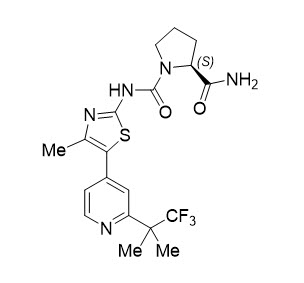
Alpelisib
Managing this medication for someone you care for? Eleplan keeps diagnoses, medications and appointments in one plan.
Start free with EleplanMedication reference
Alpelisib
ORAL
Alpelisib. INDICATIONS AND USAGE VIJOICE is indicated for the treatment of adult and pediatric patients 2 years of age and older with severe manifestations of…
Brand names
VIJOICEPIQRAY
Active ingredients
ALPELISIB
Indications
INDICATIONS AND USAGE VIJOICE is indicated for the treatment of adult and pediatric patients 2 years of age and older with severe manifestations of PIK3CA-Related Overgrowth Spectrum (PROS) who require systemic therapy. This indication is approved under accelerated approval based on response rate and duration of response. Continued approval for this indication may be contingent upon verification and description of clinical benefit in a confirmatory trial(s). VIJOICE is a kinase inhibitor indicated for the treatment of adult and pediatric patients 2 years of age and older with severe manifestations of PIK3CA-Related Overgrowth Spectrum (PROS) who require systemic therapy. This indication is approved under accelerated approval based on response rate and duration of response. Continued approval for this indication may be contingent upon verification and description of clinical benefit in a confirmatory trial(s). ( 1 )
Dosage
DOSAGE AND ADMINISTRATION Recommended Dose: Pediatric patients (2 to less than 18 years of age): 50 mg taken orally once daily with food. ( 2.1 ) Adult patients: 250 mg taken orally once daily with food. ( 2.1 ) Administration: Swallow tablets whole. Do not chew, divide, or crush. ( 2.4 ) For patients who cannot swallow tablets whole, use tablets or oral granules to create a suspension or a mixture. ( 2.4 ) VIJOICE suspension made with water can be administered orally or via a nasogastric or gastric tube. ( 2.4 ) See full prescribing information for preparation and administration instructions. 2.1 Recommended Dosage Adult Patients The recommended dosage of VIJOICE in adult patients is 250 mg orally, once daily, administered as recommended [see Dosage and Administration (2.2, 2.3, 2.4)] until disease progression or unacceptable toxicity. Pediatric Patients (2 to less than 18 years of age) The recommended initial dosage of VIJOICE in pediatric patients is 50 mg orally, once daily, administered as recommended [see Dosage and Administration (2.2, 2.3, 2.4)] until disease progression or unacceptable toxicity. Consider a dose increase to 125 mg once daily in pediatric patients ≥ 6 years old for response optimization (clinical/radiological) after 24 weeks of treatment with VIJOICE at 50 mg once daily. When a pediatric patient turns 18 years old, consider a gradual dose increase up to 250 mg. Recommended dose increases by age group are listed in Table 1. Table 1: Recommended Daily VIJOICE Dose Levels for Pediatric Patients (2 to less than 18 years of age) a Dose can be administered as VIJOICE tablets or VIJOICE oral granules. b A recommended increased dose has not been established. Patient age (years) Initial dose Dose increase 2 to < 6 50 mg a Not applicable b 6 to < 18 50 mg a 125 mg 2.2 VIJOICE Dosage Form Overview VIJOICE is available in two dosage forms: tablets and oral granules. Prescribe the most appropriate dosage form of VIJOICE according to the dose required and patient needs. VIJOICE Tablets (50 mg, 125 mg, and 200 mg) may be administered as: Whole tablets: For patients who can swallow whole tablets. Tablets prepared as an oral suspension: For patients who have difficulty swallowing whole tablets [see Dosage and Administration (2.4)] . VIJOICE Oral Granules (50 mg per packet): For patients who are prescribed a 50 mg daily dose only [see Dosage and Administration (2.1)] . Do not use multiple 50 mg packets or a partial packet of oral granules for patients prescribed a 125 mg or a 250 mg dose [see Clinical Pharmacology (12.3)] . Do not combine VIJOICE tablets and VIJOICE oral granules to achieve the prescribed dose. 2.3 VIJOICE Administration Overview Take VIJOICE with food at approximately the same time each day [see Clinical Pharmacology (12.3)] . If a dose of VIJOICE is missed, it can be taken with food within 9 hours after the time it is usually taken. After more than 9 hours, skip the dose for that day. The next day, take VIJOICE at the usual time. If the patient vomits after taking the dose, advise the patient not to take an additional dose on that day, and to resume the dosing schedule the next day at the usual time. 2.4 VIJOICE Preparation and Administration Instructions VIJOICE Tablets Swallow VIJOICE tablets whole, or prepare as a suspension to administer orally, or via feeding tubes. VIJOICE Tablets, Whole Swallow VIJOICE tablets whole and take with food. Do not chew, divide, or crush. Do not use broken, cracked, or damaged tablets. VIJOICE Tablets Prepared as a Suspension for Oral use, or Feeding Tubes (Nasogastric or Gastric Tube) Administration For patients who are not able to swallow tablets, or who are using a feeding tube, prepare and administer VIJOICE as a suspension and take with food [see Clinical Pharmacology (12.3)] . To prepare VIJOICE tablets as a suspension for oral use, place VIJOICE tablets in a cup containing 2 to 4 ounces of water. To prepare VIJOICE tablets as a suspension for feeding tubes administration, place VIJOICE tablets in a cup containing 1 to 2 ounces of water. Make the suspension with water only. Let tablets stand in water for approximately 5 minutes. Crush the tablets with a spoon and stir until a suspension is obtained. Immediately after preparation, administer the suspension as directed below. If not administered immediately after preparation, stir the suspension with the same spoon to re-suspend any particles before administration. Discard the suspension if it is not administered within 60 minutes after preparation. Oral Administration Administer the suspension from the cup. After administration of the suspension, add approximately 1 to 2 ounces of water to the same cup. Stir with the same spoon to re-suspend any remaining particles and administer the entire contents of the cup orally. Repeat if particles remain. Feeding Tubes Administration Administer VIJOICE tablets prepared as a suspension via French size 5 to 12 diameter silicone or polyurethane nasogastric tubes, or via French size 12 to 24 diameter silicone gastric tubes. Withdraw VIJOICE suspension from the cup into an enteral syringe and administer it via the nasogastric or gastric tube. After administration, add approximately 1 to 2 ounces (approximately 30 to 60 mL) of water to the same cup. Stir with the same spoon to re-suspend any remaining particles. Withdraw the contents of the cup into the same enteral syringe and administer it via the nasogastric or gastric tube. Repeat if particles remain. VIJOICE Oral Granules Administer VIJOICE oral granules directly onto the tongue with water, or prepare as a suspension or a mixture for oral use. To administer via feeding tubes prepare the suspension with water only. Each packet is for single use only. No packet should be used if the packet seal is broken. Do not attempt to use partial quantities of oral granules from 50 mg granules packets to prepare a dose. Do not combine VIJOICE tablets and VIJOICE oral granules to achieve the prescribed dose of 125 mg or 250 mg. For patients for whom a daily dose of 50 mg is prescribed, administer VIJOICE oral granules [see Clinical Pharmacology (12.3)] in one of the following ways: VIJOICE Oral Granules for Direct Oral Administration Pour the contents of one VIJOICE oral granules packet directly onto the tongue and swallow with approximately 2 to 4 ounces of water. If needed, rinse the mouth with additional water and swallow to ensure no particles remain in the mouth. VIJOICE Oral Granules as a Suspension or a Mixture for Oral administration Pour the contents of one VIJOICE oral granules packet into a cup. Add 1 to 3 teaspoons (about 0.5 ounces) of a beverage (water, milk, or apple juice) or soft food (applesauce or yogurt) and stir with a spoon, then administer the suspension or the mixture immediately. Rinse the cup with up to 2 ounces of a beverage (water, milk or apple juice) and administer the rinse immediately to ensure the entire dose is administered. If particles remain, repeat until the full dose is administered. If not administered immediately after preparation, stir the suspension or the mixture with the same spoon to re-suspend any particles before administration. Discard the oral granules mixed with water, milk, apple juice, applesauce, or yogurt if they are not administered within 60 minutes after preparation. VIJOICE Oral Granules Suspension for Feeding Tubes Administration For patients who are not able to swallow VIJOICE orally, administer VIJOICE via feeding tubes. Administer VIJOICE granules via French size 8 to 12 diameter silicone or polyurethane nasogastric tubes or via French size 12 to 24 diameter silicone gastric tubes. Pour the contents of one VIJOICE granules packet into a cup. Add 4 teaspoons (about 0.7 ounces or 20 mL) of water and stir gently with a spoon until a suspension is obtained. Make the suspension with water only. Immediately after preparation, withdraw the suspension from the cup into an enteral syringe and administer it
Warnings
WARNINGS AND PRECAUTIONS Severe Hypersensitivity : Permanently discontinue VIJOICE. Promptly initiate appropriate treatment. ( 5.1 ) Severe Cutaneous Adverse Reactions (SCARs) : VIJOICE can cause SCARs, including Stevens-Johnson syndrome (SJS), erythema multiforme (EM), toxic epidermal necrolysis (TEN), and drug reaction with eosinophilia and systemic symptoms (DRESS). Interrupt VIJOICE for signs or symptoms of SCARs. Permanently discontinue VIJOICE if SCARs are confirmed. ( 2.5 , 5.2 ) Hyperglycemia : VIJOICE can cause severe hyperglycemia, in some cases associated with hyperglycemic hyperosmolar non-ketotic syndrome (HHNKS) or ketoacidosis. The safety of VIJOICE in patients with Type 1 or uncontrolled Type 2 diabetes has not been established. Before initiating treatment with VIJOICE, test fasting plasma glucose (FPG), HbA1c, and optimize blood glucose. After initiating treatment, monitor periodically. Initiate or optimize anti-hyperglycemic medications as clinically indicated. Interrupt, reduce dose, or discontinue VIJOICE if severe hyperglycemia occurs. ( 2.5 , 5.3 ) Pneumonitis : VIJOICE can cause severe pneumonitis and interstitial lung disease. Monitor for clinical symptoms or radiological changes. Permanently discontinue VIJOICE if pneumonitis occurs. ( 2.5 , 5.4 ) Diarrhea or Colitis : VIJOICE can cause severe diarrhea, resulting in dehydration and in some cases in acute kidney injury, as well as colitis. Monitor for diarrhea and additional symptoms of colitis, including abdominal pain and mucus or blood in stool. Interrupt, reduce dose, or permanently discontinue VIJOICE based on severity of diarrhea or colitis. Patients with colitis may require additional treatment, such as enteric-acting and/or systemic steroids. ( 2.5 , 5.5 ) Embryo-Fetal Toxicity : VIJOICE can cause fetal harm. Advise patients of potential risk to a fetus and to use effective contraception. ( 5.6 , 8.1 , 8.3 ) 5.1 Severe Hypersensitivity Severe hypersensitivity reactions, including anaphylaxis, anaphylactic shock, and angioedema, have occurred in adult patients treated with alpelisib in the oncology setting and in patients treated with VIJOICE [see Adverse Reactions (6.1)] . VIJOICE is not approved for use in the oncology setting. Permanently discontinue VIJOICE in the event of severe hypersensitivity [see Contraindications (4)] . 5.2 Severe Cutaneous Adverse Reactions Severe cutaneous adverse reactions (SCARs), including Stevens-Johnson syndrome (SJS), erythema multiforme (EM), toxic epidermal necrolysis (TEN), and drug reaction with eosinophilia and systemic symptoms (DRESS), have occurred in adult patients treated with alpelisib in the oncology setting and may occur in patients treated with VIJOICE. VIJOICE is not approved for use in the oncology setting. If signs or symptoms of SCARs occur, interrupt VIJOICE until the etiology of the reaction has been determined. Consultation with a dermatologist is recommended. If a SCAR is confirmed, permanently discontinue VIJOICE. If a SCAR is not confirmed, VIJOICE may require dose modifications, topical or systemic corticosteroids, or oral antihistamine treatment as described in Table 4 [see Dosage and Administration (2.5)] . 5.3 Hyperglycemia Severe hyperglycemia, in some cases associated with hyperglycemic hyperosmolar non-ketotic syndrome (HHNKS) or fatal cases of ketoacidosis, has occurred in adult patients treated with alpelisib in the oncology setting and may occur in patients treated with VIJOICE. VIJOICE is not approved for use in the oncology setting. In the EPIK-P1 study, Grade 1 or 2 hyperglycemia was reported in 12% of patients treated with VIJOICE [see Adverse Reactions (6.1)] . Before initiating treatment with VIJOICE, test fasting plasma glucose (FPG), HbA1c, and optimize blood glucose. After initiating treatment with VIJOICE, monitor fasting glucose (FPG or fasting blood glucose) at least once every week for the first 2 weeks, then at least once every 4 weeks, and as clinically indicated. Monitor HbA1c every 3 months and as clinically indicated. Monitor fasting glucose more frequently for the first few weeks during treatment with VIJOICE in patients with risk factors for hyperglycemia, such as obesity (BMI ≥ 30), elevated FPG, HbA1c at the upper limit of normal or above, use of concomitant systemic corticosteroids, or age ≥ 75 [see Use in Specific Populations (8.5)] . If a patient experiences hyperglycemia after initiating treatment with VIJOICE, monitor fasting glucose as clinically indicated, and at least twice weekly until fasting glucose decreases to normal levels. During treatment with anti-hyperglycemic medication, continue monitoring fasting glucose at least once a week for 8 weeks, followed by once every 2 weeks and as clinically indicated. Consider consultation with a healthcare practitioner with expertise in the treatment of hyperglycemia and counsel patients on lifestyle changes. The safety of VIJOICE in patients with Type 1 and uncontrolled Type 2 diabetes has not been established. Patients with a history of diabetes mellitus may require intensified hyperglycemic treatment. Closely monitor patients with diabetes. Interrupt, reduce the dose, or permanently discontinue VIJOICE based on the severity as described in Table 5 [see Dosage and Administration (2.5)] . 5.4 Pneumonitis Severe pneumonitis, including acute interstitial pneumonitis and interstitial lung disease, has occurred in adult patients treated with alpelisib in the oncology setting and may occur in patients treated with VIJOICE. VIJOICE is not approved for use in the oncology setting. In patients who have new or worsening respiratory symptoms or are suspected to have developed pneumonitis, interrupt VIJOICE immediately and evaluate the patient for pneumonitis. Consider a diagnosis of non-infectious pneumonitis in patients presenting with non-specific respiratory signs and symptoms, such as hypoxia, cough, dyspnea, or interstitial infiltrates on radiologic exams and in whom infectious, neoplastic, and other causes have been excluded by means of appropriate investigations. Permanently discontinue VIJOICE in all patients with confirmed pneumonitis [see Dosage and Administration (2.5)] . 5.5 Diarrhea or Colitis Severe diarrhea, resulting in dehydration and in some cases in acute kidney injury, as well as colitis, have occurred in adult patients treated with alpelisib in the oncology setting and may occur in patients treated with VIJOICE. VIJOICE is not approved for use in the oncology setting. In the EPIK-P1 study, 16% of patients experienced Grade 1 diarrhea during treatment with VIJOICE [see Adverse Reactions (6.1)] . Monitor patients for diarrhea and additional symptoms of colitis, such as abdominal pain and mucus or blood in stool. Interrupt, reduce the dose or permanently discontinue VIJOICE based on the severity of diarrhea or colitis [see Dosage and Administration (2.5)] . Patients with colitis may require additional treatment, such as enteric-acting and/or systemic steroids [see Dosage and Administration (2.5)] . 5.6 Embryo-Fetal Toxicity Based on findings in animals and its mechanism of action, VIJOICE can cause fetal harm when administered to a pregnant woman. In animal reproduction studies, oral administration of alpelisib to pregnant animals during organogenesis caused adverse developmental outcomes, including embryo-fetal mortality (post-implantation loss), reduced fetal weights, and increased incidences of fetal malformations at doses that were approximately equivalent to the recommended pediatric and adult doses. Advise pregnant women and females of reproductive potential of the potential risk to a fetus. Advise females of reproductive potential to use effective contraception during treatment with VIJOICE and for 1 week after the last dose. Advise male patients with female partners of reproductive potential to use condoms and effective contraception during treatment with VIJOICE and for 1 week after the last dose [see Use in Sp
Contraindications
CONTRAINDICATIONS VIJOICE is contraindicated in patients with severe hypersensitivity to alpelisib or any of its ingredients [see Warnings and Precautions (5.1)] . Severe hypersensitivity to VIJOICE or to any of its ingredients. ( 4 )
Drug interactions
DRUG INTERACTIONS CYP3A4 Inducers : Avoid coadministration of VIJOICE with a strong CYP3A4 inducer. Consider an alternative concomitant drug with no or minimal potential to induce CYP3A4. ( 7.1 ) Breast Cancer Resistance Protein (BCRP) Inhibitors : Avoid the use of BCRP inhibitors in patients treated with VIJOICE. If unable to use alternative drugs, closely monitor for increased adverse reactions. ( 7.1 ) 7.1 Effect of Other Drugs on VIJOICE CYP3A4 Inducers Avoid coadministration of VIJOICE with strong CYP3A4 inducers and consider an alternative concomitant drug with no or minimal potential to induce CYP3A4. Alpelisib is metabolized by CYP3A4. Concomitant use of VIJOICE with a strong CYP3A4 inducer may decrease alpelisib concentration [see Clinical Pharmacology (12.3)] , which may decrease alpelisib activity. Breast Cancer Resistance Protein Inhibitors (BCRP) Avoid the use of BCRP inhibitors in patients treated with VIJOICE. If unable to use alternative drugs, when VIJOICE is used in combination with BCRP inhibitors, closely monitor for increased adverse reactions. Alpelisib is transported by BCRP. Concomitant use of VIJOICE with a BCRP inhibitor may increase alpelisib exposure [see Clinical Pharmacology (12.3)] , which may increase the risk of adverse reactions.
Adverse reactions
ADVERSE REACTIONS The following adverse reactions are discussed in greater detail in other sections of the labeling: Severe Hypersensitivity [see Warnings and Precautions (5.1)] Severe Cutaneous Adverse Reactions [see Warnings and Precautions (5.2)] Hyperglycemia [see Warnings and Precautions (5.3)] Pneumonitis [see Warnings and Precautions (5.4)] Diarrhea or Colitis [see Warnings and Precautions (5.5)] Most common adverse reactions, including laboratory abnormalities (all Grades, incidence ≥ 20%) were glucose increased, creatinine increased, diarrhea, rash, lymphocyte count decreased, gamma-glutamyl transferase (GGT) increased, nausea, alanine aminotransferase (ALT) increased, fatigue, hemoglobin decreased, lipase increased, decreased appetite, stomatitis, vomiting, weight decreased, calcium decreased, glucose decreased, activated partial thromboplastin time (aPTT) prolonged, and alopecia. ( 6.1 ) To report SUSPECTED ADVERSE REACTIONS, contact Novartis Pharmaceuticals Corporation at 1-888-669-6682 or FDA at 1-800-FDA-1088 or www.fda.gov/medwatch . 6.1 Clinical Trial Experience Because clinical trials are conducted under widely varying conditions, adverse reaction rates observed in the clinical trials of a drug cannot be directly compared to rates in the clinical trials of another drug and may not reflect the rates observed in practice. The safety of PIQRAY was evaluated in a randomized, double-blind, placebo-controlled trial (SOLAR-1) in 571 patients with HR-positive, HER2-negative, advanced or metastatic breast cancer enrolled into two cohorts, with or without a PIK3CA mutation [see Clinical Studies (14)] . Patients received either PIQRAY 300 mg plus fulvestrant (n = 284) or placebo plus fulvestrant (n = 287). Fulvestrant 500 mg was administered intramuscularly on Cycle 1, Day 1 and 15, and then at Day 1 of each 28-day cycle during treatment phase. Two patients (0.7%) died while on treatment with PIQRAY plus fulvestrant due to causes other than the underlying malignancy. Causes of death included one cardio-respiratory arrest and one second primary malignancy. Neither was suspected to be related to study treatment. Serious adverse reactions occurred in 35% of patients receiving PIQRAY plus fulvestrant. Serious adverse reactions in > 2% of patients receiving PIQRAY plus fulvestrant included hyperglycemia (10%), rash (3.5%), diarrhea (2.8%), acute kidney injury (2.5%), abdominal pain (2.1%), and anemia (2.1%). Osteonecrosis of the jaw (ONJ) was reported in 4.2% of patients (12/284) in the PIQRAY plus fulvestrant arm compared to 1.4% of patients (4/287) in the placebo arm. All patients experiencing ONJ had prior or concomitant bisphosphonates or RANK-ligand inhibitor administration. Among patients receiving PIQRAY plus fulvestrant, 4.6% permanently discontinued both PIQRAY and fulvestrant and 21% permanently discontinued PIQRAY alone, due to adverse reactions. The most frequent adverse reactions leading to treatment discontinuation of PIQRAY in > 2% patients receiving PIQRAY plus fulvestrant were hyperglycemia (6%), rash (4.2%), diarrhea (2.8%), and fatigue (2.5%). Dose reductions due to adverse reactions occurred in 55% of patients receiving PIQRAY plus fulvestrant. The most frequent adverse reactions leading to dose reduction in > 2% patients receiving PIQRAY plus fulvestrant were hyperglycemia (29%), rash (9%), diarrhea (6%), stomatitis (3.5%), and mucosal inflammation (2.1%). The most common adverse reactions, including laboratory abnormalities (all grades, incidence ≥ 20%) were glucose increased, creatinine increased, diarrhea, rash, lymphocyte count decreased, gamma-glutamyl transferase (GGT) increased, nausea, alanine aminotransferase (ALT) increased, fatigue, hemoglobin decreased, lipase increased, decreased appetite, stomatitis, vomiting, weight decreased, calcium decreased, glucose decreased, activated partial thromboplastin time (aPTT) prolonged, and alopecia. Adverse reactions and laboratory abnormalities are listed in Table 6 and Table 7, respectively. Table 6: Adverse Reactions Occurring in ≥ 10% and ≥ 2% Higher than Placebo Arm in SOLAR-1 (All Grades) Grading according to CTCAE Version 4.03. 1 Stomatitis: including stomatitis, aphthous ulcer and mouth ulceration. 2 Abdominal pain: abdominal pain, abdominal pain upper, abdominal pain lower. 3 Fatigue: including fatigue, asthenia. 4 Mucosal dryness: including dry mouth, mucosal dryness, vulvovaginal dryness. 5 Urinary tract infection: including UTI and single case of urosepsis. 6 Dysgeusia: including dysgeusia, ageusia, hypogeusia. 7 Rash: including rash, rash maculo-papular, rash macular, rash generalized, rash papular, rash pruritic. 8 Dry skin: including dry skin, skin fissures, xerosis, xeroderma. * No Grade 4 adverse reactions were reported. PIQRAY plus fulvestrant N = 284 Placebo plus fulvestrant N = 287 Adverse reactions All Grades Grade 3-4 All Grades Grade 3-4 % % % % Gastrointestinal disorders Diarrhea 58 7 * 16 0.3 * Nausea 45 2.5 * 22 0.3 * Stomatitis 1 30 2.5 * 6 0 * Vomiting 27 0.7 * 10 0.3 * Abdominal pain 2 17 1.4 * 11 1 * Dyspepsia 11 0 * 6 0 * General disorders and administration site conditions Fatigue 3 42 5 * 29 1 * Mucosal inflammation 19 2.1 * 1 0 * Edema peripheral 15 0 * 5 0.3 * Pyrexia 14 0.7 4.9 0.3 * Mucosal dryness 4 12 0.4 * 4.2 0 * Infections and infestations Urinary tract infection 5 10 0.7 * 5 1 * Investigations Weight decreased 27 3.9 * 2.1 0 * Metabolism and nutrition disorders Decreased appetite 36 0.7 * 10 0.3 * Nervous system disorders Dysgeusia 6 18 0.4 * 3.5 0 * Headache 18 0.7 * 13 0 * Skin and subcutaneous tissue disorders Rash 7 52 20 * 7 0.3 * Alopecia 20 0 * 2.4 0 * Pruritus 18 0.7 * 6 0 * Dry skin 8 18 0.4 * 3.8 0 * Among the patients with Grade 2 or 3 rash, the median time to first onset of Grade 2 or 3 rash was 12 days. A subgroup of 86 patients received premedication, including antihistamines, prior to onset of rash. In these patients, rash was reported less frequently than in the overall population, for all grades rash (27% vs 54%), Grade 3 rash (12% vs 20%) and rash leading to permanent discontinuation of PIQRAY (3.5% vs 4.2%). Of the 153 patients who experienced rash, 141 had resolution of the rash. Table 7: Laboratory Abnormalities Occurring in ≥ 10% of Patients in SOLAR-1 1 Glucose increase is an expected laboratory abnormality of PI3K inhibition. * No Grade 4 laboratory abnormalities were reported. PIQRAY plus fulvestrant N = 284 Placebo plus fulvestrant N = 287 Laboratory abnormality All Grades Grade 3-4 All Grades Grade 3-4 % % % % Hematological parameters Lymphocyte count decreased 52 8 40 4.5 * Hemoglobin decreased 42 4.2 * 29 1 * Activated partial thromboplastin time (aPTT) prolonged 21 0.7 * 16 0.3 * Platelet count decreased 14 1.1 6 0 * Biochemical parameters Glucose increased 1 79 39 34 1 Creatinine increased 67 2.8 * 25 0.7 * Gamma glutamyl transferase (GGT) increased 52 11 44 10 Alanine aminotransferase (ALT) increased 44 3.5 34 2.4 * Lipase increased 42 7 25 6 Calcium (corrected) decreased 27 2.1 20 1.4 Glucose decreased 26 0.4 14 0 * Potassium decreased 14 6 2.8 0.7 * Albumin decreased 14 0 * 8 0 * Magnesium decreased 11 0.4 * 4.2 0 * Metformin Premedication for Hyperglycemia Adverse Reactions The safety of PIQRAY and endocrine therapy with metformin premedication was evaluated in METALLICA (NCT04300790), a single-arm, two-cohort study in 68 patients with HR-positive, HER2-negative advanced breast cancer harboring PIK3CA mutation(s). The majority of patients (93%) received fulvestrant as endocrine therapy during the study. Cohort A enrolled patients with normal glycemic status (FPG < 100 mg/dl [< 5.6 mmol/L] and HbA1c < 5.7%) and Cohort B enrolled patients with impaired glycemic status (FPG 100–140 mg/dL [5.6–7.8 mmol/L] or HbA1c 5.7%–6.4%). Metformin was administered beginning 7 days prior to treatment with PIQRAY. On Day 1 to Day 3, metformin 500 mg twice daily was administered orally and then increased up to 1,000 mg t
Mechanism of action
Mechanism of Action Alpelisib is an inhibitor of phosphatidylinositol-3-kinase (PI3K) with inhibitory activity predominantly against PI3Kα. Gain-of-function mutations in the gene encoding the catalytic α-subunit of PI3K (PIK3CA) lead to activation of PI3Kα and Akt-signaling, cellular transformation and the generation of tumors in in vitro and in vivo models. In breast cancer cell lines, alpelisib inhibited the phosphorylation of PI3K downstream targets, including Akt and showed activity in cell lines harboring a PIK3CA mutation. In vivo, alpelisib inhibited the PI3K/Akt signaling pathway and reduced tumor growth in xenograft models, including models of breast cancer. PI3K inhibition by alpelisib treatment has been shown to induce an increase in estrogen receptor (ER) transcription in breast cancer cells. The combination of alpelisib and fulvestrant demonstrated increased anti-tumor activity compared to either treatment alone in xenograft models derived from ER-positive, PIK3CA mutated breast cancer cell lines.
Available forms (12)
alpelisib 125 MG Oral Tabletalpelisib 150 MG Oral Tabletalpelisib 200 MG Oral Tabletalpelisib 50 MG Oral Granulesalpelisib 50 MG Oral Tabletalpelisib 125 MG Oral Tablet [Vijoice]brandalpelisib 150 MG Oral Tablet [Piqray]brandalpelisib 200 MG Oral Tablet [Piqray]brandalpelisib 200 MG Oral Tablet [Vijoice]brandalpelisib 50 MG Oral Granules [Vijoice]brandalpelisib 50 MG Oral Tablet [Piqray]brandalpelisib 50 MG Oral Tablet [Vijoice]brand
NDC examples
0078-10210078-10280078-10350078-07010078-07080078-0715
Indicated ICD-10 codes
Treats these conditions
Source: openFDA + RxNorm · 2026
Look up another medication